Department of Cellular and Molecular Biology, Faculty of Advanced Science and Technology, Tehran Medical Sciences, Islamic Azad University, Tehran, Iran.
Department of Biology, Faculty of Food Industry and Agriculture, Standard Research Institute (SRI), Karaj, Iran.
Int J Nanomedicine. 2018 Dec 27;14:257-270. doi: 10.2147/IJN.S186428. eCollection 2019.
Recently, nanomaterials have moved into biological and medicinal implementations like cancer therapy. Therefore, before clinical trials, their binding to plasma proteins like human serum albumin (HSA) and their cytotoxic effects against normal and cancer cell lines should be addressed.
Herein, the interaction of magnesium oxide nanoparticles (MgO NPs) with HSA was studied by means of fluorescence spectroscopy, circular dichroism (CD) spectroscopy, and docking studies. Afterwards, the cytotoxic impacts of MgO NPs on human leukemia cell line (K562) and peripheral blood mononucleated cells (PBMCs) were evaluated by MTT and flow cytometry assays to quantify reactive oxygen species (ROS) generation and apoptosis.
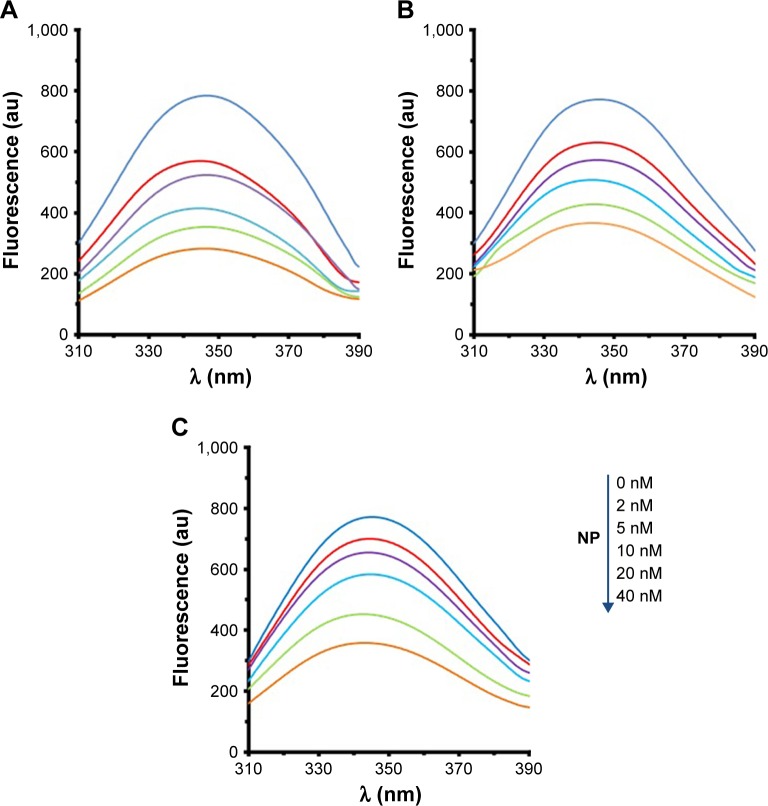
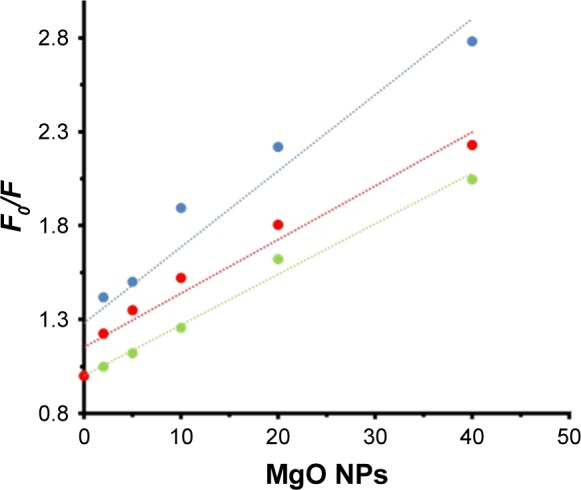
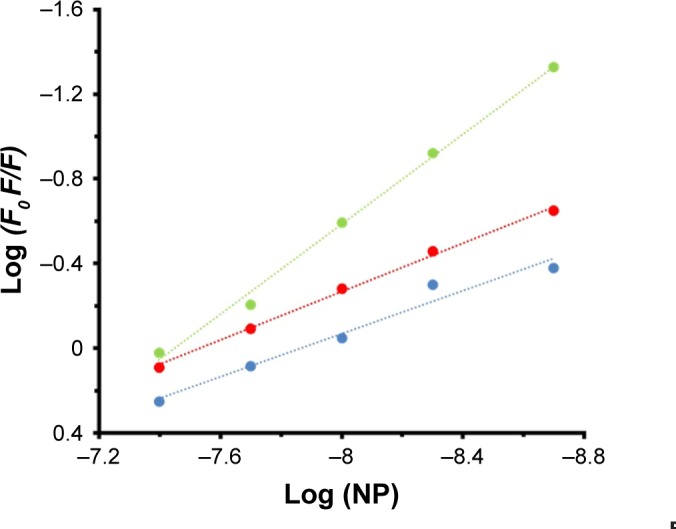
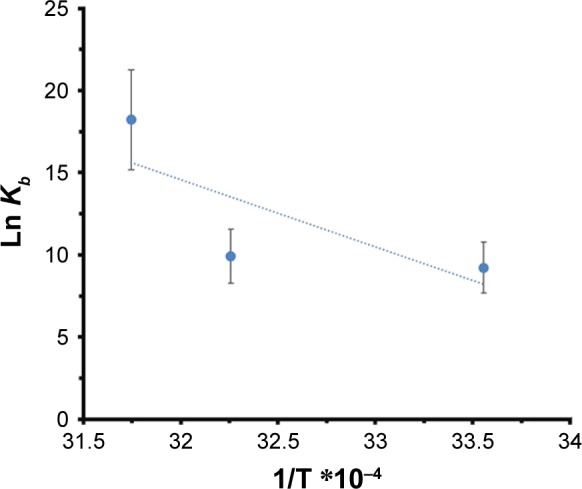
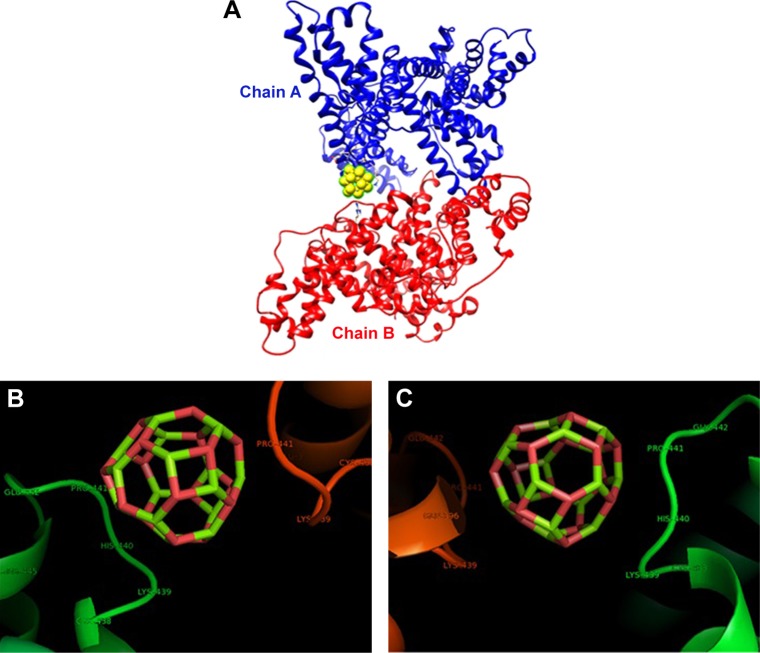
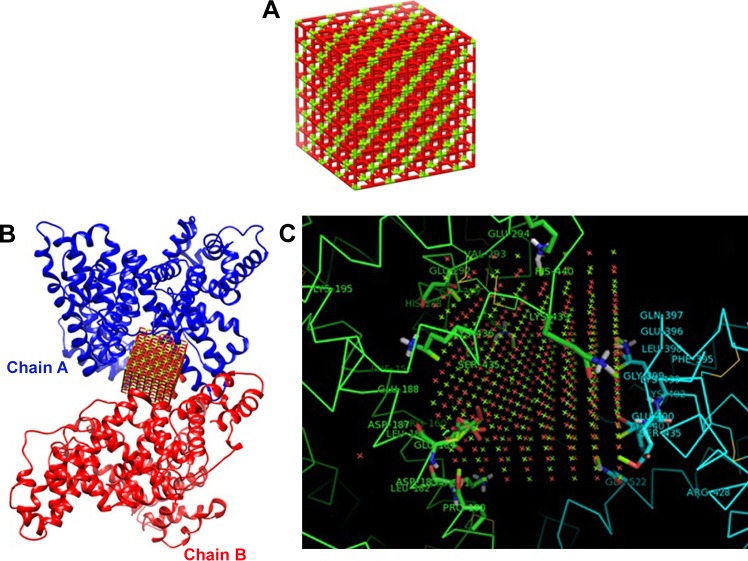
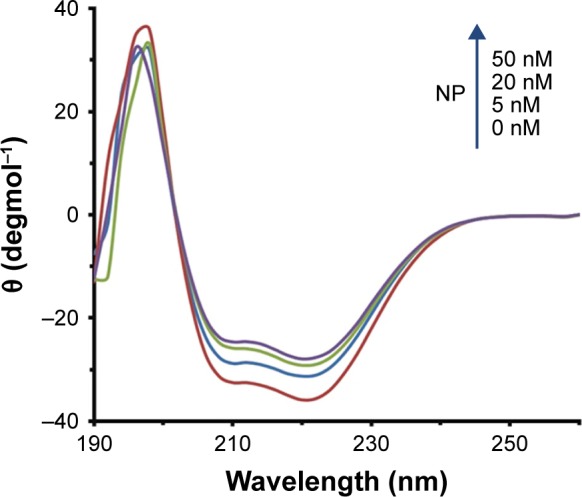
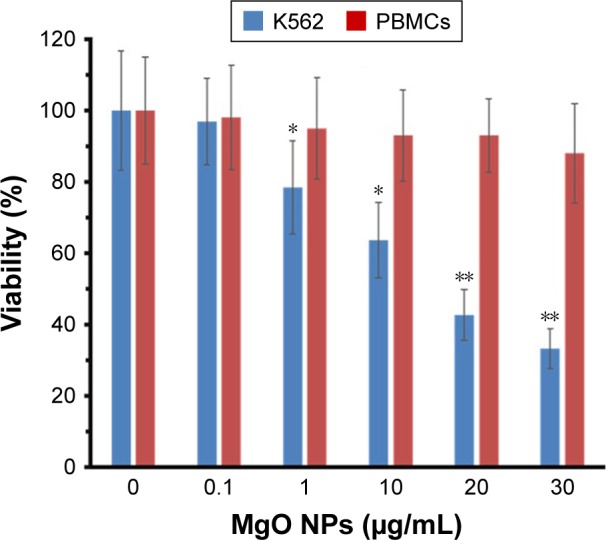
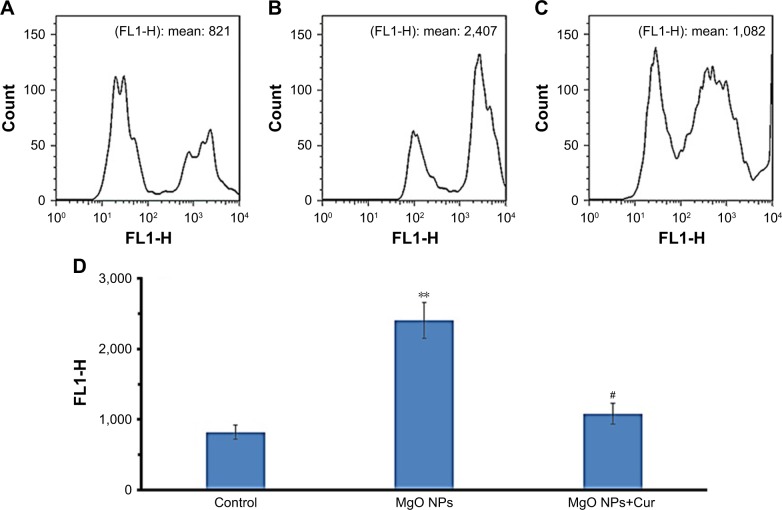
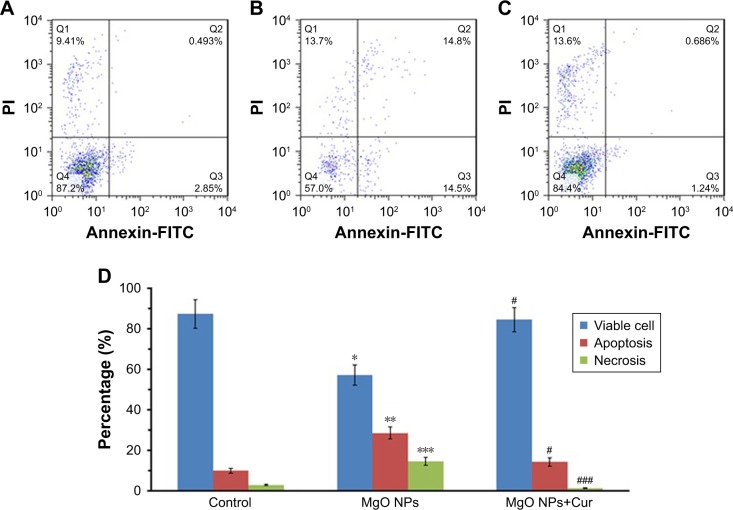
It was demonstrated that MgO NPs spontaneously form a static complex with HSA molecules through hydrophobic interactions. Docking study based on the size of NPs demonstrated that different linkages can be established between MgO NPs and HSA. The CD investigation explored that MgO NPs did not alter the secondary structure of HSA. Cellular studies revealed that MgO NPs induced cytotoxicity against K562 cell lines, whereas no adverse effects were detected on PBMCs up to optimum applied concentration of MgO NPs. It was exhibited that ROS production mediated by IC50 concentrations of MgO NPs caused apoptosis-associated cell death. The pre-incubation of K562 with ROS scavenger (curcumin) inhibited the impact of MgO NPs -based apoptosis on cell fate, revealing the upstream effect of ROS in our system.
In summary, MgO NPs may exhibit strong plasma distribution and mediate apoptosis by ROS induction in the cancer cell lines. These data demonstrate a safe aspect of MgO NPs on the proteins and normal cells and their application as a distinctive therapeutic approach in the cancer treatment.
最近,纳米材料已经进入生物和医学领域,例如癌症治疗。因此,在进行临床试验之前,应该研究它们与血浆蛋白(如人血清白蛋白(HSA))的结合情况及其对正常和癌细胞系的细胞毒性作用。
本文通过荧光光谱法、圆二色性(CD)光谱法和对接研究研究了氧化镁纳米颗粒(MgO NPs)与 HSA 的相互作用。随后,通过 MTT 和流式细胞术测定法评估了 MgO NPs 对人白血病细胞系(K562)和外周血单核细胞(PBMCs)的细胞毒性作用,以定量测定活性氧(ROS)的产生和细胞凋亡。
结果表明,MgO NPs 通过疏水相互作用自发地与 HSA 分子形成静态复合物。基于 NPs 尺寸的对接研究表明,MgO NPs 与 HSA 之间可以建立不同的连接。CD 研究表明,MgO NPs 不会改变 HSA 的二级结构。细胞研究表明,MgO NPs 诱导 K562 细胞系的细胞毒性,而在最佳的 MgO NPs 应用浓度下,对 PBMCs 没有检测到不良反应。结果表明,IC50 浓度的 MgO NPs 产生的 ROS 介导的细胞凋亡引起了与细胞死亡相关的细胞凋亡。在 K562 细胞中预先孵育 ROS 清除剂(姜黄素)抑制了基于 MgO NPs 的细胞凋亡对细胞命运的影响,表明在我们的系统中 ROS 具有上游作用。
总之,MgO NPs 可能在癌细胞系中通过 ROS 诱导表现出强烈的血浆分布并介导细胞凋亡。这些数据表明 MgO NPs 在蛋白质和正常细胞上具有安全性,并将其作为癌症治疗中的一种独特治疗方法。