Pérez-Luna Víctor H, González-Reynoso Orfil
Department of Chemical and Biological Engineering, Illinois Institute of Technology, 10 West 33rd Street, Chicago, IL 60616, USA.
Departamento de Ingeniería Química, Universidad de Guadalajara, Blvd. Gral. Marcelino García Barragán # 1451, Guadalajara, Jalisco C.P. 44430, Mexico.
Gels. 2018 Jul 11;4(3):61. doi: 10.3390/gels4030061.
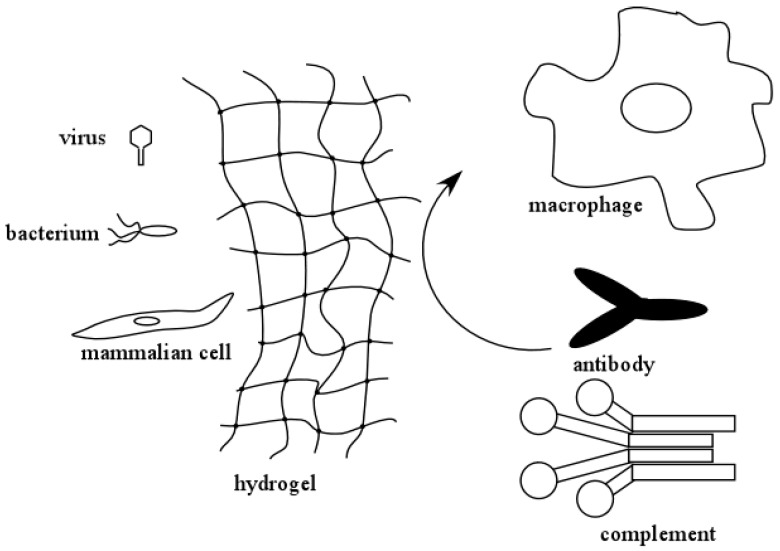
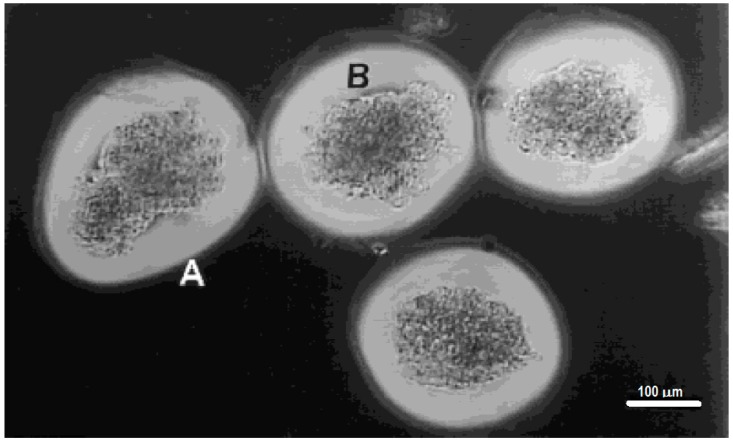
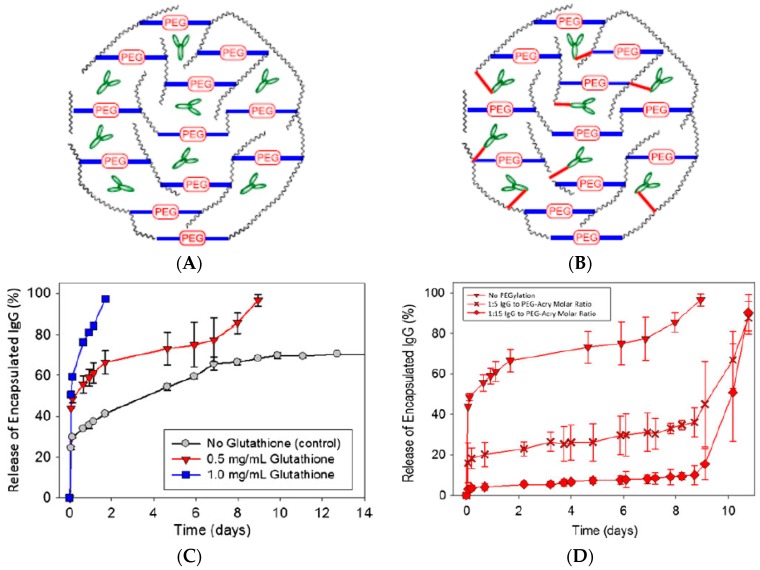
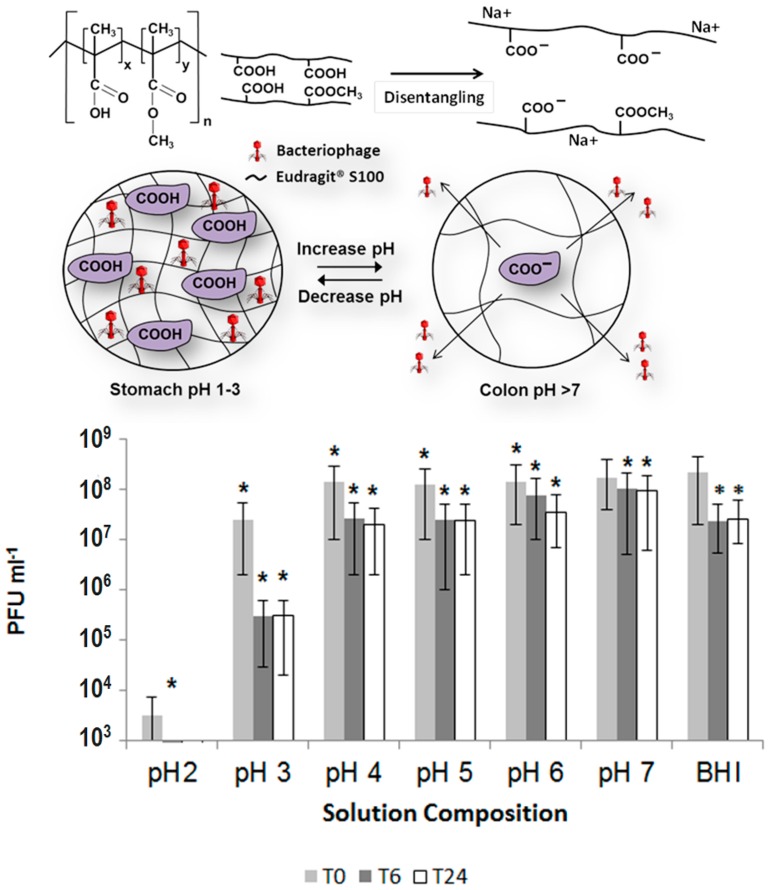
Hydrogels are materials specially suited for encapsulation of biological elements. Their large water content provides an environment compatible with most biological molecules. Their crosslinked nature also provides an ideal material for the protection of encapsulated biological elements against degradation and/or immune recognition. This makes them attractive not only for controlled drug delivery of proteins, but they can also be used to encapsulate cells that can have therapeutic applications. Thus, hydrogels can be used to create systems that will deliver required therapies in a controlled manner by either encapsulation of proteins or even cells that produce molecules that will be released from these systems. Here, an overview of hydrogel encapsulation strategies of biological elements ranging from molecules to cells is discussed, with special emphasis on therapeutic applications.
水凝胶是特别适合用于封装生物成分的材料。它们的高含水量提供了一个与大多数生物分子相容的环境。其交联性质也为保护被封装的生物成分免受降解和/或免疫识别提供了理想材料。这使得它们不仅对蛋白质的控释给药具有吸引力,还可用于封装具有治疗应用潜力的细胞。因此,水凝胶可用于创建这样的系统,即通过封装蛋白质甚至产生将从这些系统中释放的分子的细胞,以可控方式递送所需的治疗方法。在此,将讨论从分子到细胞的生物成分的水凝胶封装策略概述,特别强调治疗应用。