Yi Hee-Gyeong, Choi Yeong-Jin, Jung Jin Woo, Jang Jinah, Song Tae-Ha, Chae Suhun, Ahn Minjun, Choi Tae Hyun, Rhie Jong-Won, Cho Dong-Woo
Department of Mechanical Engineering, Pohang University of Science and Technology (POSTECH), Pohang, Korea.
Division of Integrative Biosciences and Biotechnology, Pohang University of Science and Technology (POSTECH), Pohang, Korea.
J Tissue Eng. 2019 Jan 16;10:2041731418824797. doi: 10.1177/2041731418824797. eCollection 2019 Jan-Dec.
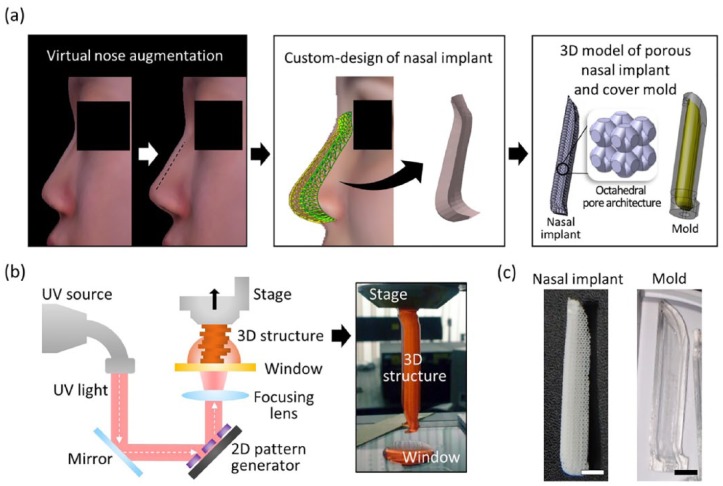
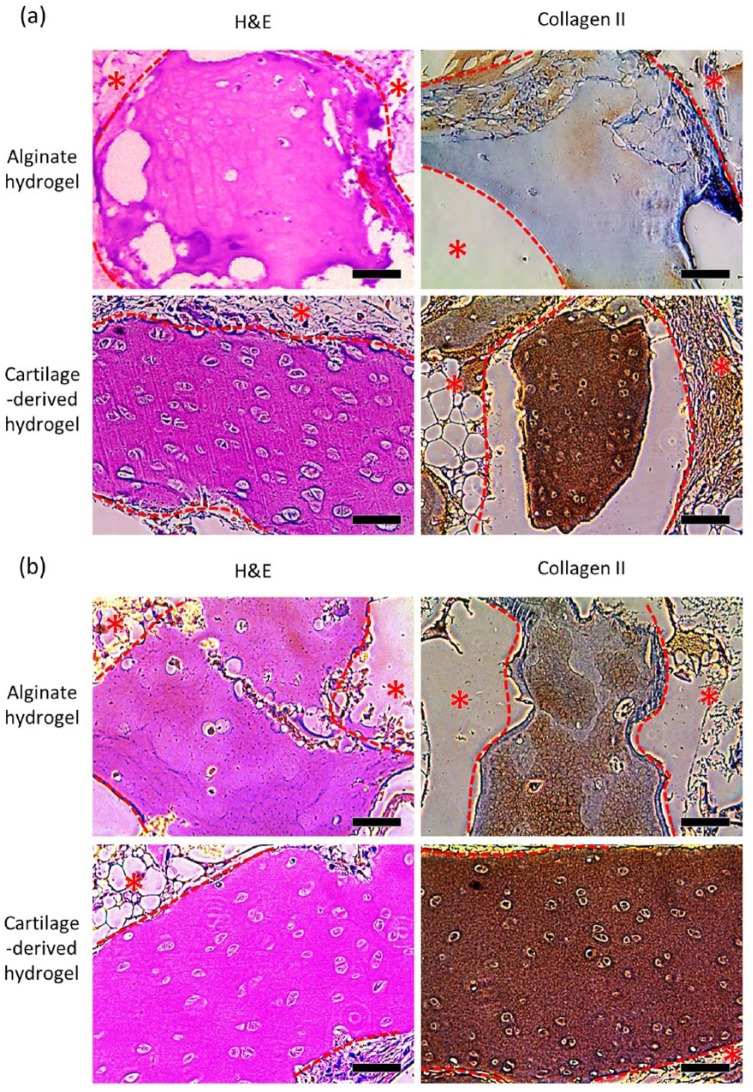
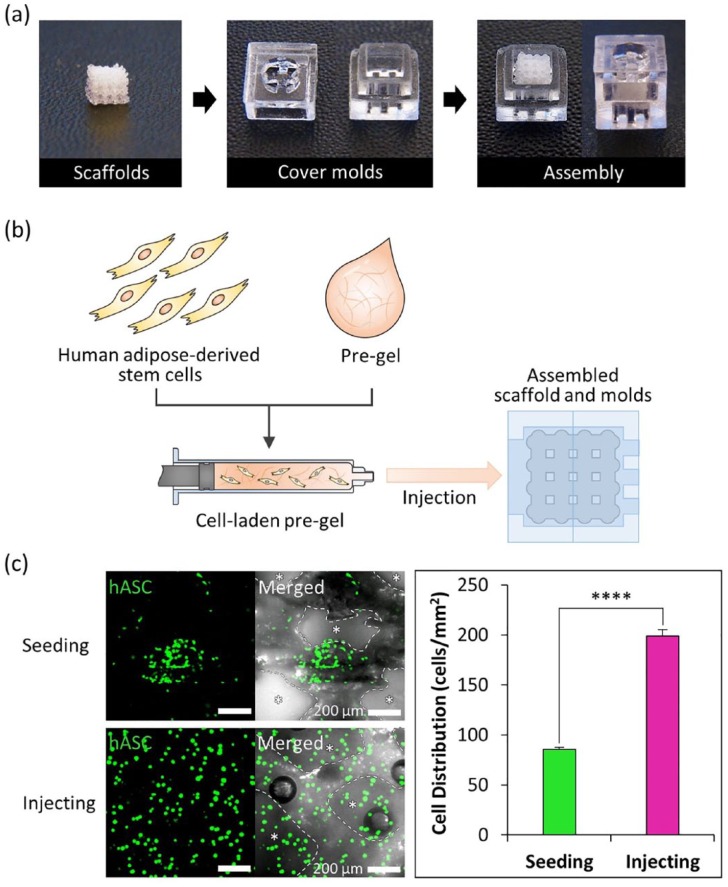
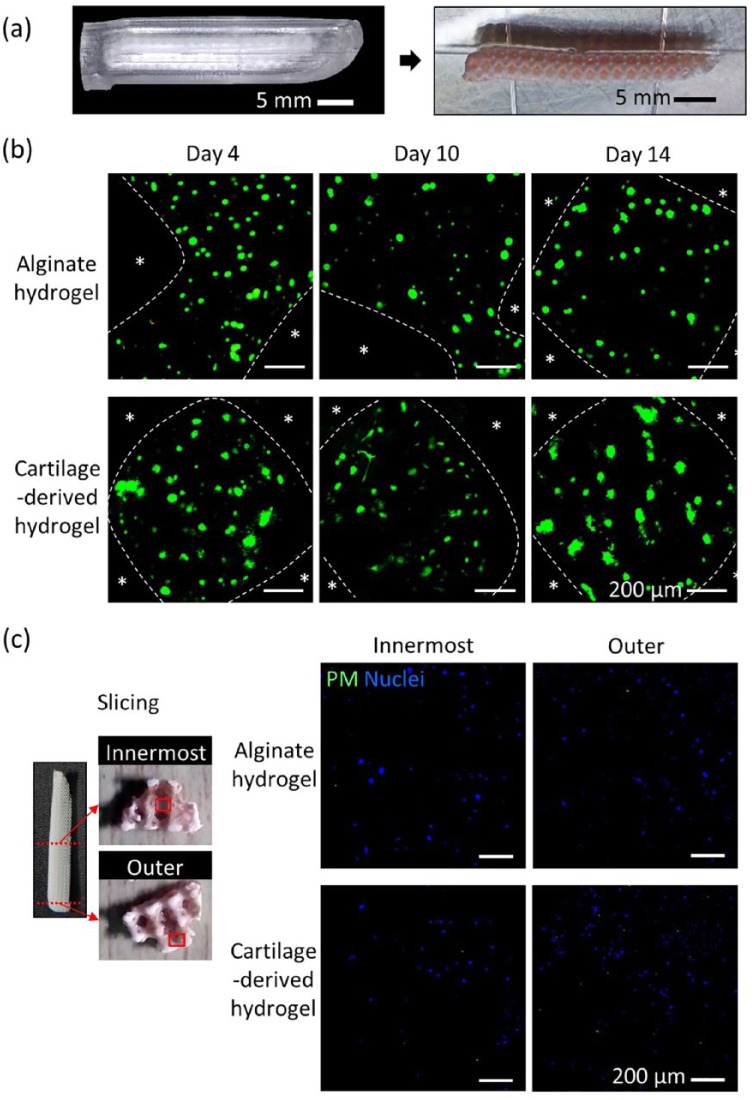
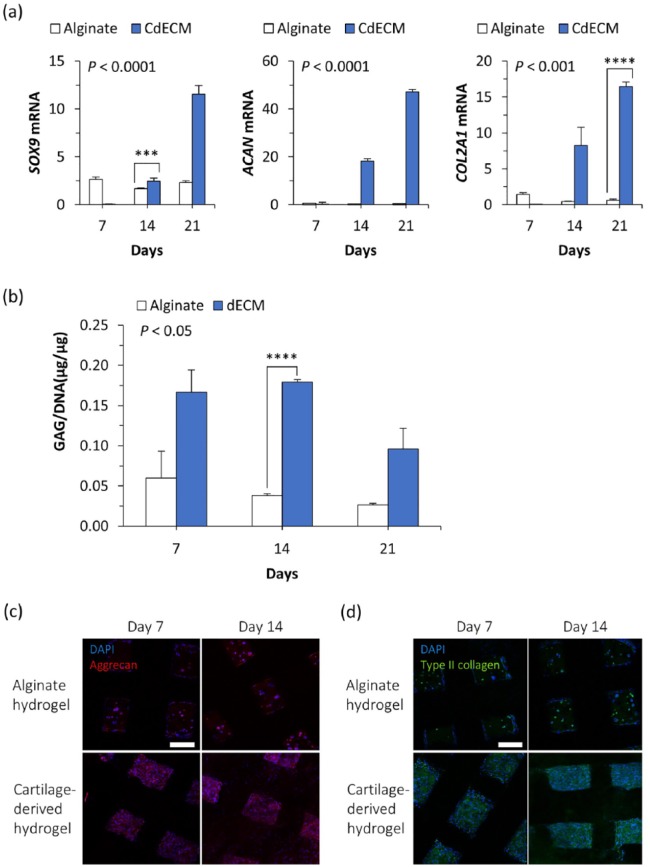
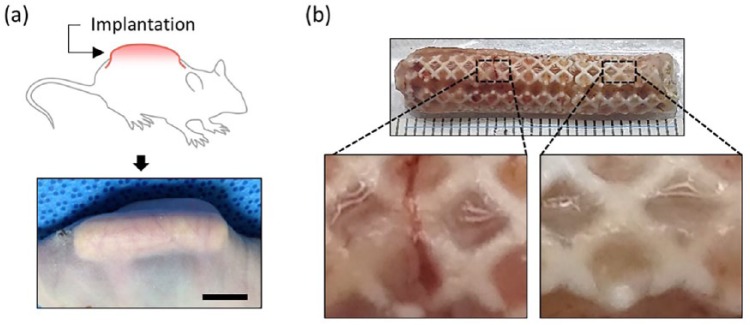
Autologous cartilages or synthetic nasal implants have been utilized in augmentative rhinoplasty to reconstruct the nasal shape for therapeutic and cosmetic purposes. Autologous cartilage is considered to be an ideal graft, but has drawbacks, such as limited cartilage source, requirements of additional surgery for obtaining autologous cartilage, and donor site morbidity. In contrast, synthetic nasal implants are abundantly available but have low biocompatibility than the autologous cartilages. Moreover, the currently used nasal cartilage grafts involve additional reshaping processes, by meticulous manual carving during surgery to fit the diverse nose shape of each patient. The final shapes of the manually tailored implants are highly dependent on the surgeons' proficiency and often result in patient dissatisfaction and even undesired separation of the implant. This study describes a new process of rhinoplasty, which integrates three-dimensional printing and tissue engineering approaches. We established a serial procedure based on computer-aided design to generate a three-dimensional model of customized nasal implant, and the model was fabricated through three-dimensional printing. An engineered nasal cartilage implant was generated by injecting cartilage-derived hydrogel containing human adipose-derived stem cells into the implant containing the octahedral interior architecture. We observed remarkable expression levels of chondrogenic markers from the human adipose-derived stem cells grown in the engineered nasal cartilage with the cartilage-derived hydrogel. In addition, the engineered nasal cartilage, which was implanted into mouse subcutaneous region, exhibited maintenance of the exquisite shape and structure, and striking formation of the cartilaginous tissues for 12 weeks. We expect that the developed process, which combines computer-aided design, three-dimensional printing, and tissue-derived hydrogel, would be beneficial in generating implants of other types of tissue.
自体软骨或合成鼻植入物已被用于隆鼻整形手术,以重建鼻形,达到治疗和美容目的。自体软骨被认为是理想的移植材料,但也存在缺点,如软骨来源有限、获取自体软骨需要额外手术以及供体部位的并发症。相比之下,合成鼻植入物来源丰富,但生物相容性低于自体软骨。此外,目前使用的鼻软骨移植物需要额外的塑形过程,即在手术中通过精细的手工雕刻来适应每个患者不同的鼻形。手工定制植入物的最终形状高度依赖于外科医生的技术水平,并且常常导致患者不满意,甚至植入物出现意外分离。本研究描述了一种隆鼻整形的新方法,该方法整合了三维打印和组织工程技术。我们基于计算机辅助设计建立了一系列程序,以生成定制鼻植入物的三维模型,并通过三维打印制造该模型。通过将含有人类脂肪来源干细胞的软骨衍生水凝胶注入具有八面体内部结构的植入物中,生成了工程化鼻软骨植入物。我们观察到在含有软骨衍生水凝胶的工程化鼻软骨中生长的人类脂肪来源干细胞,其软骨生成标志物的表达水平显著。此外,植入小鼠皮下区域的工程化鼻软骨在12周内保持了精致的形状和结构,并显著形成了软骨组织。我们期望所开发的结合计算机辅助设计、三维打印和组织衍生水凝胶的方法,将有助于生成其他类型组织的植入物。