1 Department of Surgery The Ohio State University Wexner Medical Center Columbus OH.
2 Department of Physiology and Cell Biology The Ohio State University Wexner Medical Center Columbus OH.
J Am Heart Assoc. 2019 Feb 19;8(4):e009960. doi: 10.1161/JAHA.118.009960.
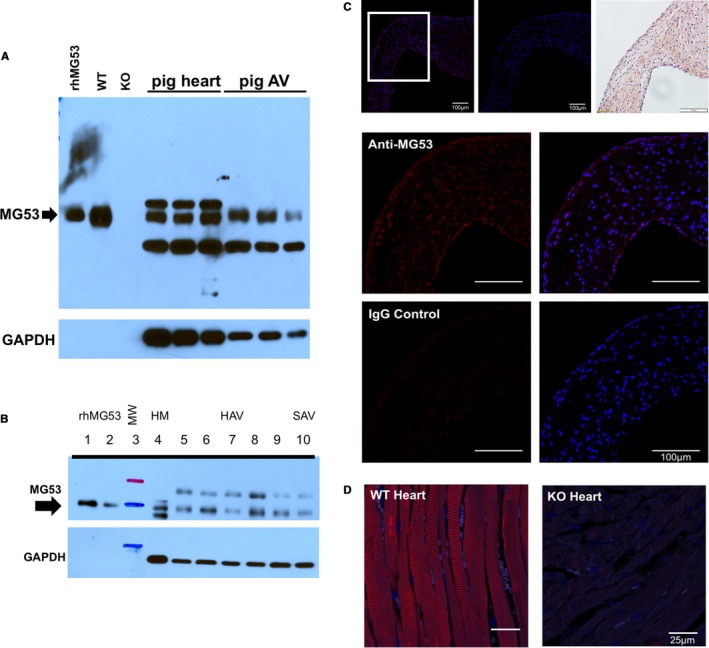
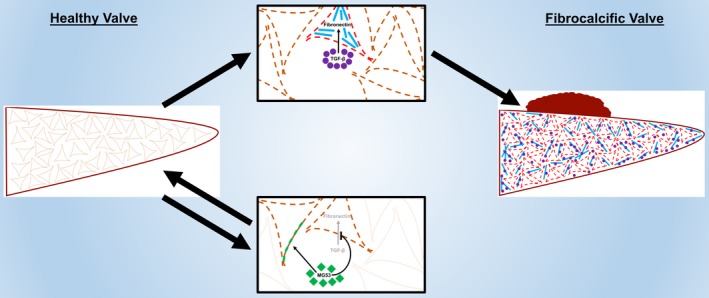
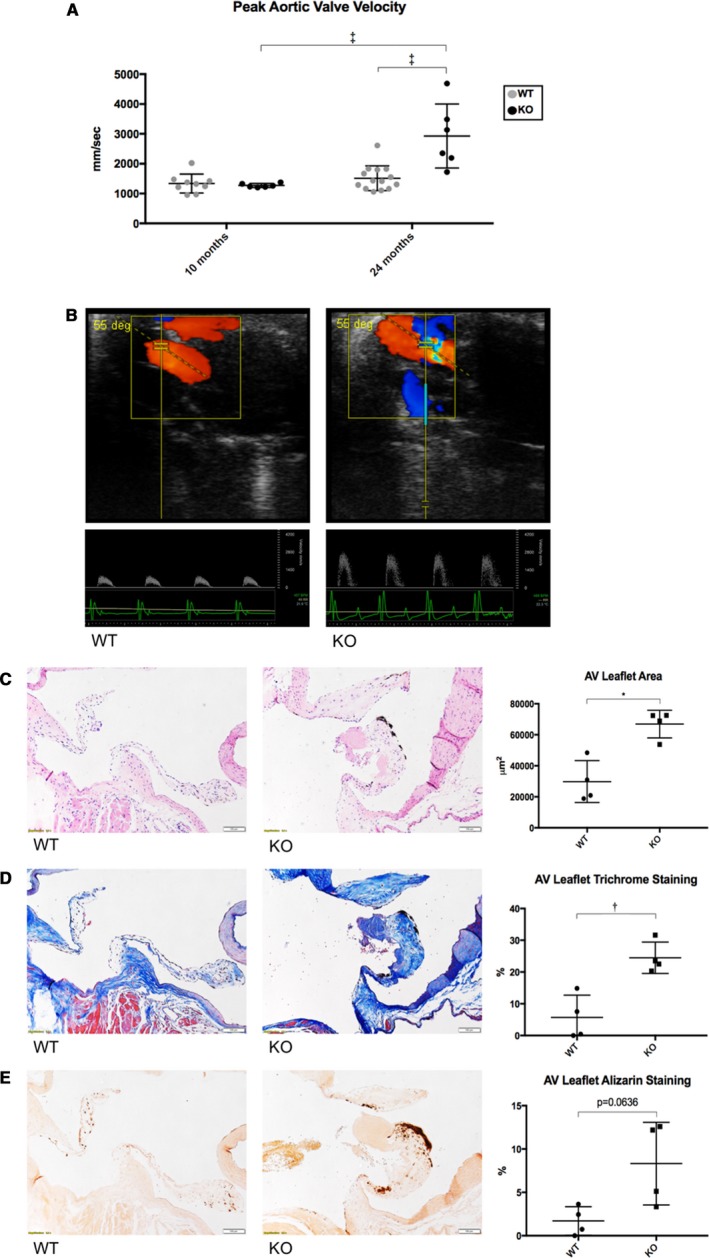
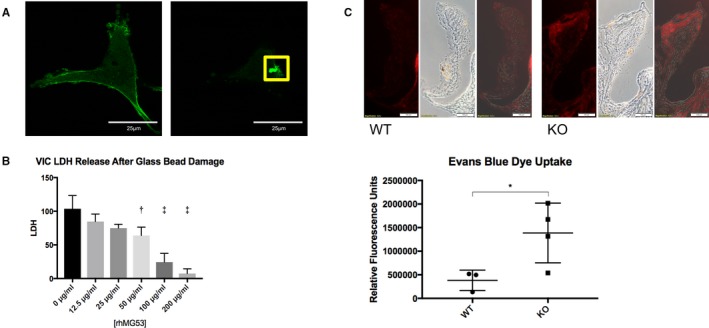
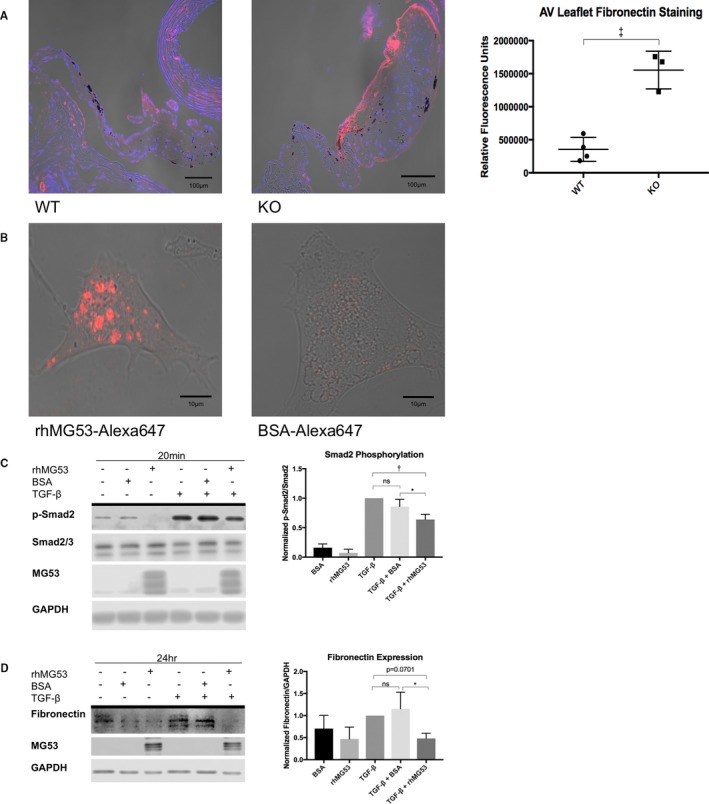
Background The aortic valve of the heart experiences constant mechanical stress under physiological conditions. Maladaptive valve injury responses contribute to the development of valvular heart disease. Here, we test the hypothesis that MG 53 (mitsugumin 53), an essential cell membrane repair protein, can protect valvular cells from injury and fibrocalcific remodeling processes associated with valvular heart disease. Methods and Results We found that MG 53 is expressed in pig and human patient aortic valves and observed aortic valve disease in aged Mg53-/- mice. Aortic valves of Mg53-/- mice showed compromised cell membrane integrity. In vitro studies demonstrated that recombinant human MG 53 protein protects primary valve interstitial cells from mechanical injury and that, in addition to mediating membrane repair, recombinant human MG 53 can enter valve interstitial cells and suppress transforming growth factor-β-dependent activation of fibrocalcific signaling. Conclusions Together, our data characterize valve interstitial cell membrane repair as a novel mechanism of protection against valvular remodeling and assess potential in vivo roles of MG 53 in preventing valvular heart disease.
心脏的主动脉瓣在生理条件下会持续受到机械应力。适应性瓣膜损伤反应会导致瓣膜性心脏病的发生。在这里,我们验证了这样一个假设,即细胞膜修复蛋白 MG53(mitsugumin 53)可以保护瓣膜细胞免受与瓣膜性心脏病相关的损伤和纤维钙化重塑过程的影响。
我们发现 MG53 在心的猪和人主动脉瓣中表达,并观察到年老的 Mg53-/- 小鼠出现主动脉瓣疾病。Mg53-/- 小鼠的主动脉瓣表现出细胞外膜完整性受损。体外研究表明,重组人 MG53 蛋白可保护原代瓣膜间质细胞免受机械损伤,并且除了介导细胞膜修复之外,重组人 MG53 还可以进入瓣膜间质细胞并抑制转化生长因子-β 依赖性纤维钙化信号的激活。
总的来说,我们的数据将瓣膜间质细胞膜修复作为一种防止瓣膜重塑的新保护机制,并评估了 MG53 在预防瓣膜性心脏病中的潜在体内作用。