John Samuel, Kesting Marco Rainer, Paulitschke Philipp, Stöckelhuber Mechthild, von Bomhard Achim
University Hospital Jena, Jena, Germany.
Department of Oral and Maxillofacial Surgery, Technical University of Munich, Munich, Germany.
J Tissue Eng. 2019 Feb 2;10:2041731418825378. doi: 10.1177/2041731418825378. eCollection 2019 Jan-Dec.
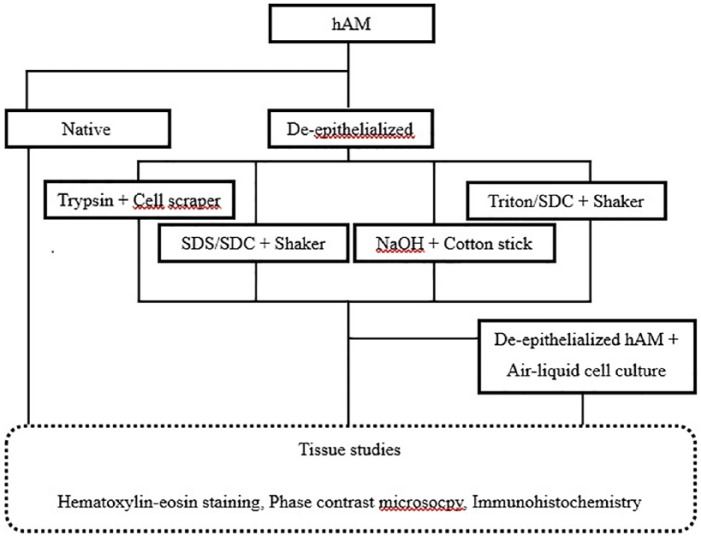
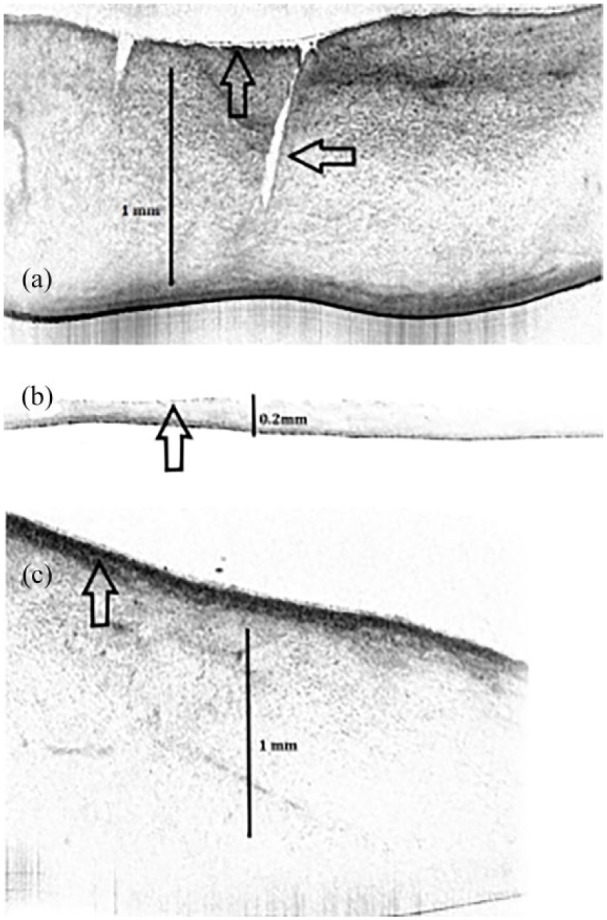
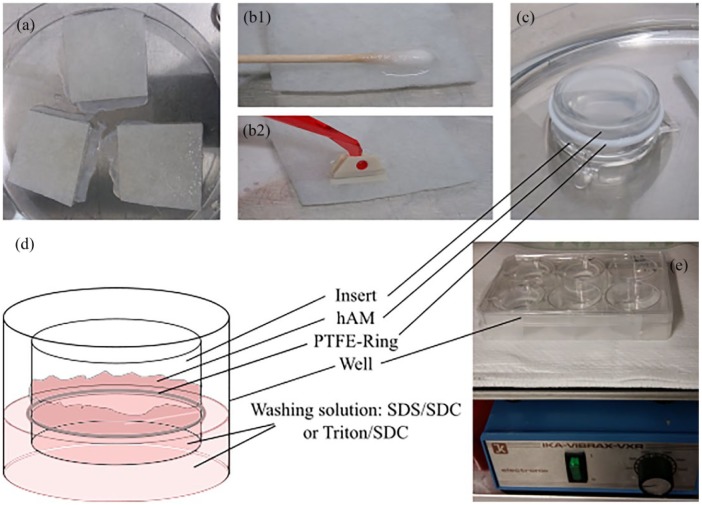
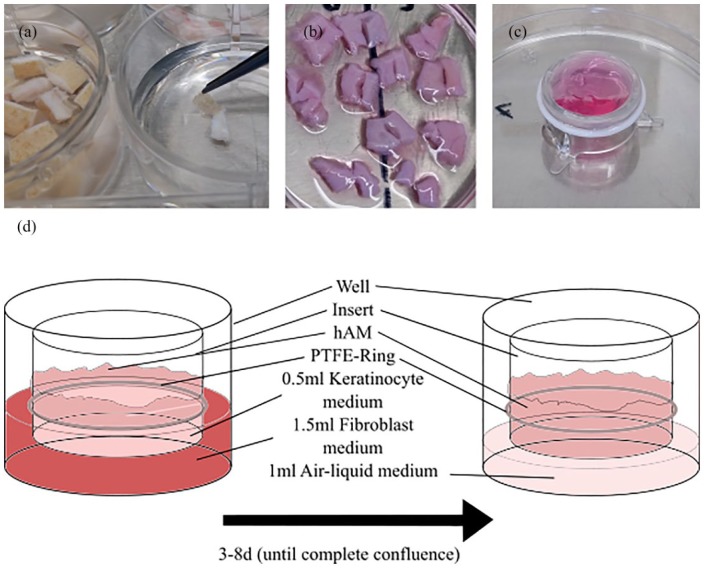
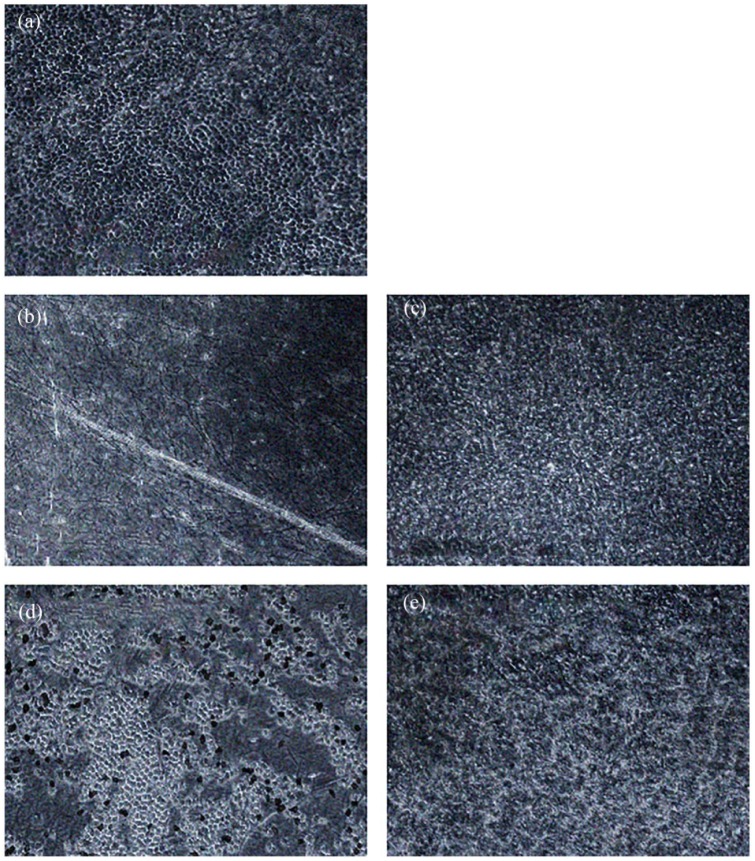
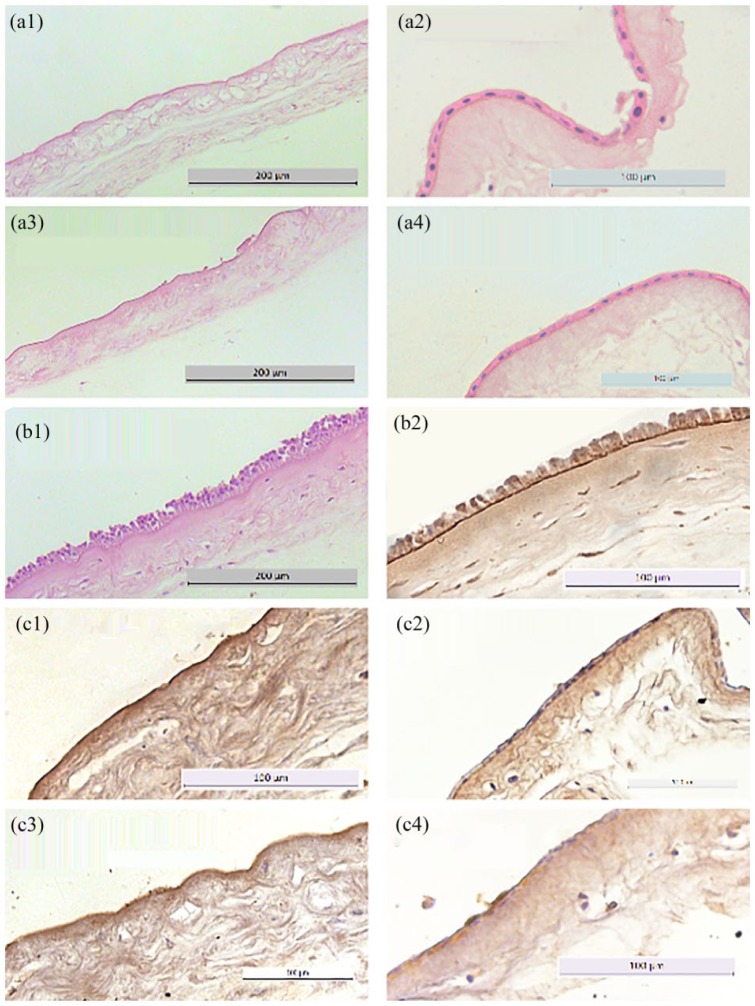
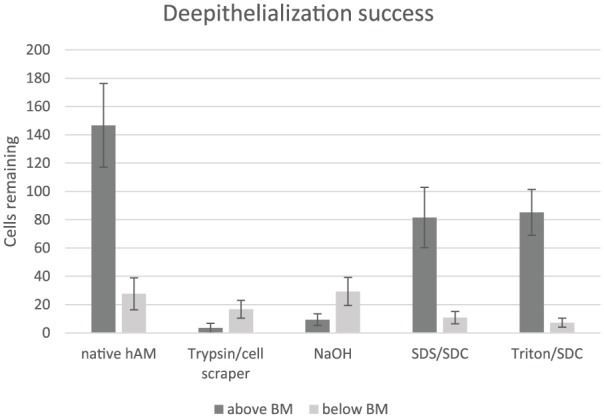
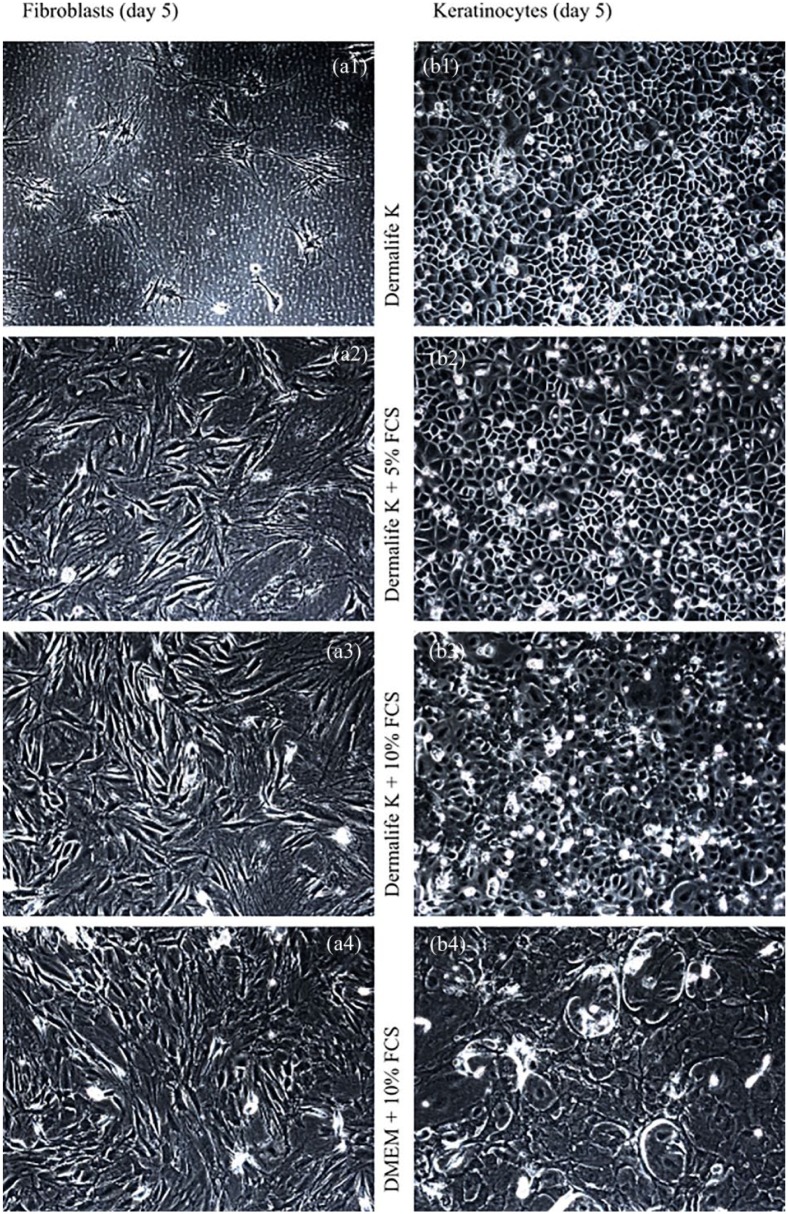
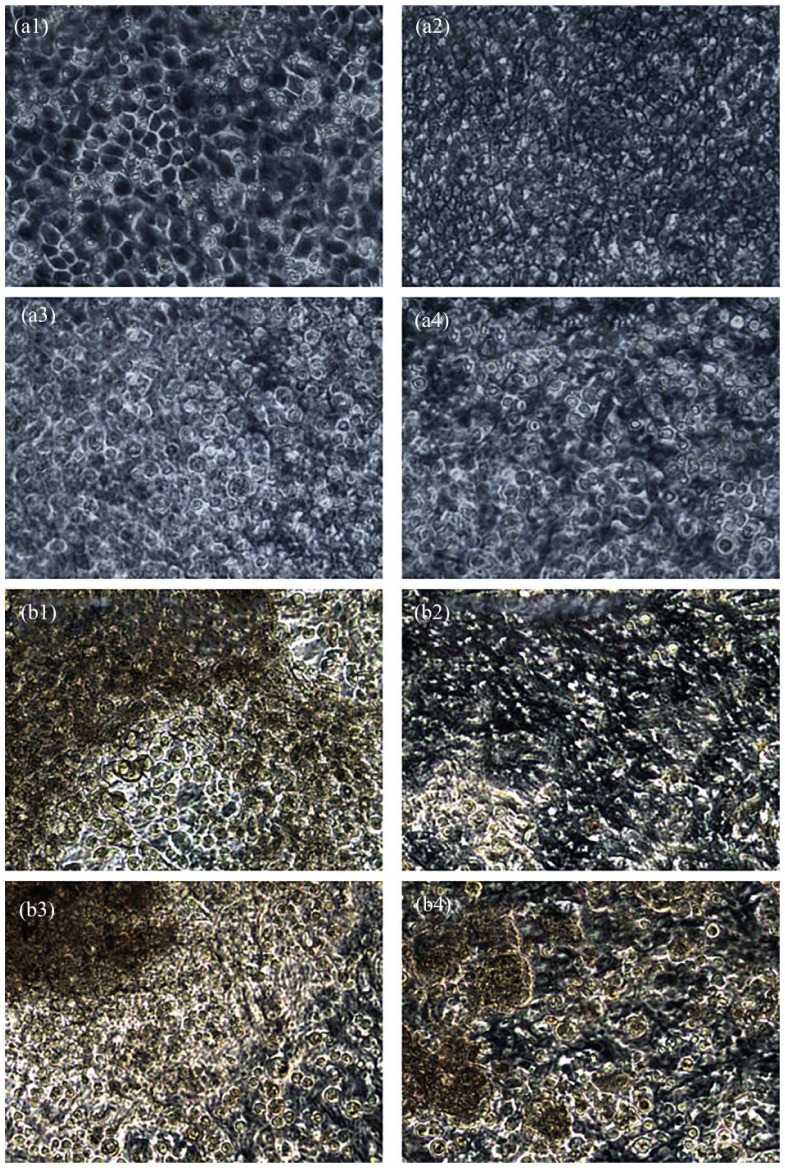
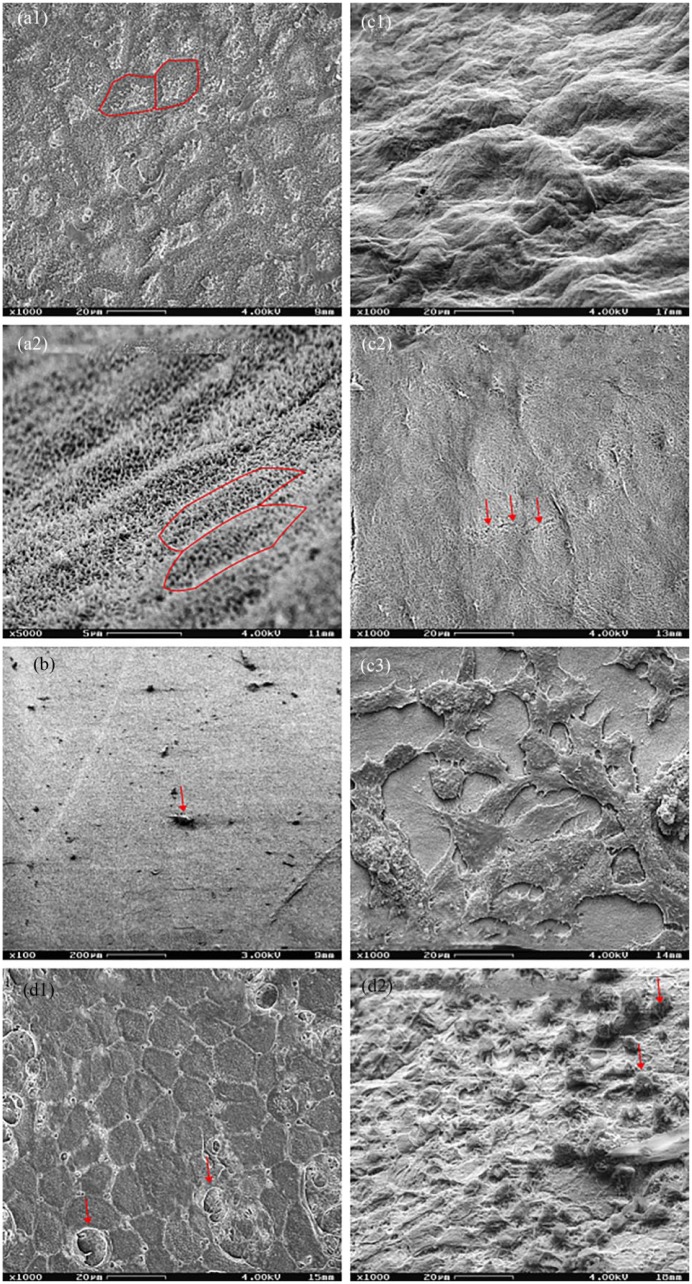
Allogenic graft material and tissue engineering have recently shown promising results for the improvement of both esthetic and functional outcomes in the treatment of large skin defects. We chose human amniotic membrane as a cellular scaffold in order to develop a skin substitute for later in vivo uses. Various methods of de-epithelialization of the human amniotic membrane were evaluated by histological analysis including hematoxylin-eosin and laminin staining, optic coherence tomography, and scanning electron microscopy with 0.25/0.02% trypsin/ethylenediaminetetraacetic acid treatment and mechanical cell removal showing an almost complete loss of the epithelium and a mainly intact basement membrane. Novel examination of human amniotic membrane by optic coherence tomography was feasible, but difficulties were experienced in handling and interpretation of the tissue as no comparable data exist. Subsequently, we developed an air-liquid interface cell culture to cultivate keratinocytes and fibroblasts on the de-epithelialized human amniotic membrane. We achieved a mostly keratinized surface on the epidermal side with a confluent fibroblast network on the chorion side.
同种异体移植材料和组织工程最近在治疗大面积皮肤缺损方面,在改善美学和功能效果上都显示出了令人鼓舞的结果。我们选择人羊膜作为细胞支架,以便开发一种皮肤替代物供日后体内使用。通过组织学分析评估了人羊膜去上皮化的各种方法,包括苏木精-伊红和层粘连蛋白染色、光学相干断层扫描以及用0.25/0.02%胰蛋白酶/乙二胺四乙酸处理和机械去除细胞的扫描电子显微镜检查,结果显示上皮几乎完全丧失,基底膜基本完整。用光学相干断层扫描对人羊膜进行新的检查是可行的,但由于没有可比数据,在处理和解释组织时遇到了困难。随后,我们开发了气液界面细胞培养法,在去上皮化的人羊膜上培养角质形成细胞和成纤维细胞。我们在表皮侧实现了大部分角质化表面,在绒毛膜侧形成了融合的成纤维细胞网络。