Division of Pulmonary and Critical Care Medicine, Washington University School of Medicine, Campus Box 8052, 660 South Euclid Avenue, St. Louis, MO 63110, USA.
Division of Pulmonary and Critical Care Medicine, Washington University School of Medicine, Campus Box 8052, 660 South Euclid Avenue, St. Louis, MO 63110, USA; Department of Respiration, Integrated Hospital of Traditional Chinese Medicine, Southern Medical University, Guangzhou, Guangdong 510315, China.
Cell Rep. 2019 Feb 12;26(7):1880-1892.e6. doi: 10.1016/j.celrep.2019.01.072.
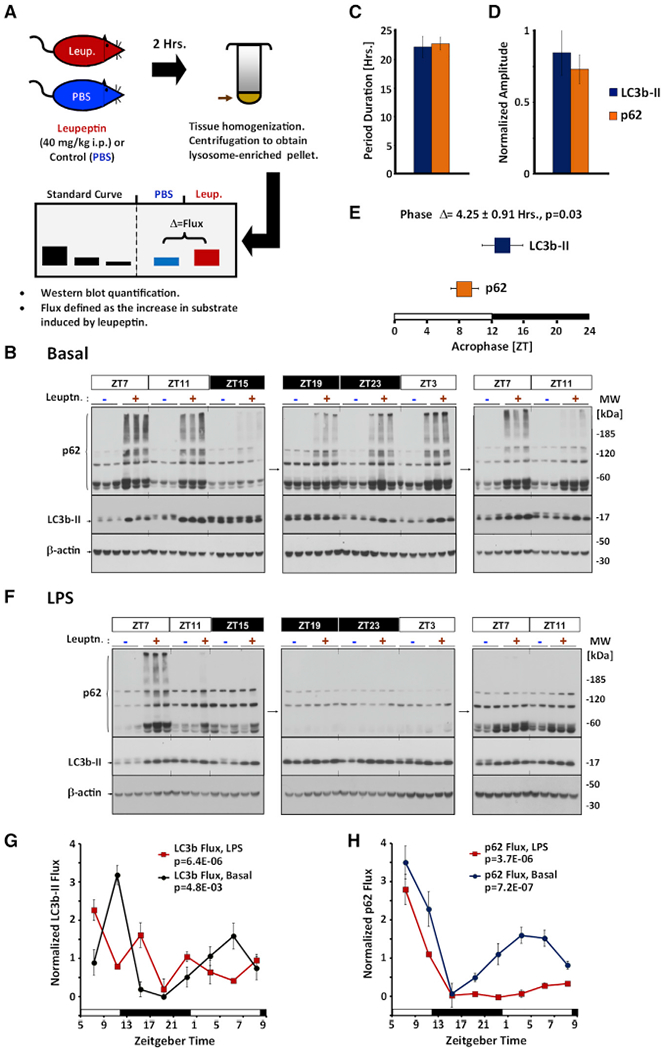
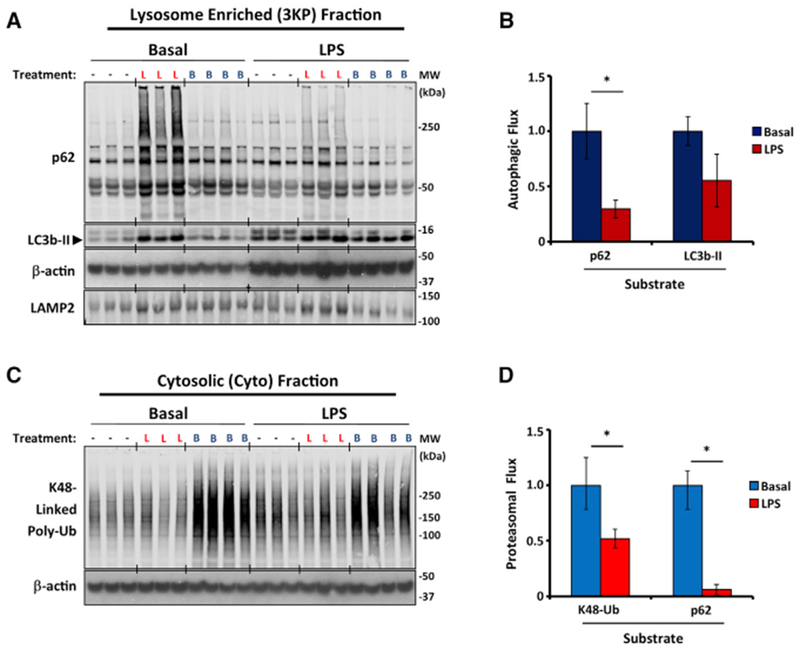
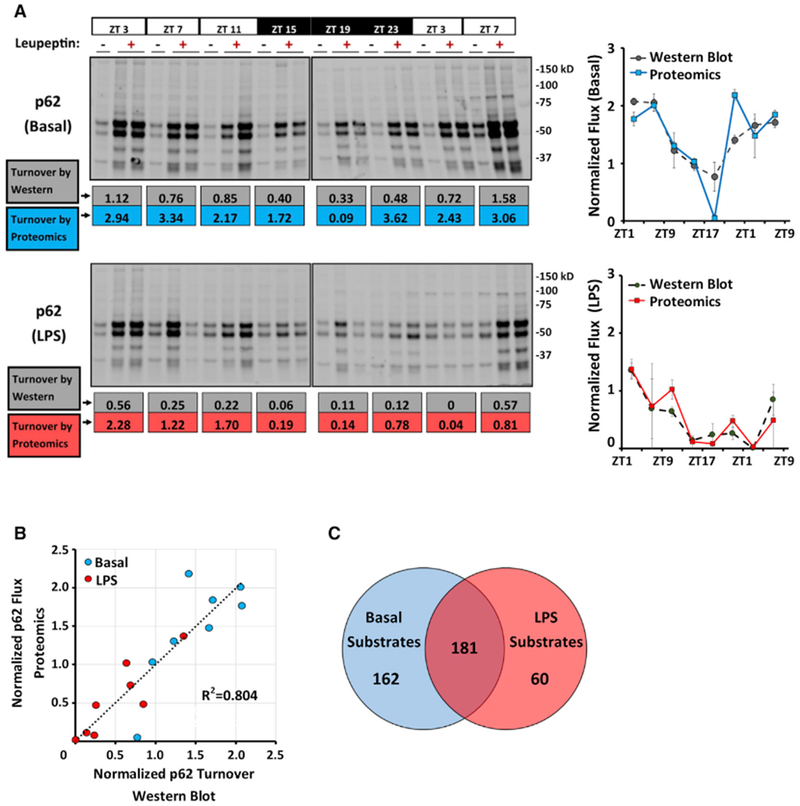
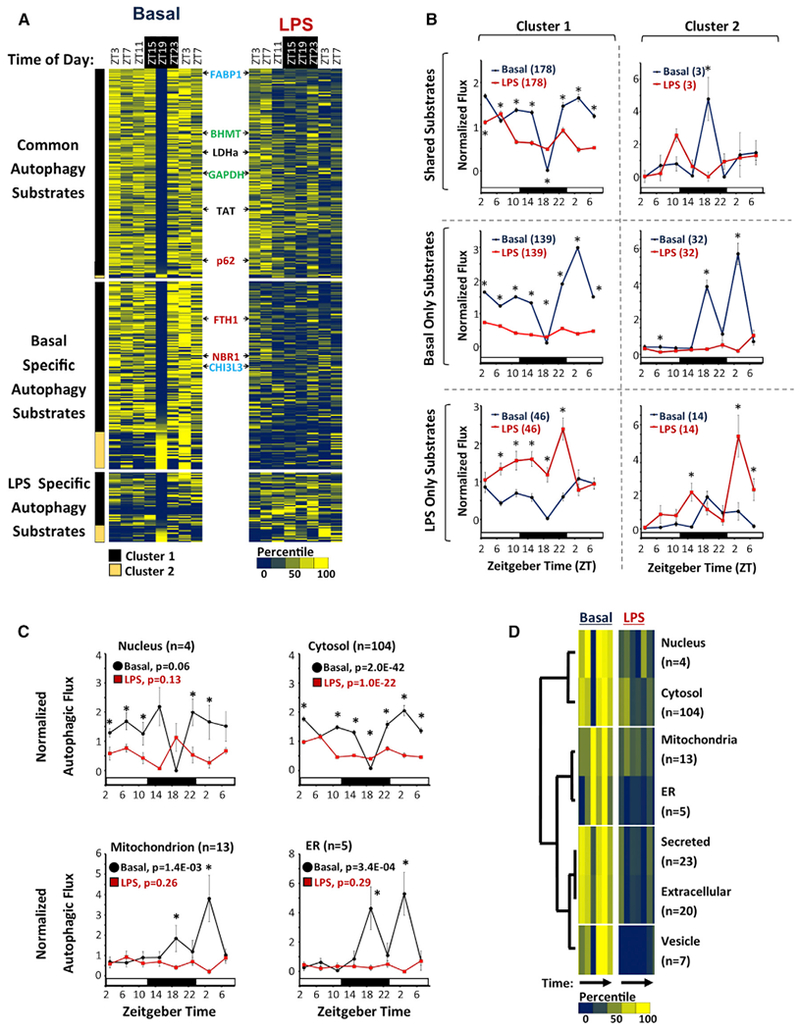
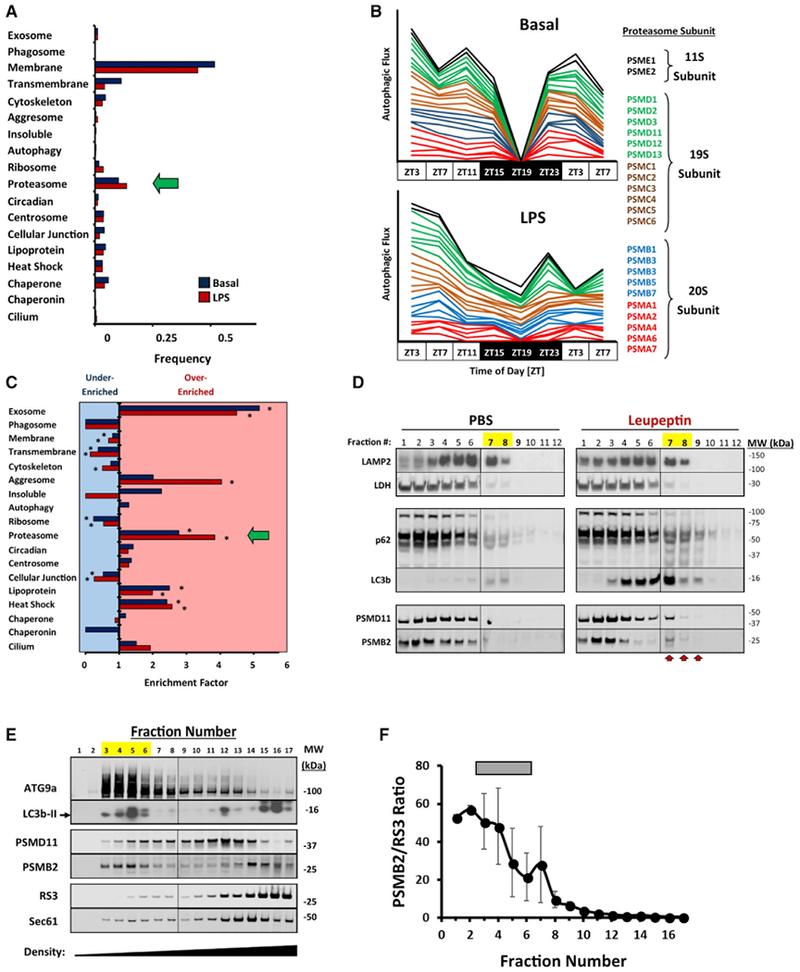
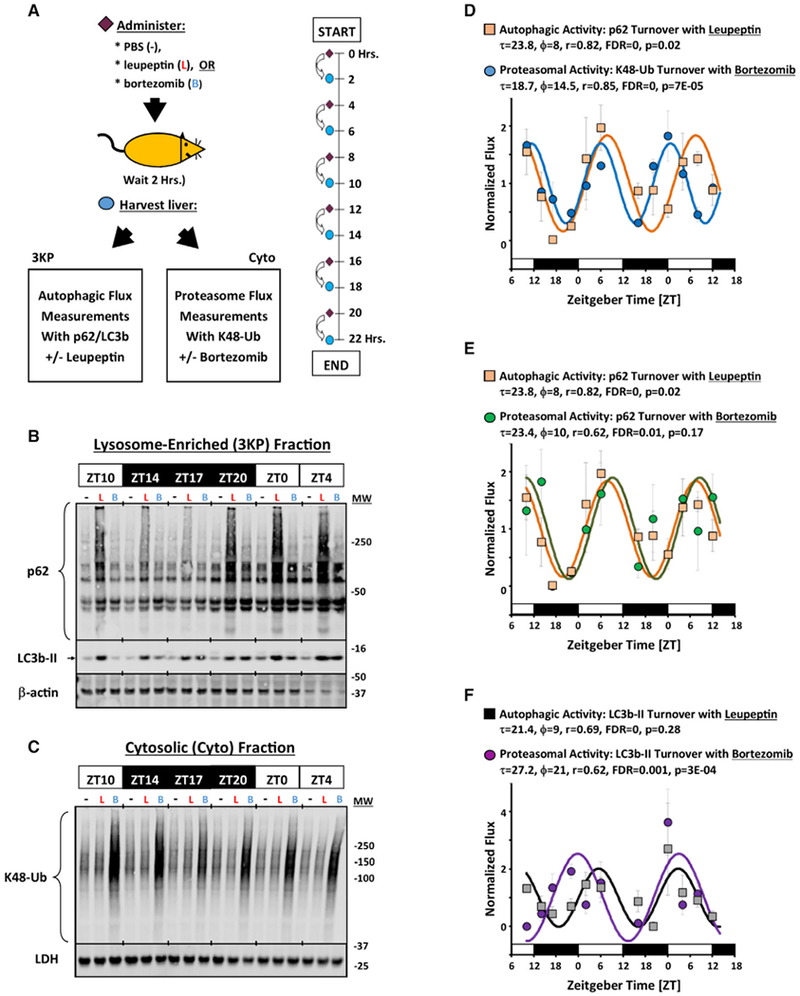
Circadian rhythms are a hallmark of physiology, but how such daily rhythms organize cellular catabolism is poorly understood. Here, we used proteomics to map daily oscillations in autophagic flux in mouse liver and related these rhythms to proteasome activity. We also explored how systemic inflammation affects the temporal structure of autophagy. Our data identified a globally harmonized rhythm for basal macroautophagy, chaperone-mediated autophagy, and proteasomal activity, which concentrates liver proteolysis during the daytime. Basal autophagy rhythms could be resolved into two antiphase clusters that were distinguished by the subcellular location of targeted proteins. Inflammation induced by lipopolysaccharide reprogrammed autophagic flux away from a temporal pattern that favors cytosolic targets and toward the turnover of mitochondrial targets. Our data detail how daily biological rhythms connect the temporal, spatial, and metabolic aspects of protein catabolism.
昼夜节律是生理学的一个标志,但这种日常节律如何组织细胞分解代谢还知之甚少。在这里,我们使用蛋白质组学方法来绘制小鼠肝脏中自噬通量的日常波动,并将这些节律与蛋白酶体活性联系起来。我们还探讨了全身炎症如何影响自噬的时间结构。我们的数据确定了基础巨自噬、伴侣介导的自噬和蛋白酶体活性的全球协调节律,这些节律在白天集中进行肝脏蛋白水解。基础自噬节律可以分解为两个反相簇,这些簇通过靶向蛋白的亚细胞位置来区分。脂多糖引起的炎症使自噬通量重新编程,偏离有利于细胞质靶标的时间模式,转向线粒体靶标的周转率。我们的数据详细说明了每日生物节律如何将蛋白质分解代谢的时间、空间和代谢方面联系起来。