Department of Electrical and Computer Engineering, George Mason University, Fairfax, VA 22030, USA.
Sensors (Basel). 2019 Feb 21;19(4):905. doi: 10.3390/s19040905.
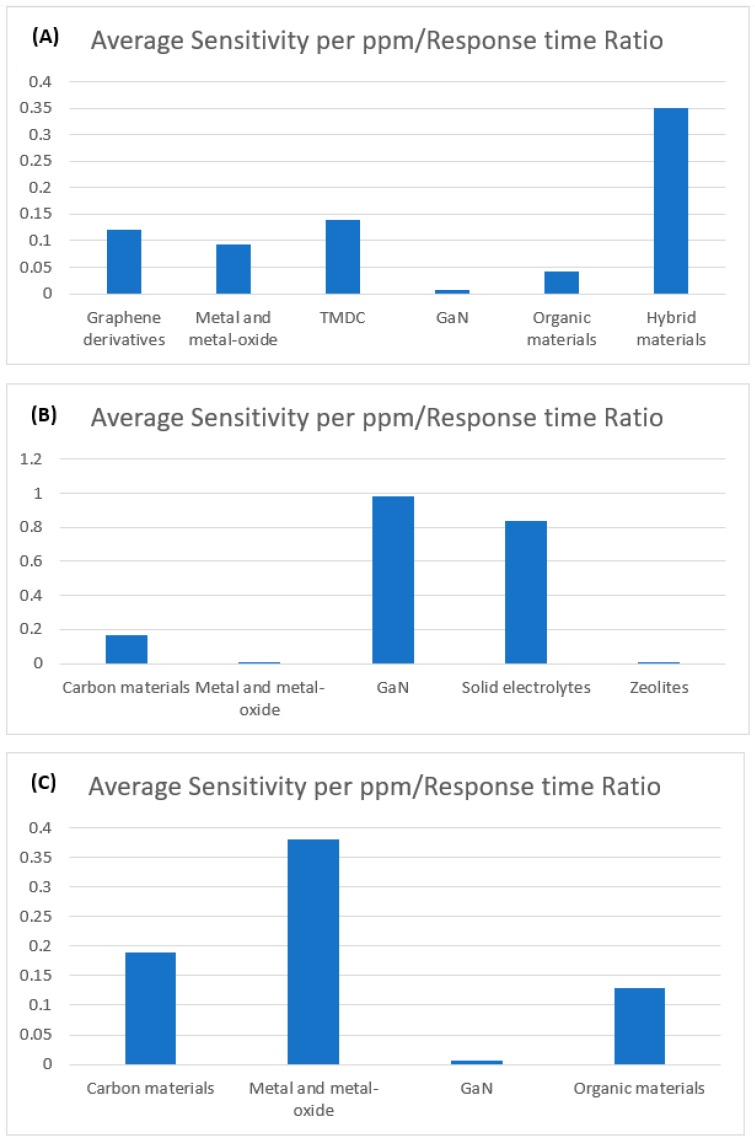
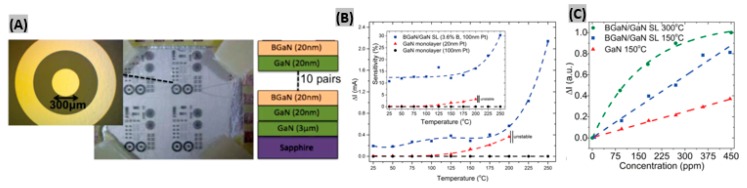
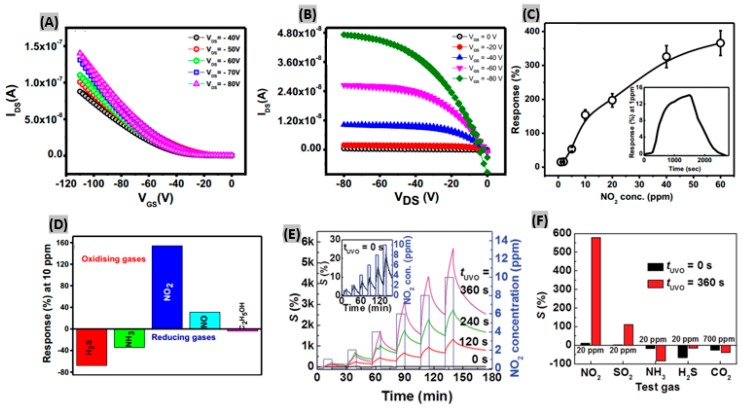
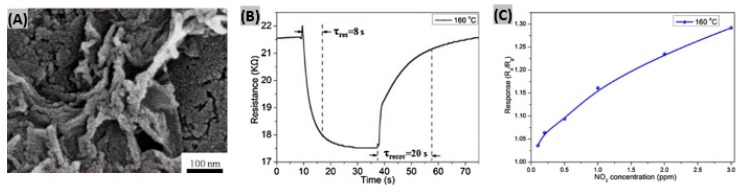
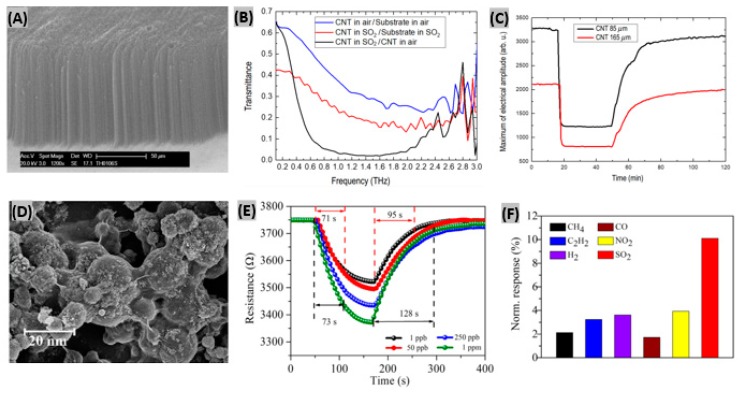
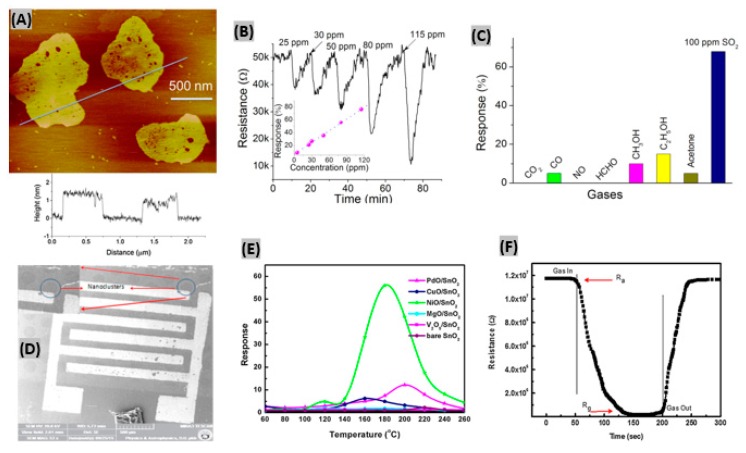
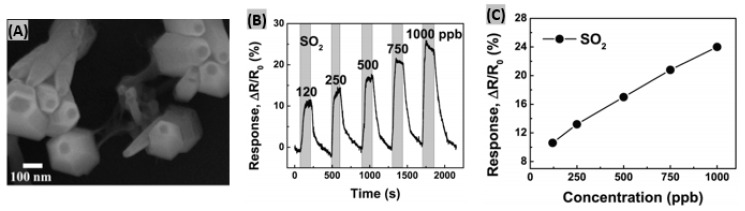
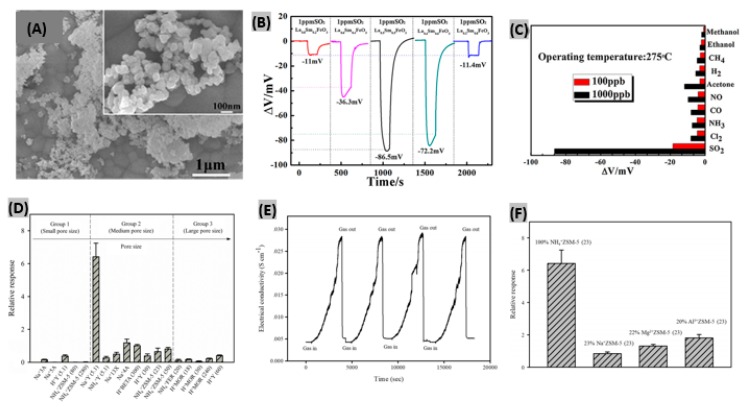
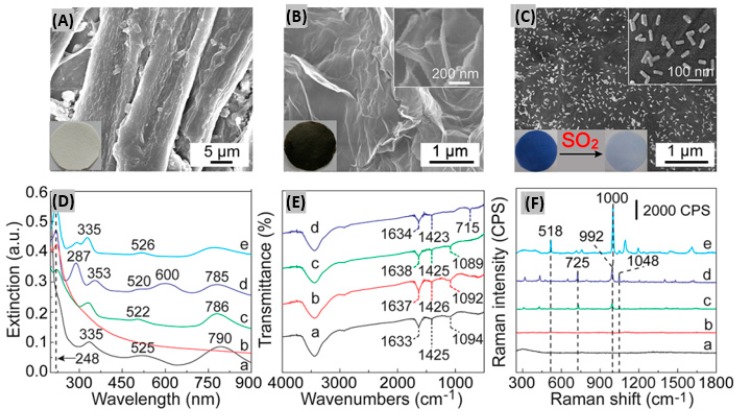
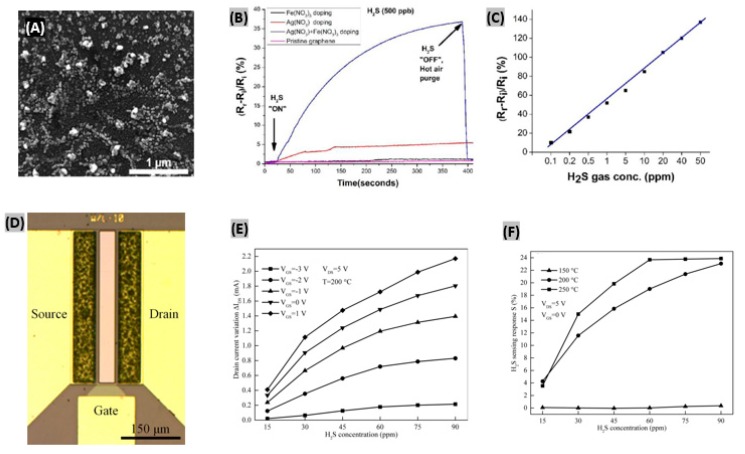
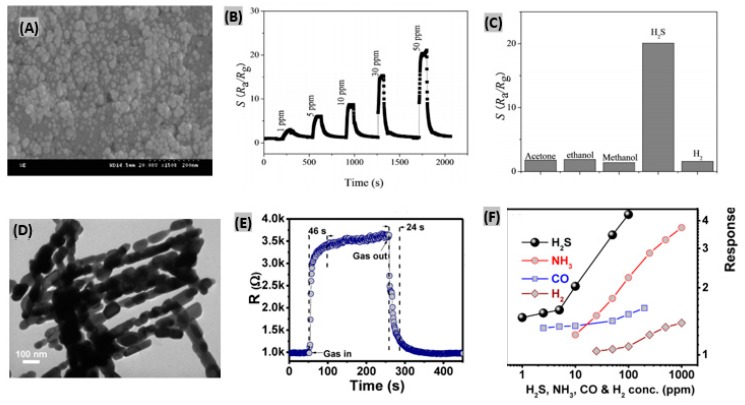
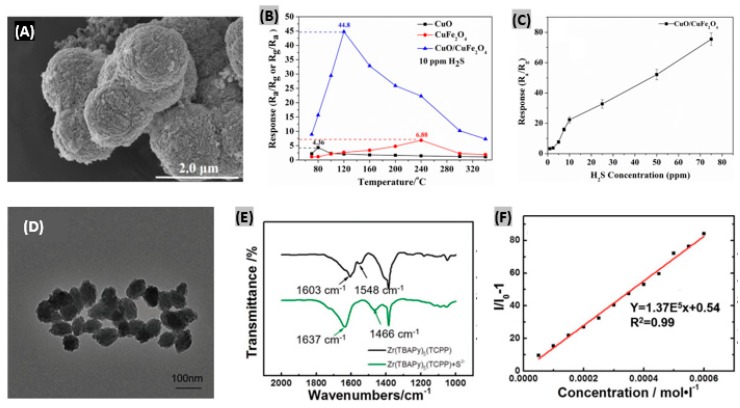
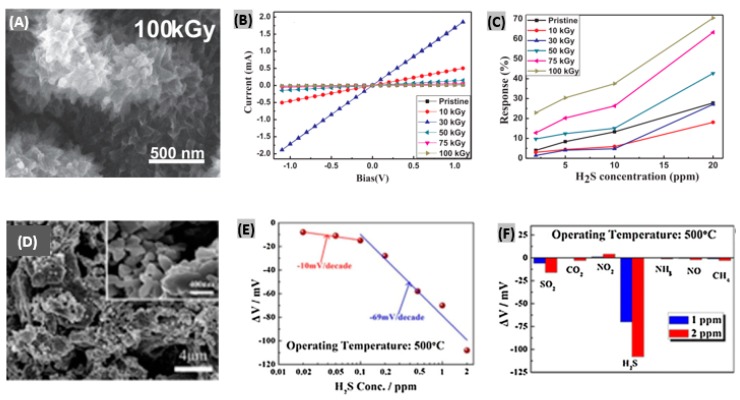
Toxic gases, such as NO, SO, H₂S and other S-containing gases, cause numerous harmful effects on human health even at very low gas concentrations. Reliable detection of various gases in low concentration is mandatory in the fields such as industrial plants, environmental monitoring, air quality assurance, automotive technologies and so on. In this paper, the recent advances in electrochemical sensors for toxic gas detections were reviewed and summarized with a focus on NO₂, SO₂ and H₂S gas sensors. The recent progress of the detection of each of these toxic gases was categorized by the highly explored sensing materials over the past few decades. The important sensing performance parameters like sensitivity/response, response and recovery times at certain gas concentration and operating temperature for different sensor materials and structures have been summarized and tabulated to provide a thorough performance comparison. A novel metric, sensitivity per ppm/response time ratio has been calculated for each sensor in order to compare the overall sensing performance on the same reference. It is found that hybrid materials-based sensors exhibit the highest average ratio for NO₂ gas sensing, whereas GaN and metal-oxide based sensors possess the highest ratio for SO₂ and H₂S gas sensing, respectively. Recently, significant research efforts have been made exploring new sensor materials, such as graphene and its derivatives, transition metal dichalcogenides (TMDs), GaN, metal-metal oxide nanostructures, solid electrolytes and organic materials to detect the above-mentioned toxic gases. In addition, the contemporary progress in SO₂ gas sensors based on zeolite and paper and H₂S gas sensors based on colorimetric and metal-organic framework (MOF) structures have also been reviewed. Finally, this work reviewed the recent first principle studies on the interaction between gas molecules and novel promising materials like arsenene, borophene, blue phosphorene, GeSe monolayer and germanene. The goal is to understand the surface interaction mechanism.
有毒气体,如 NO、SO、H₂S 和其他含 S 气体,即使在非常低的气体浓度下,也会对人体健康造成许多有害影响。在工业工厂、环境监测、空气质量保证、汽车技术等领域,可靠地检测各种低浓度气体是强制性的。本文综述了电化学传感器在有毒气体检测方面的最新进展,重点介绍了 NO₂、SO₂ 和 H₂S 气体传感器。根据过去几十年中探索最多的传感材料,对这些有毒气体中每一种气体的检测进展进行了分类。对不同传感器材料和结构在特定气体浓度和工作温度下的灵敏度/响应、响应和恢复时间等重要传感性能参数进行了总结和制表,以提供全面的性能比较。为了在同一参考标准上比较整体传感性能,为每个传感器计算了灵敏度/ppm 比和响应时间比这一新指标。结果表明,基于混合材料的传感器对 NO₂气体传感表现出最高的平均比,而 GaN 和金属氧化物基传感器对 SO₂和 H₂S 气体传感分别具有最高的比。最近,人们做出了重大的研究努力,探索了新的传感器材料,如石墨烯及其衍生物、过渡金属二硫属化物 (TMDs)、GaN、金属-金属氧化物纳米结构、固体电解质和有机材料,以检测上述有毒气体。此外,还综述了基于沸石和纸张的 SO₂气体传感器以及基于比色法和金属-有机骨架 (MOF) 结构的 H₂S 气体传感器的当代进展。最后,本文综述了最近关于气体分子与砷烯、硼烯、蓝磷烯、GeSe 单层和锗烯等新型有前途材料相互作用的第一性原理研究。目的是了解表面相互作用机制。