Institute of Psychology, University of Graz, Graz, Austria.
Institute of Psychology, BioTechMed Graz, University of Graz, Graz, Austria.
Sci Rep. 2019 Mar 13;9(1):4324. doi: 10.1038/s41598-019-40533-6.
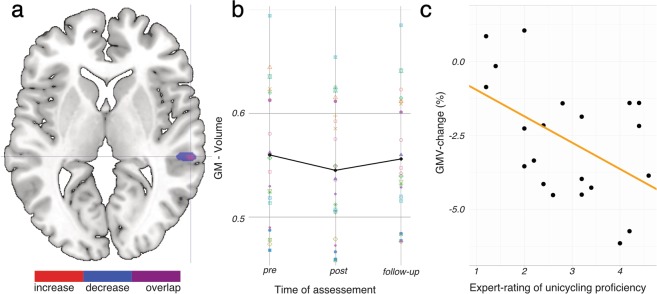
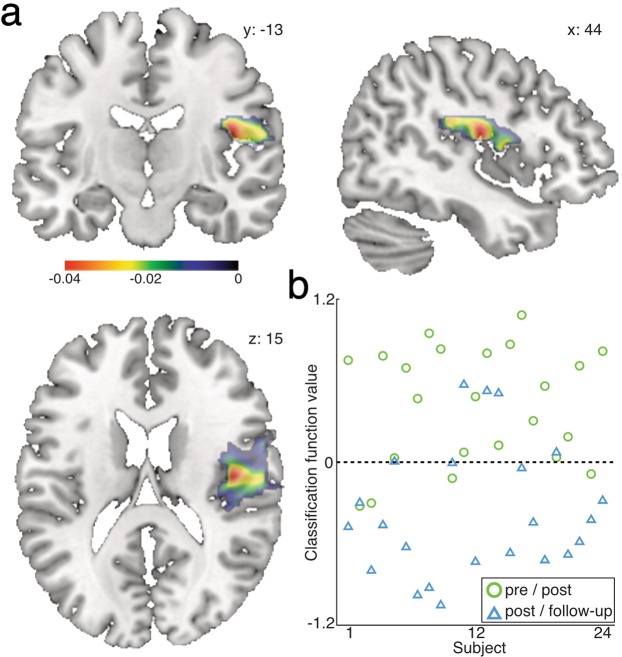
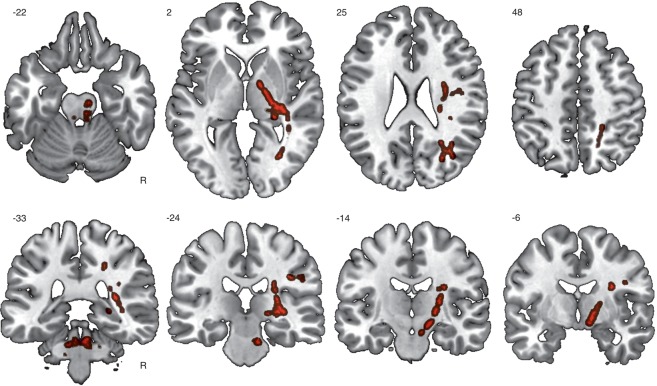
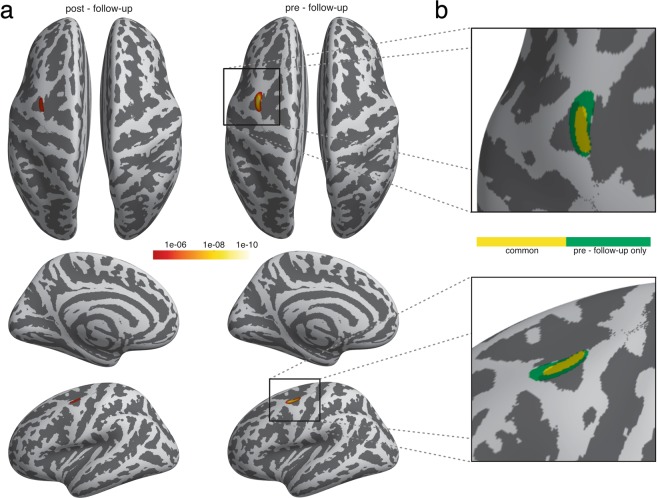
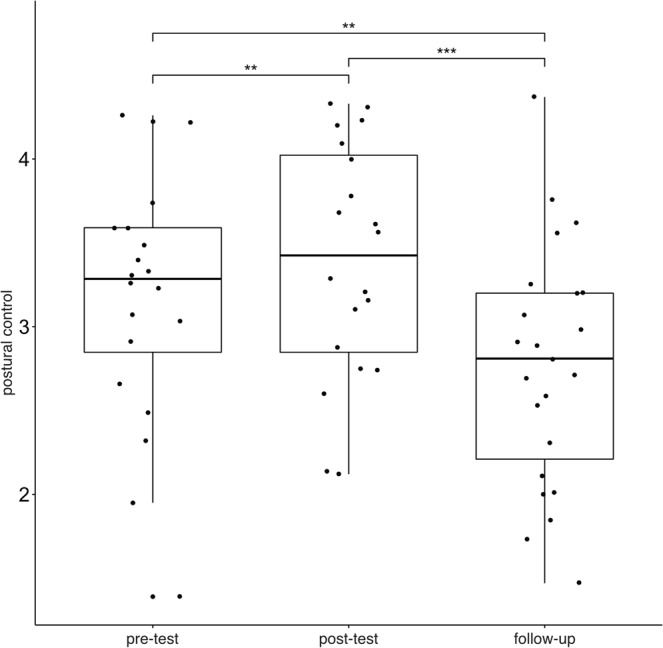
A three-week unicycling training was associated with (1) reductions of gray matter volume in regions closely linked to visuospatial processes such as spatial awareness, (2) increases in fractional anisotropy primarily in the right corticospinal tract and in the right forceps major of the corpus callosum, and (3) a slowly evolving increase in cortical thickness in the left motor cortex. Intriguingly, five weeks later, during which participants were no longer regularly engaged in unicycling, a re-increase in gray matter was found in the very same region of the rSTG. These changes in gray and white matter morphology were paralleled by increases in unicycling performance, and by improvements in postural control, which diminished until the follow-up assessments. Learning to ride a unicycle results in reorganization of different types of brain tissue facilitating more automated postural control, clearly demonstrating that learning a complex balance task modulates brain structure in manifold and highly dynamic ways.
(1)与视空间过程密切相关的区域的灰质体积减少,例如空间感知;(2)右侧皮质脊髓束和胼胝体右侧主要钳的各向异性分数增加,以及(3)左运动皮层的皮质厚度缓慢增加。有趣的是,五周后,参与者不再定期进行独轮车运动,在 rSTG 的同一区域发现了灰质的重新增加。这些灰质和白质形态的变化与独轮车运动表现的提高以及姿势控制的改善相平行,直到后续评估,这些改善才逐渐消失。学习骑独轮车导致不同类型的脑组织重组,从而促进更自动化的姿势控制,这清楚地表明,学习复杂的平衡任务以多种高度动态的方式调节大脑结构。