Leibniz Centre for Agricultural Landscape Research (ZALF), Eberswalder Str. 84, 15374, Müncheberg, Germany.
Department of Biology, Chemistry, Pharmacy, Institute of Biology, Freie Universität Berlin, Königin-Luise-Str. 1-3, 14195, Berlin, Germany.
Parasit Vectors. 2019 Mar 14;12(1):106. doi: 10.1186/s13071-019-3368-0.
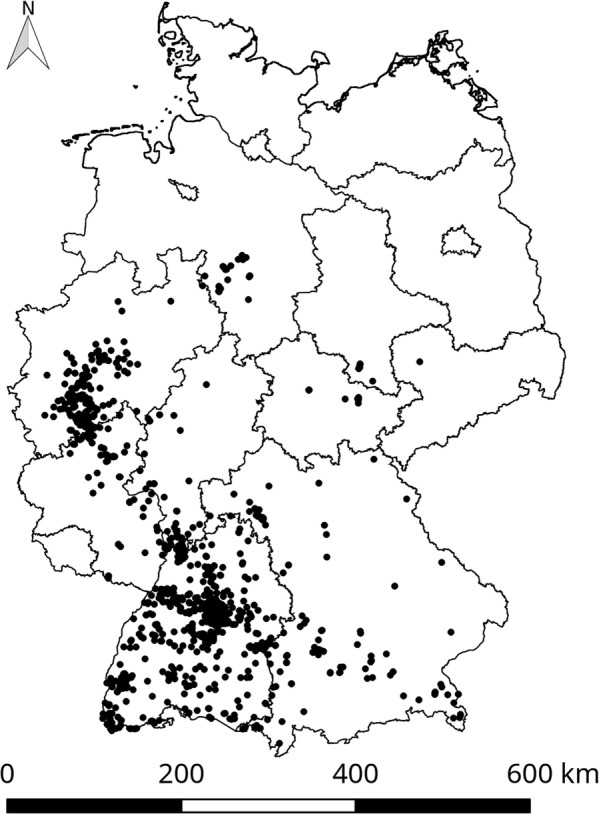
The Asian bush mosquito Aedes japonicus japonicus is an invasive species native to East Asia and has become established in North America and Europe. On both continents, the species has spread over wide areas. Since it is a potential vector of human and livestock pathogens, distribution and dissemination maps are urgently needed to implement targeted surveillance and control in case of disease outbreaks. Previous distribution models for Europe and Germany in particular focused on climate data. Until now, effects of other environmental variables such as land use and wind remained unconsidered.
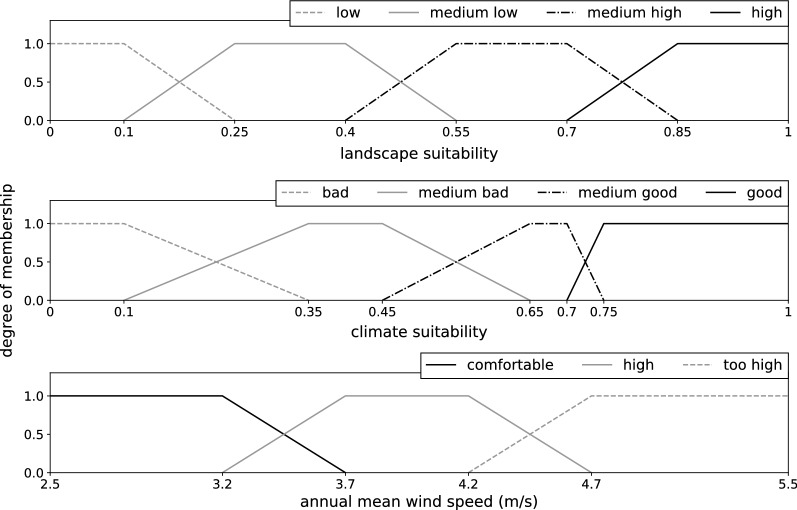
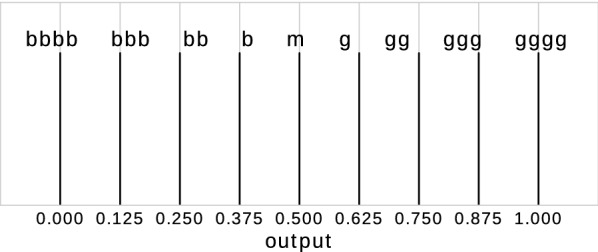
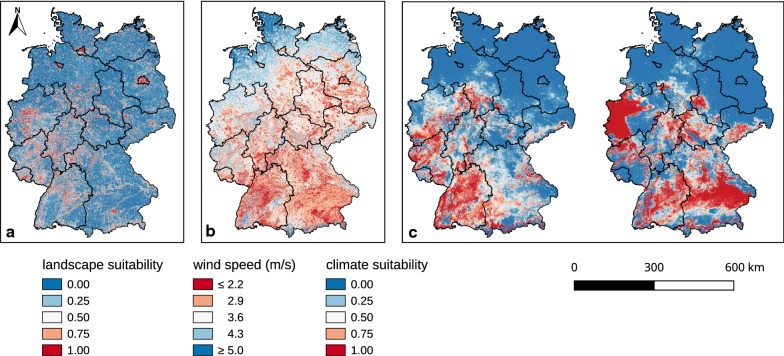
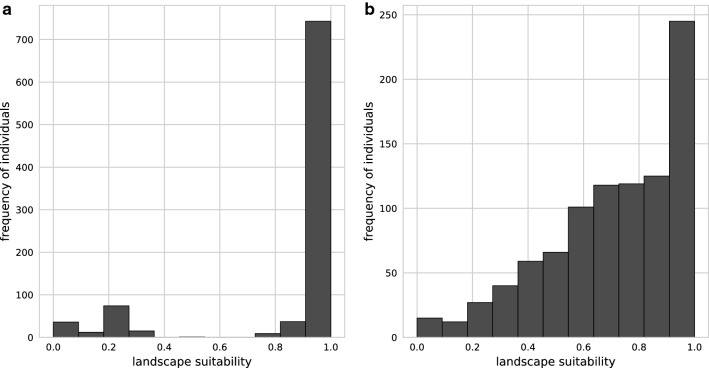
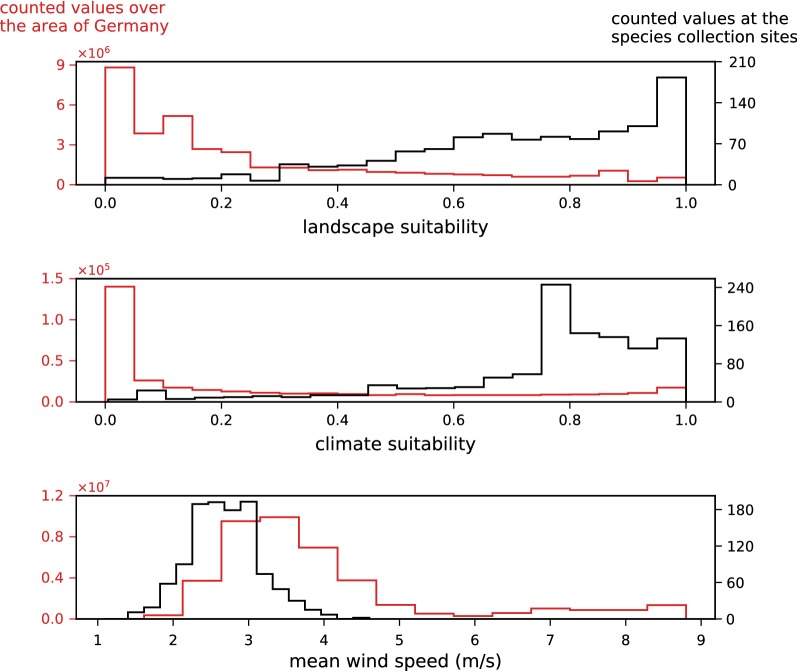
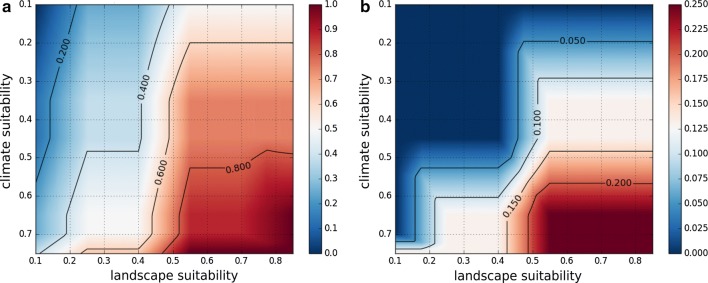
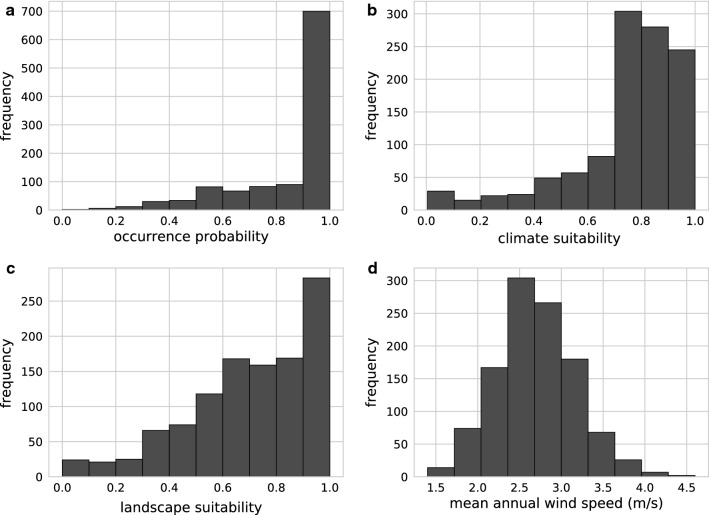
In order to better explain the distribution pattern of Ae. j. japonicus in Germany at a regional level, we have developed a nested approach that allows for the combination of data derived from (i) a climate model based on a machine-learning approach; (ii) a landscape model developed by means of ecological expert knowledge; and (iii) wind speed data. The approach is based on the fuzzy modelling technique that enables to precisely define the interactions between the three factors and additionally considers uncertainties with regard to the acceptance of certain environmental conditions. The model combines different spatial resolutions of data for Germany and achieves a much higher degree of accuracy than previous published distribution models. Our results reveal that a well-suited landscape structure can even facilitate the occurrence of Ae. j. japonicus in a climatically unsuitable region. Vice versa, unsuitable land use types such as agricultural landscapes and coniferous forests reduce the occurrence probability in climatically suitable regions.
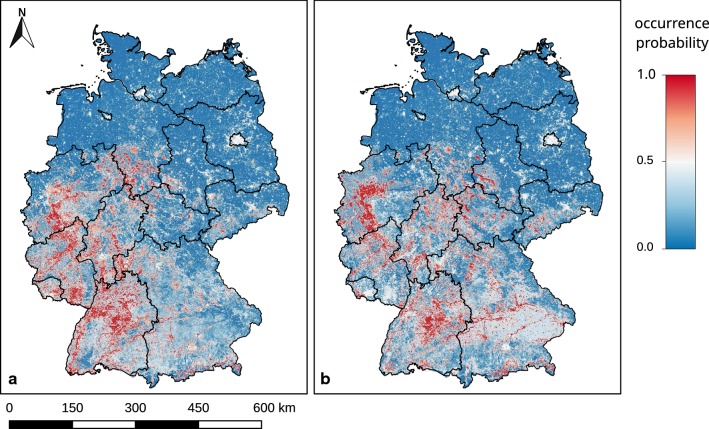
The approach has significantly improved existing distribution models of Ae. j. japonicus for the area of Germany. We generated distribution maps with a resolution of 100 × 100 m that can serve as a basis for the design of control measures. All model input data and scripts are open source and freely available, so that the model can easily be applied to other countries or, more generally, to other species.
亚洲丛林蚊(Aedes japonicus japonicus)是一种原产于东亚的入侵物种,已在北美洲和欧洲建立了种群。在这两个大洲,该物种已广泛传播。由于它是人类和牲畜病原体的潜在载体,因此需要紧急制作分布和传播地图,以便在发生疾病爆发时进行有针对性的监测和控制。以前针对欧洲和德国的分布模型特别侧重于气候数据。到目前为止,其他环境变量(如土地利用和风向)的影响仍未被考虑。
为了更好地解释亚洲丛林蚊在德国的区域分布模式,我们开发了一种嵌套方法,该方法允许将(i)基于机器学习方法的气候模型的数据;(ii)通过生态专家知识开发的景观模型的数据;以及(iii)风速数据结合在一起。该方法基于模糊建模技术,能够精确定义这三个因素之间的相互作用,并且还考虑了对某些环境条件的接受存在不确定性。该模型结合了德国不同空间分辨率的数据,其准确性远高于以前发布的分布模型。我们的结果表明,适宜的景观结构甚至可以促进在气候不适宜的地区发生亚洲丛林蚊。反之,不适合的土地利用类型(如农业景观和针叶林)会降低在气候适宜地区的发生概率。
该方法显著改进了德国地区亚洲丛林蚊的现有分布模型。我们生成了分辨率为 100×100 m 的分布地图,可作为设计控制措施的基础。所有模型输入数据和脚本均为开源且免费提供,因此该模型可以轻松应用于其他国家,或者更普遍地应用于其他物种。