Shi Wei, Dong Fang, Jiang Yujia, Lu Linlin, Wang Changwen, Tan Jie, Yang Wen, Guo Hui, Ming Jie, Huang Tao
Department of Breast and Thyroid Surgery, Union Hospital, Tongji Medical College, Huazhong University of Science and Technology, Wuhan 430022, China,
Onco Targets Ther. 2019 Mar 15;12:1979-2010. doi: 10.2147/OTT.S189265. eCollection 2019.
Despite the advances in early detection and treatment methods, breast cancer still has a high mortality rate, even in those patients predicted to have a good prognosis. The purpose of this study is to identify a microRNA signature that could better predict prognosis in breast cancer and add new insights to the current classification criteria.
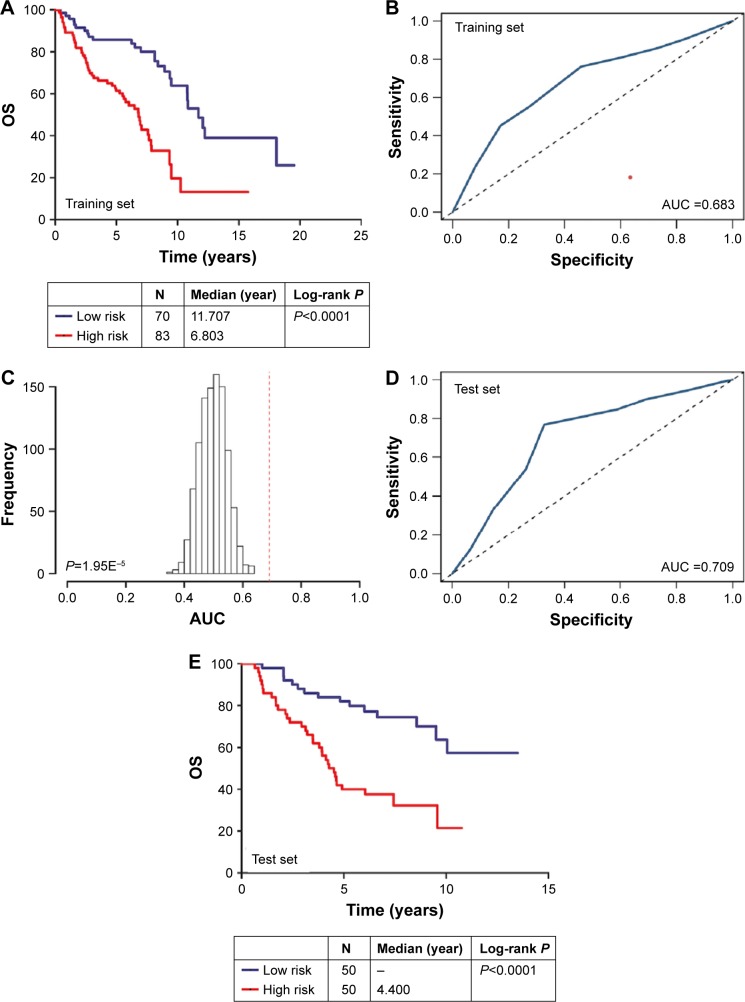
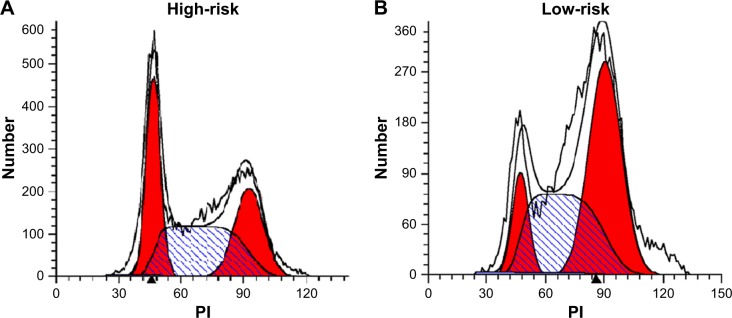
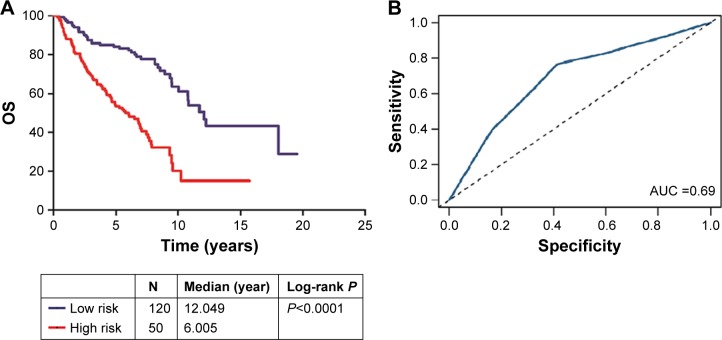
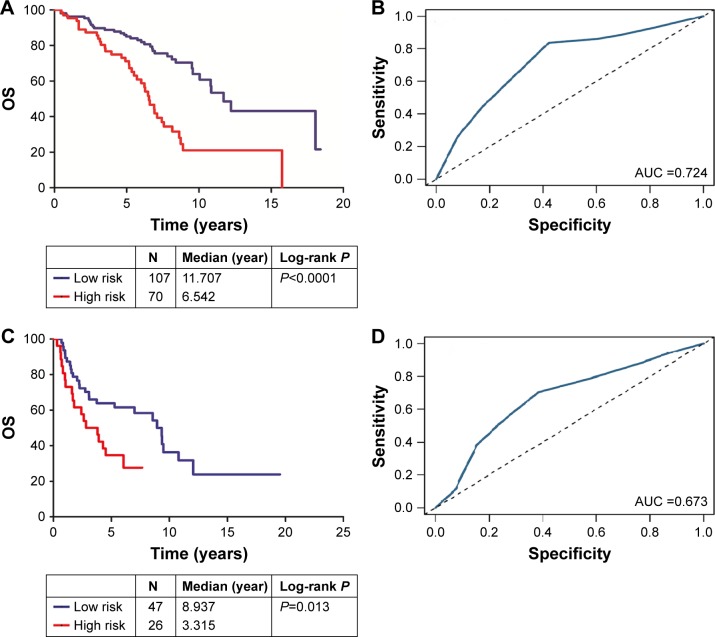
We downloaded microRNA sequencing data along with corresponding clinicopathological data from The Cancer Genome Atlas (TCGA). Of 1,098 breast cancer patients identified, 253 patients with fully characterized microRNA profiles were selected for analysis. A three-microRNA signature was generated in the training set. Subsequently, the performance of the signature was confirmed in a validation set. After construction of the signature, we conducted additional experiments, including flow cytometry and the Cell Counting Kit-8 assay, to illustrate the correlation of this microRNA signature with breast cancer cell cycle, apoptosis, and proliferation.
Three microRNAs (, , and ) were identified to be significantly and independently correlated with patient prognosis, and performed with good stability. Our results suggest that higher expression of indicated worse prognosis, while higher expression of and indicated better prognosis. Moreover, additional experiments confirmed that this microRNA signature was related to breast cancer cell cycle and proliferation.
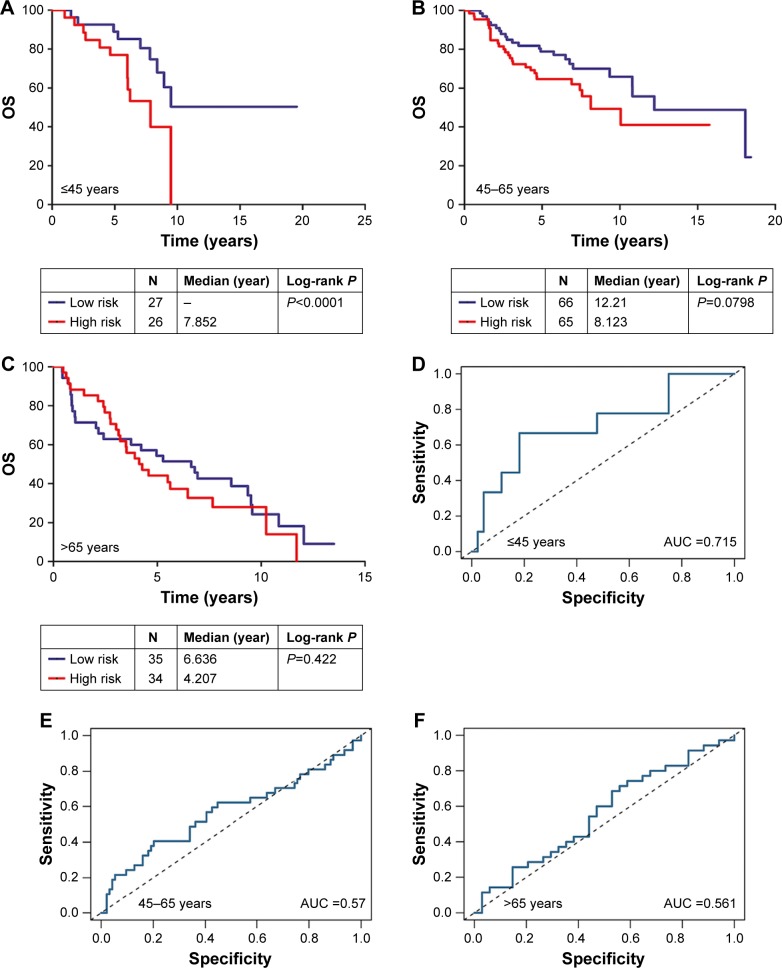
Our results indicate a three-microRNA signature that can accurately predict the prognosis of breast cancer, especially in basal-like and hormone receptor-positive breast cancer subtypes. We recommend more aggressive therapy and more frequent follow-up for high-risk groups.
尽管早期检测和治疗方法取得了进展,但乳腺癌的死亡率仍然很高,即使在那些预计预后良好的患者中也是如此。本研究的目的是确定一种微小RNA特征,该特征可以更好地预测乳腺癌的预后,并为当前的分类标准提供新的见解。
我们从癌症基因组图谱(TCGA)下载了微小RNA测序数据以及相应的临床病理数据。在1098例已识别的乳腺癌患者中,选择了253例具有完整特征的微小RNA谱的患者进行分析。在训练集中生成了一个三微小RNA特征。随后,在验证集中确认了该特征的性能。构建该特征后,我们进行了额外的实验,包括流式细胞术和细胞计数试剂盒-8检测,以阐明这种微小RNA特征与乳腺癌细胞周期、凋亡和增殖的相关性。
鉴定出三种微小RNA(、和)与患者预后显著且独立相关,并且具有良好的稳定性。我们的结果表明,的高表达表明预后较差,而和的高表达表明预后较好。此外,额外的实验证实这种微小RNA特征与乳腺癌细胞周期和增殖有关。
我们的结果表明一种三微小RNA特征可以准确预测乳腺癌的预后,尤其是在基底样和激素受体阳性乳腺癌亚型中。我们建议对高危人群采取更积极的治疗和更频繁的随访。