Khoo Hock Eng, Ng Hui Suan, Yap Wai-Sum, Goh Henri Ji Hang, Yim Hip Seng
Department of Nutrition and Dietetics, Faculty of Medicine and Health Sciences, Universiti Putra Malaysia, UPM Serdang 43400, Selangor, Malaysia.
Department of Food Science and Nutrition, Faculty of Applied Sciences, UCSI University, No. 1, Jalan Menara Gading, UCSI Heights, Kuala Lumpur 56000, Malaysia.
Antioxidants (Basel). 2019 Apr 2;8(4):85. doi: 10.3390/antiox8040085.
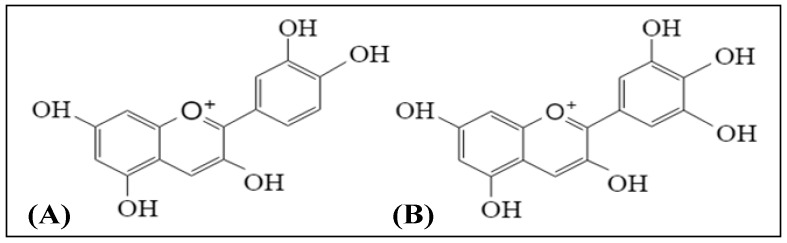
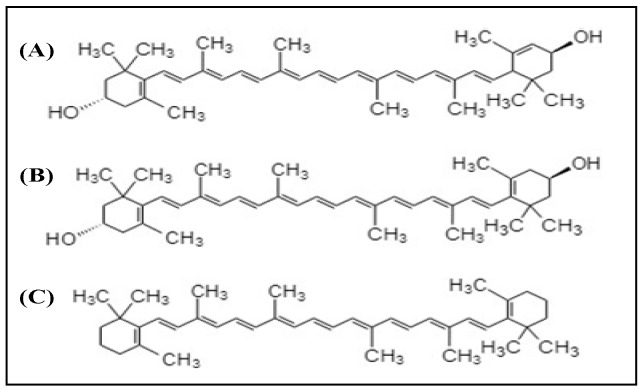
The risk of macular degeneration can be reduced through the consumption of antioxidant-rich foods, supplements, and nutraceutical formulas. This review focuses on the antioxidants, vitamins, and minerals that have been reported for reducing the risk of macular degeneration and other eye-related diseases. Antioxidants including anthocyanins, carotenoids, flavonoids, and vitamins have been shown to reduce the risk of eye-related diseases. Anthocyanins extracted from berries are powerful antioxidants. Cyanidin, delphinidin, malvidin, pelargonidin, peonidin, and petunidin are anthocyanin aglycones detected in berries, currants, and other colored fruits and vegetables. β-Carotene, as well as xanthophyll lutein and zeaxanthin, have been reported to reduce the risk of macular degeneration. Flavonoids from plants help in the prevention of eye-related diseases through anti-inflammatory mechanisms. A combination of these antioxidants, vitamins, and minerals possess a synergistic effect on the prevention or risk reduction of macular degeneration. Formulas have been developed as dietary supplements to cater to the high demand from consumers and patients with eye problems. Many of the formulated dietary supplements that are sold in the market have been clinically proven for their efficacy to treat eye diseases. Although the bioactivities in the supplement capsules or tablets have been scientifically established for reducing risks of several diseases, which include macular degeneration and other eye-related diseases, knowledge on the right dosage, efficacy, and bioavailability of antioxidants, vitamins, and minerals is important for consumers. The information may help them make the best decision in choosing the right dietary supplements and nutraceuticals following the evidence-based recommended dosages and reference intakes for improving general health and preventing eye-related diseases. This review covers the potential causal factors involved in eye diseases, clinically proven treatments, and controversial findings on the antioxidants in the prevention of macular degeneration. Future studies should consider multiethnic and multicenter trials for eliminating potential bias in research.
通过食用富含抗氧化剂的食物、补充剂和营养配方产品,可以降低黄斑变性的风险。本综述重点关注那些据报道可降低黄斑变性及其他眼部相关疾病风险的抗氧化剂、维生素和矿物质。包括花青素、类胡萝卜素、黄酮类化合物和维生素在内的抗氧化剂已被证明可降低眼部相关疾病的风险。从浆果中提取的花青素是强大的抗氧化剂。矢车菊素、飞燕草素、锦葵色素、天竺葵色素、芍药色素和矮牵牛色素是在浆果、醋栗及其他有色水果和蔬菜中检测到的花青素苷元。据报道,β-胡萝卜素以及叶黄素和玉米黄质可降低黄斑变性的风险。植物中的黄酮类化合物通过抗炎机制有助于预防眼部相关疾病。这些抗氧化剂、维生素和矿物质的组合对预防黄斑变性或降低其风险具有协同作用。已开发出配方产品作为膳食补充剂,以满足消费者和有眼部问题患者的高需求。市场上销售的许多配方膳食补充剂已在临床上证明其对治疗眼部疾病的功效。尽管补充剂胶囊或片剂中的生物活性已通过科学方法确定可降低包括黄斑变性和其他眼部相关疾病在内的多种疾病的风险,但了解抗氧化剂、维生素和矿物质的正确剂量、功效和生物利用度对消费者很重要。这些信息可能有助于他们根据基于证据的推荐剂量和参考摄入量,在选择合适的膳食补充剂和营养产品时做出最佳决策,以改善整体健康状况并预防眼部相关疾病。本综述涵盖了眼部疾病的潜在因果因素、经临床验证的治疗方法以及抗氧化剂在预防黄斑变性方面的争议性发现。未来的研究应考虑进行多民族和多中心试验,以消除研究中的潜在偏差。