Department of Neurology, The Second Hospital of Tianjin Medical University, Tianjin, 300211, China.
Department of Neurology, Tianjin Huanhu Hospital, Tianjin, China.
J Neurol. 2019 Jun;266(6):1449-1458. doi: 10.1007/s00415-019-09281-5. Epub 2019 Apr 15.
The overall global burden of stroke is considerable and increasing. In China, stroke is the leading cause of death and disability.
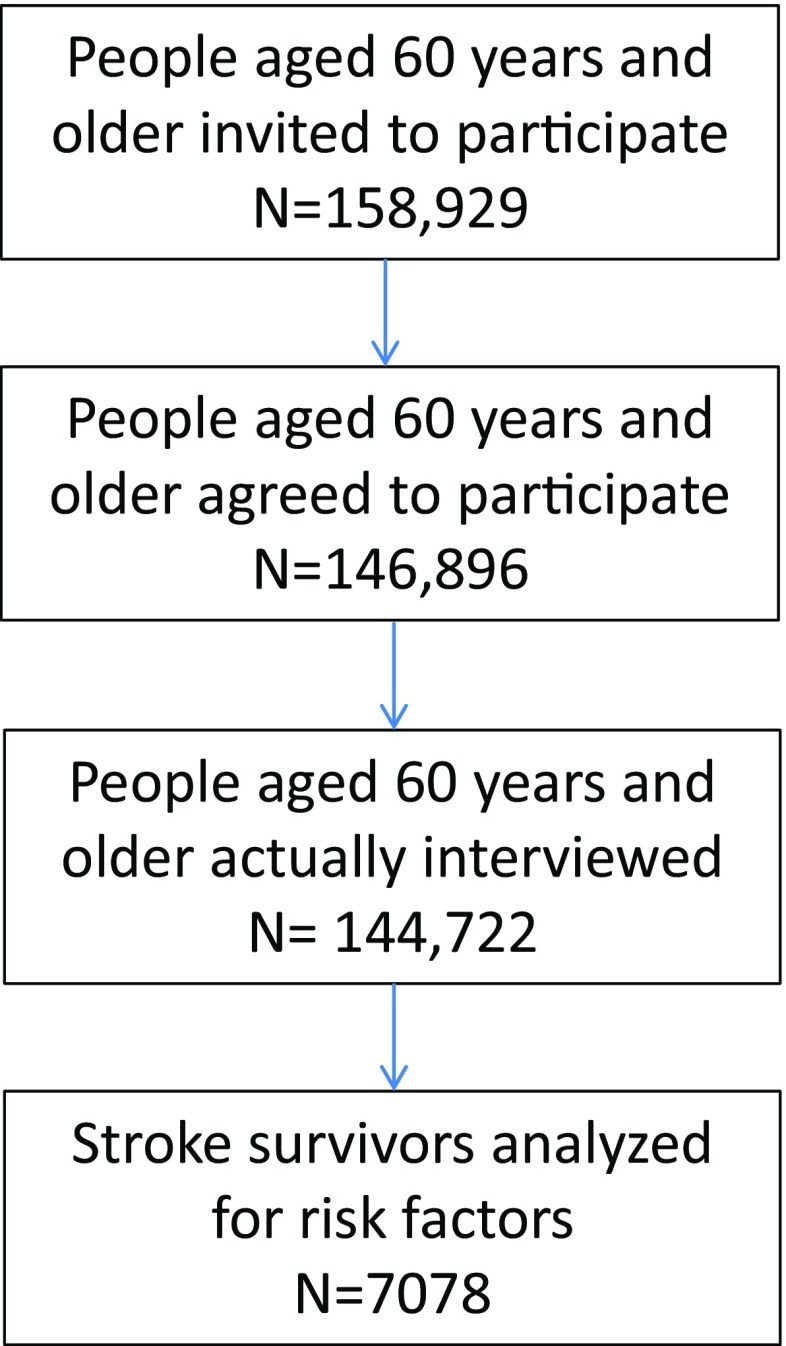
For this study, we used data from the National Stroke Screening Survey in 2012 and the 2010 Chinese population from sixth National Census of Populations to calculate a standardized (by age, gender, and education) stroke prevalence. Prevalence, risk factors, and management of stroke were compared by gender, age, and site.
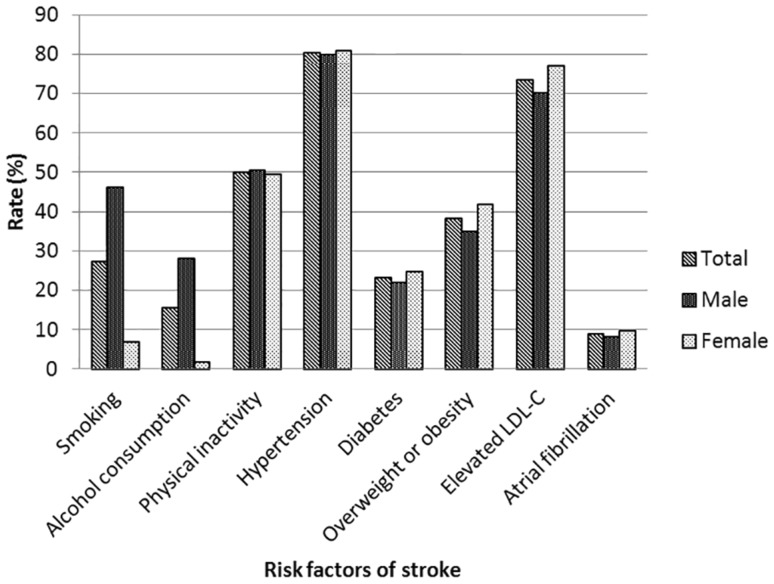
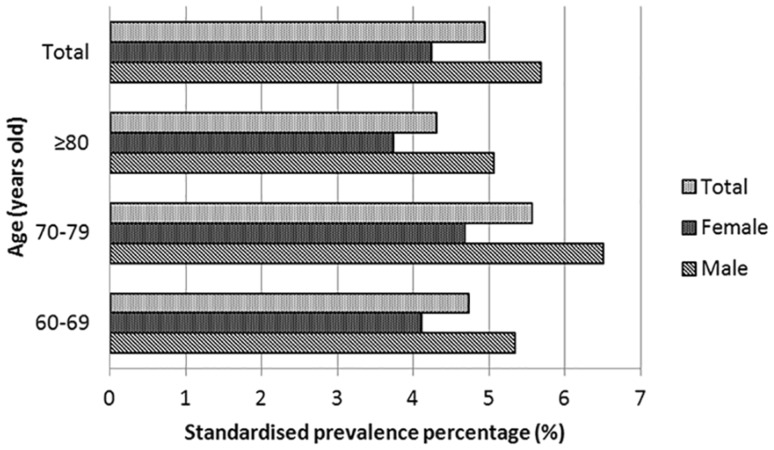
The standardized prevalence rate of survival stroke patients in study population aged 60 and older was 4.94% in total. Hypertension was the most prevalent risk factor for stroke. Compared to men, women were more likely to have diabetes, obesity, elevated low-density lipoprotein cholesterol (LDL-C), and atrial fibrillation (P < 0.05). Men were far more likely to drink and smoke than women (P < 0.05). The rates of diabetes and atrial fibrillation were substantially higher in urban than those in rural stroke survivors (P < 0.05). Rural stroke survivors exhibited higher rates of smoking and alcohol consumption than urban stroke survivors (P < 0.05).
The stroke prevalence in China is in line with median worldwide stroke prevalence. Traditional risk factors remain highly prevalent in stroke survivors, among which hypertension was the most common. Stroke prevalence rates and risk factors varied by age, sex, and sociogeological factors.
全球范围内的中风负担巨大且呈上升趋势。在中国,中风是导致死亡和残疾的首要原因。
本研究使用了 2012 年全国中风筛查调查和 2010 年中国第六次全国人口普查的人口数据,计算了标准化(按年龄、性别和教育程度)的中风患病率。比较了性别、年龄和发病部位对中风患病率、危险因素和管理的影响。
在研究人群中,年龄在 60 岁及以上的存活中风患者的标准化患病率为 4.94%。高血压是中风最常见的危险因素。与男性相比,女性更易患糖尿病、肥胖症、低密度脂蛋白胆固醇(LDL-C)升高和心房颤动(P<0.05)。男性饮酒和吸烟的比例远高于女性(P<0.05)。城市中风幸存者的糖尿病和心房颤动发病率明显高于农村(P<0.05)。农村中风幸存者的吸烟和饮酒率高于城市中风幸存者(P<0.05)。
中国的中风患病率与全球中风患病率中位数相符。传统的危险因素在中风幸存者中仍然高度流行,其中高血压最为常见。中风的患病率和危险因素因年龄、性别和社会地理因素而异。