The 1st Department (Analytical Chemistry), Faculty of Pharmacy, "Victor Babes" University of Medicine and Pharmacy, Timisoara, Romania.
The 2nd Department (Genetics), Faculty of Medicine, "Victor Babes" University of Medicine and Pharmacy, Timisoara, Romania.
Int J Nanomedicine. 2019 May 21;14:3691-3703. doi: 10.2147/IJN.S202049. eCollection 2019.
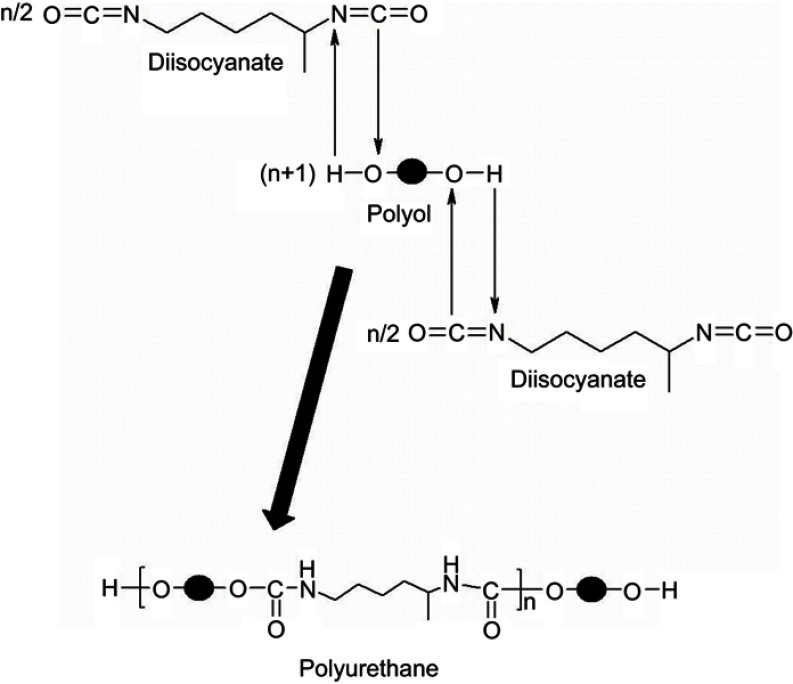
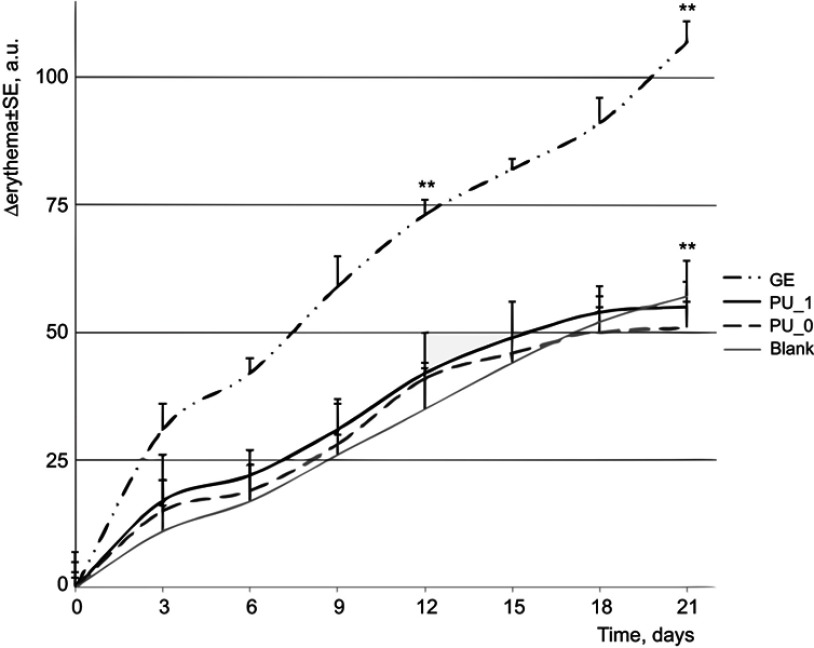
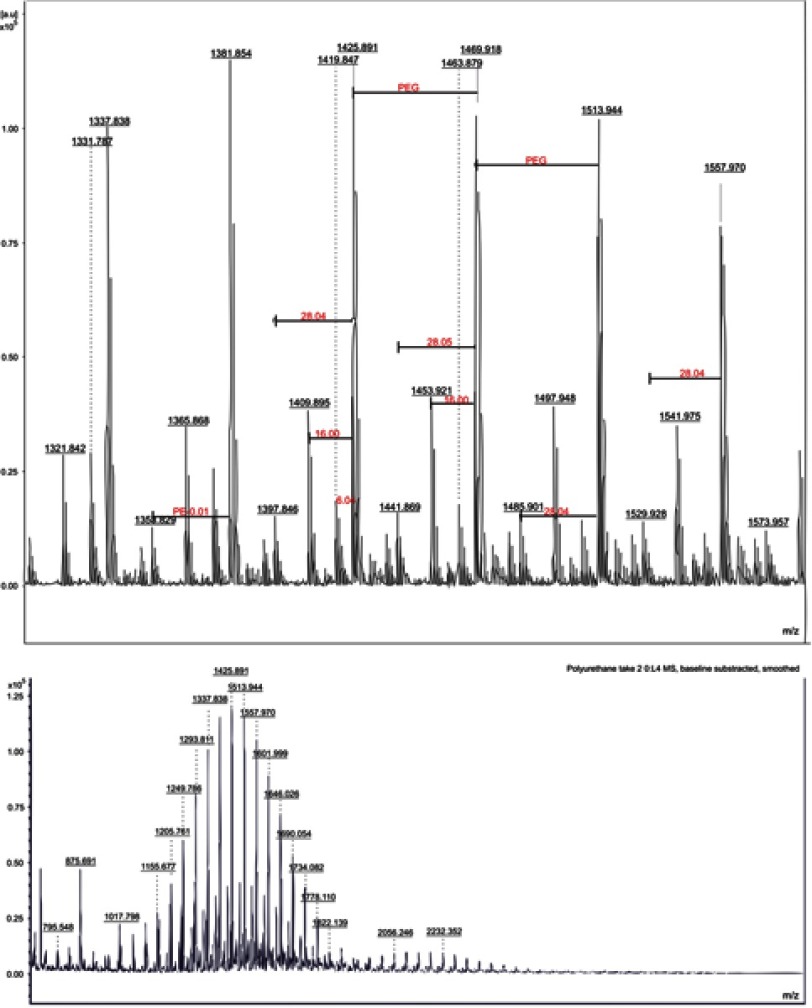
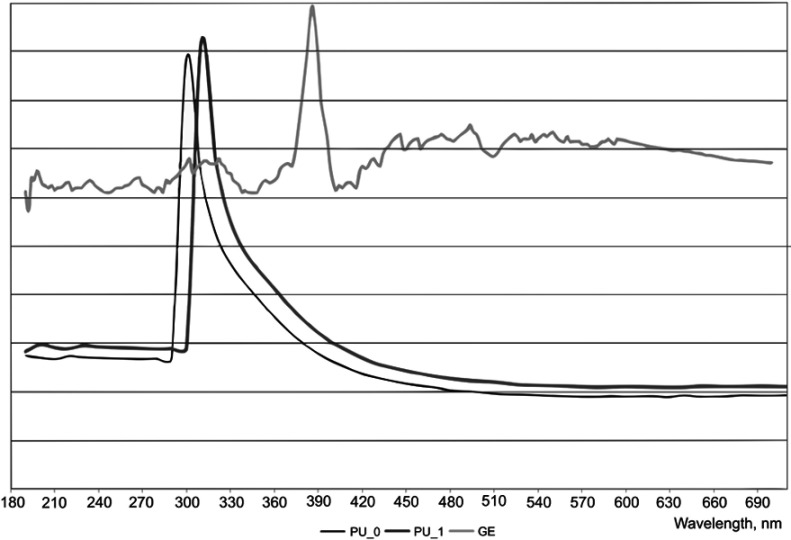
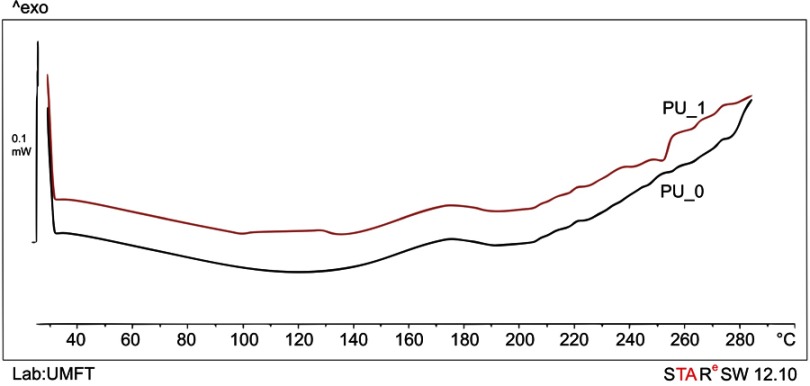
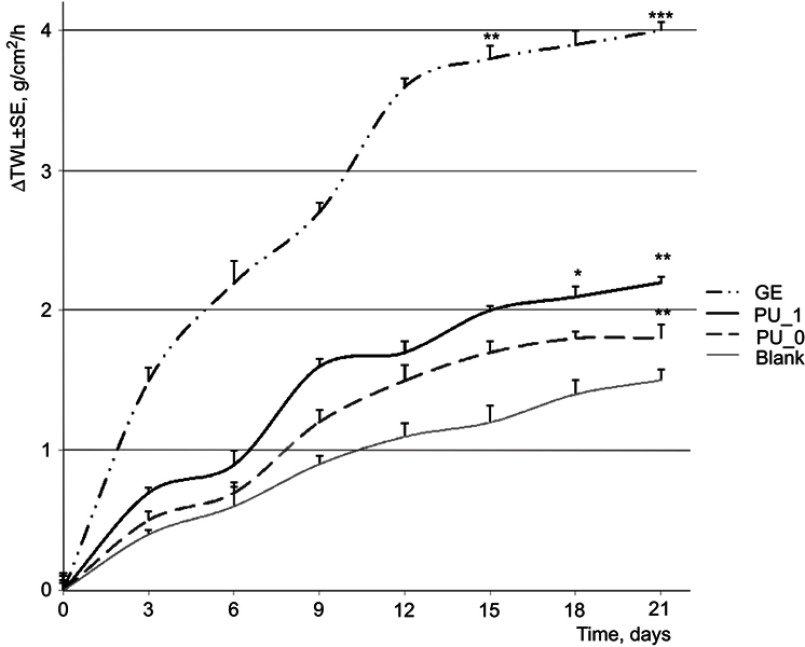
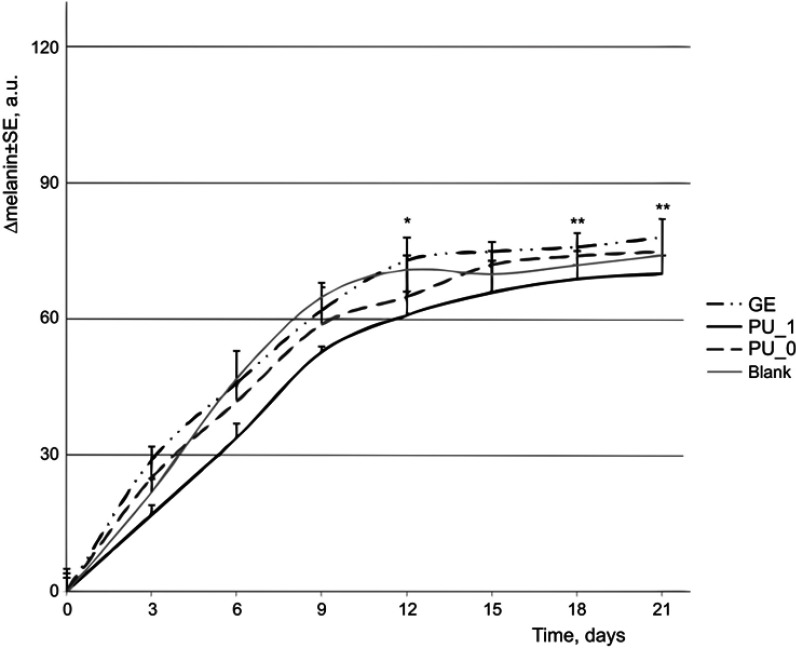
The extract of ginger, obtained from the rhizome of , contains 6-gingerol, 6-shogaol, 8-gingerol, and 10-gingerol. It has many therapeutic effects such as being chemopreventive against stroke and heart diseases, malabsorption, bacterial infections, indigestion, and nausea, which have been observed since ancient times. The main aim of this study is to evaluate the polyurethane (PU) as a proper material for the hollow nanoparticles' preparation. The PU nanoparticles were obtained by a spontaneous emulsification, in the presence of a nonionic surfactant, combined with an interfacial polyaddition process between an aliphatic diisocyanate and different mixtures of etheric and esteric polyols. The synthesis was done without any PU additives, such as catalysts, blowing agents, chains promoters, cross-linking agents, and stabilizers. The particles present almost neutral pH values and low water solubility. They are heat resistant up to 280°C. Decreased irritation level was found in the assay of PU nanoparticles loaded with pure ginger extract (GE) on the murine skin tests than the irritation level recorded for pure GE. This research shows the reduced noxiousness of these PU nanoparticles and consequently the possibility of their use as a possible cardiovascular protector.
生姜提取物来源于 姜的根茎,含有 6-姜酚、6-姜烯酚、8-姜酚和 10-姜酚。自古以来,生姜就有许多治疗作用,如预防中风和心脏病、吸收不良、细菌感染、消化不良和恶心。本研究的主要目的是评估聚氨酯 (PU) 作为空心纳米粒子制备的合适材料。PU 纳米粒子是通过自发乳化,在非离子表面活性剂存在下,与脂肪族二异氰酸酯和醚和酯混合的不同混合物之间的界面聚加成反应而获得的。合成过程中没有添加任何 PU 添加剂,如催化剂、发泡剂、扩链剂、交联剂和稳定剂。这些粒子的 pH 值接近中性,水溶性低。它们可耐高达 280°C 的高温。与纯姜提取物 (GE) 的刺激性记录相比,在小鼠皮肤试验中负载纯 GE 的 PU 纳米粒子的测试中发现刺激水平降低。这项研究表明这些 PU 纳米粒子的毒性降低,因此有可能将其用作心血管保护剂。