Omar Nur Alia Sheh, Fen Yap Wing, Saleviter Silvan, Daniyal Wan Mohd Ebtisyam Mustaqim Mohd, Anas Nur Ain Asyiqin, Ramdzan Nur Syahira Md, Roshidi Mohammad Danial Aizad
Institute of Advanced Technology, Universiti Putra Malaysia, UPM Serdang, 43400 Selangor, Malaysia.
Faculty of Science, Universiti Putra Malaysia, UPM Serdang, 43400 Selangor, Malaysia.
Materials (Basel). 2019 Jun 14;12(12):1928. doi: 10.3390/ma12121928.
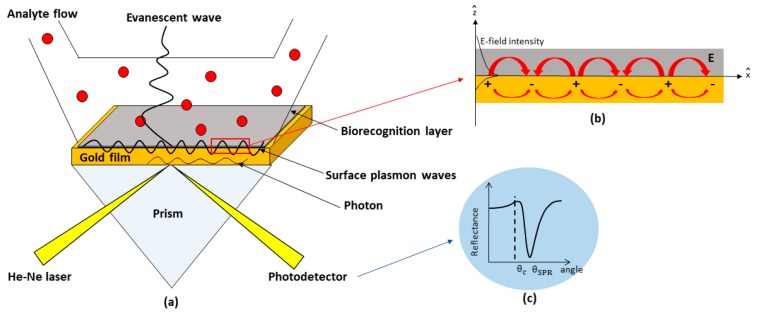
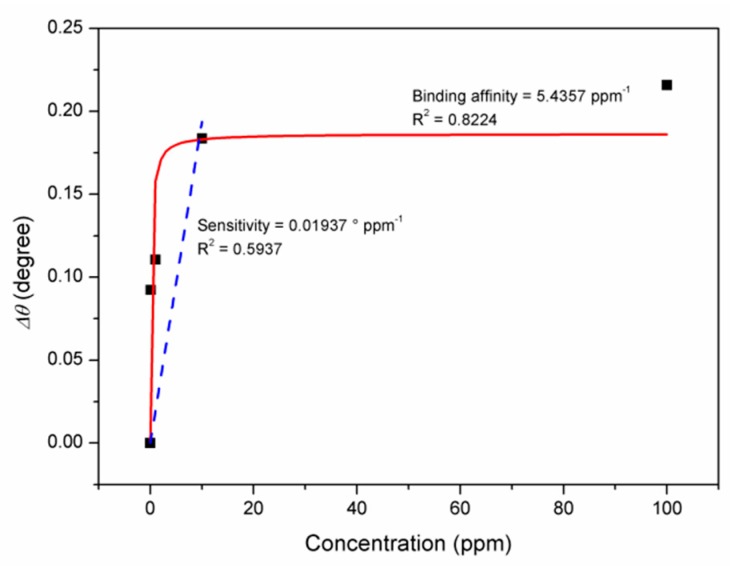
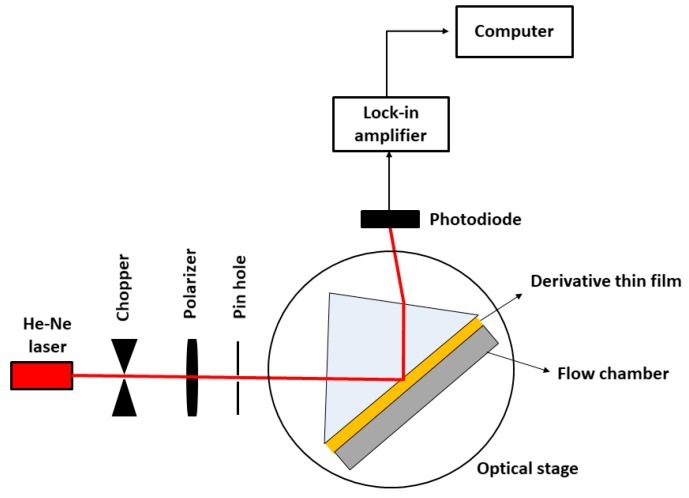
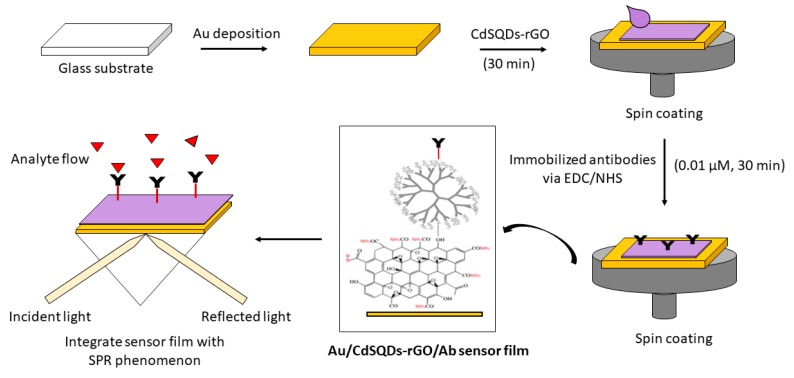
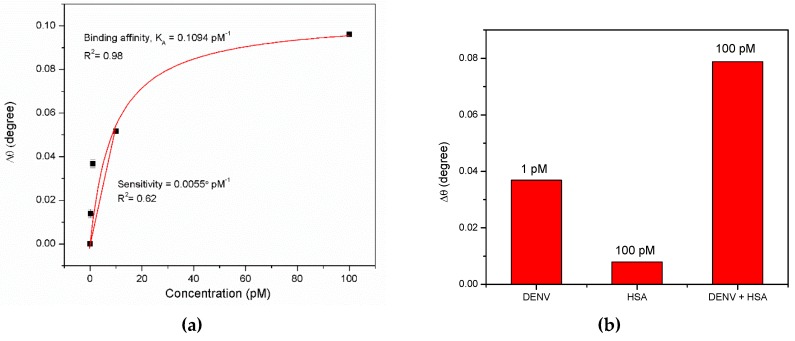
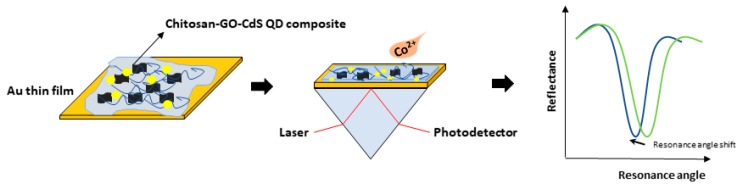
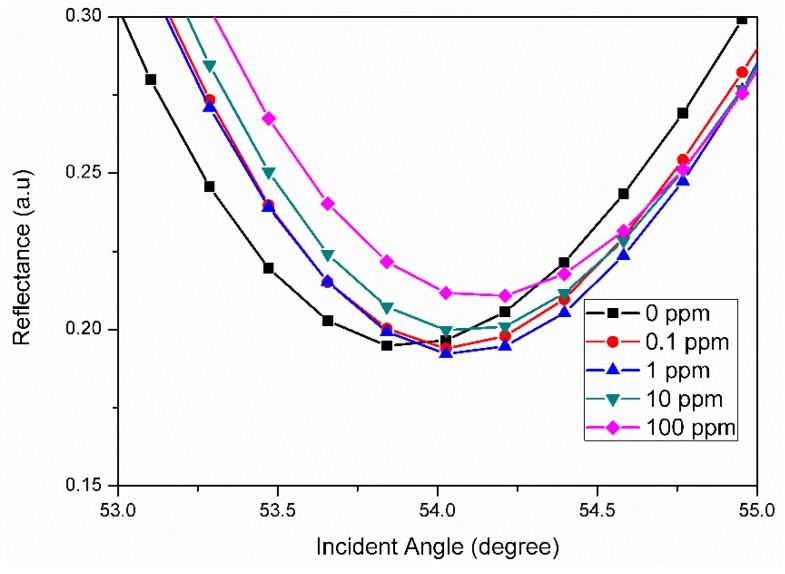
The emergence of unintentional poisoning and uncontrolled vector diseases have contributed to sensor technologies development, leading to the more effective detection of diseases. In this study, we present the combination of graphene-based material with surface plasmon resonance technique. Two different graphene-based material sensor chips were prepared for rapid and quantitative detection of dengue virus (DENV) and cobalt ion (Co) as an example of typical metal ions. As the fundamental concept of surface plasmon resonance (SPR) sensor that relies on the refractive index of the sensor chip surface, this research focused on the SPR signal when the DENV and Co interact with the graphene-based material sensor chip. The results demonstrated that the proposed sensor-based graphene layer was able to detect DENV and Co as low as 0.1 pM and 0.1 ppm respectively. Further details in the detection and quantification of analyte were also discussed in terms of sensitivity, affinity, and selectivity of the sensor.
意外中毒和媒介传播疾病的出现推动了传感器技术的发展,从而实现了对疾病更有效的检测。在本研究中,我们展示了基于石墨烯的材料与表面等离子体共振技术的结合。制备了两种不同的基于石墨烯的材料传感器芯片,以登革热病毒(DENV)和钴离子(Co)作为典型金属离子的示例进行快速定量检测。作为依赖于传感器芯片表面折射率的表面等离子体共振(SPR)传感器的基本概念,本研究聚焦于DENV和Co与基于石墨烯的材料传感器芯片相互作用时的SPR信号。结果表明,所提出的基于石墨烯层的传感器能够分别检测低至0.1 pM的DENV和0.1 ppm的Co。还从传感器的灵敏度、亲和力和选择性方面讨论了分析物检测和定量的更多细节。