Medical Research Council Laboratory of Molecular Biology, Cambridge, UK.
Department of Respiratory, Inflammation and Autoimmunity, AstraZeneca, Cambridge, UK.
J Exp Med. 2019 Sep 2;216(9):1999-2009. doi: 10.1084/jem.20190689. Epub 2019 Jun 27.
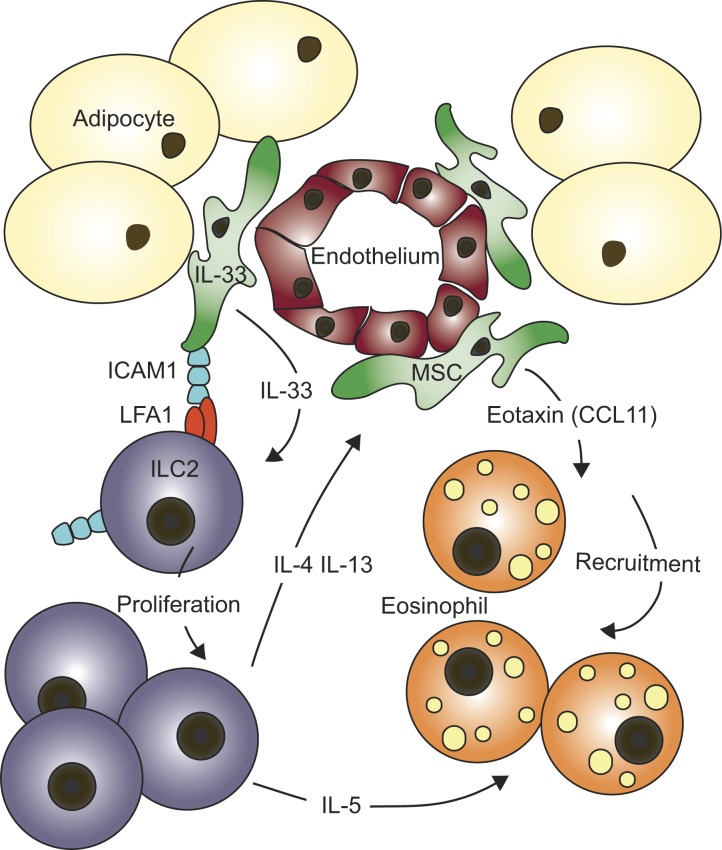
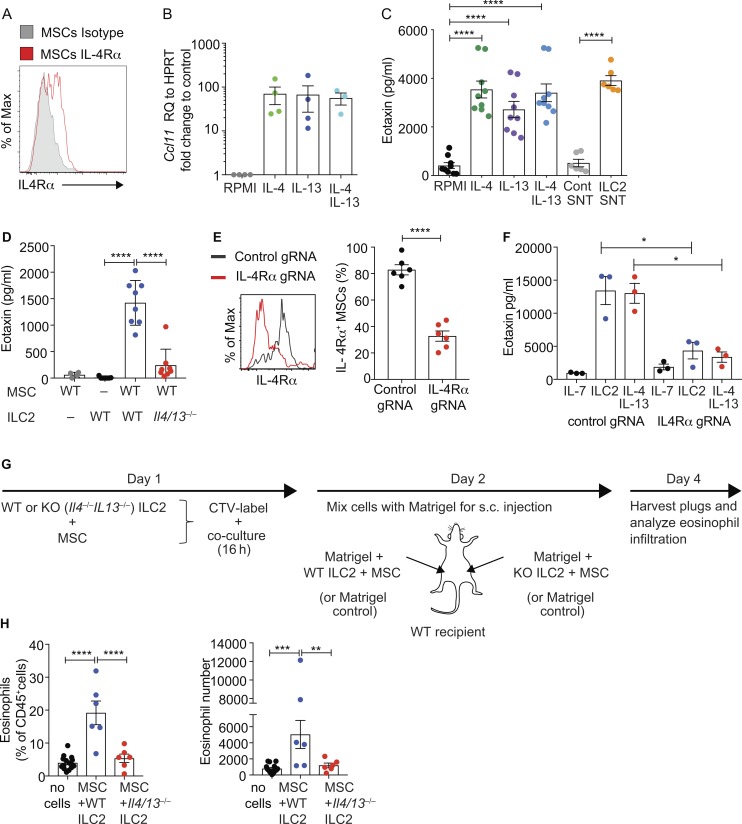
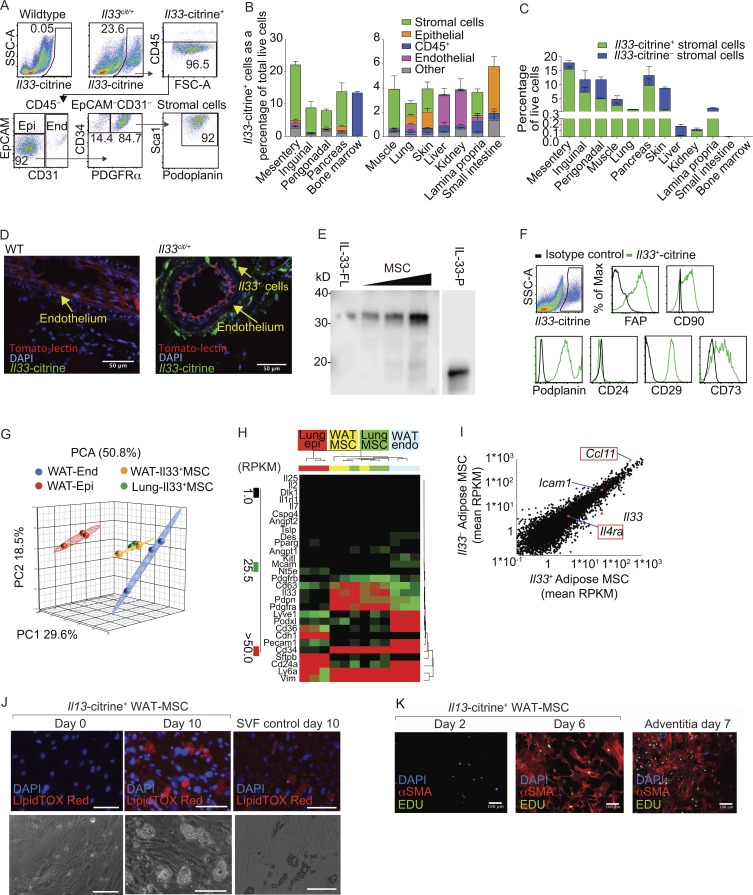
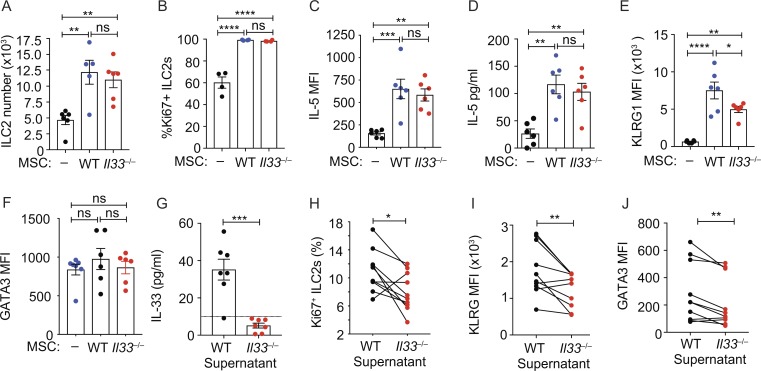
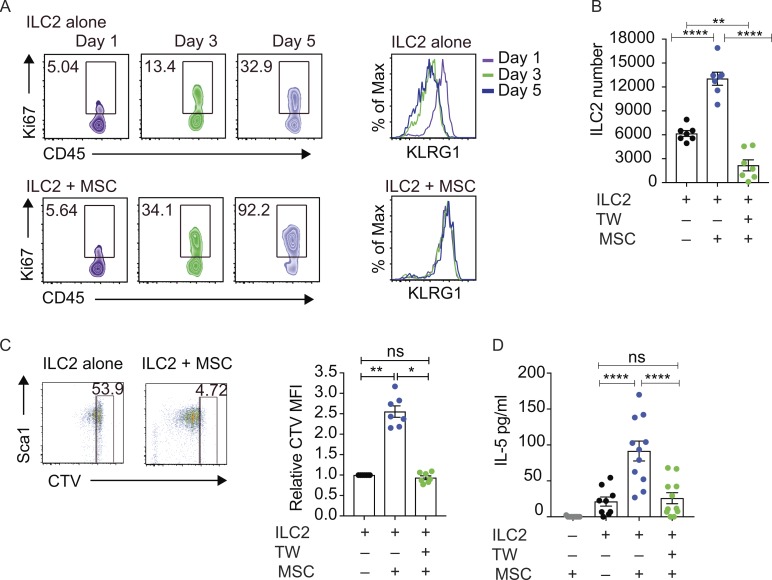
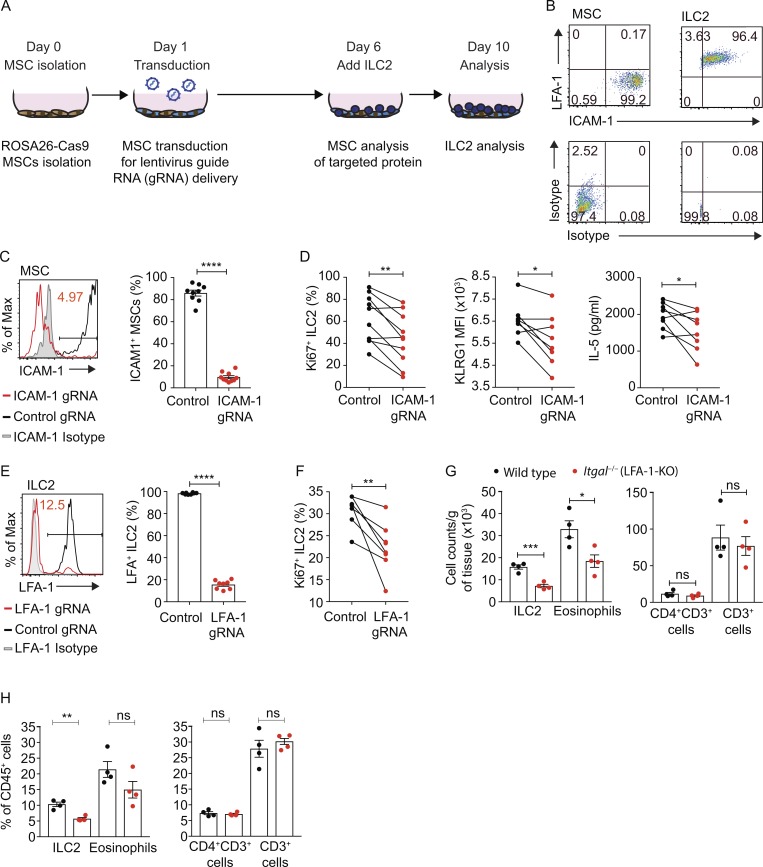
Group-2 innate lymphoid cells (ILC2), type-2 cytokines, and eosinophils have all been implicated in sustaining adipose tissue homeostasis. However, the interplay between the stroma and adipose-resident immune cells is less well understood. We identify that white adipose tissue-resident multipotent stromal cells (WAT-MSCs) can act as a reservoir for IL-33, especially after cell stress, but also provide additional signals for sustaining ILC2. Indeed, we demonstrate that WAT-MSCs also support ICAM-1-mediated proliferation and activation of LFA-1-expressing ILC2s. Consequently, ILC2-derived IL-4 and IL-13 feed back to induce eotaxin secretion from WAT-MSCs, supporting eosinophil recruitment. Thus, MSCs provide a niche for multifaceted dialogue with ILC2 to sustain a type-2 immune environment in WAT.
2 型固有淋巴细胞(ILC2)、2 型细胞因子和嗜酸性粒细胞都被认为在维持脂肪组织稳态中发挥作用。然而,基质与脂肪组织驻留免疫细胞之间的相互作用还不太清楚。我们发现,白色脂肪组织驻留多能基质细胞(WAT-MSCs)可以作为 IL-33 的储存库,尤其是在细胞应激后,但也为维持 ILC2 提供了额外的信号。事实上,我们证明 WAT-MSCs 还支持 ICAM-1 介导的增殖和表达 LFA-1 的 ILC2 的激活。因此,ILC2 衍生的 IL-4 和 IL-13 反馈诱导 WAT-MSCs 分泌 eotaxin,支持嗜酸性粒细胞的募集。因此,MSCs 为 ILC2 提供了一个多方面对话的小生境,以维持 WAT 中的 2 型免疫环境。