Seroogy Christine M, VanWormer Jeffrey J, Olson Brent F, Evans Michael D, Johnson Tara, Cole Deanna, Barnes Kathrine L, Koepel Tamara Kronenwetter, Dresen Amy, Meece Jennifer, Gangnon Ronald E, Keifer Matthew C, Bendixsen Casper G, Gern James E
University of Wisconsin School of Medicine and Public Health, Madison, WI, USA.
Division of Allergy, Immunology & Rheumatology, Department of Pediatrics, University of Wisconsin School of Medicine and Public Health, 1111 Highland Avenue, 4139 WIMR, Madison, WI, 53705-2275, USA.
BMC Res Notes. 2019 Jul 16;12(1):423. doi: 10.1186/s13104-019-4448-0.
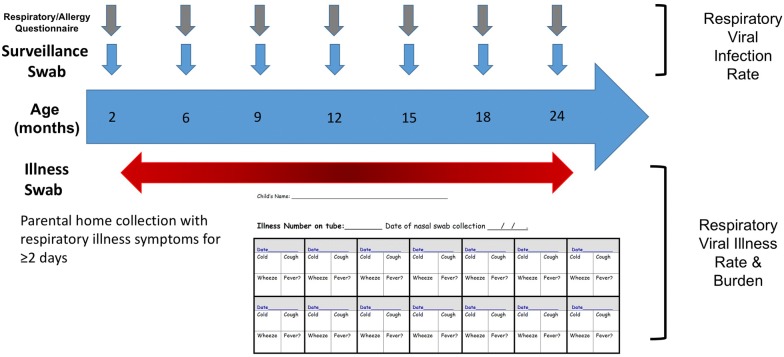
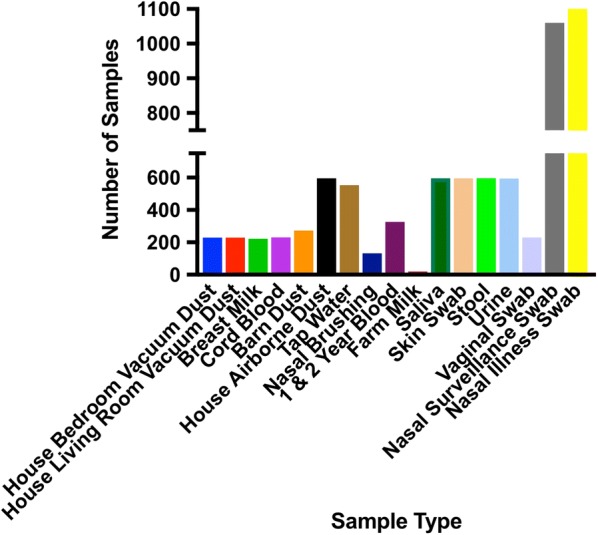
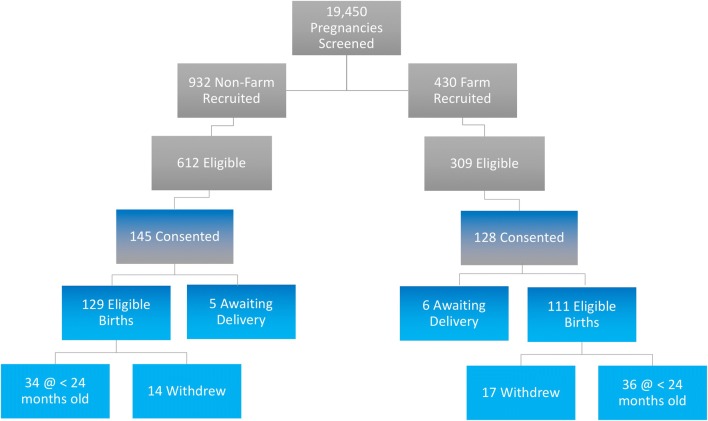
Epidemiologic and cross-sectional studies suggest that early life farming and animal exposures are associated with major health benefits, influencing immune development and modifying the subsequent risk of allergic diseases, including asthma. The Wisconsin Infant Study Cohort (WISC) study was established in central Wisconsin to test the hypothesis that early life animal farm exposures are associated with distinct innate immune cell maturation trajectories, decreased allergen sensitization and reduced respiratory viral illness burden during the first 2 years of life. Beginning in 2013, a total of 240 families have been enrolled, 16,522 biospecimens have been collected, and 4098 questionnaires have been administered and entered into a secure database. Study endpoints include nasal respiratory virus identification and respiratory illness burden score, allergic sensitization, expression of allergic disease, and anti-viral immune response maturation and profiles. The WISC study prospective design, broad biospecimen collections, and unique US rural community will provide insights into the role of environmental exposures on early life immune maturation profiles associated with protection from allergic sensitization and significant respiratory viral disease burden. The WISC study findings will ultimately inform development of new strategies to promote resistance to severe respiratory viral illnesses and design primary prevention approaches for allergic diseases for all infants.
流行病学和横断面研究表明,早年接触农业和动物对健康有诸多益处,会影响免疫发育,并改变包括哮喘在内的过敏性疾病的后续发病风险。威斯康星婴儿研究队列(WISC)研究在威斯康星州中部开展,旨在验证以下假设:早年接触动物养殖场与独特的固有免疫细胞成熟轨迹、过敏原致敏率降低以及生命最初2年呼吸道病毒疾病负担减轻有关。自2013年起,共招募了240个家庭,收集了16522份生物样本,并发放了4098份问卷,这些问卷已录入安全数据库。研究终点包括鼻腔呼吸道病毒鉴定和呼吸道疾病负担评分、过敏致敏、过敏性疾病表现以及抗病毒免疫反应成熟情况和特征。WISC研究的前瞻性设计、广泛的生物样本收集以及美国独特的农村社区,将有助于深入了解环境暴露在早期生命免疫成熟特征中的作用,这些特征与预防过敏致敏和显著的呼吸道病毒疾病负担相关。WISC研究结果最终将为制定新策略提供依据,以增强对严重呼吸道病毒疾病的抵抗力,并为所有婴儿设计过敏性疾病的一级预防方法。