Department of Physiology and Biophysics, Jacobs School of Medicine and Biomedical Sciences, University at Buffalo, Buffalo, NY, United States of America.
PLoS One. 2019 Jul 17;14(7):e0219822. doi: 10.1371/journal.pone.0219822. eCollection 2019.
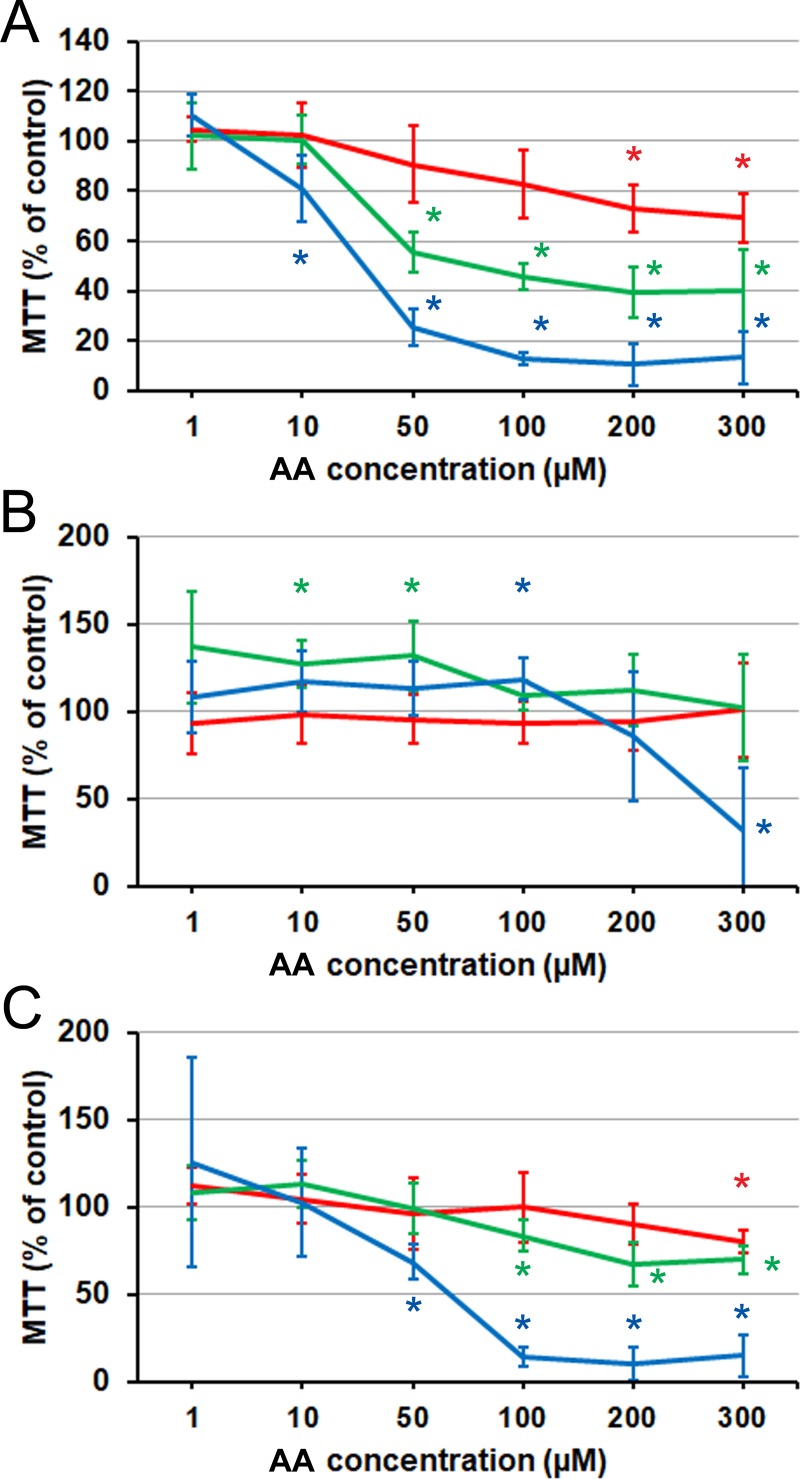
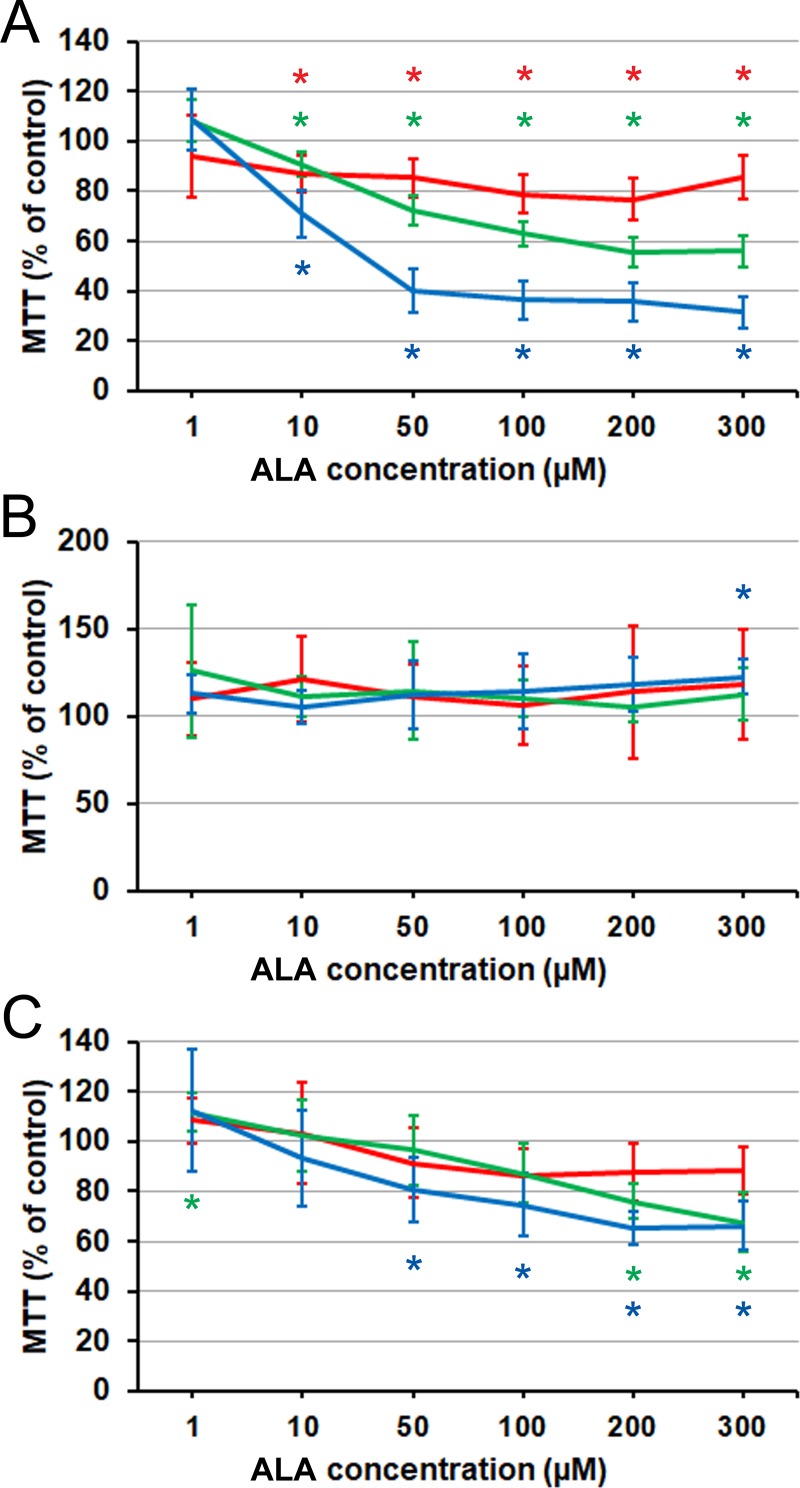
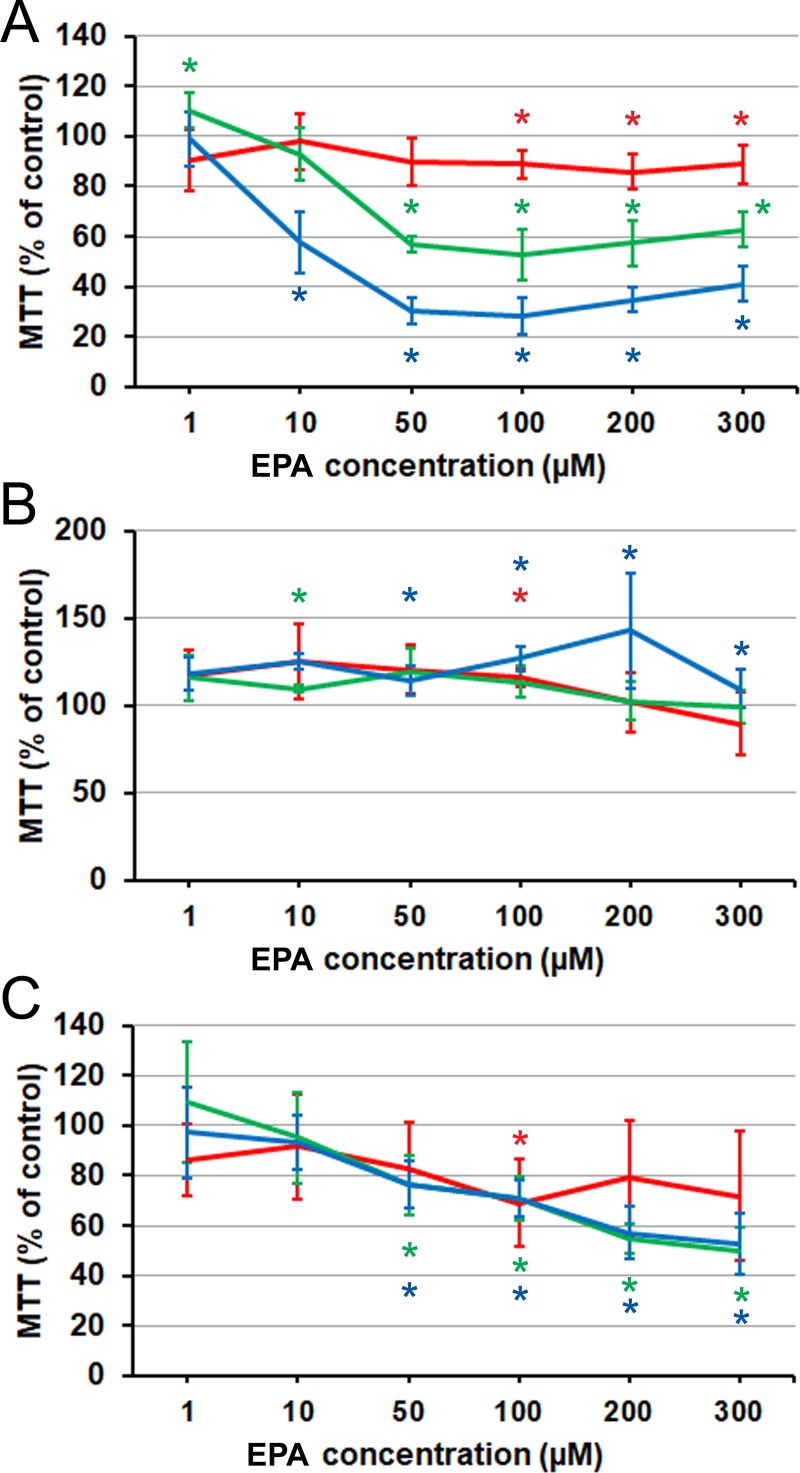
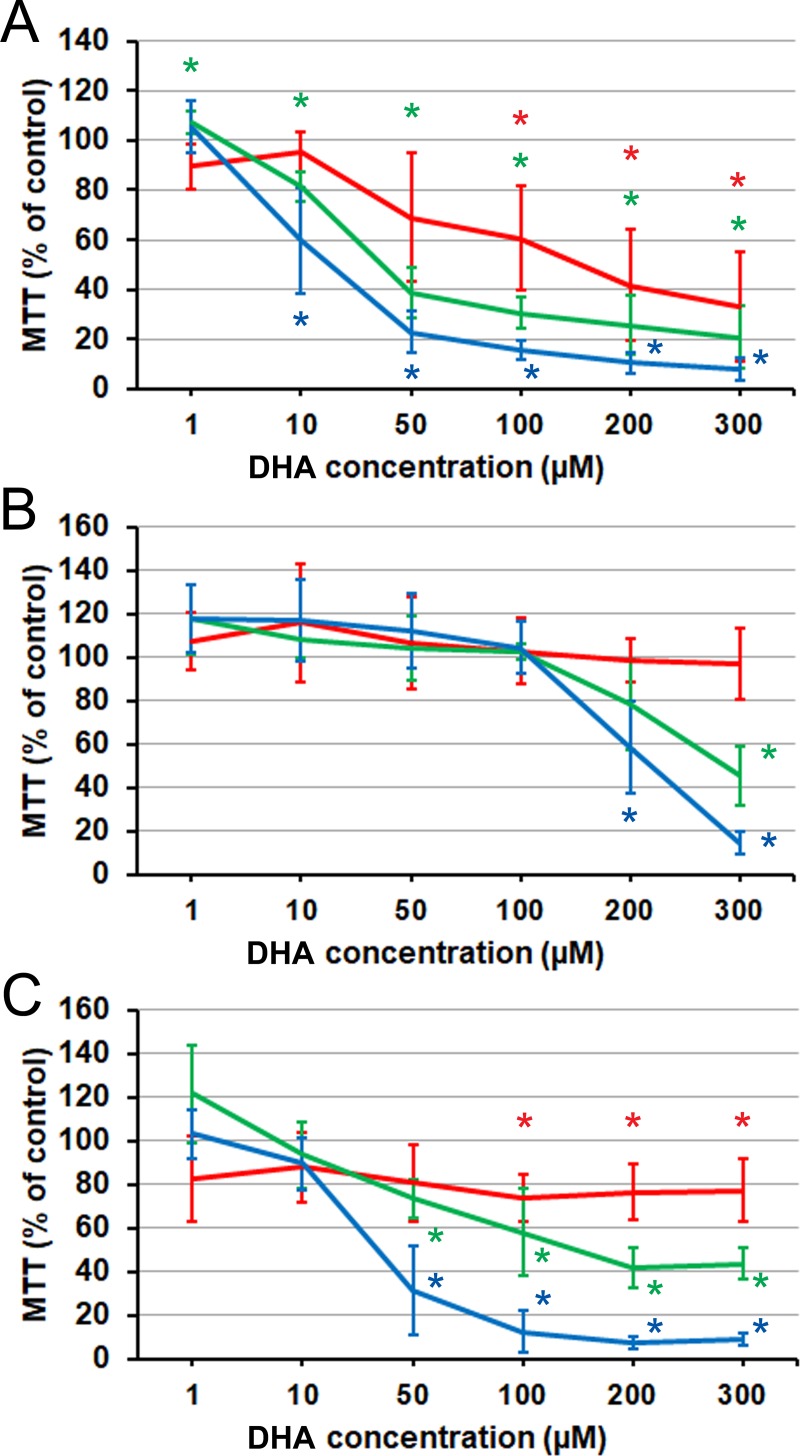
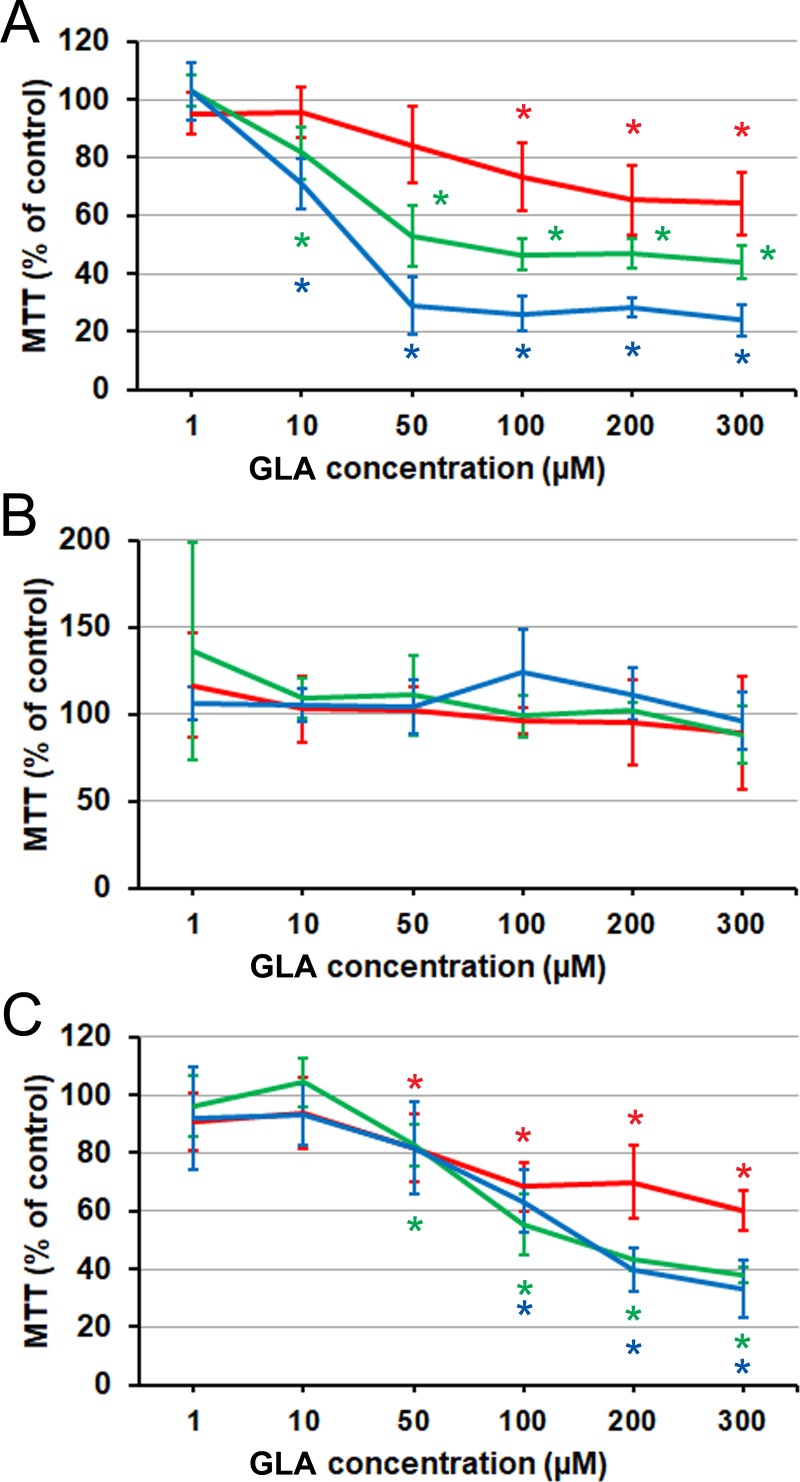
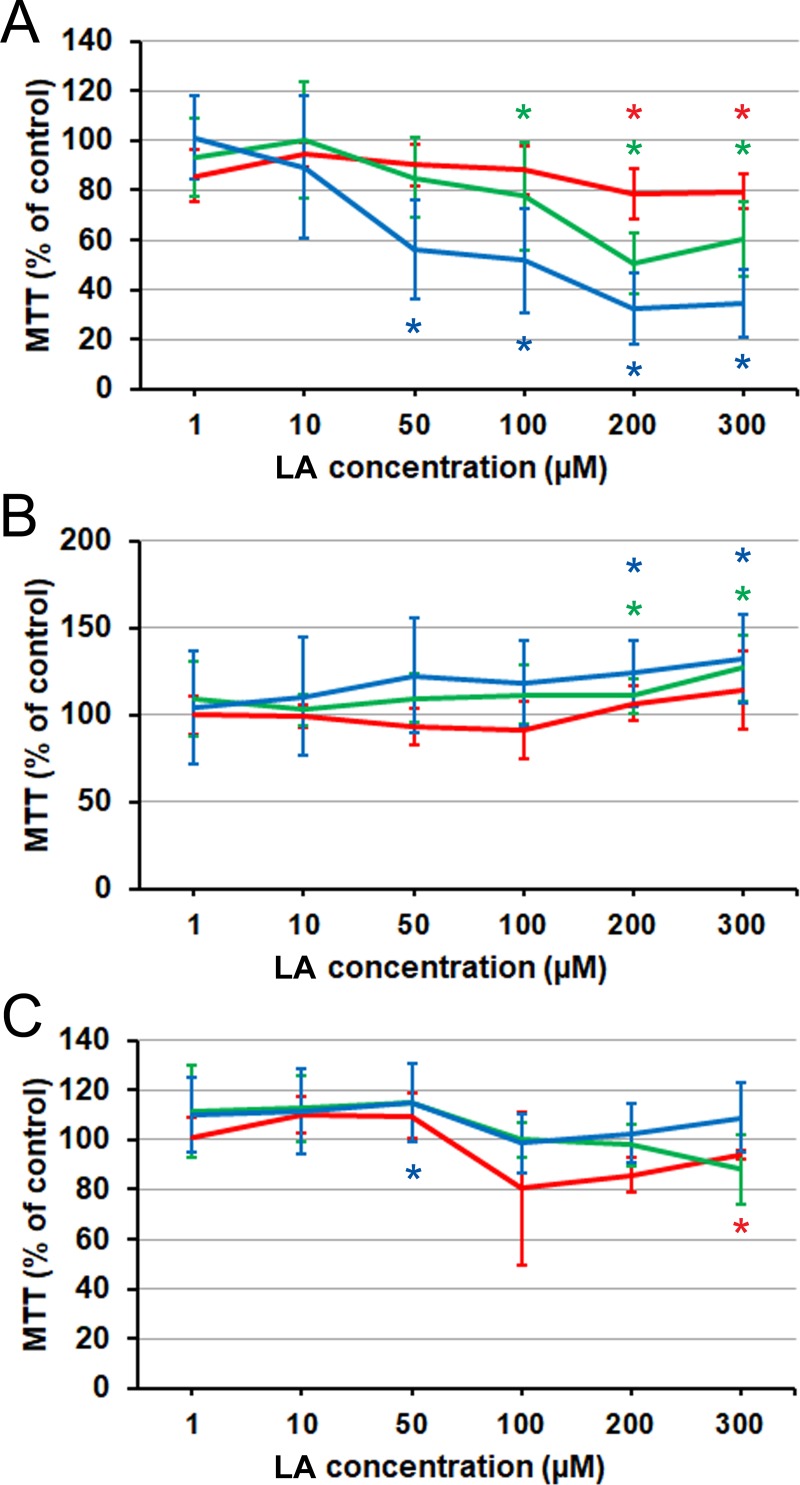
Progression of prostate cancer to lethal forms is marked by emergence of hormone-independent proliferation of the cancer cells. Nutritional and epidemiological studies have indicated that prostate cancer progression is correlated with the consumption of polyunsaturated fatty acids (PUFA). To shed additional light on the cell-level mechanisms of the observed correlation, we compared the sensitivity of hormone-dependent and hormone-independent prostate cancer cells to growth medium supplementation with free PUFAs in a cell proliferation and viability assay. Our data show that the hormone-dependent cells are comparatively insensitive to various PUFAs, at the same time as the growth and viability of hormone-independent cells lines are strongly inhibited by most of the tested PUFAs, whether n-3 or n-6. We speculate that this difference may be at least partially responsible for the observed effects of specific dietary lipids in prostate cancer. The new data strengthen the case for dietary intervention as part of potential new therapeutic strategies seeking to impede prostate cancer progression.
前列腺癌向致死形式的进展以癌细胞的激素非依赖性增殖为标志。营养和流行病学研究表明,前列腺癌的进展与多不饱和脂肪酸(PUFA)的消耗有关。为了进一步阐明观察到的相关性的细胞水平机制,我们在细胞增殖和活力测定中比较了依赖激素和非依赖激素的前列腺癌细胞对生长培养基中游离多不饱和脂肪酸的敏感性。我们的数据表明,依赖激素的细胞对各种多不饱和脂肪酸相对不敏感,而同时非依赖激素的细胞系的生长和活力被大多数测试的多不饱和脂肪酸强烈抑制,无论是 n-3 还是 n-6。我们推测这种差异可能至少部分解释了特定膳食脂质在前列腺癌中的观察到的作用。新数据为饮食干预作为寻求阻碍前列腺癌进展的潜在新治疗策略的一部分提供了更多依据。