College of Life Science and Agriculture Forestry, Qiqihar University, Qiqihar, Heilongjiang 161006, China.
Heilongjiang Provincial Key Laboratory of Resistance Gene Engineering and Protection of Biodiversity in Cold Areas, Qiqihar, Heilongjiang 161006, China.
Viruses. 2019 Aug 23;11(9):776. doi: 10.3390/v11090776.
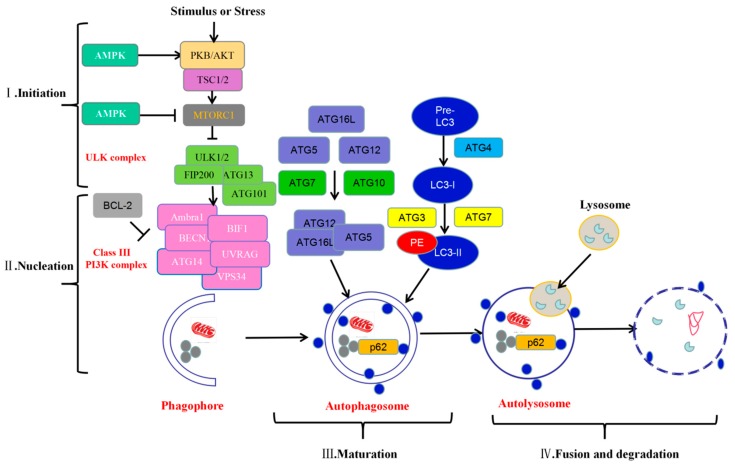
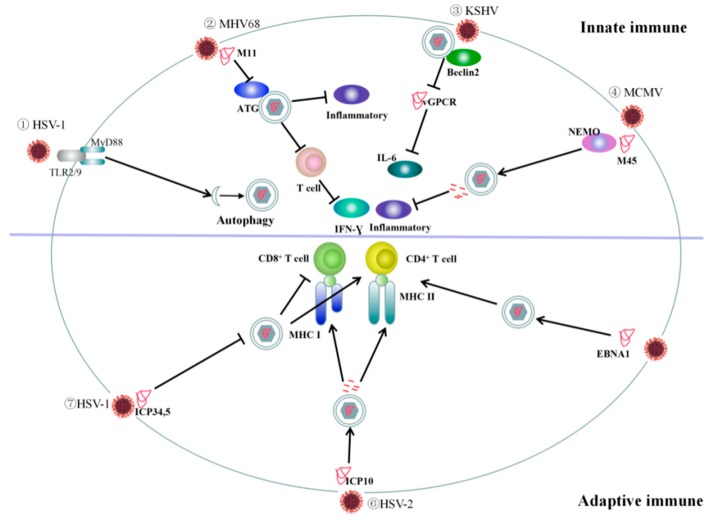
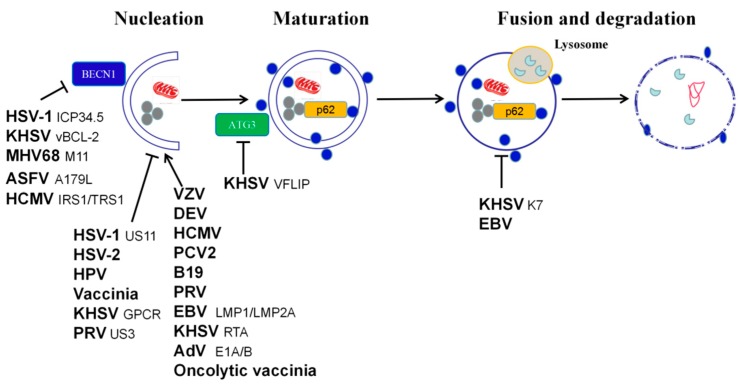
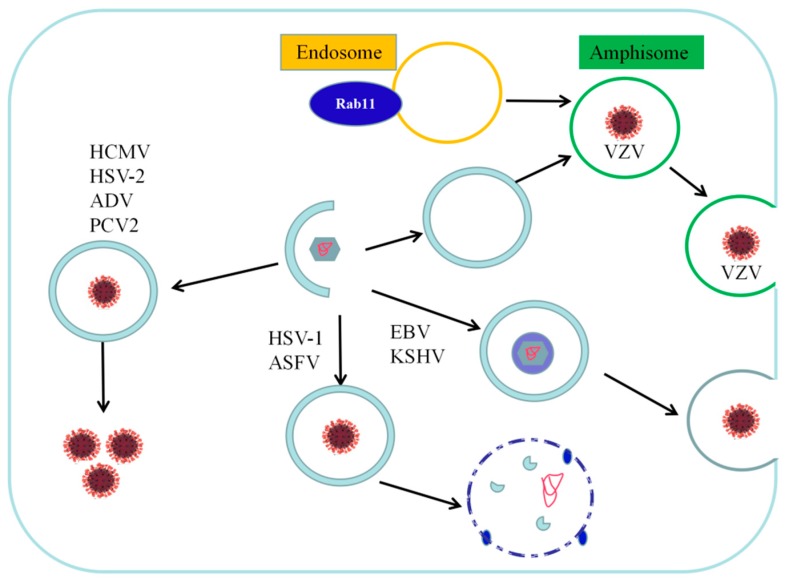
Autophagy is a catabolic biological process in the body. By targeting exogenous microorganisms and aged intracellular proteins and organelles and sending them to the lysosome for phagocytosis and degradation, autophagy contributes to energy recycling. When cells are stimulated by exogenous pathogenic microorganisms such as viruses, activation or inhibition of autophagy is often triggered. As autophagy has antiviral effects, many viruses may escape and resist the process by encoding viral proteins. At the same time, viruses can also use autophagy to enhance their replication or increase the persistence of latent infections. Here, we give a brief overview of autophagy and DNA viruses and comprehensively review the known interactions between human and animal DNA viruses and autophagy and the role and mechanisms of autophagy in viral DNA replication and DNA virus-induced innate and acquired immunity.
自噬是体内一种分解代谢的生物过程。通过靶向外来微生物和衰老的细胞内蛋白质和细胞器,并将它们输送到溶酶体进行吞噬和降解,自噬有助于能量回收。当细胞受到病毒等外源致病微生物的刺激时,通常会引发自噬的激活或抑制。由于自噬具有抗病毒作用,许多病毒可能通过编码病毒蛋白来逃避和抵抗这一过程。同时,病毒也可以利用自噬来增强其复制或增加潜伏感染的持久性。在这里,我们简要概述了自噬和 DNA 病毒,并全面回顾了已知的人类和动物 DNA 病毒与自噬之间的相互作用,以及自噬在病毒 DNA 复制和 DNA 病毒诱导的先天和获得性免疫中的作用和机制。