Department of Neurology, Johns Hopkins School of Medicine, Baltimore, MD, USA.
MedImmune LLC, Gaithersburg, MD, USA.
Nat Commun. 2019 Aug 29;10(1):3887. doi: 10.1038/s41467-019-11638-3.
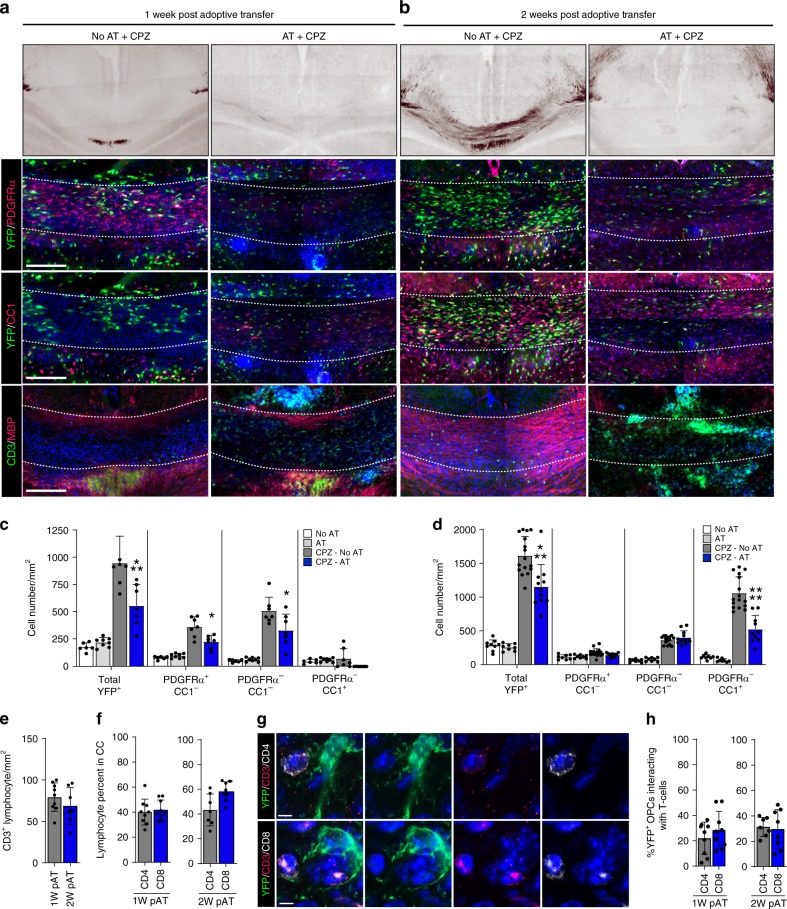
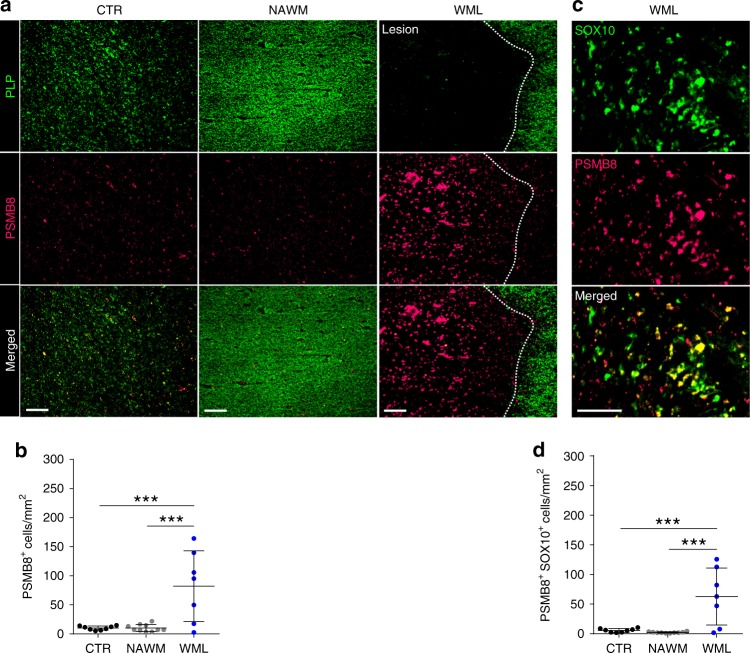
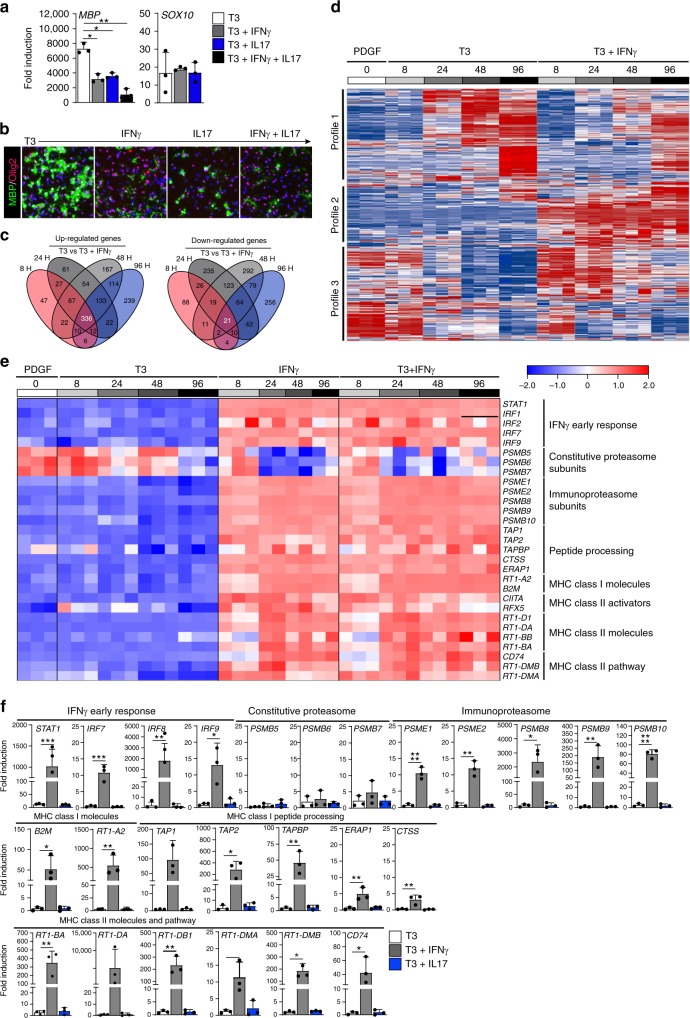
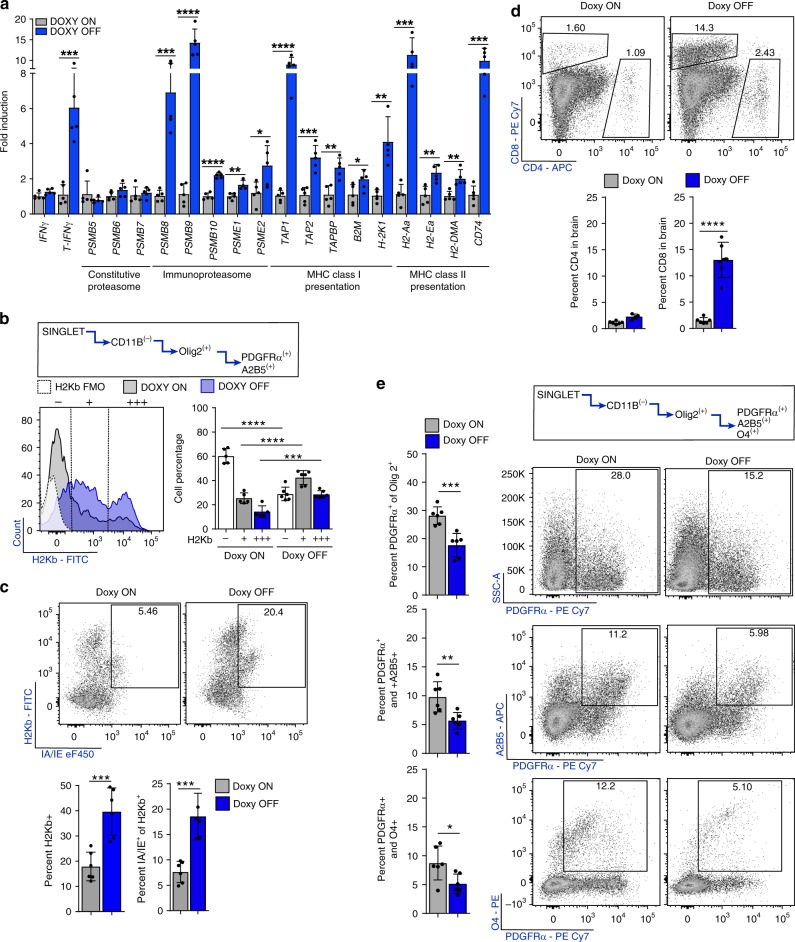
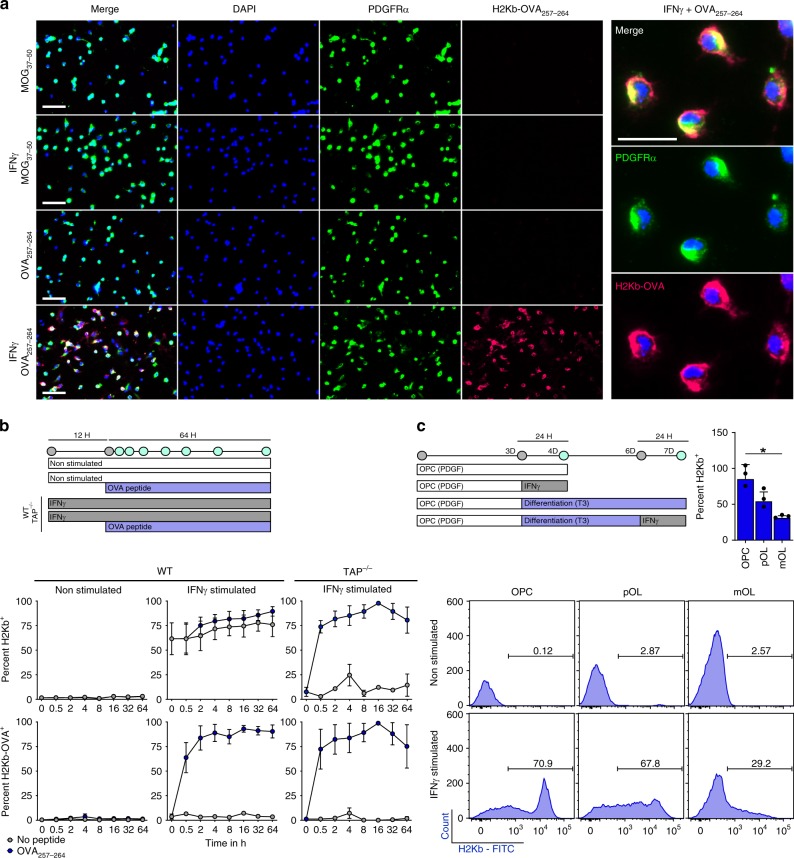
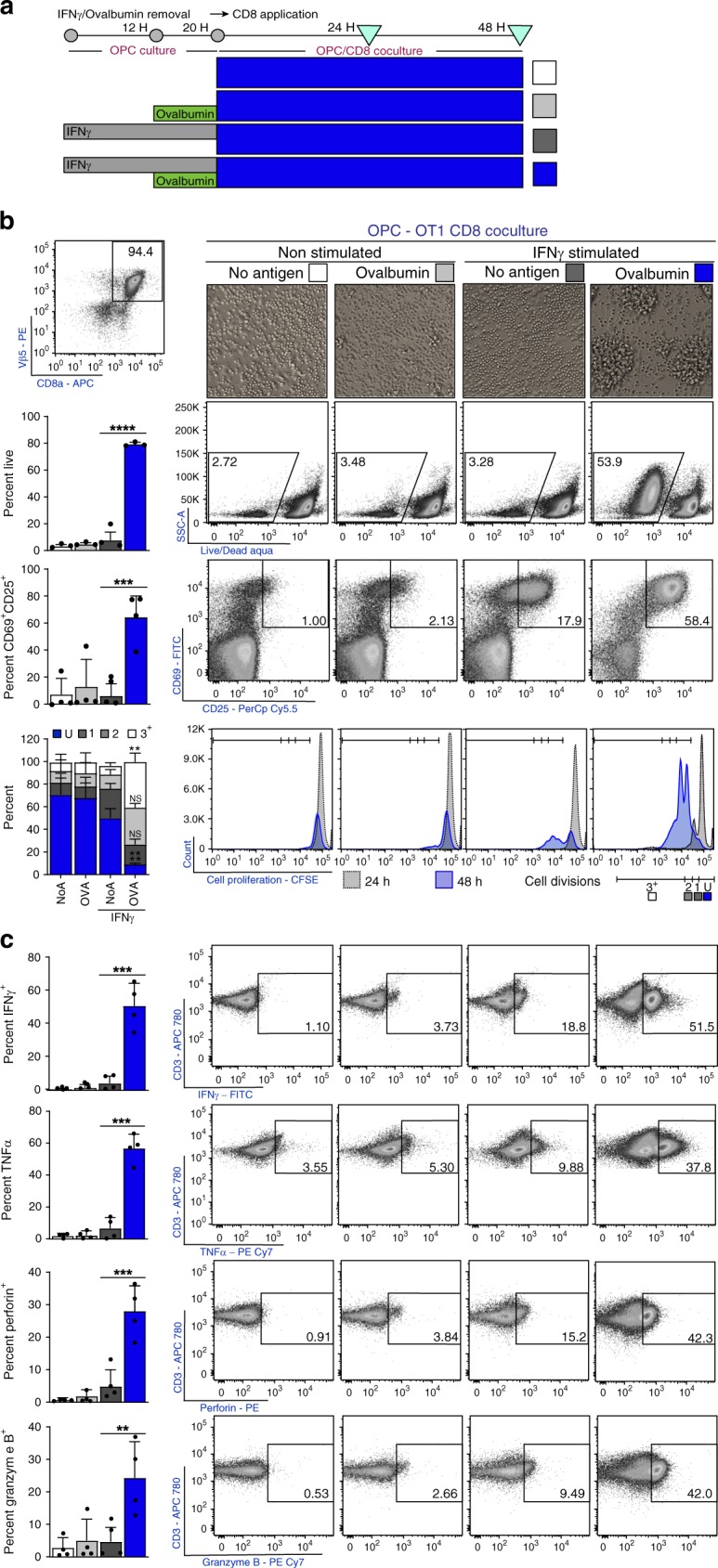
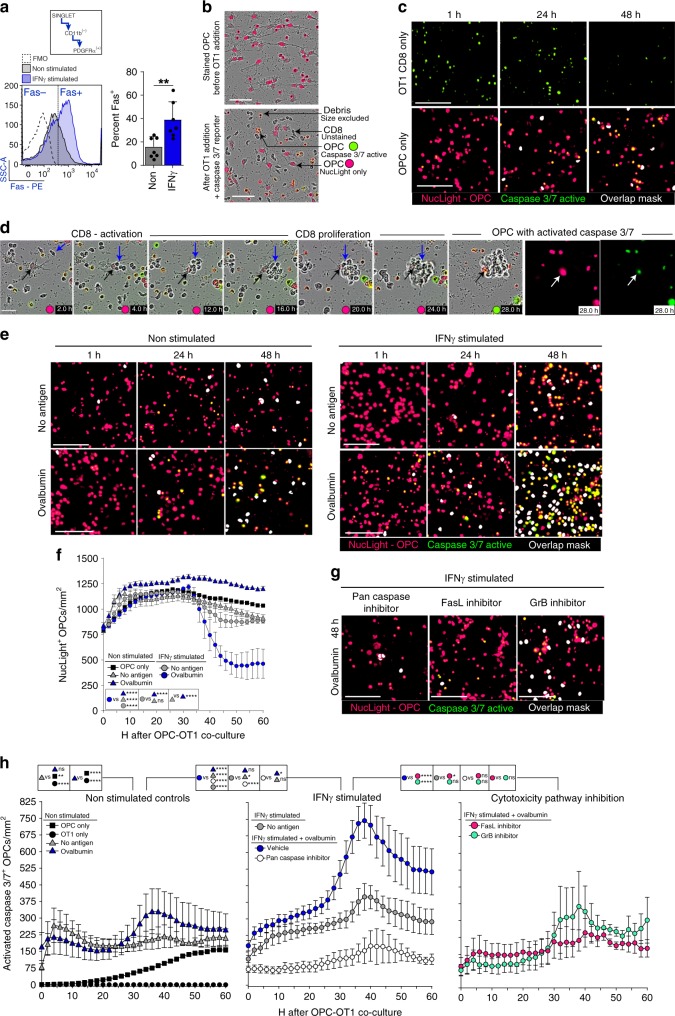
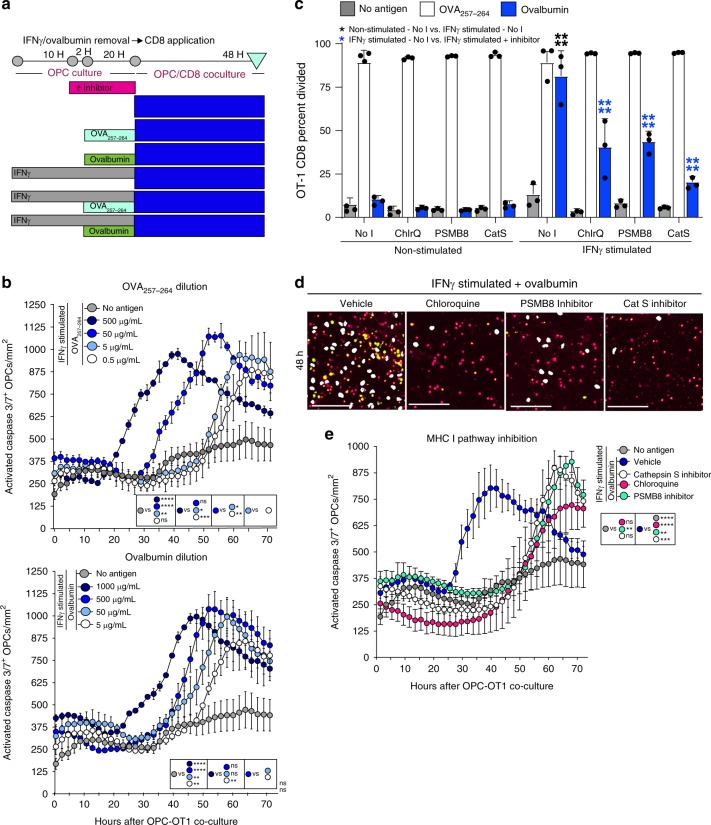
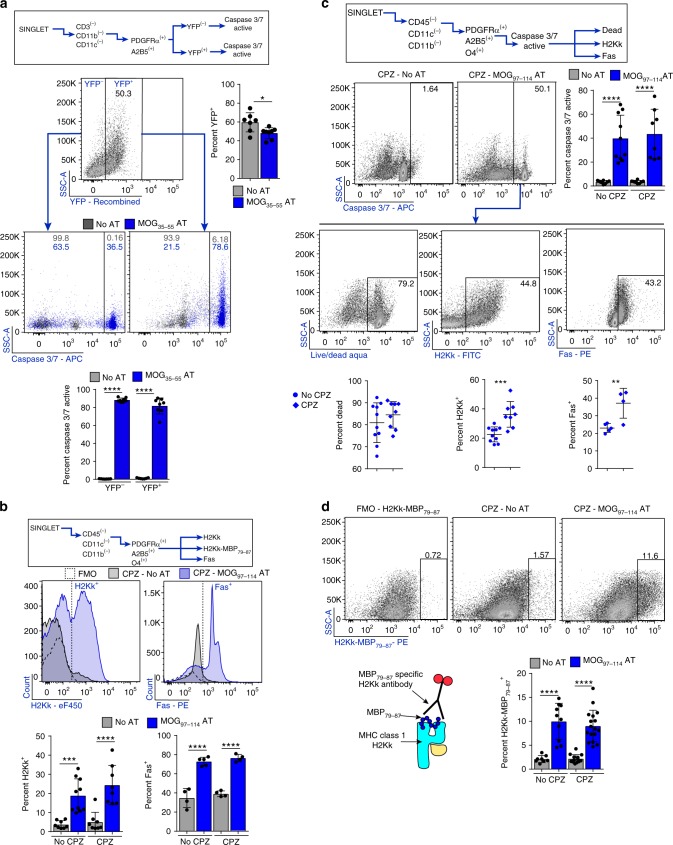
Oligodendrocyte precursor cells (OPCs) are abundant in the adult central nervous system, and have the capacity to regenerate oligodendrocytes and myelin. However, in inflammatory diseases such as multiple sclerosis (MS) remyelination is often incomplete. To investigate how neuroinflammation influences OPCs, we perform in vivo fate-tracing in an inflammatory demyelinating mouse model. Here we report that OPC differentiation is inhibited by both effector T cells and IFNγ overexpression by astrocytes. IFNγ also reduces the absolute number of OPCs and alters remaining OPCs by inducing the immunoproteasome and MHC class I. In vitro, OPCs exposed to IFNγ cross-present antigen to cytotoxic CD8 T cells, resulting in OPC death. In human demyelinated MS brain lesions, but not normal appearing white matter, oligodendroglia exhibit enhanced expression of the immunoproteasome subunit PSMB8. Therefore, OPCs may be co-opted by the immune system in MS to perpetuate the autoimmune response, suggesting that inhibiting immune activation of OPCs may facilitate remyelination.
少突胶质前体细胞 (OPC) 在成人中枢神经系统中大量存在,具有再生少突胶质细胞和髓鞘的能力。然而,在多发性硬化症 (MS) 等炎症性疾病中,髓鞘再生往往不完全。为了研究神经炎症如何影响 OPC,我们在炎症性脱髓鞘的小鼠模型中进行了体内示踪研究。在这里,我们报告说,效应 T 细胞和星形胶质细胞过度表达 IFNγ 均可抑制 OPC 的分化。IFNγ 还通过诱导免疫蛋白酶体和 MHC Ⅰ类来减少 OPC 的绝对数量并改变剩余的 OPC。在体外,暴露于 IFNγ 的 OPC 向细胞毒性 CD8 T 细胞交叉呈递抗原,导致 OPC 死亡。在人类脱髓鞘的 MS 脑病变中,但在正常表现的白质中没有,少突胶质细胞表现出免疫蛋白酶体亚基 PSMB8 的增强表达。因此,OPC 可能在 MS 中被免疫系统招募,以延续自身免疫反应,这表明抑制 OPC 的免疫激活可能有助于髓鞘再生。