Department of Neuroscience, Perelman School of Medicine, University of Pennsylvania, Philadelphia, PA 19104, USA; Department of Bioengineering, School of Engineering and Applied Science, University of Pennsylvania, Philadelphia, PA 19104, USA.
Department of Bioengineering, School of Engineering and Applied Science, University of Pennsylvania, Philadelphia, PA 19104, USA.
Cell Rep. 2019 Sep 3;28(10):2554-2566.e7. doi: 10.1016/j.celrep.2019.08.008.
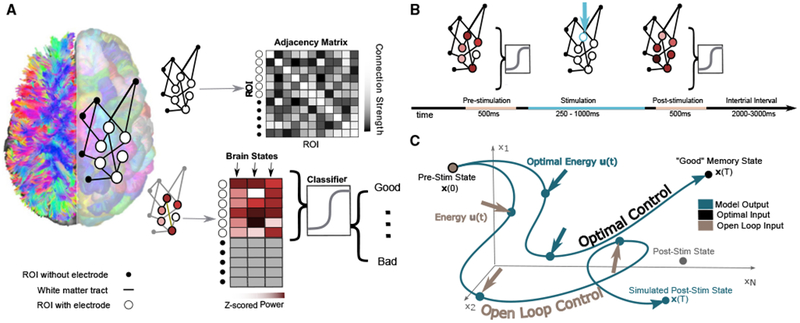
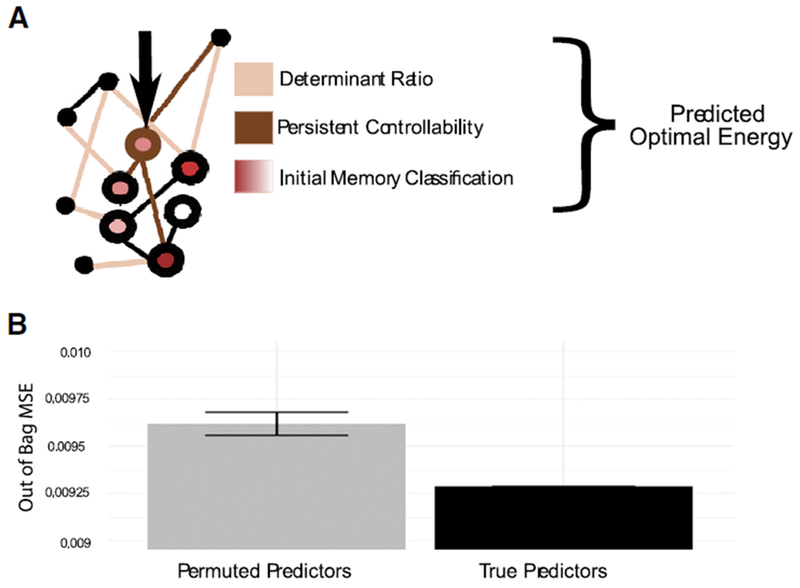
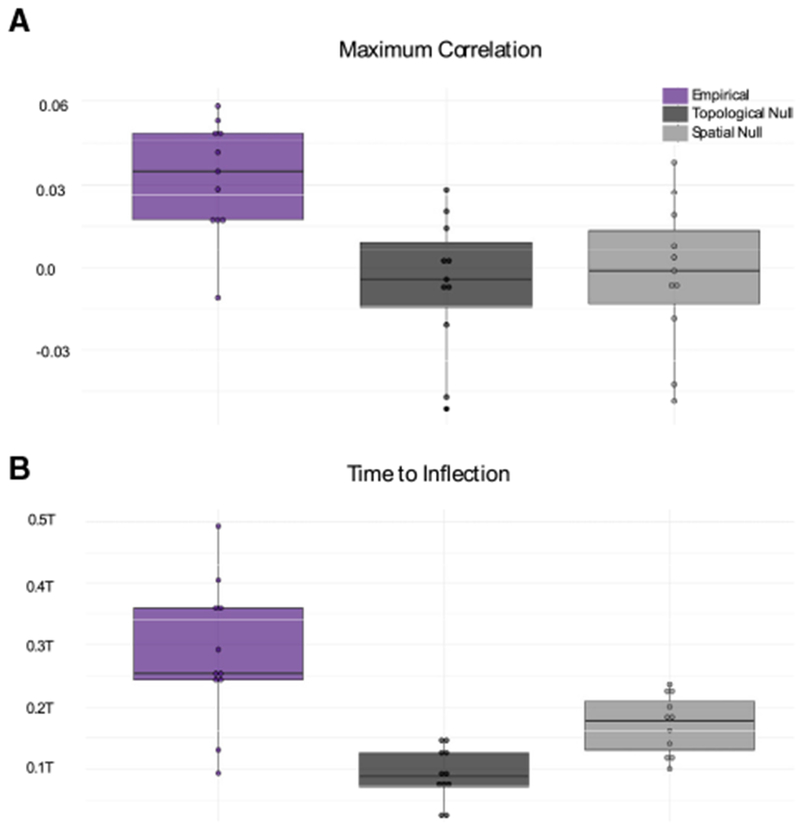
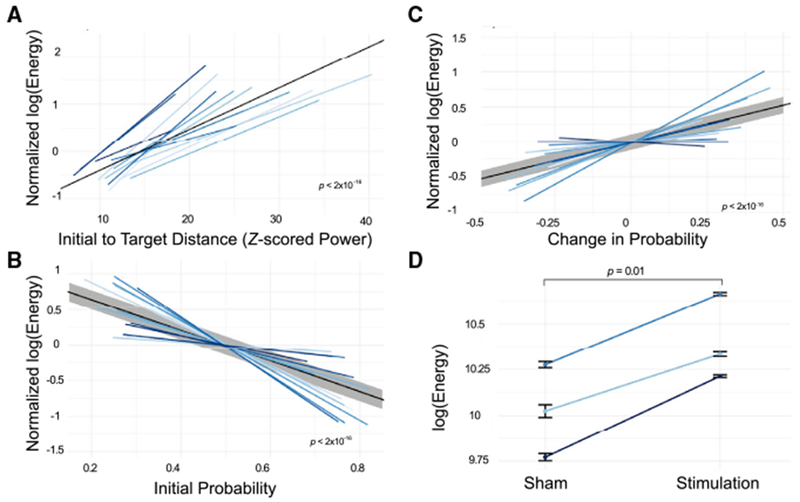
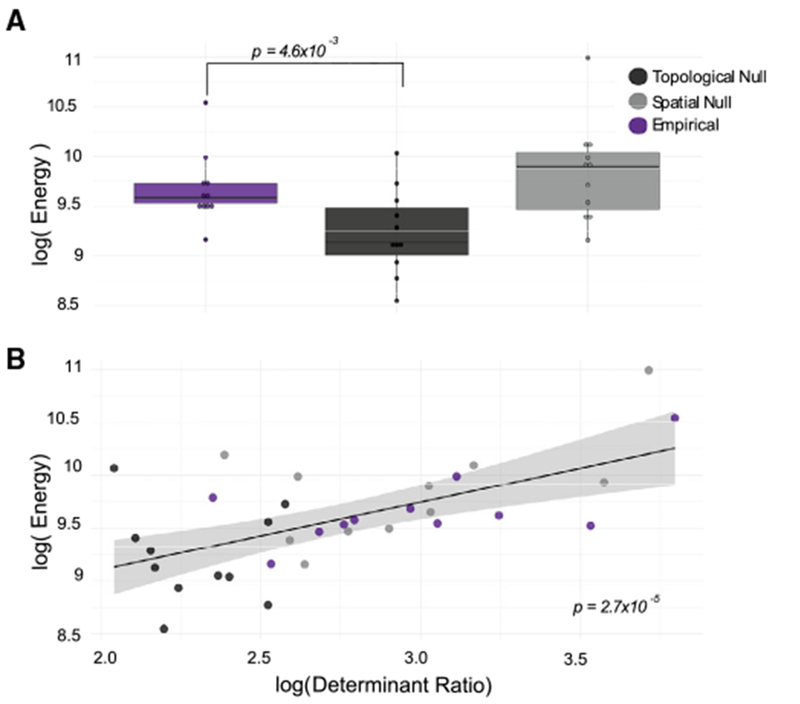
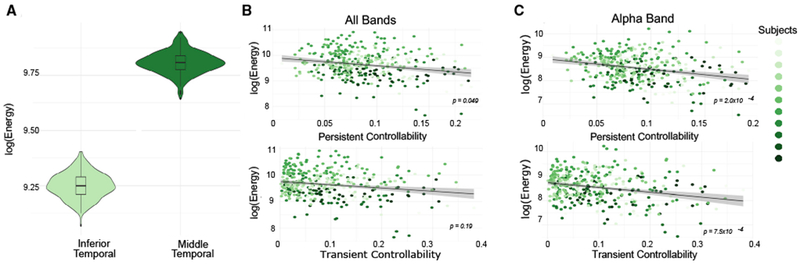
Optimizing direct electrical stimulation for the treatment of neurological disease remains difficult due to an incomplete understanding of its physical propagation through brain tissue. Here, we use network control theory to predict how stimulation spreads through white matter to influence spatially distributed dynamics. We test the theory's predictions using a unique dataset comprising diffusion weighted imaging and electrocorticography in epilepsy patients undergoing grid stimulation. We find statistically significant shared variance between the predicted activity state transitions and the observed activity state transitions. We then use an optimal control framework to posit testable hypotheses regarding which brain states and structural properties will efficiently improve memory encoding when stimulated. Our work quantifies the role that white matter architecture plays in guiding the dynamics of direct electrical stimulation and offers empirical support for the utility of network control theory in explaining the brain's response to stimulation.
由于对直接电刺激在脑组织中的物理传播缺乏完整的认识,因此优化其治疗神经疾病的效果仍然具有挑战性。在这里,我们使用网络控制理论来预测刺激如何通过白质传播以影响空间分布的动力学。我们使用包括癫痫患者在接受网格刺激时的弥散加权成像和皮质电图的独特数据集来测试该理论的预测。我们发现预测的活动状态转变与观察到的活动状态转变之间存在统计学上显著的共享方差。然后,我们使用最优控制框架来提出关于哪些大脑状态和结构特性在受到刺激时将有效地改善记忆编码的可检验假设。我们的工作量化了白质结构在引导直接电刺激动力学中的作用,并为网络控制理论在解释大脑对刺激的反应方面的实用性提供了经验支持。