Department of Medical Biotechnology, Faculty of Biochemistry Biophysics and Biotechnology, Jagiellonian University, 30-387, Krakow, Poland.
Jagiellonian Centre for Experimental Therapeutics, Jagiellonian University, 30-348, Krakow, Poland.
Redox Biol. 2020 Jan;28:101304. doi: 10.1016/j.redox.2019.101304. Epub 2019 Aug 22.
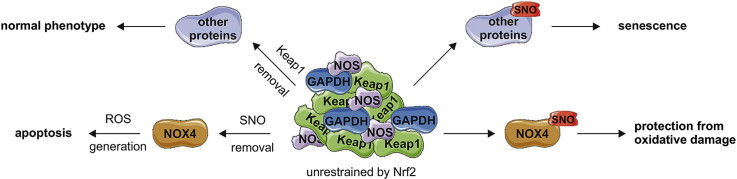
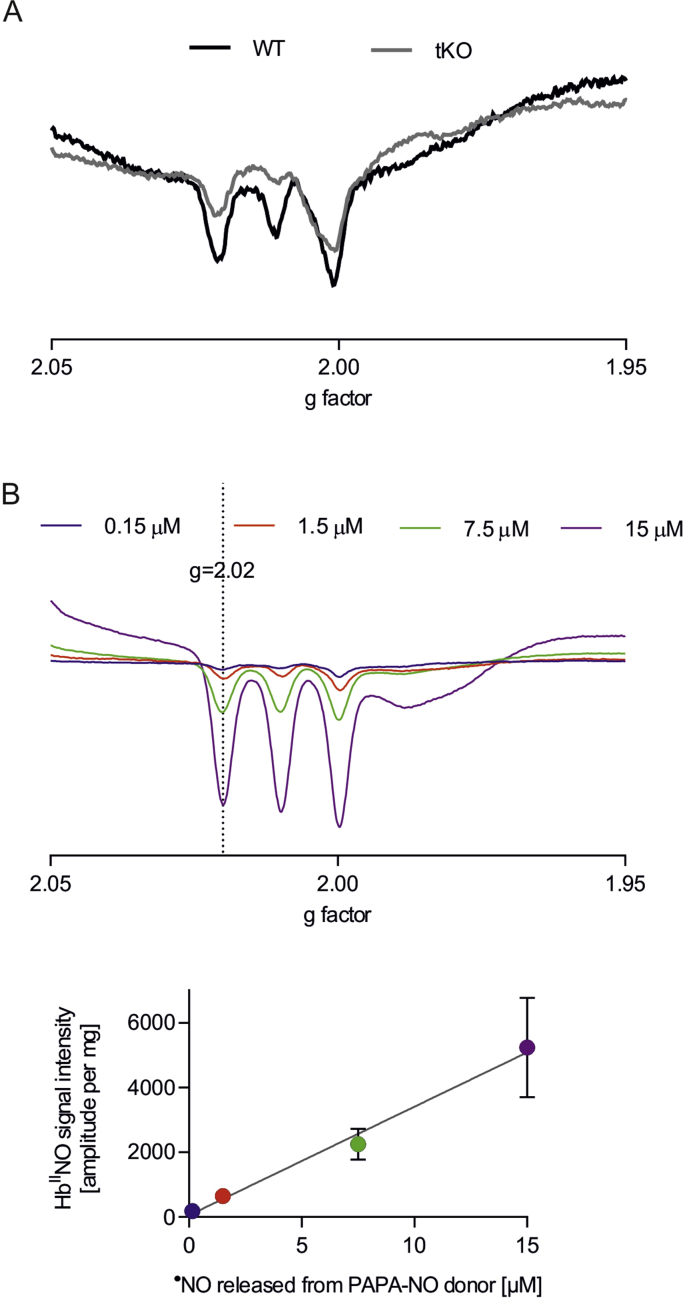
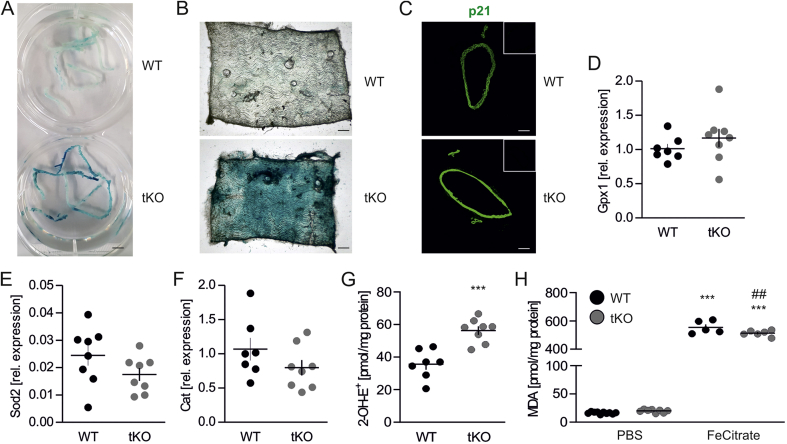
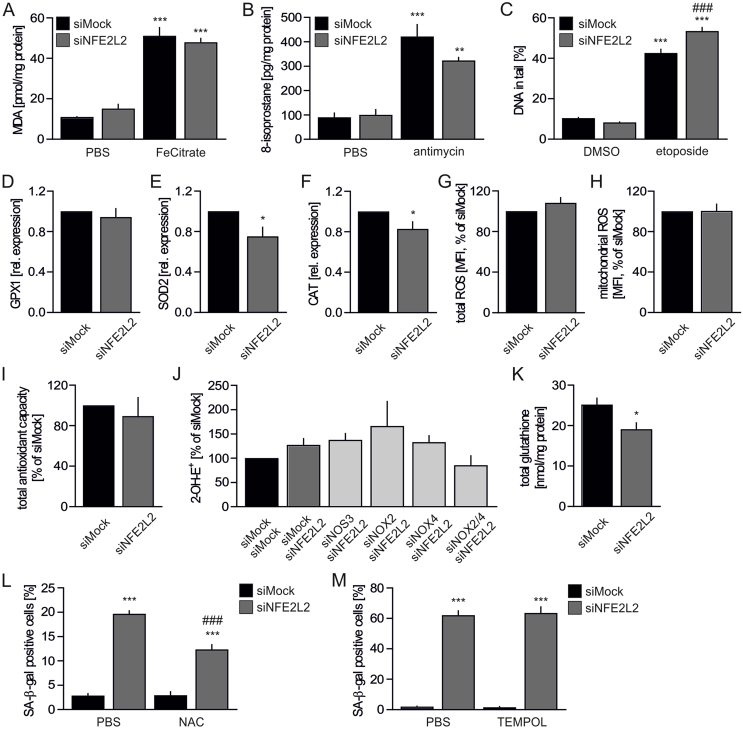
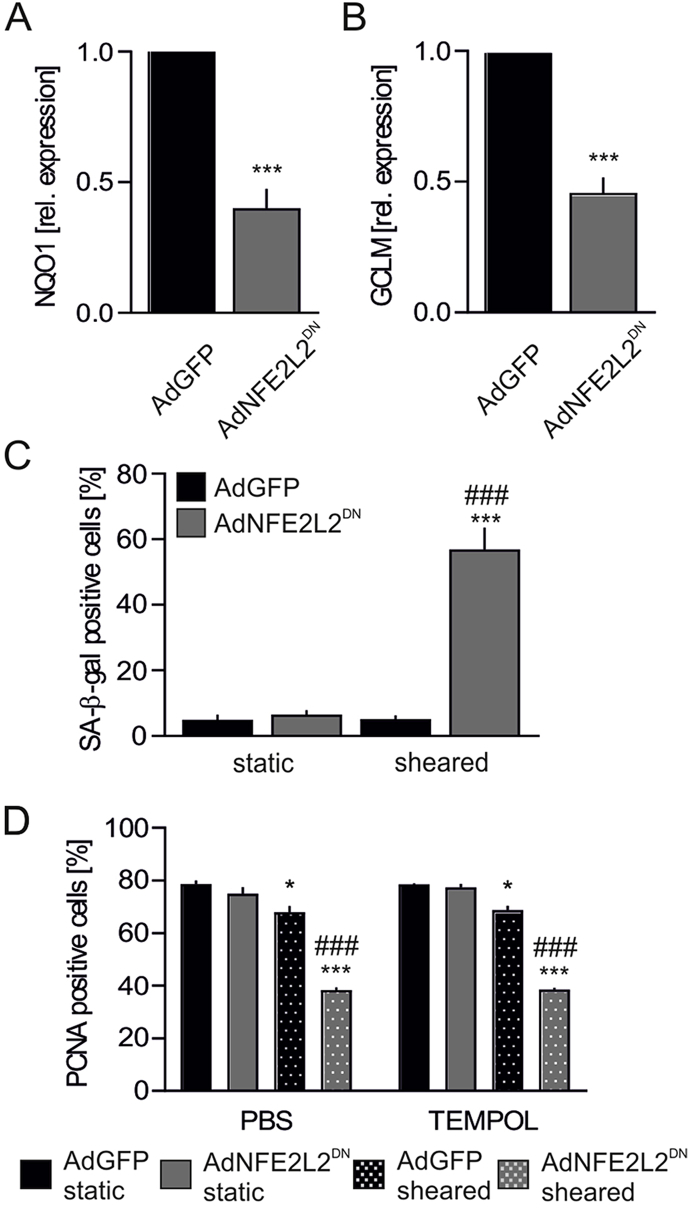
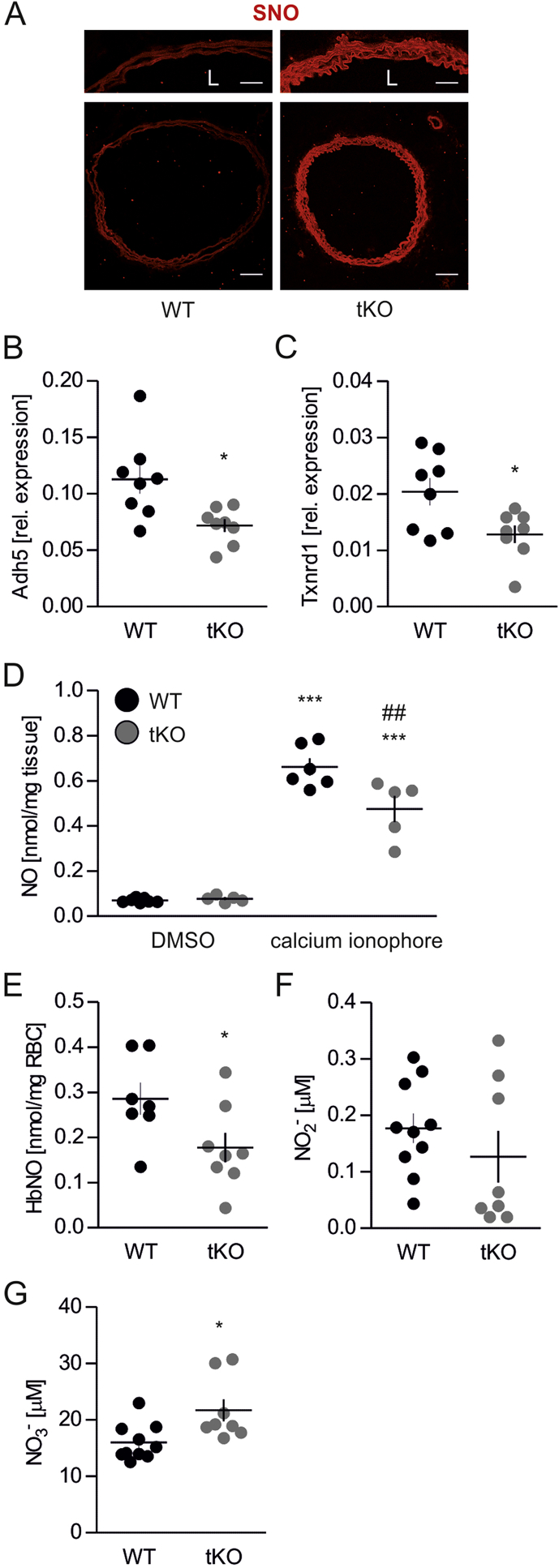
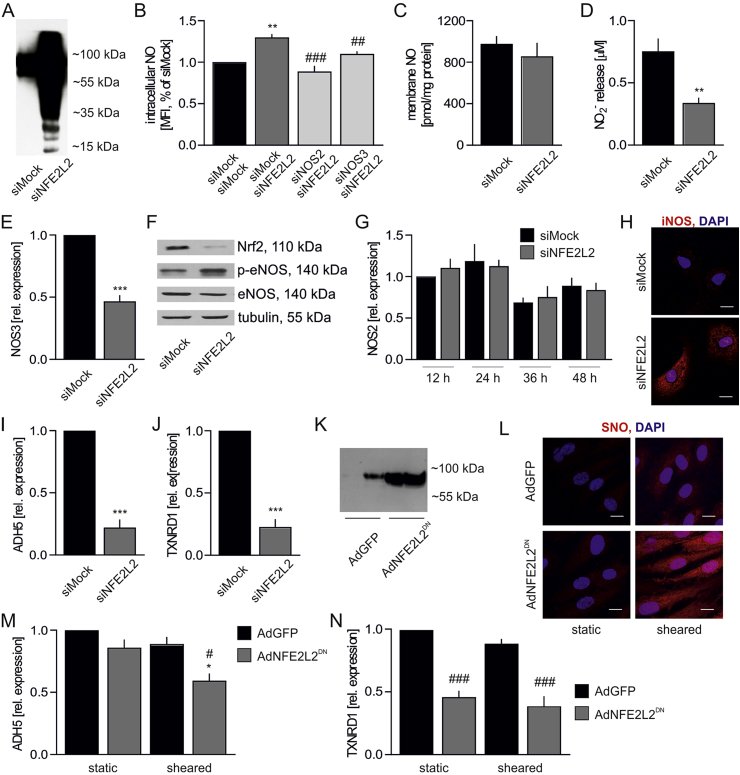
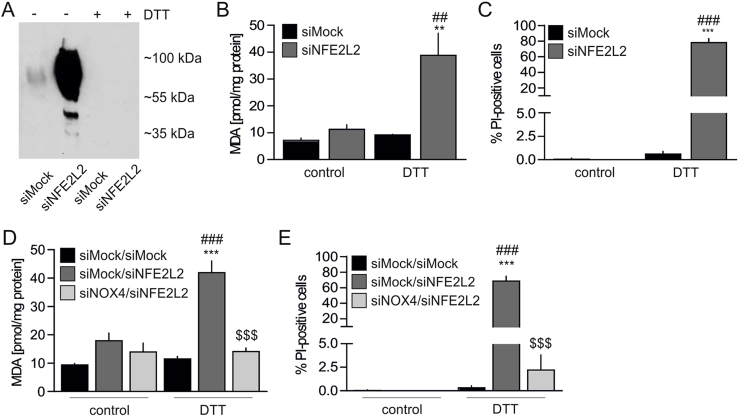
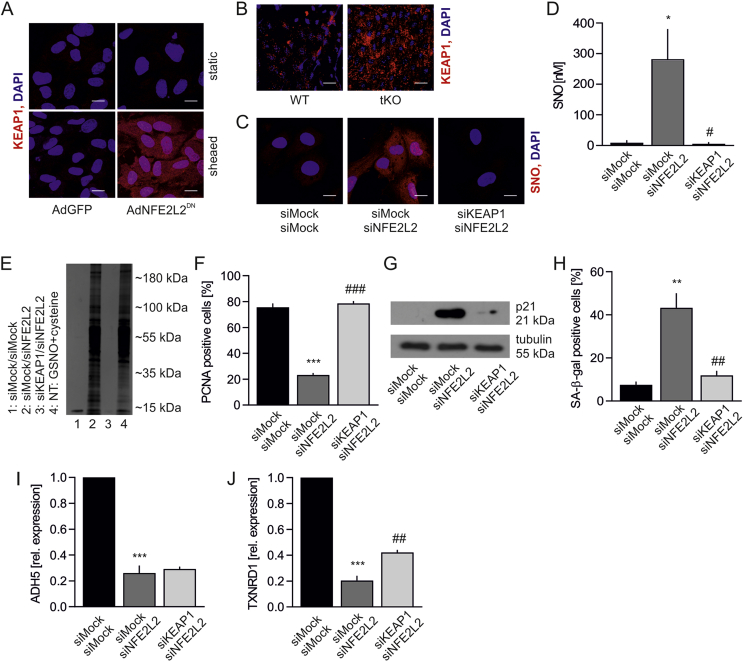
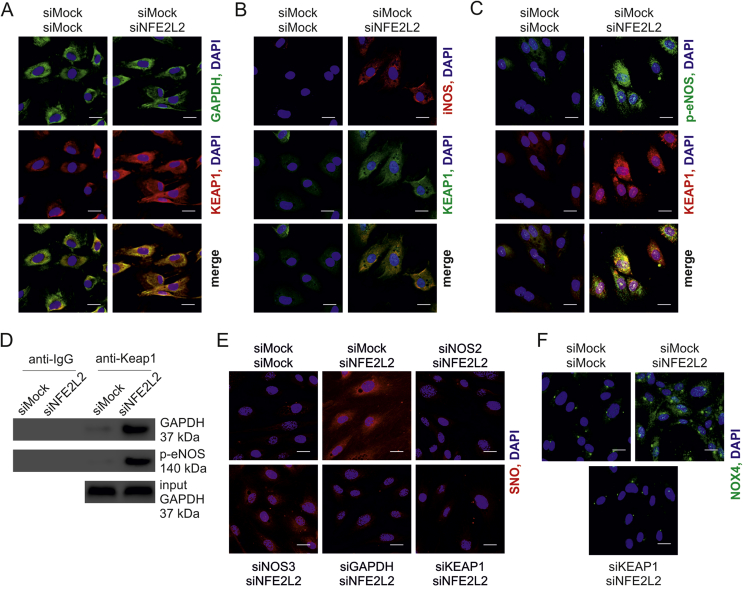
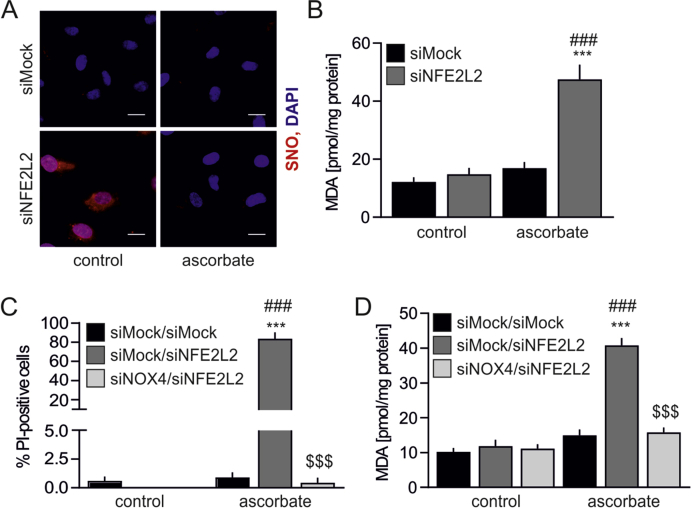
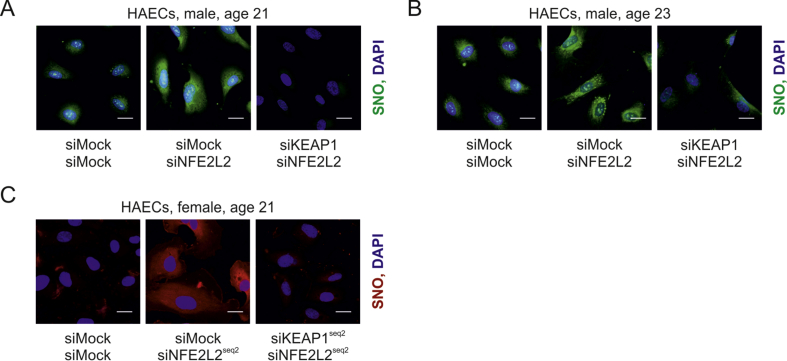
Premature senescence, a death escaping pathway for cells experiencing stress, is conducive to aging and cardiovascular diseases. The molecular switch between senescent and apoptotic fate remains, however, poorly recognized. Nrf2 is an important transcription factor orchestrating adaptive response to cellular stress. Here, we show that both human primary endothelial cells (ECs) and murine aortas lacking Nrf2 signaling are senescent but unexpectedly do not encounter damaging oxidative stress. Instead, they exhibit markedly increased S-nitrosation of proteins. A functional role of S-nitrosation is protection of ECs from death by inhibition of NOX4-mediated oxidative damage and redirection of ECs to premature senescence. S-nitrosation and senescence are mediated by Keap1, a direct binding partner of Nrf2, which colocalizes and precipitates with nitric oxide synthase (NOS) and transnitrosating protein GAPDH in ECs devoid of Nrf2. We conclude that the overabundance of this "unrestrained" Keap1 determines the fate of ECs by regulation of S-nitrosation and propose that Keap1/GAPDH/NOS complex may serve as an enzymatic machinery for S-nitrosation in mammalian cells.
过早衰老,一种细胞逃避应激的死亡途径,有利于衰老和心血管疾病。然而,衰老和凋亡命运之间的分子开关仍然认识不清。Nrf2 是一种重要的转录因子,协调细胞应激的适应性反应。在这里,我们表明,缺乏 Nrf2 信号的人原代内皮细胞(ECs)和小鼠主动脉都衰老,但出人意料的是,它们没有遇到破坏性的氧化应激。相反,它们表现出明显增加的蛋白质 S-亚硝基化。S-亚硝基化的功能作用是通过抑制 NOX4 介导的氧化损伤和将 ECs 重定向为过早衰老来保护 ECs 免受死亡。S-亚硝基化和衰老由 Keap1 介导,Keap1 是 Nrf2 的直接结合伴侣,在缺乏 Nrf2 的 ECs 中,它与一氧化氮合酶(NOS)和转亚硝基化蛋白 GAPDH 共定位并沉淀。我们得出结论,这种“不受限制”的 Keap1 的过剩通过调节 S-亚硝基化来决定 ECs 的命运,并提出 Keap1/GAPDH/NOS 复合物可能作为哺乳动物细胞中 S-亚硝基化的酶促机制。