Paediatric Tumour Biology, Division of Clinical Studies, The Institute of Cancer Research, London, UK; Children and Young People's Unit, Royal Marsden NHS Foundation Trust, London, UK.
Molecular Diagnostics Department, The Institute of Cancer Research and Clinical Genomics, The Royal Marsden NHS Foundation, London, UK; Glioma Team, Division of Molecular Pathology and Cancer Therapeutics, The Institute of Cancer Research, London, UK.
Eur J Cancer. 2019 Nov;121:224-235. doi: 10.1016/j.ejca.2019.07.027. Epub 2019 Sep 19.
For children with cancer, the clinical integration of precision medicine to enable predictive biomarker-based therapeutic stratification is urgently needed.
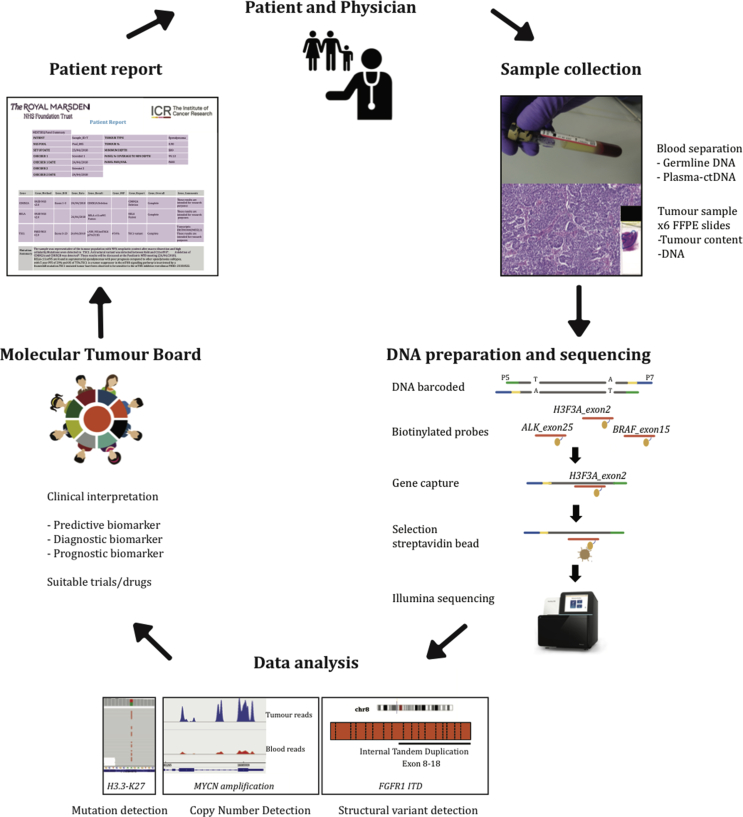
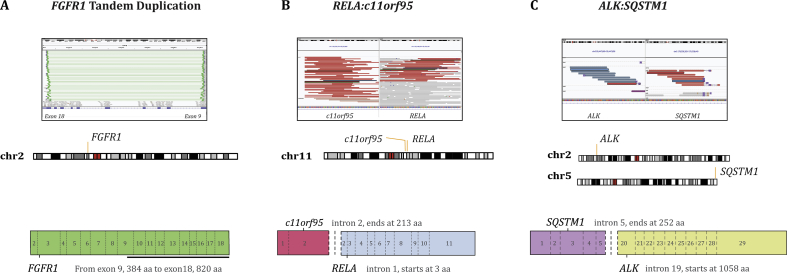
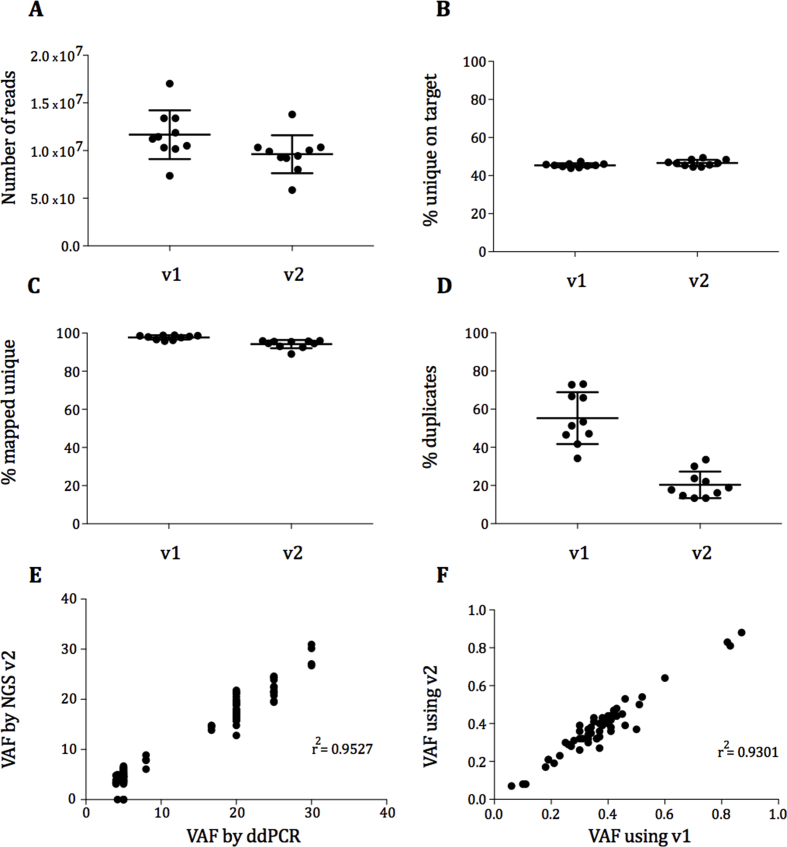
We have developed a hybrid-capture next-generation sequencing (NGS) panel, specifically designed to detect genetic alterations in paediatric solid tumours, which gives reliable results from as little as 50 ng of DNA extracted from formalin-fixed paraffin-embedded (FFPE) tissue. In this study, we offered an NGS panel, with clinical reporting via a molecular tumour board for children with solid tumours. Furthermore, for a cohort of 12 patients, we used a circulating tumour DNA (ctDNA)-specific panel to sequence ctDNA from matched plasma samples and compared plasma and tumour findings.
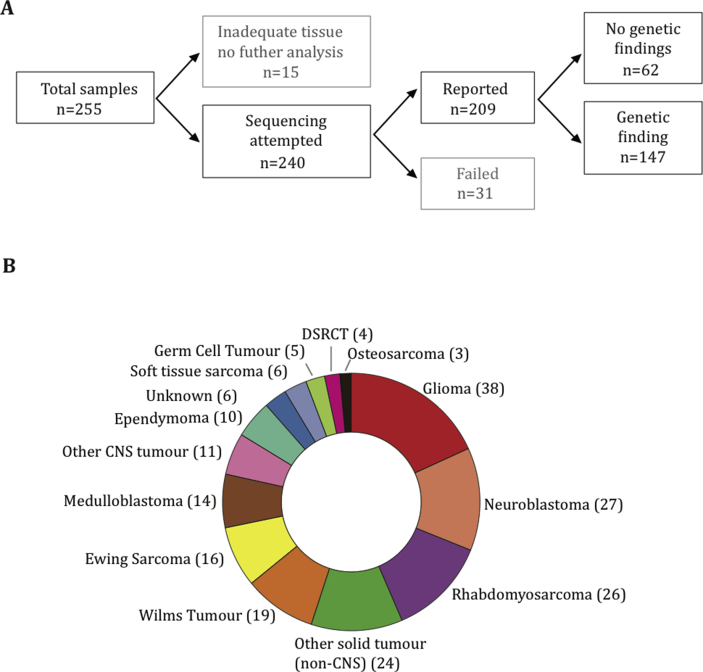
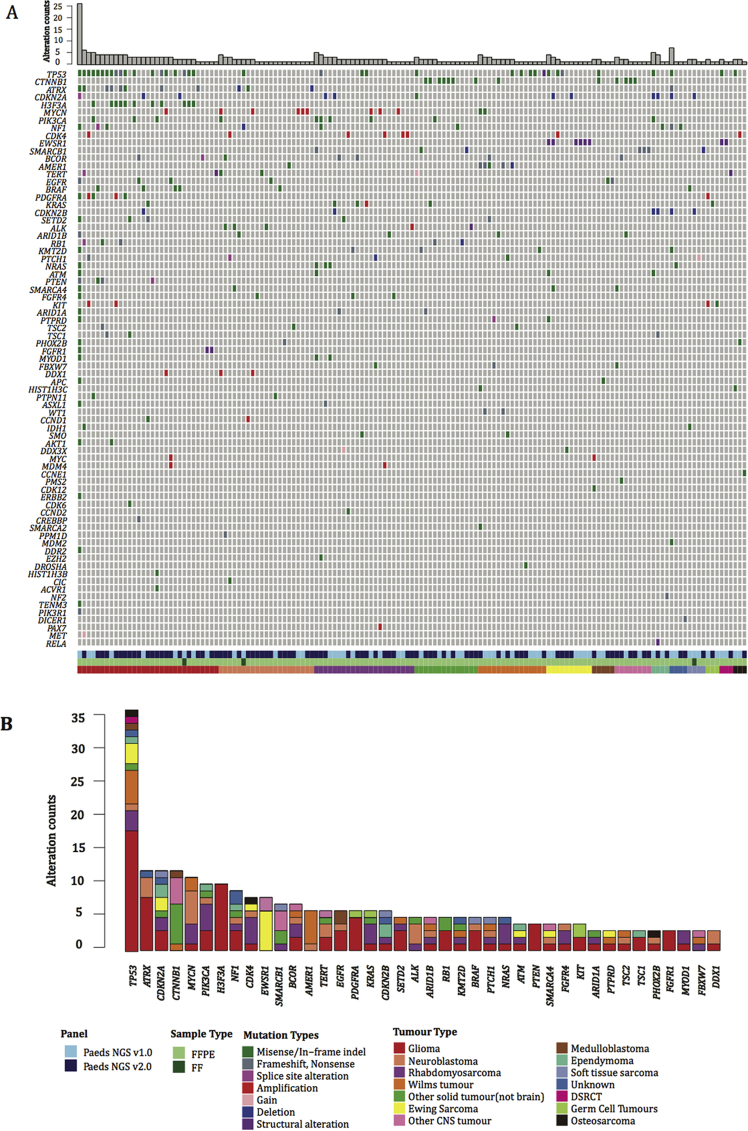
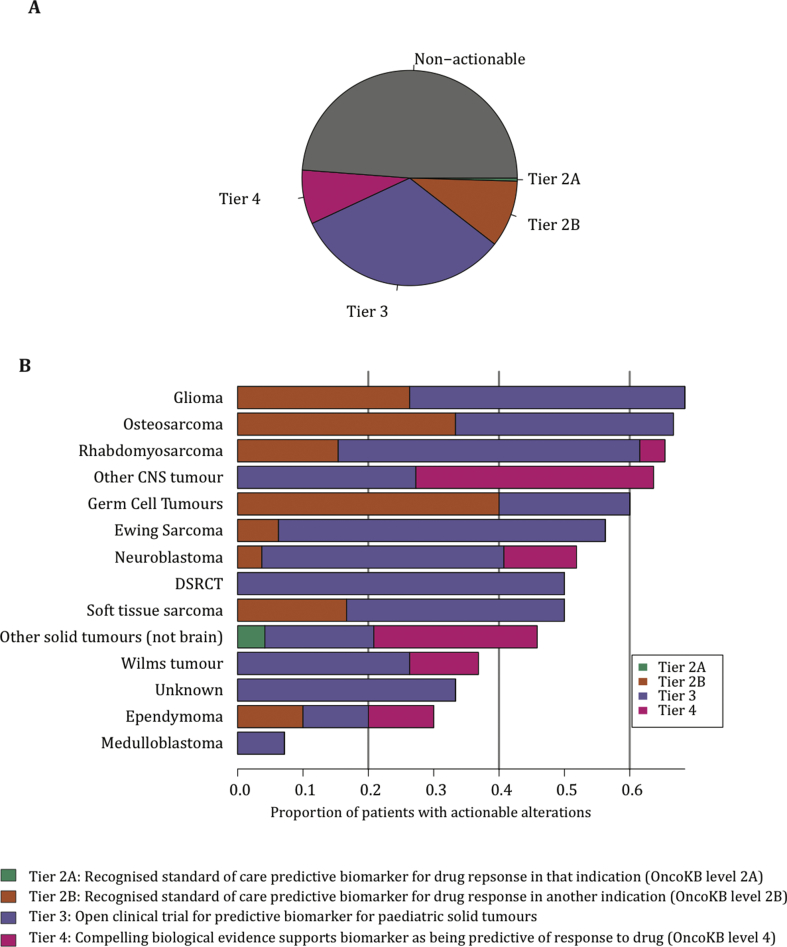
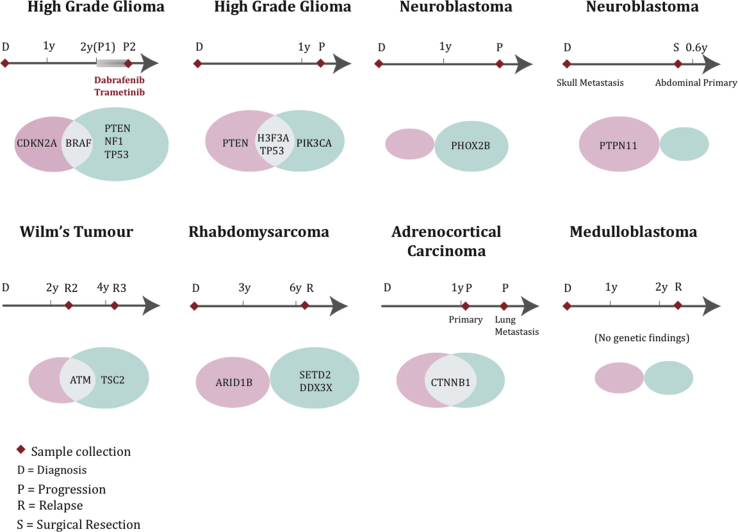
A total of 255 samples were submitted from 223 patients for the NGS panel. Using FFPE tissue, 82% of all submitted samples passed quality control for clinical reporting. At least one genetic alteration was detected in 70% of sequenced samples. The overall detection rate of clinically actionable alterations, defined by modified OncoKB criteria, for all sequenced samples was 51%. A total of 8 patients were sequenced at different stages of treatment. In 6 of these, there were differences in the genetic alterations detected between time points. Sequencing of matched ctDNA in a cohort of extracranial paediatric solid tumours also identified a high detection rate of somatic alterations in plasma.
We demonstrate that tailored clinical molecular profiling of both tumour DNA and plasma-derived ctDNA is feasible for children with solid tumours. Furthermore, we show that a targeted NGS panel-based approach can identify actionable genetic alterations in a high proportion of patients.
对于癌症患儿,迫切需要将精准医学进行临床整合,以实现基于预测性生物标志物的治疗分层。
我们开发了一种杂交捕获下一代测序(NGS)面板,专门设计用于检测儿科实体瘤中的遗传改变,仅需从福尔马林固定石蜡包埋(FFPE)组织中提取 50ng 的 DNA 即可获得可靠的结果。在这项研究中,我们为患有实体瘤的儿童提供了一个 NGS 面板,并通过分子肿瘤委员会进行临床报告。此外,对于 12 名患者的队列,我们使用了一种循环肿瘤 DNA(ctDNA)特异性面板来对匹配的血浆样本进行 ctDNA 测序,并比较了血浆和肿瘤的发现。
共从 223 名患者中提交了 255 个样本用于 NGS 面板。使用 FFPE 组织,82%的所有提交样本通过了临床报告的质量控制。在 70%的测序样本中至少检测到一种遗传改变。所有测序样本中,经改良 OncoKB 标准定义的临床可操作改变的总检测率为 51%。总共 8 名患者在不同的治疗阶段进行了测序。在其中 6 例中,检测到的遗传改变在时间点上存在差异。对一组颅外儿科实体瘤的匹配 ctDNA 进行测序也在血浆中鉴定出了高的体细胞改变检测率。
我们证明了对肿瘤 DNA 和血浆衍生的 ctDNA 进行定制的临床分子分析对于患有实体瘤的儿童是可行的。此外,我们表明,基于靶向 NGS 面板的方法可以在很大比例的患者中识别出可操作的遗传改变。