Peripheral Neuropathy Unit, Centre for Clinical Translation, Department of Medicine, Imperial College London, Hammersmith Hospital, London, UK.
Nanomedicine Research Laboratory, Department of Medicine, Imperial College London, Hammersmith Hospital, London, UK.
Mol Pain. 2019 Jan-Dec;15:1744806919881038. doi: 10.1177/1744806919881038.
Uremic neuropathy commonly affects patients with chronic kidney disease, with painful sensations in the feet, followed by numbness and weakness in the legs and hands. The symptoms usually resolve following kidney transplantation, but the mechanisms of uremic neuropathy and associated pain symptoms remain unknown. As blood urea levels are elevated in patients with chronic kidney disease, we examined the morphological and functional effects of clinically observed levels of urea on sensory neurons.
Rat dorsal root ganglion neurons were treated with 10 or 50 mmol/L urea for 48 h, fixed and immunostained for PGP9.5 and βIII tubulin immunofluorescence. Neurons were also immunostained for TRPV1, TRPM8 and Gap43 expression, and the capsaicin sensitivity of urea- or vehicle-treated neurons was determined.
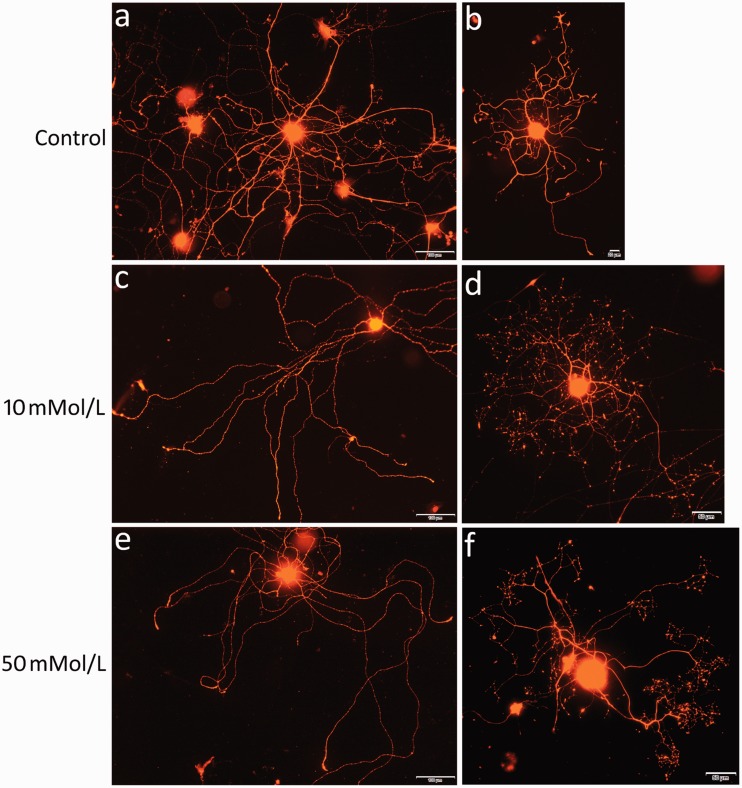
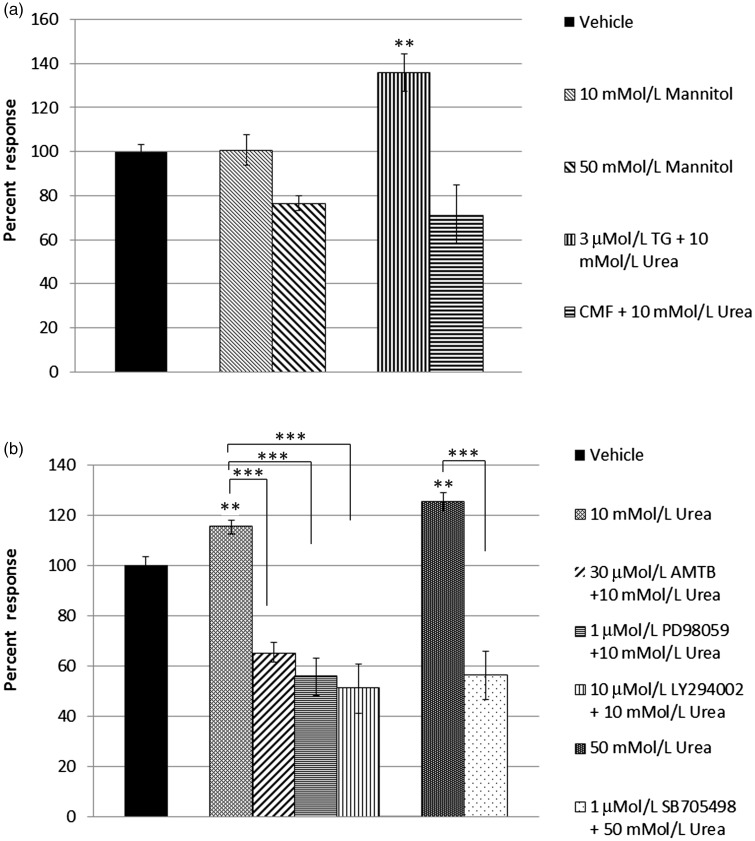
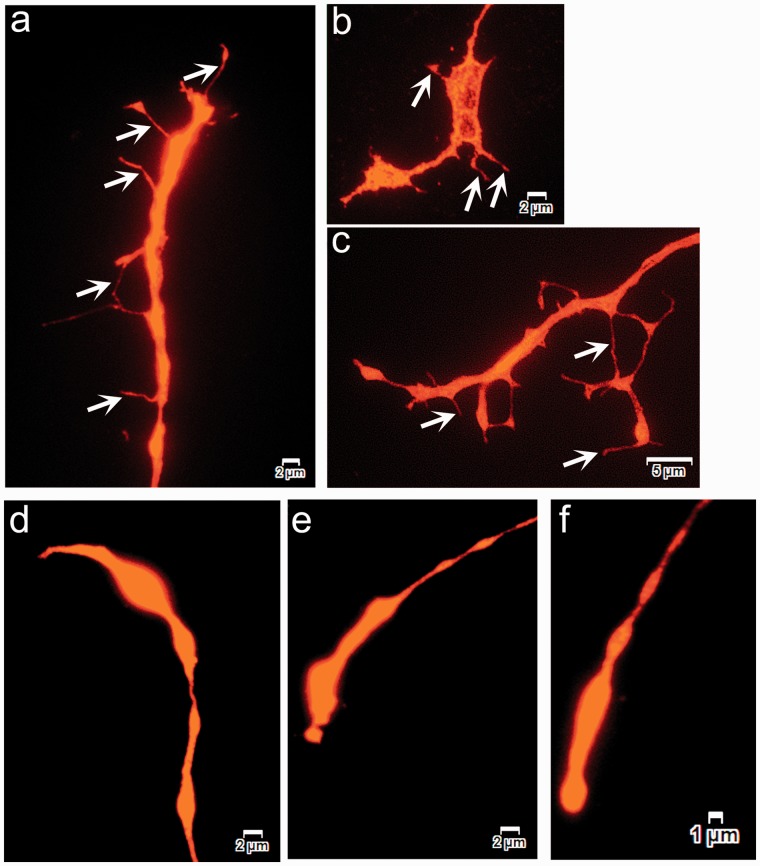
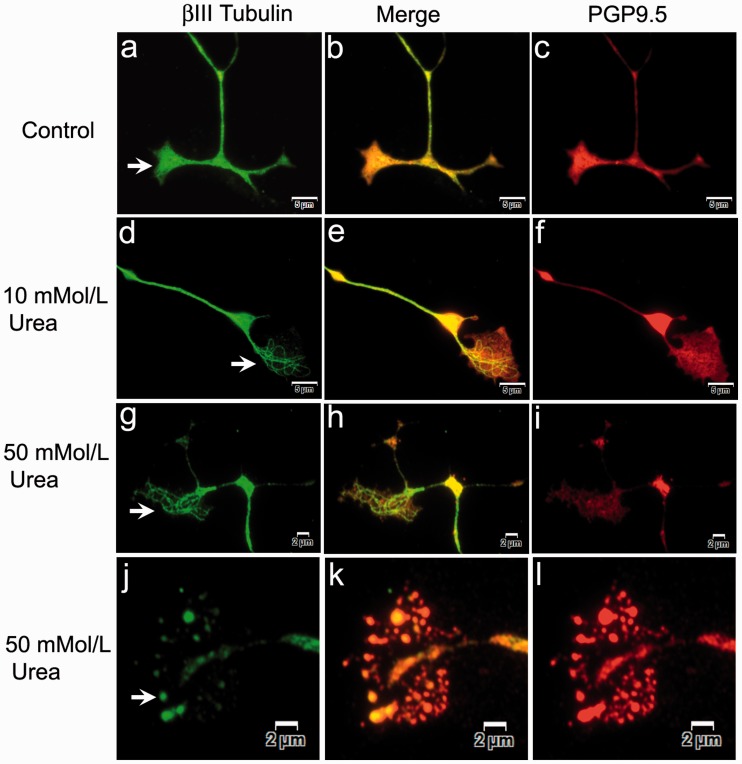
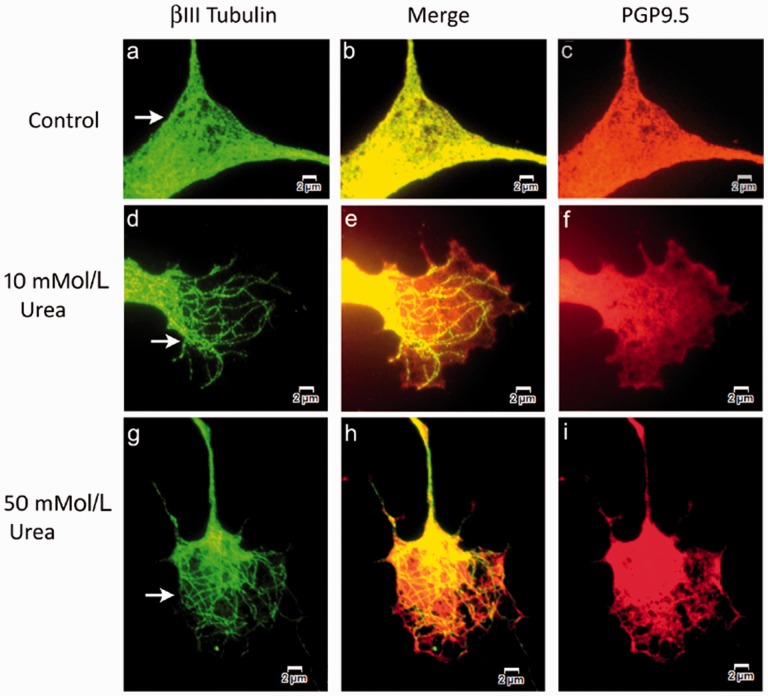
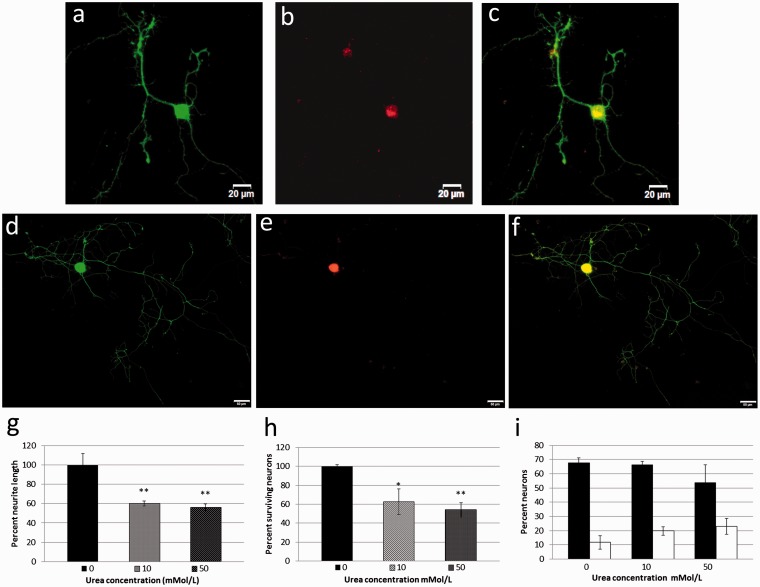
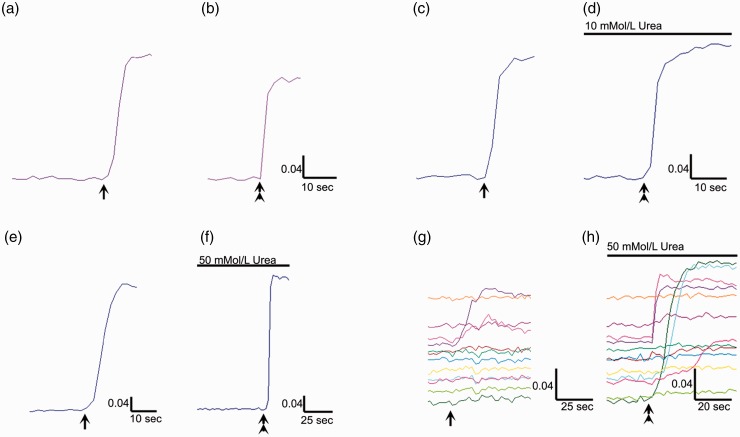
Urea-treated neurons had degenerating neurites with diminished PGP9.5 immunofluorescence, and swollen, retracted growth cones. βIII tubulin appeared clumped after urea treatment. After 48 hours urea treatment, neurite lengths were significantly reduced to 60 ± 2.6% (10 mmol/L, **P < 0.01), and to 56.2 ± 3.3% (50 mmol/L, **P < 0.01), compared with control neurons. Fewer neurons survived urea treatment, with 70.08 ± 13.3% remaining after 10 mmol/L (*P < 0.05) and 61.49 ± 7.4% after 50 mmol/L urea treatment (**P < 0.01), compared with controls. The proportion of neurons expressing TRPV1 was reduced after urea treatment, but not TRPM8 expressing neurons. In functional studies, treatment with urea resulted in dose-dependent neuronal sensitization. Capsaicin responses were significantly increased to 115.29 ± 3.4% (10 mmol/L, **P < 0.01) and 125.3 ± 4.2% (50 mmol/L, **P < 0.01), compared with controls. Sensitization due to urea was eliminated in the presence of the TRPV1 inhibitor SB705498, the mitogen-activated protein kinase kinase inhibitor PD98059, the PI3 kinase inhibitor LY294002 and the TRPM8 inhibitor N-(3-Aminopropyl)-2-[(3-methylphenyl)methoxy]-N-(2-thienylmethyl)benzamide (AMTB hydrochloride).
Neurite degeneration and sensitization are consistent with uremic neuropathy and provide a disease-relevant model to test new treatments.
尿毒症性神经病常影响慢性肾病患者,其足部出现疼痛感觉,随后腿部和手部出现麻木和无力。这些症状通常在肾移植后会得到缓解,但尿毒症性神经病和相关疼痛症状的机制仍不清楚。由于慢性肾病患者的血尿素水平升高,我们研究了临床上观察到的尿素水平对感觉神经元的形态和功能影响。
用 10 或 50mmol/L 尿素处理大鼠背根神经节神经元 48 小时,用 PGP9.5 和 βIII 微管蛋白免疫荧光固定和免疫染色。还对神经元进行 TRPV1、TRPM8 和 Gap43 表达的免疫染色,并测定尿素或载体处理神经元的辣椒素敏感性。
尿素处理的神经元有退化的轴突,PGP9.5 免疫荧光减弱,生长锥肿胀、回缩。βIII 微管蛋白在尿素处理后出现聚集。48 小时后,尿素处理的神经元的轴突长度明显缩短至 60±2.6%(10mmol/L,**P<0.01)和 56.2±3.3%(50mmol/L,**P<0.01),与对照组相比。用尿素处理后存活的神经元减少,用 10mmol/L 尿素处理后有 70.08±13.3%(*P<0.05),用 50mmol/L 尿素处理后有 61.49±7.4%(**P<0.01)存活,与对照组相比。尿素处理后 TRPV1 表达的神经元比例减少,但 TRPM8 表达的神经元没有减少。在功能研究中,用尿素处理导致神经元呈剂量依赖性敏化。与对照组相比,辣椒素反应分别显著增加至 115.29±3.4%(10mmol/L,**P<0.01)和 125.3±4.2%(50mmol/L,**P<0.01)。在存在 TRPV1 抑制剂 SB705498、丝裂原活化蛋白激酶激酶抑制剂 PD98059、PI3 激酶抑制剂 LY294002 和 TRPM8 抑制剂 N-(3-氨基丙基)-2-[(3-甲基苯基)甲氧基]-N-(2-噻吩基甲基)苯甲酰胺(AMTB 盐酸盐)的情况下,尿素引起的敏化作用被消除。
轴突退化和敏化与尿毒症性神经病一致,为测试新疗法提供了一个相关疾病模型。