Wei Ran, Hackman Robert M, Wang Yuefei, Mackenzie Gerardo G
Tea Science Institute, Zhejiang University, Hangzhou 310058, China.
Department of Nutrition, University of California, Davis, CA 95616, USA.
Cancers (Basel). 2019 Oct 5;11(10):1496. doi: 10.3390/cancers11101496.
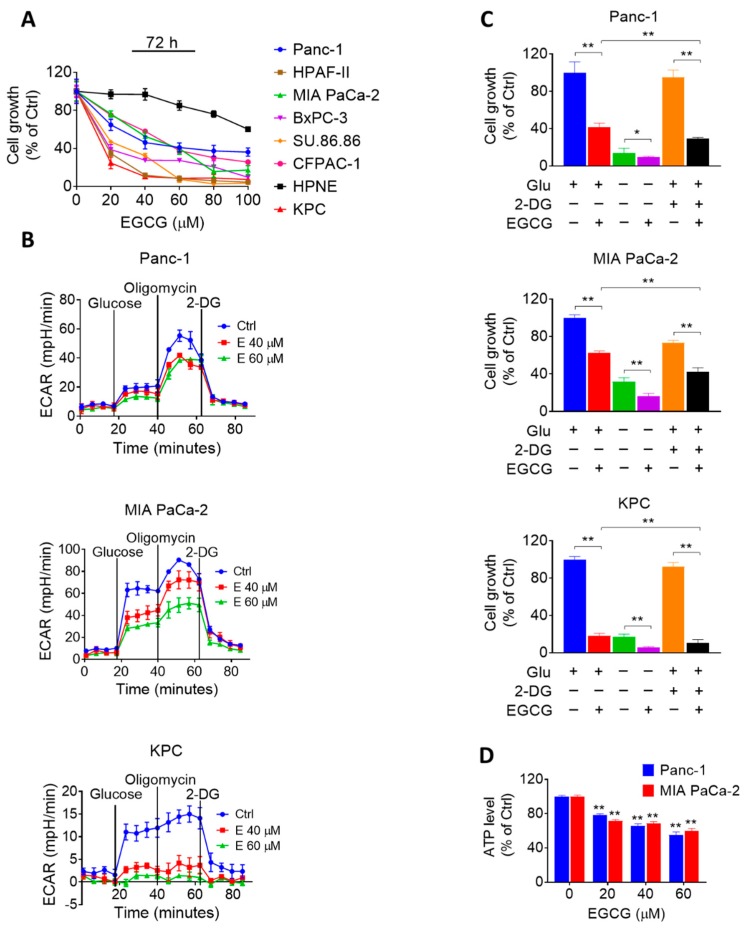
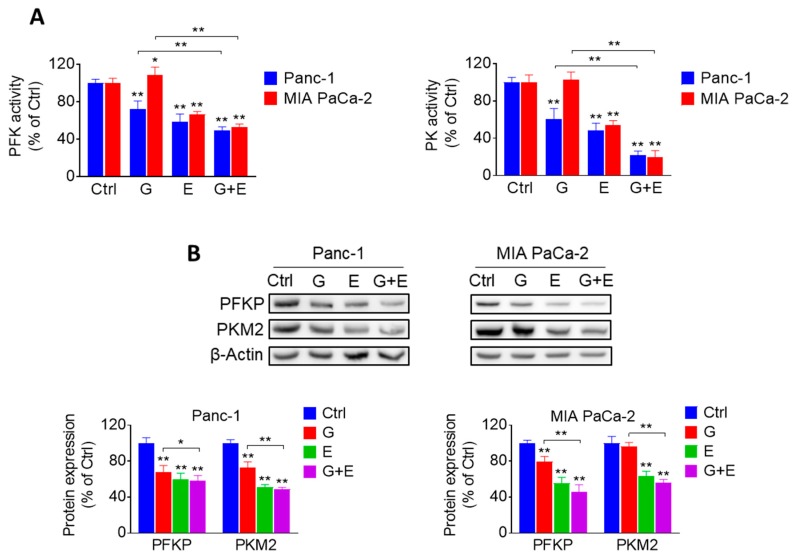
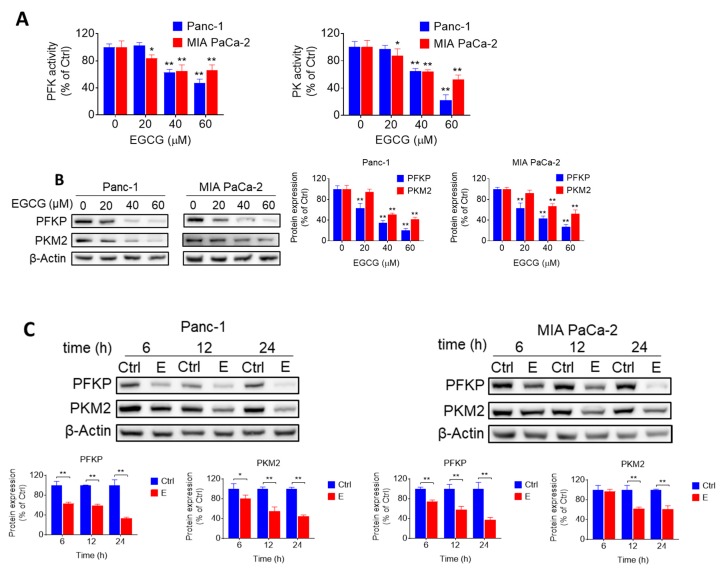
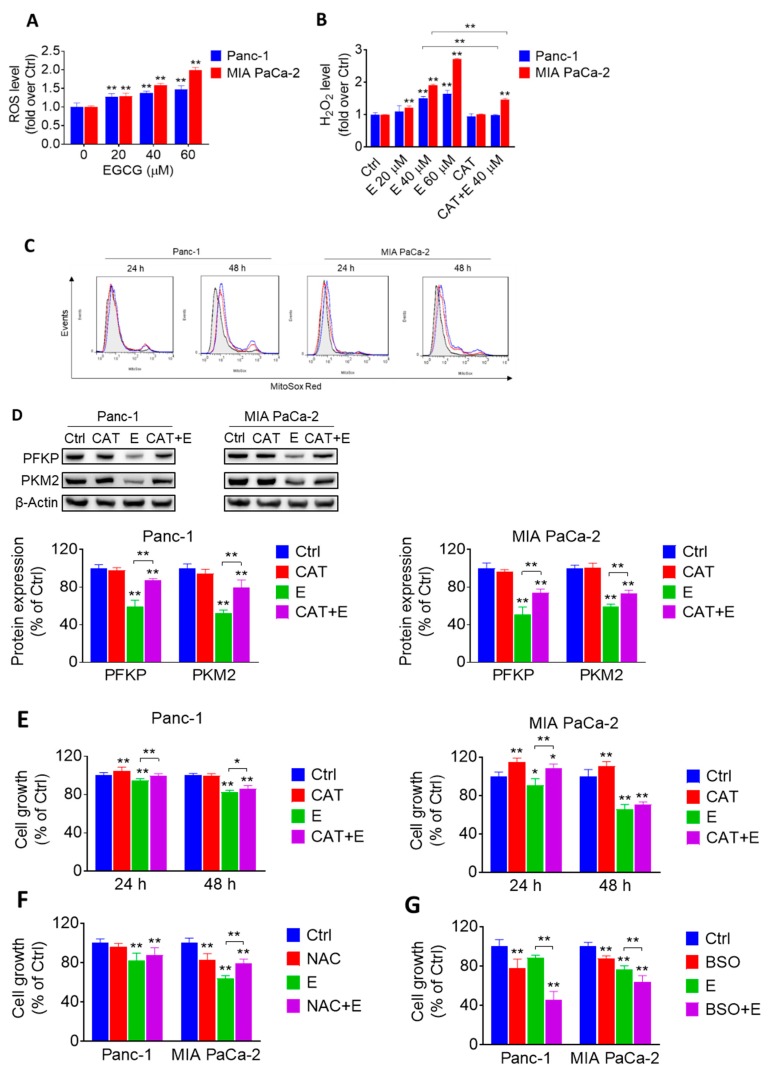
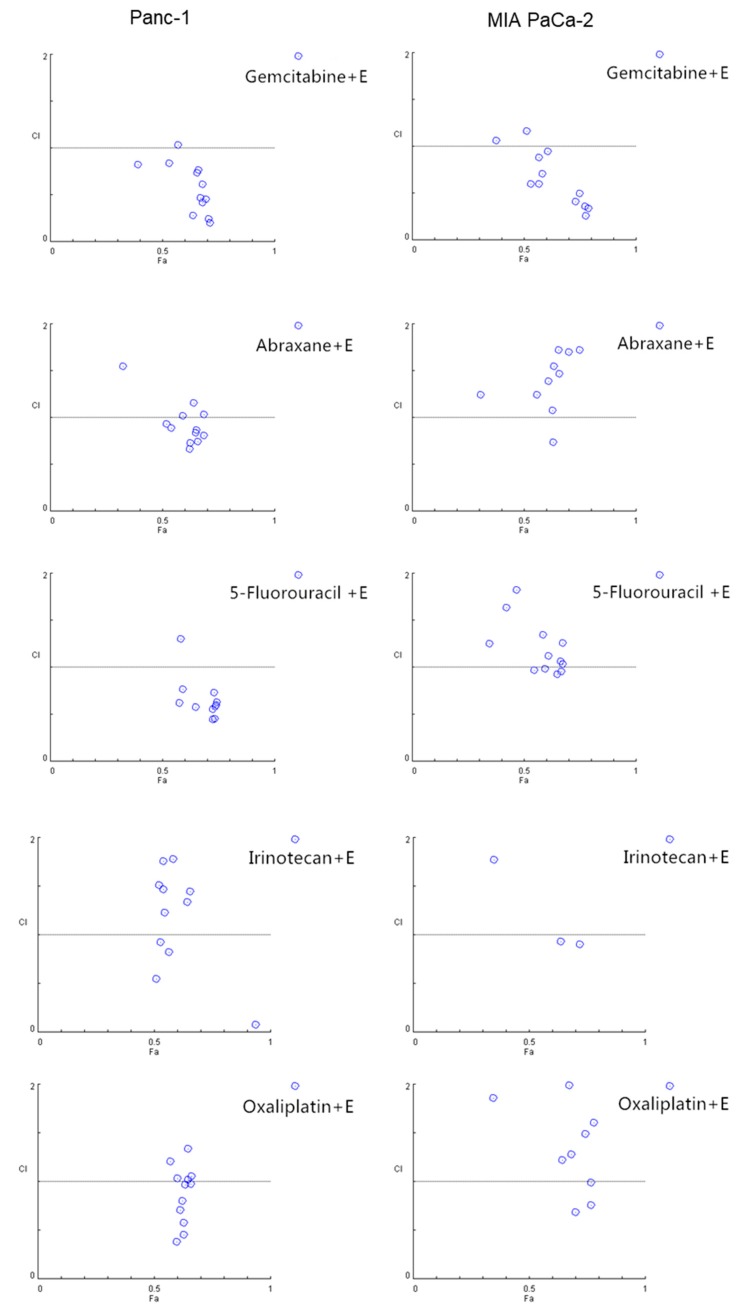
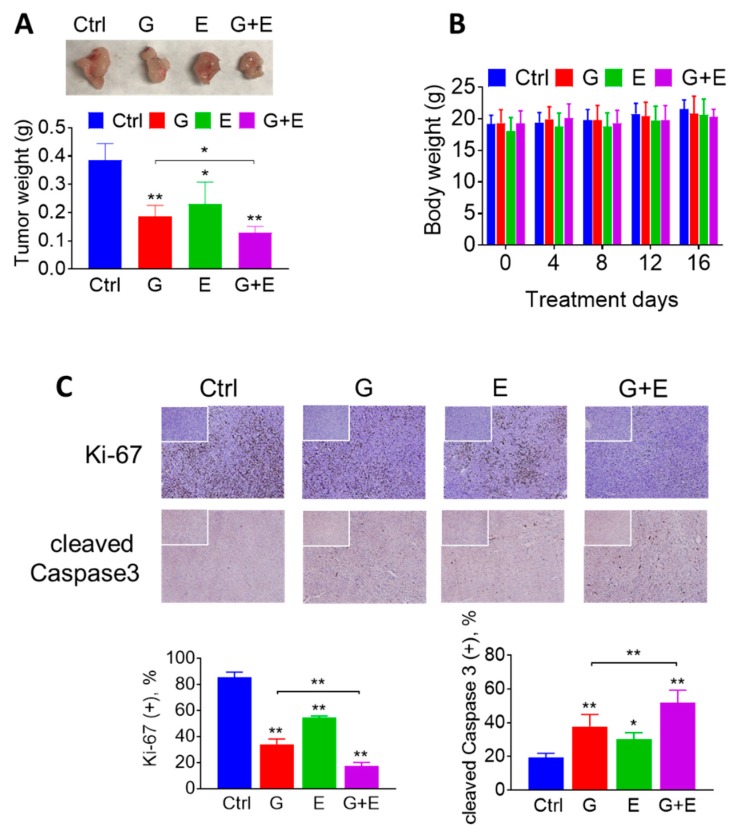
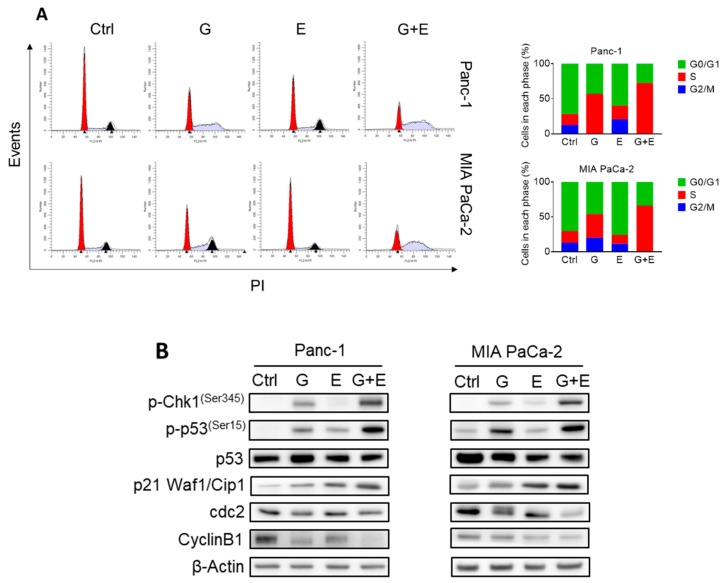
Pancreatic cancer is a complex disease, in need of new therapeutic approaches. In this study, we explored the effect and mechanism of action of epigallocatechin-3-gallate (EGCG), a major polyphenol in green tea, alone and in combination with current chemotherapeutics on pancreatic cancer cell growth, focusing on glycolysis metabolism. Moreover, we investigated whether EGCG's effect is dependent on its ability to induce reactive oxygen species (ROS). EGCG reduced pancreatic cancer cell growth in a concentration-dependent manner and the growth inhibition effect was further enhanced under glucose deprivation conditions. Mechanistically, EGCG induced ROS levels concentration-dependently. EGCG affected glycolysis by suppressing the extracellular acidification rate through the reduction of the activity and levels of the glycolytic enzymes phosphofructokinase and pyruvate kinase. Cotreatment with catalase abrogated EGCG's effect on phosphofructokinase and pyruvate kinase. Furthermore, EGCG sensitized gemcitabine to inhibit pancreatic cancer cell growth in vitro and in vivo. EGCG and gemcitabine, given alone, reduced pancreatic tumor xenograft growth by 40% and 52%, respectively, whereas the EGCG/gemcitabine combination reduced tumor growth by 67%. EGCG enhanced gemcitabine's effect on apoptosis, cell proliferation, cell cycle and further suppressed phosphofructokinase and pyruvate kinase levels. In conclusion, EGCG is a strong combination partner of gemcitabine reducing pancreatic cancer cell growth by suppressing glycolysis.
胰腺癌是一种复杂的疾病,需要新的治疗方法。在本研究中,我们探究了绿茶中的主要多酚表没食子儿茶素-3-没食子酸酯(EGCG)单独及与现有化疗药物联合使用对胰腺癌细胞生长的影响及作用机制,重点关注糖酵解代谢。此外,我们研究了EGCG的作用是否依赖于其诱导活性氧(ROS)的能力。EGCG以浓度依赖的方式降低胰腺癌细胞的生长,在葡萄糖剥夺条件下,生长抑制作用进一步增强。从机制上讲,EGCG浓度依赖性地诱导ROS水平。EGCG通过降低糖酵解酶磷酸果糖激酶和丙酮酸激酶的活性及水平来抑制细胞外酸化率,从而影响糖酵解。与过氧化氢酶共同处理可消除EGCG对磷酸果糖激酶和丙酮酸激酶的作用。此外,EGCG在体外和体内均能使吉西他滨更有效地抑制胰腺癌细胞生长。单独使用EGCG和吉西他滨分别使胰腺肿瘤异种移植瘤的生长降低了40%和52%,而EGCG/吉西他滨联合使用则使肿瘤生长降低了67%。EGCG增强了吉西他滨对细胞凋亡、细胞增殖、细胞周期的作用,并进一步抑制了磷酸果糖激酶和丙酮酸激酶的水平。总之,EGCG是吉西他滨的强大联合用药伙伴,通过抑制糖酵解来降低胰腺癌细胞的生长。