Division of Biomedical Physics, Office of Science and Engineering Laboratories, Center for Devices and Radiological Health, Food and Drug Administration, Silver Spring, MD, USA.
Division of Neurological and Physical Medicine Devices, Office of Device Evaluation, Center for Devices and Radiological Health, Food and Drug Administration, Silver Spring, MD, USA.
Sci Rep. 2019 Oct 29;9(1):15518. doi: 10.1038/s41598-019-51876-5.
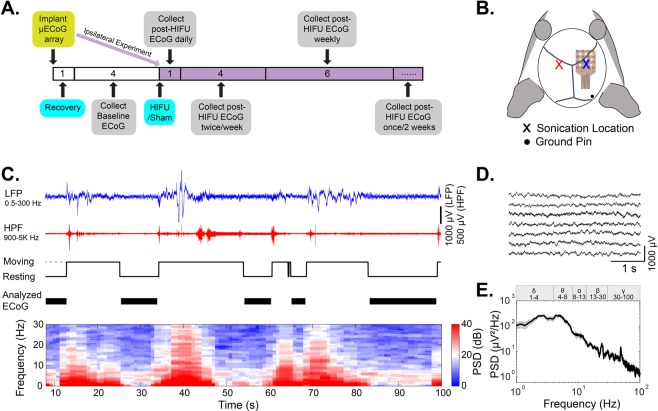
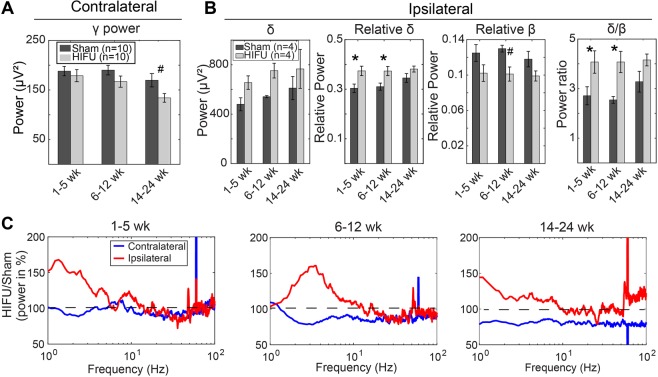
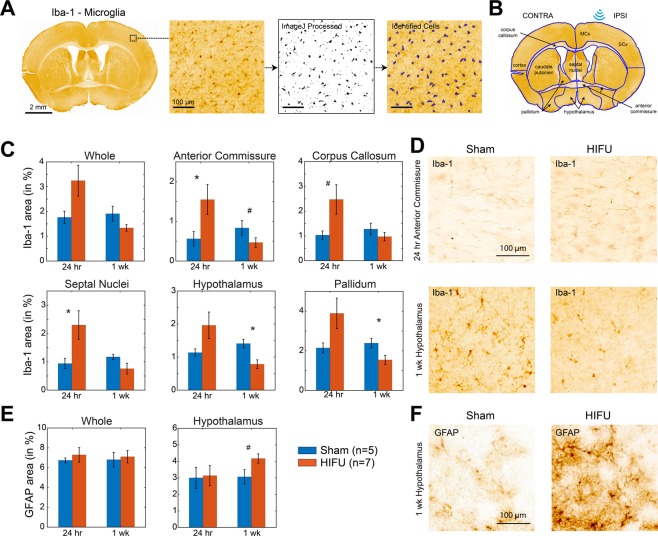
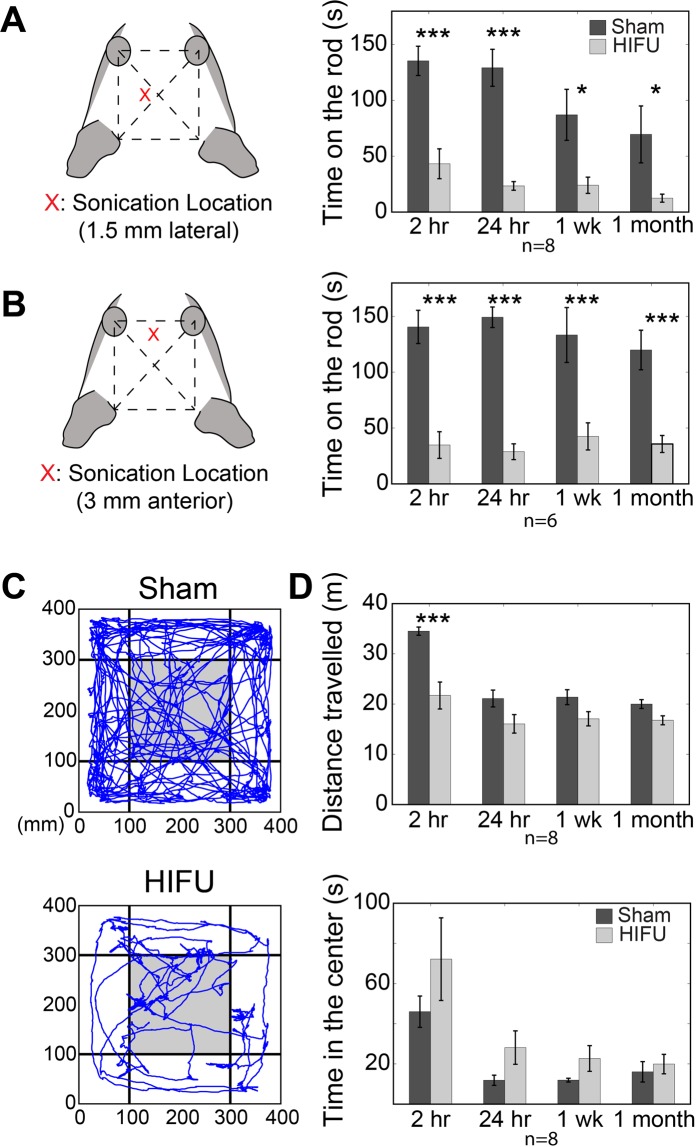
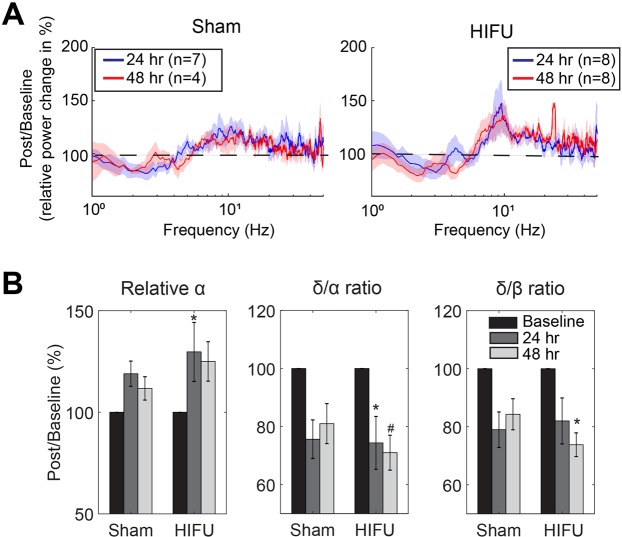
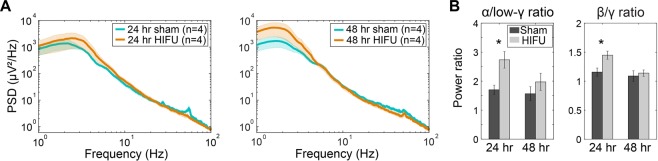
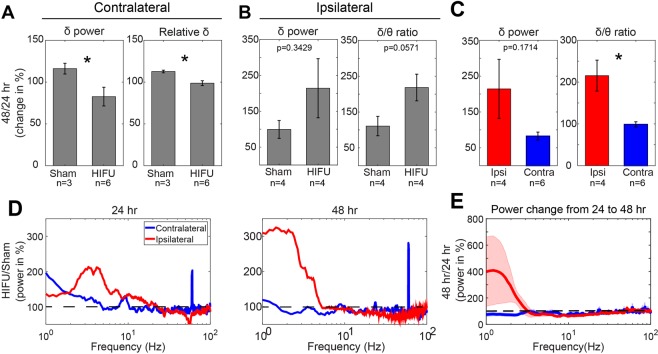
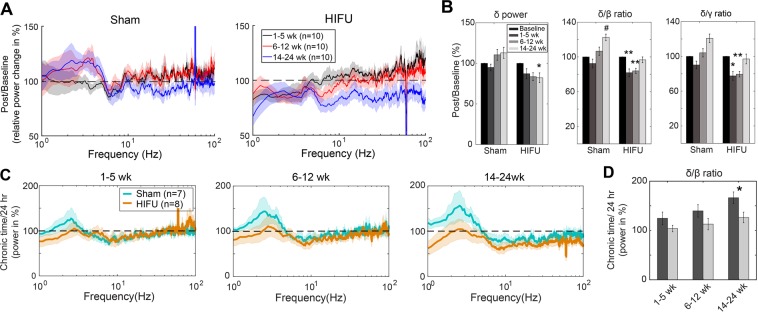
Exposure of the brain to high-intensity stress waves creates the potential for long-term functional deficits not related to thermal or cavitational damage. Possible sources of such exposure include overpressure from blast explosions or high-intensity focused ultrasound (HIFU). While current ultrasound clinical protocols do not normally produce long-term neurological deficits, the rapid expansion of potential therapeutic applications and ultrasound pulse-train protocols highlights the importance of establishing a safety envelope beyond which therapeutic ultrasound can cause neurological deficits not detectable by standard histological assessment for thermal and cavitational damage. In this study, we assessed the neuroinflammatory response, behavioral effects, and brain micro-electrocorticographic (µECoG) signals in mice following exposure to a train of transcranial pulses above normal clinical parameters. We found that the HIFU exposure induced a mild regional neuroinflammation not localized to the primary focal site, and impaired locomotor and exploratory behavior for up to 1 month post-exposure. In addition, low frequency (δ) and high frequency (β, γ) oscillations recorded by ECoG were altered at acute and chronic time points following HIFU application. ECoG signal changes on the hemisphere ipsilateral to HIFU exposure are of greater magnitude than the contralateral hemisphere, and persist for up to three months. These results are useful for describing the upper limit of transcranial ultrasound protocols, and the neurological sequelae of injury induced by high-intensity stress waves.
大脑暴露于高强度的应激波中,会产生与热或空化损伤无关的长期功能缺陷的可能性。这种暴露的可能来源包括爆炸冲击波的过压或高强度聚焦超声(HIFU)。虽然目前的超声临床方案通常不会产生长期的神经功能缺陷,但潜在治疗应用和超声脉冲序列方案的迅速扩展,突出了在治疗超声可能导致通过标准热和空化损伤组织学评估无法检测到的神经功能缺陷的安全范围之外建立安全界限的重要性。在这项研究中,我们评估了暴露于高于正常临床参数的一连串颅穿透脉冲后,小鼠的神经炎症反应、行为效应和脑微电皮质电图(µECoG)信号。我们发现,HIFU 暴露会引起轻度的区域性神经炎症,而不是局限于主要焦点部位,并在暴露后长达 1 个月的时间内损害运动和探索行为。此外,在 HIFU 应用后的急性和慢性时间点,ECoG 记录的低频(δ)和高频(β、γ)振荡发生了改变。与对侧半球相比,HIFU 暴露同侧半球的 ECoG 信号变化幅度更大,并且持续时间长达三个月。这些结果有助于描述颅穿透超声方案的上限,以及高强度应激波引起的损伤的神经后果。