Institute for Atherosclerosis Research, Skolkovo Innovative Center, Moscow 121609, Russian Federation
Laboratory of Angiopathology, Institute of General Pathology and Pathophysiology, 125315 Moscow, Russian, Federation
Curr Neuropharmacol. 2020;18(11):1064-1075. doi: 10.2174/1570159X17666191118125018.
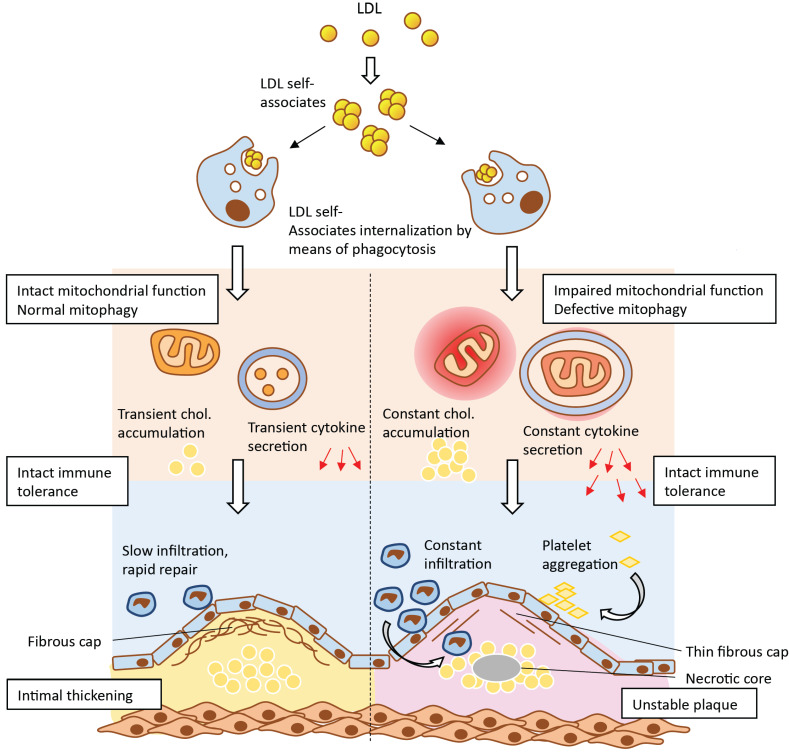
Atherosclerosis is a chronic inflammatory condition that affects different arteries in the human body and often leads to severe neurological complications, such as stroke and its sequelae. Affected blood vessels develop atherosclerotic lesions in the form of focal thickening of the intimal layer, so called atherosclerotic plaques.
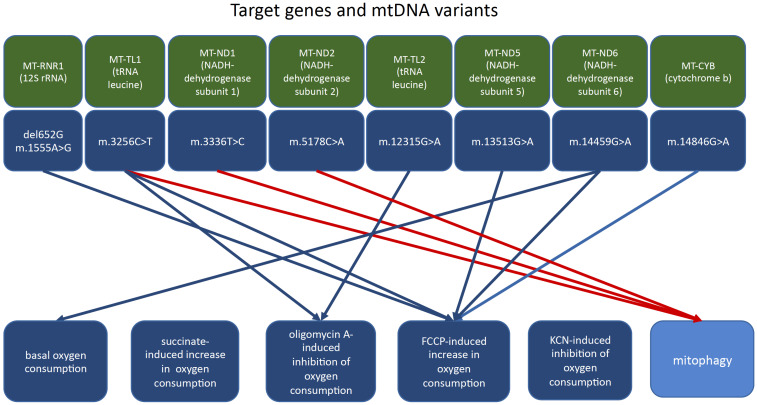
Despite the high priority of atherosclerosis research for global health and the numerous preclinical and clinical studies conducted, currently, there is no effective pharmacological treatment that directly impacts atherosclerotic plaques. Many knowledge gaps exist in our understanding of the mechanisms of plaque formation. In this review, we discuss the role of mitochondria in different cell types involved in atherogenesis and provide information about mtDNA mutations associated with the disease.
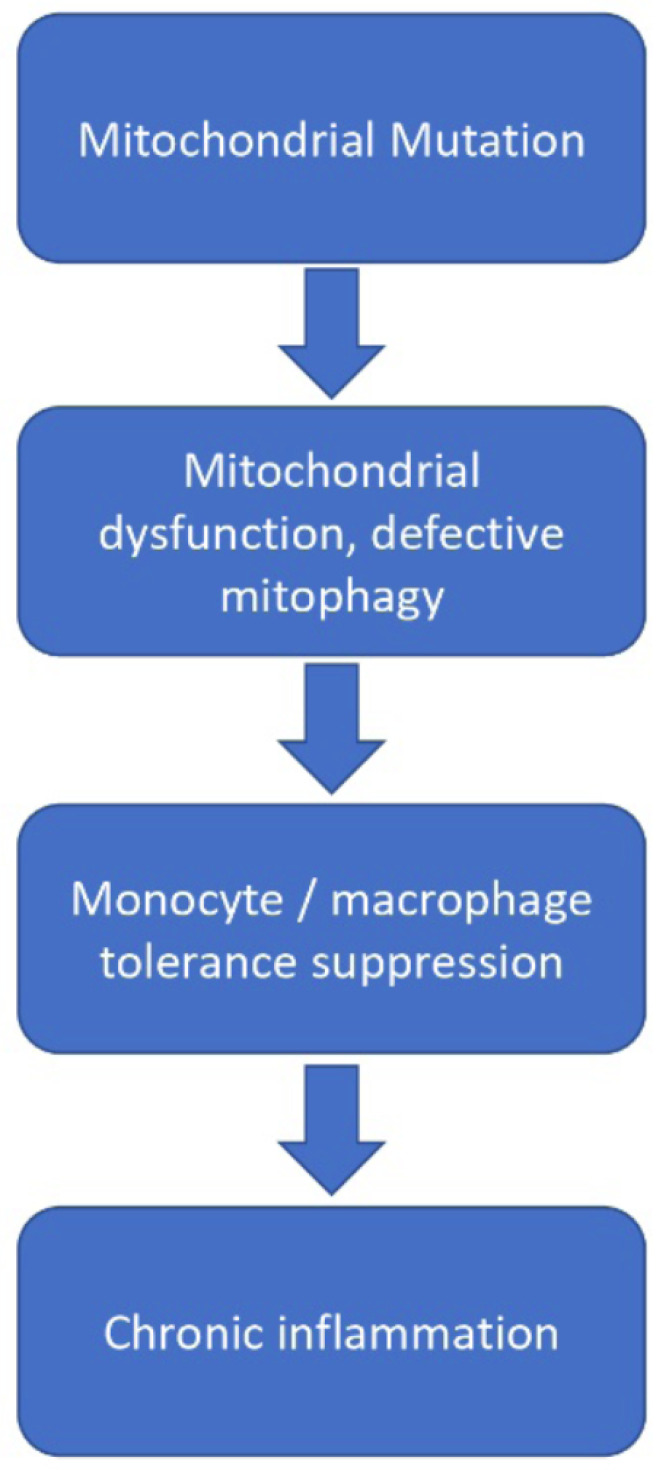
Mitochondria of blood and arterial wall cells appear to be one of the important factors in disease initiation and development. Significant experimental evidence connects oxidative stress associated with mitochondrial dysfunction and vascular disease. Moreover, mitochondrial DNA (mtDNA) deletions and mutations are being considered as potential disease markers. Further study of mtDNA damage and associated dysfunction may open new perspectives for atherosclerosis treatment.
Mitochondria can be considered as important disease-modifying factors in several chronic pathologies. Deletions and mutations of mtDNA may be used as potential disease markers. Mitochondria-targeting antioxidant therapies appear to be promising for the development of treatment of atherosclerosis and other diseases associated with oxidative stress and chronic inflammation.
动脉粥样硬化是一种慢性炎症性疾病,影响人体的不同动脉,常导致严重的神经并发症,如中风及其后遗症。受影响的血管以内膜层局灶性增厚的形式发展出动脉粥样硬化病变,即所谓的粥样斑块。
尽管动脉粥样硬化研究对全球健康具有高度优先性,并且已经进行了众多的临床前和临床研究,但目前仍没有直接影响动脉粥样硬化斑块的有效药物治疗方法。我们对斑块形成机制的理解存在许多知识空白。在这篇综述中,我们讨论了线粒体在参与动脉粥样硬化形成的不同细胞类型中的作用,并提供了与该疾病相关的 mtDNA 突变的信息。
血液和动脉壁细胞的线粒体似乎是疾病起始和发展的重要因素之一。大量实验证据将与线粒体功能障碍相关的氧化应激与血管疾病联系起来。此外,线粒体 DNA(mtDNA)缺失和突变被认为是潜在的疾病标志物。进一步研究 mtDNA 损伤及其相关功能障碍可能为动脉粥样硬化治疗开辟新的视角。
线粒体可以被视为几种慢性病理中的重要疾病修饰因素。mtDNA 的缺失和突变可作为潜在的疾病标志物。针对线粒体的抗氧化治疗方法似乎有望开发出治疗动脉粥样硬化和其他与氧化应激和慢性炎症相关的疾病的方法。