Kawamura Naohiko, Nakao Yuya, Ishikawa Rina, Tsuchida Dai, Iijima Masahiro
Division of Orthodontics and Dentofacial Orthopedics, Department of Oral Growth and Development, School of Dentistry, Health Sciences University of Hokkaido, Hokkaido 061-0293, Japan.
Materials (Basel). 2020 Jan 19;13(2):473. doi: 10.3390/ma13020473.
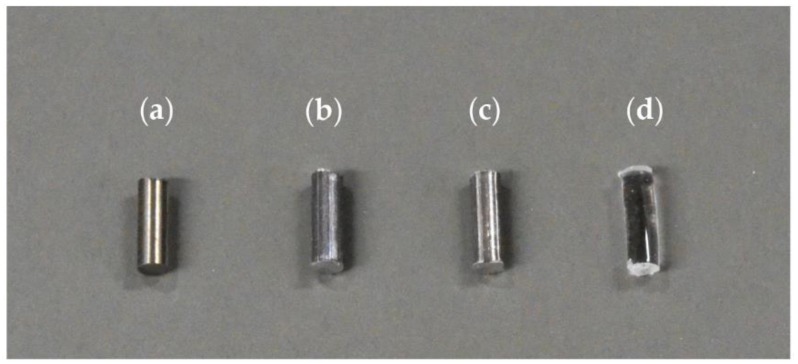
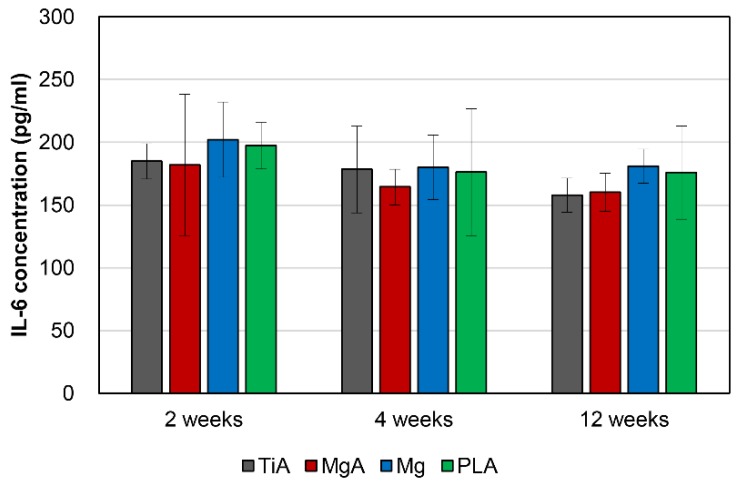
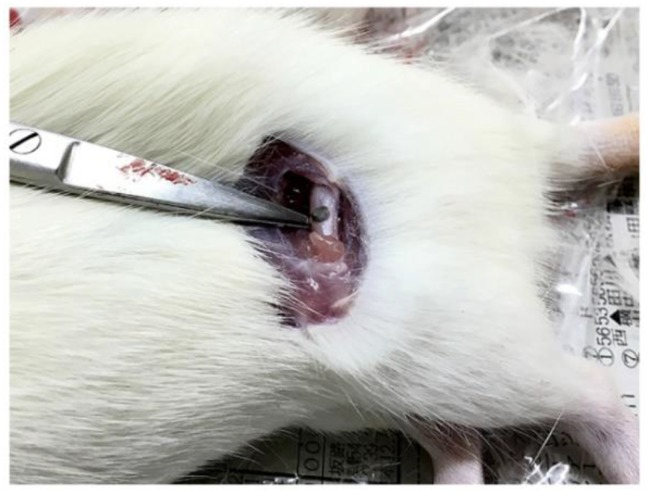
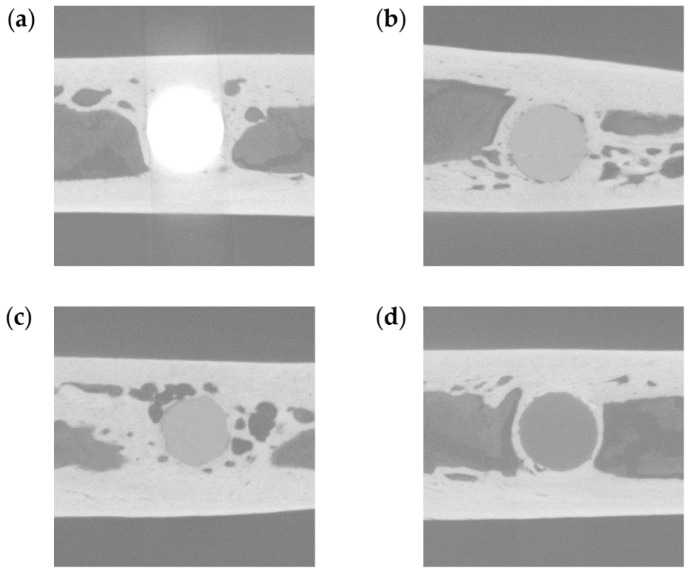
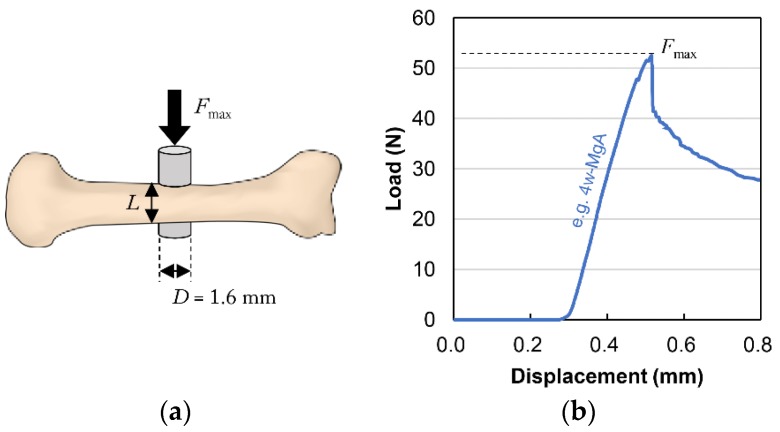
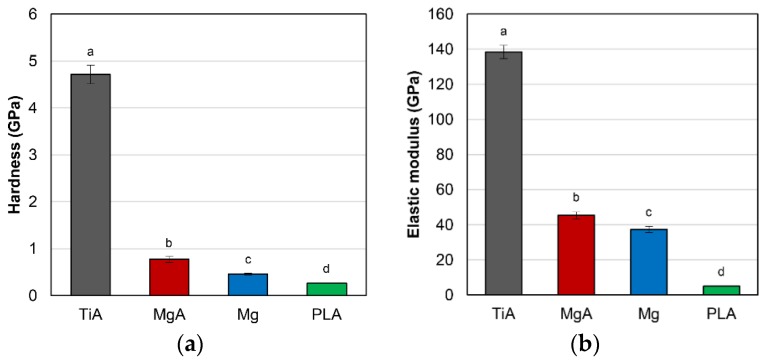
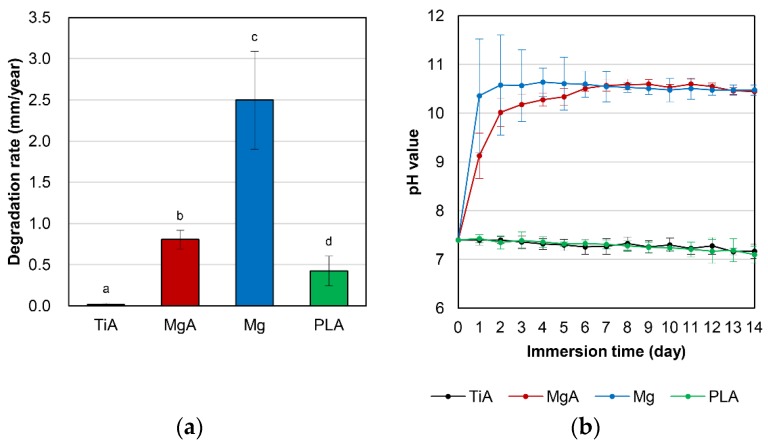
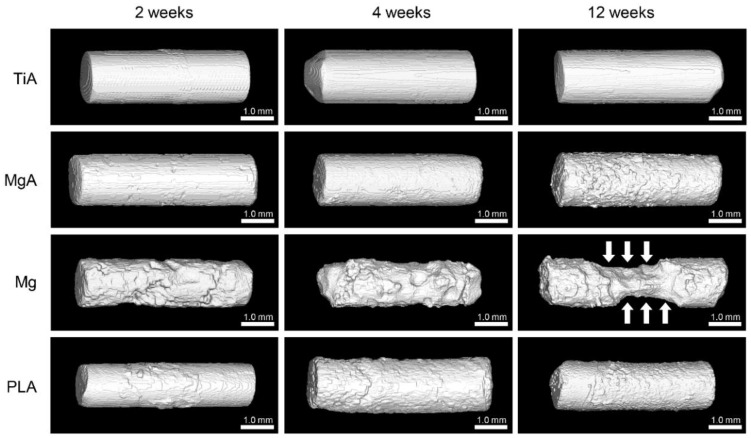
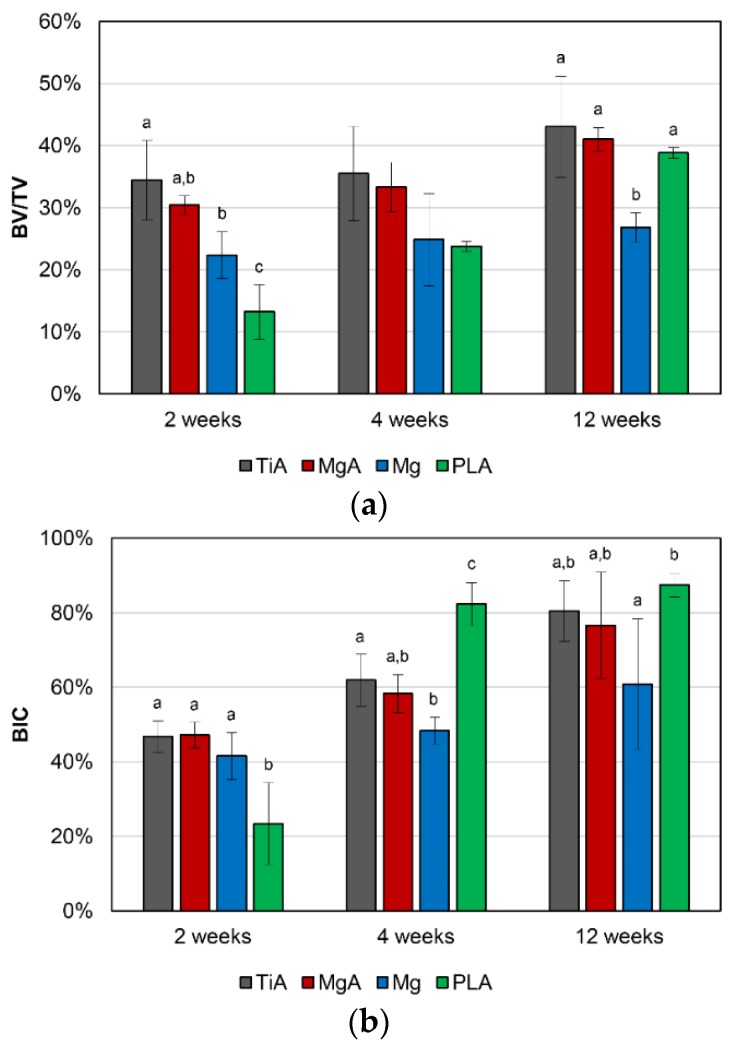
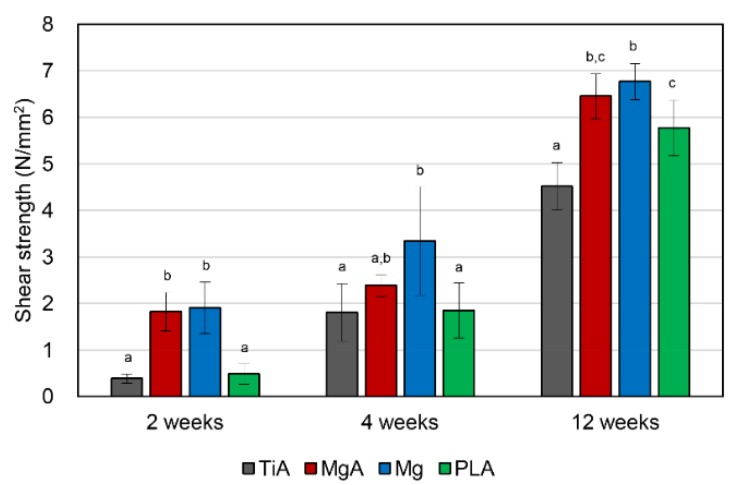
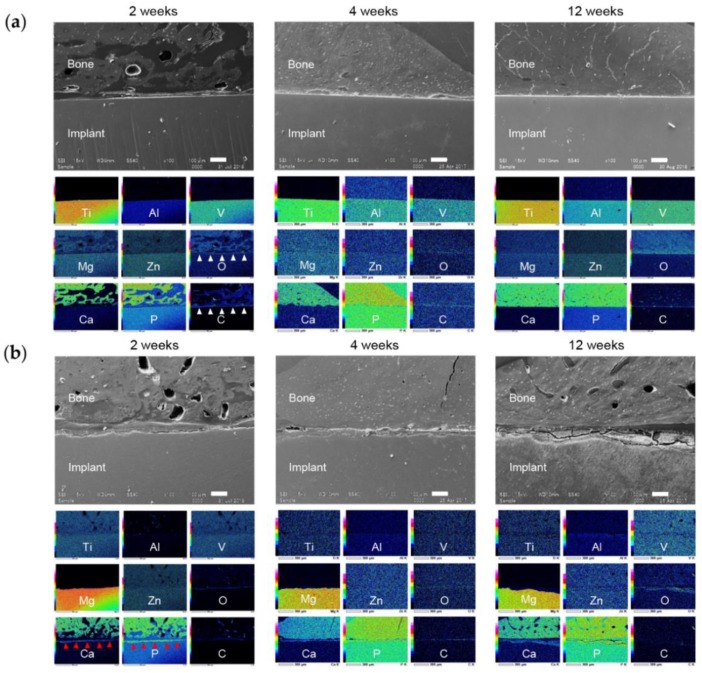
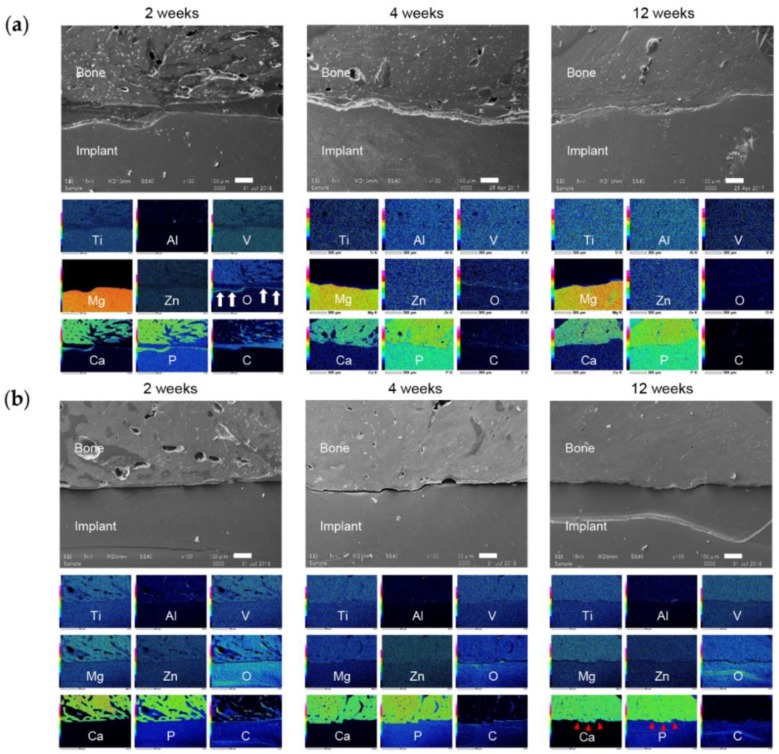
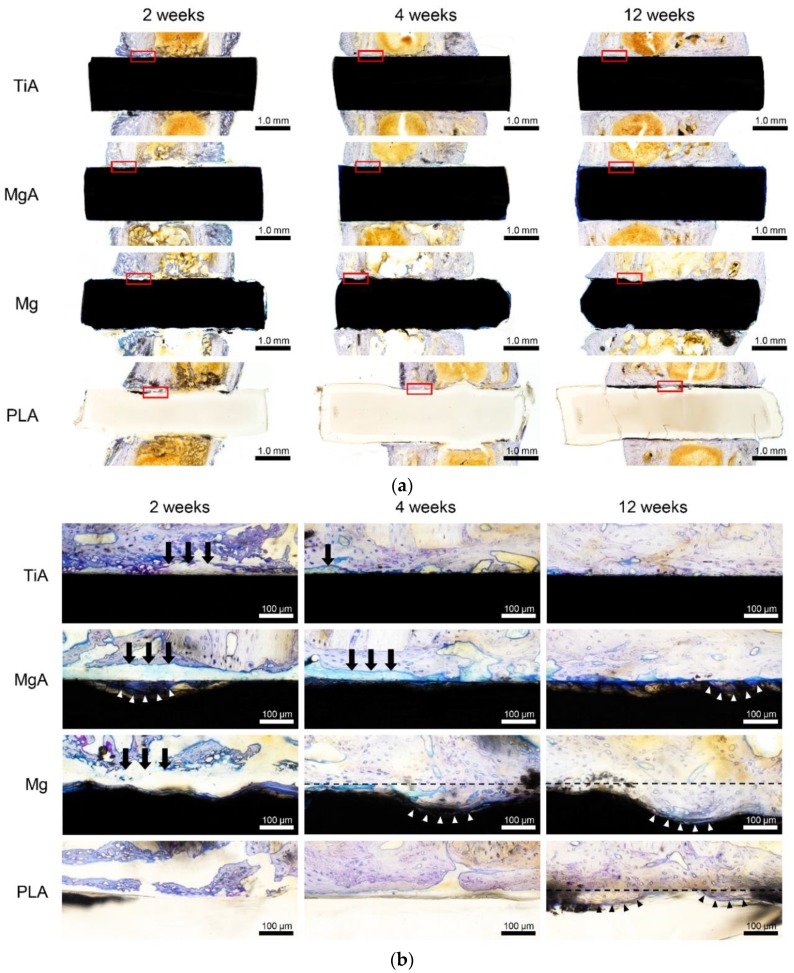
In current orthodontic practice, miniscrew implants (MSIs) for anchorage and bone fixation plates (BFPs) for surgical orthodontic treatment are commonly used. MSIs and BFPs that are made of bioabsorbable material would avoid the need for removal surgery. We investigated the mechanical, degradation and osseointegration properties and the bone-implant interface strength of the AZ31 bioabsorbable magnesium alloy to assess its suitability for MSIs and BFPs. The mechanical properties of a Ti alloy (TiA), AZ31 Mg alloy (MgA), pure Mg and poly-L-lactic acid (PLA) were investigated using a nanoindentation test. Also, pH changes in the solution and degradation rates were determined using immersion tests. Three-dimensional, high-resolution, micro-computed tomography (CT) of implants in the rat femur was performed. Biomechanical push-out testing was conducted to calculate the maximum shear strength of the bone-implant interface. Scanning electron microscopy (SEM), histological analysis and an evaluation of systemic inflammation were performed. MgA has mechanical properties similar to those of bone, and is suitable for implants. The degradation rate of MgA was significantly lower than that of Mg. MgA achieved a significantly higher bone-implant bond strength than TiA. Micro-CT revealed no significant differences in bone density or bone-implant contact between TiA and MgA. In conclusion, the AZ31 Mg alloy is suitable for both MSIs and BFPs.
在当前的正畸治疗实践中,常用于支抗的微型螺钉种植体(MSIs)和用于外科正畸治疗的骨固定板(BFPs)被广泛使用。由生物可吸收材料制成的MSIs和BFPs将避免移除手术的需要。我们研究了AZ31生物可吸收镁合金的力学、降解和骨整合特性以及骨-种植体界面强度,以评估其用于MSIs和BFPs的适用性。使用纳米压痕试验研究了钛合金(TiA)、AZ31镁合金(MgA)、纯镁和聚L-乳酸(PLA)的力学性能。此外,通过浸泡试验测定了溶液中的pH变化和降解速率。对大鼠股骨中的种植体进行了三维高分辨率微计算机断层扫描(CT)。进行生物力学推出试验以计算骨-种植体界面的最大剪切强度。进行了扫描电子显微镜(SEM)、组织学分析和全身炎症评估。MgA具有与骨相似的力学性能,适用于种植体。MgA的降解速率明显低于Mg。MgA实现了比TiA显著更高的骨-种植体结合强度。微CT显示TiA和MgA之间的骨密度或骨-种植体接触无显著差异。总之,AZ31镁合金适用于MSIs和BFPs。