School of Forensic Medicine, China Medical University, Liaoning, 110014, China.
Sci Rep. 2020 Feb 4;10(1):1790. doi: 10.1038/s41598-020-58599-y.
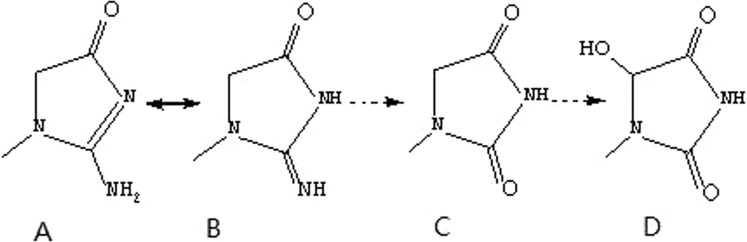
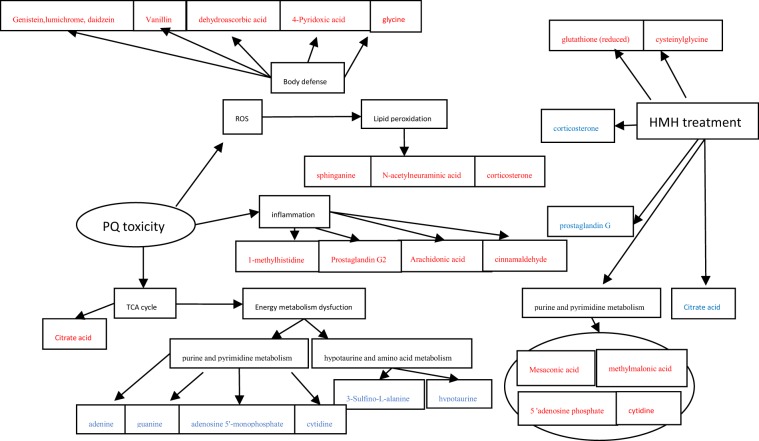
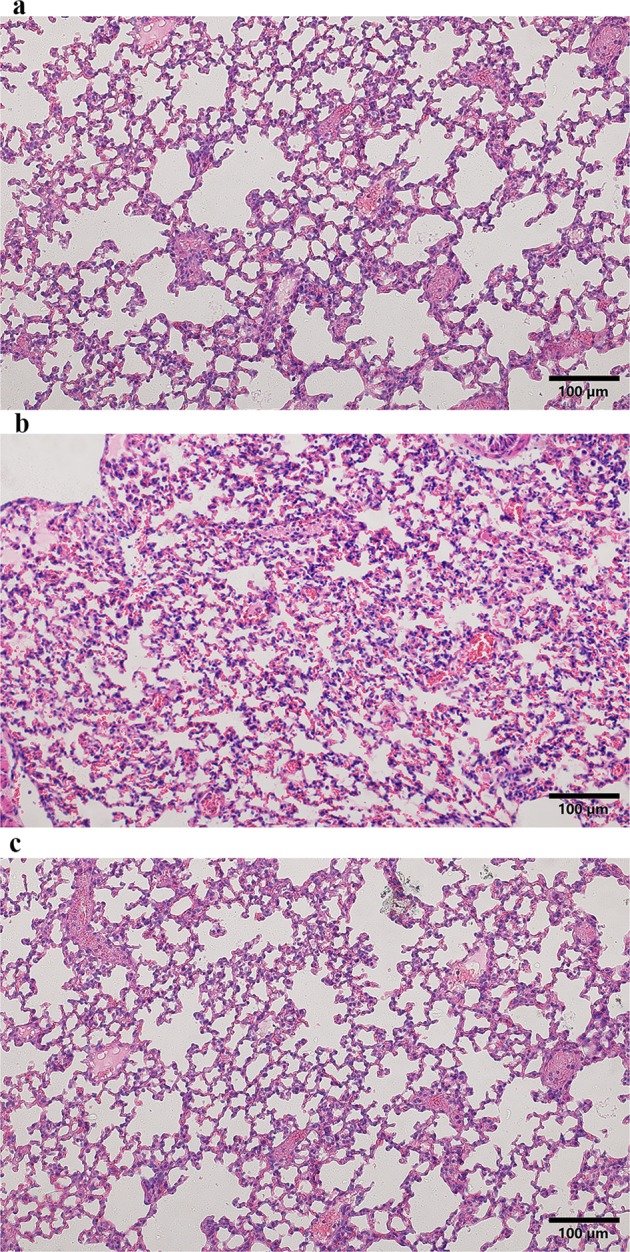
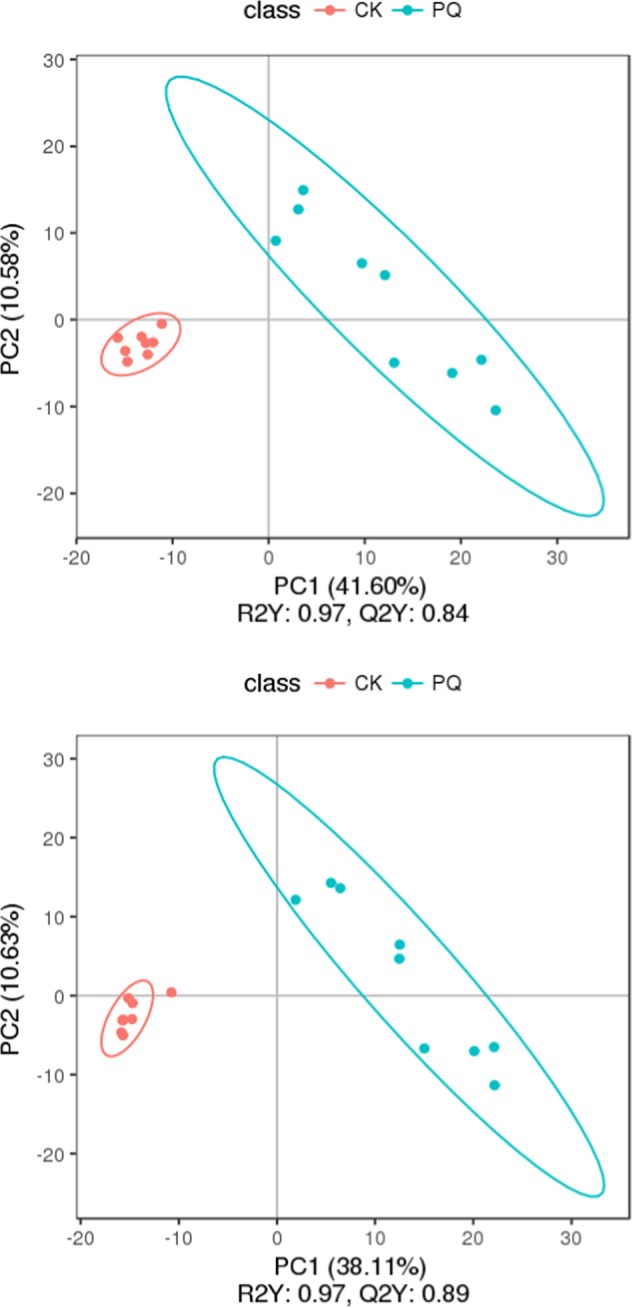
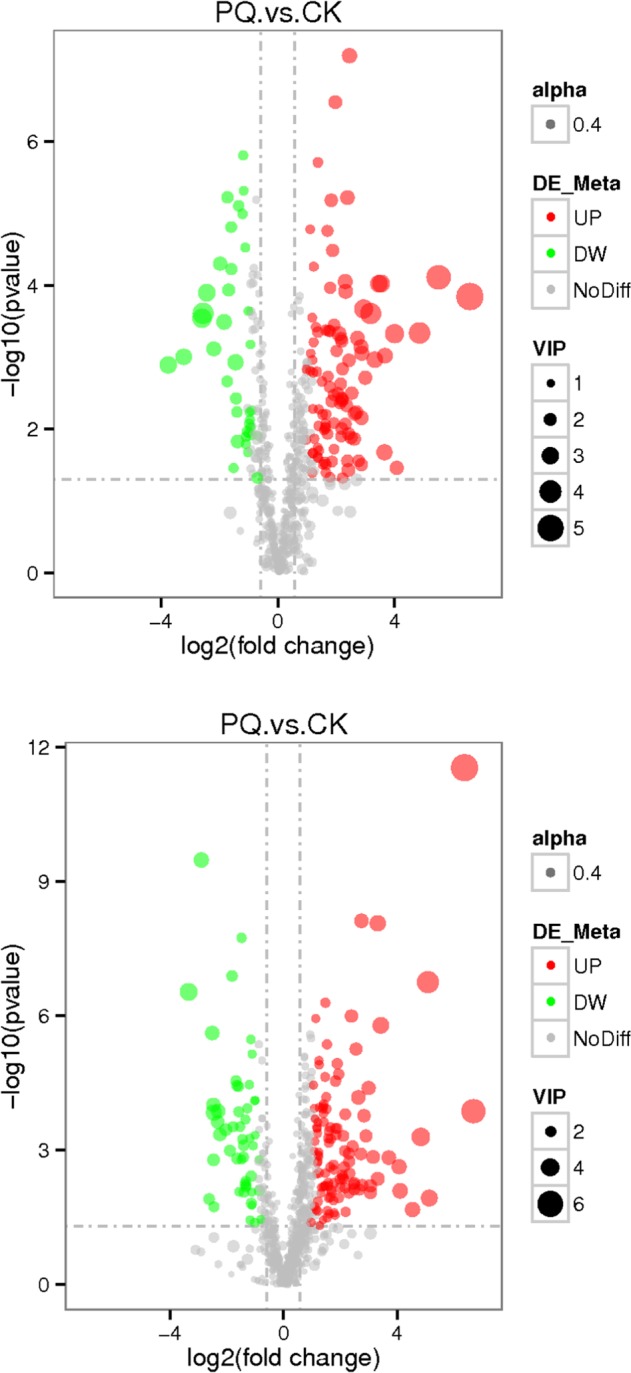
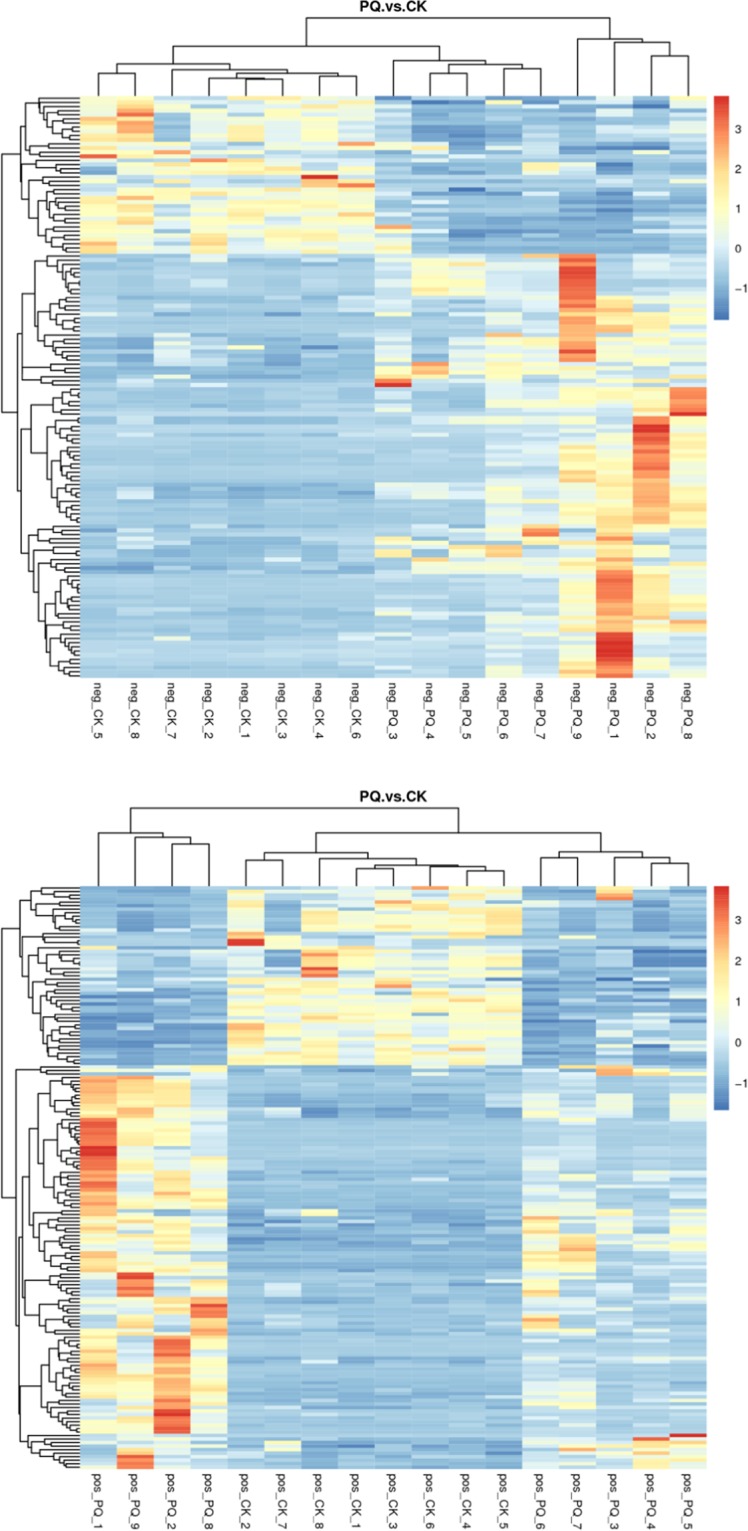
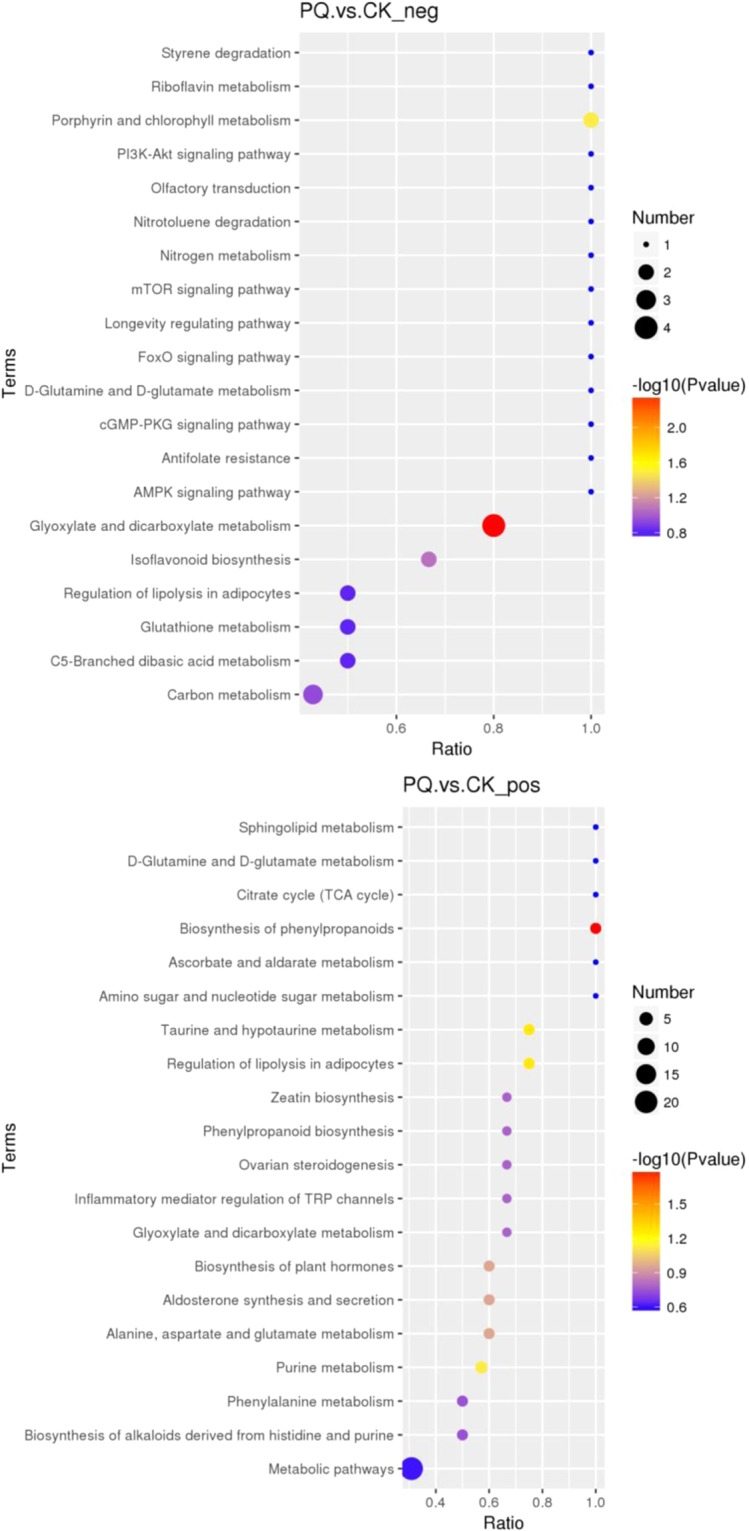
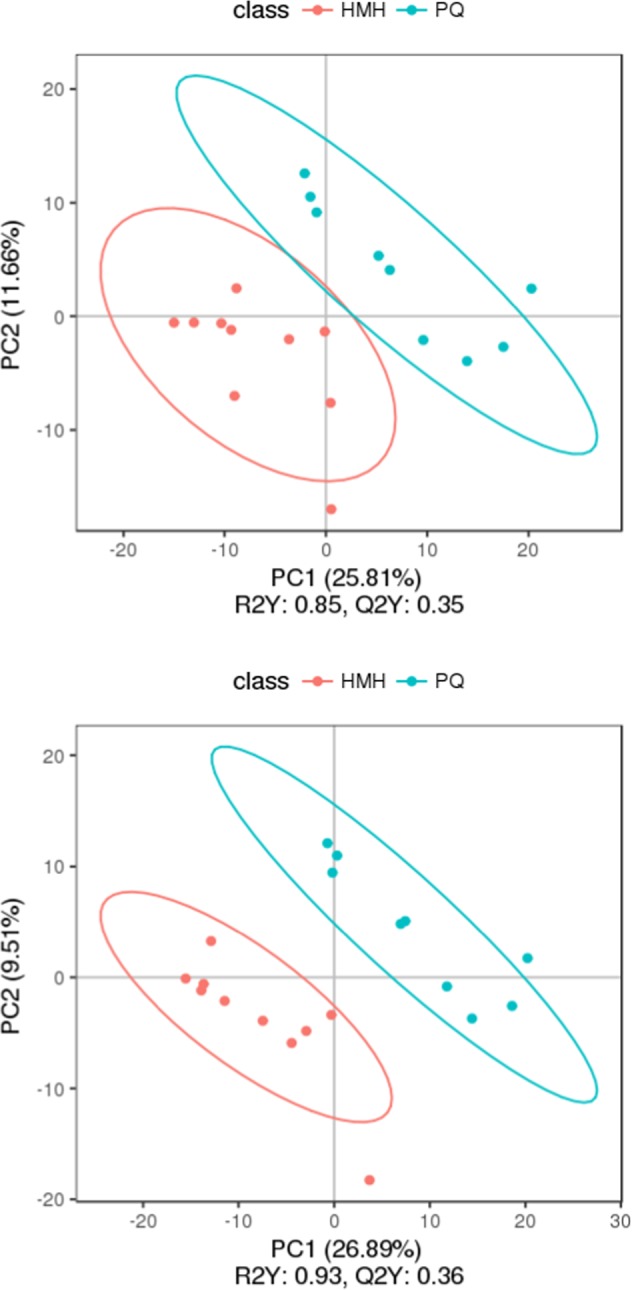
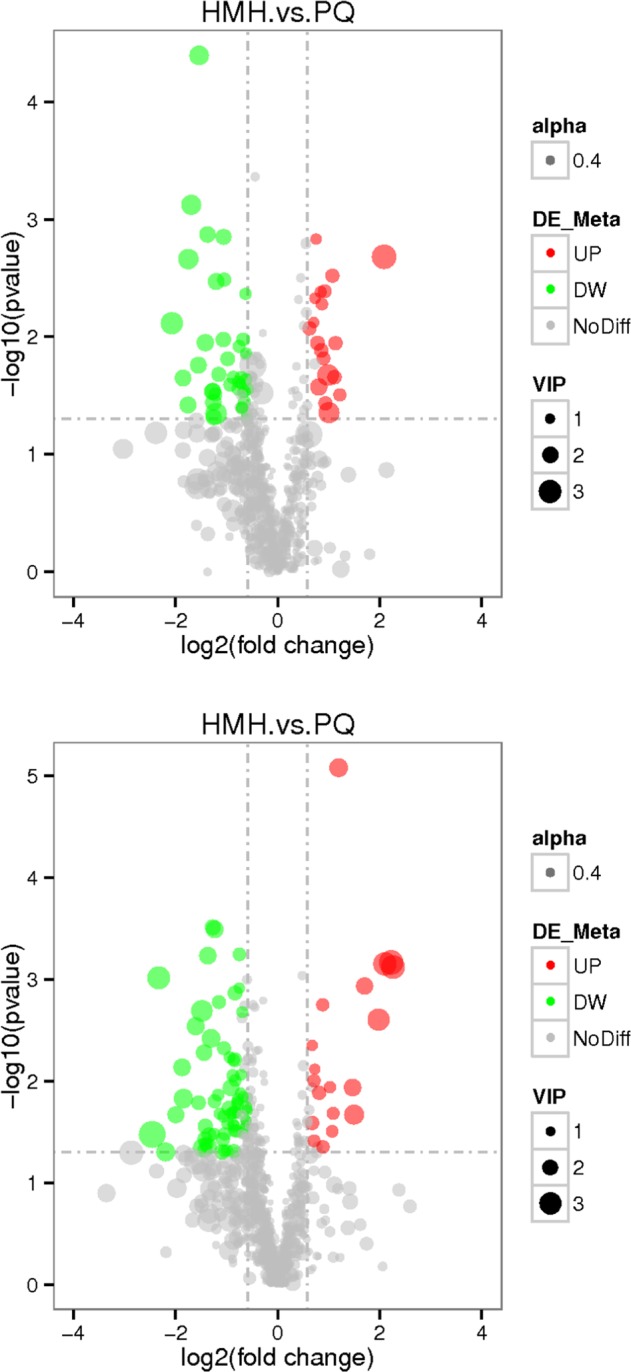
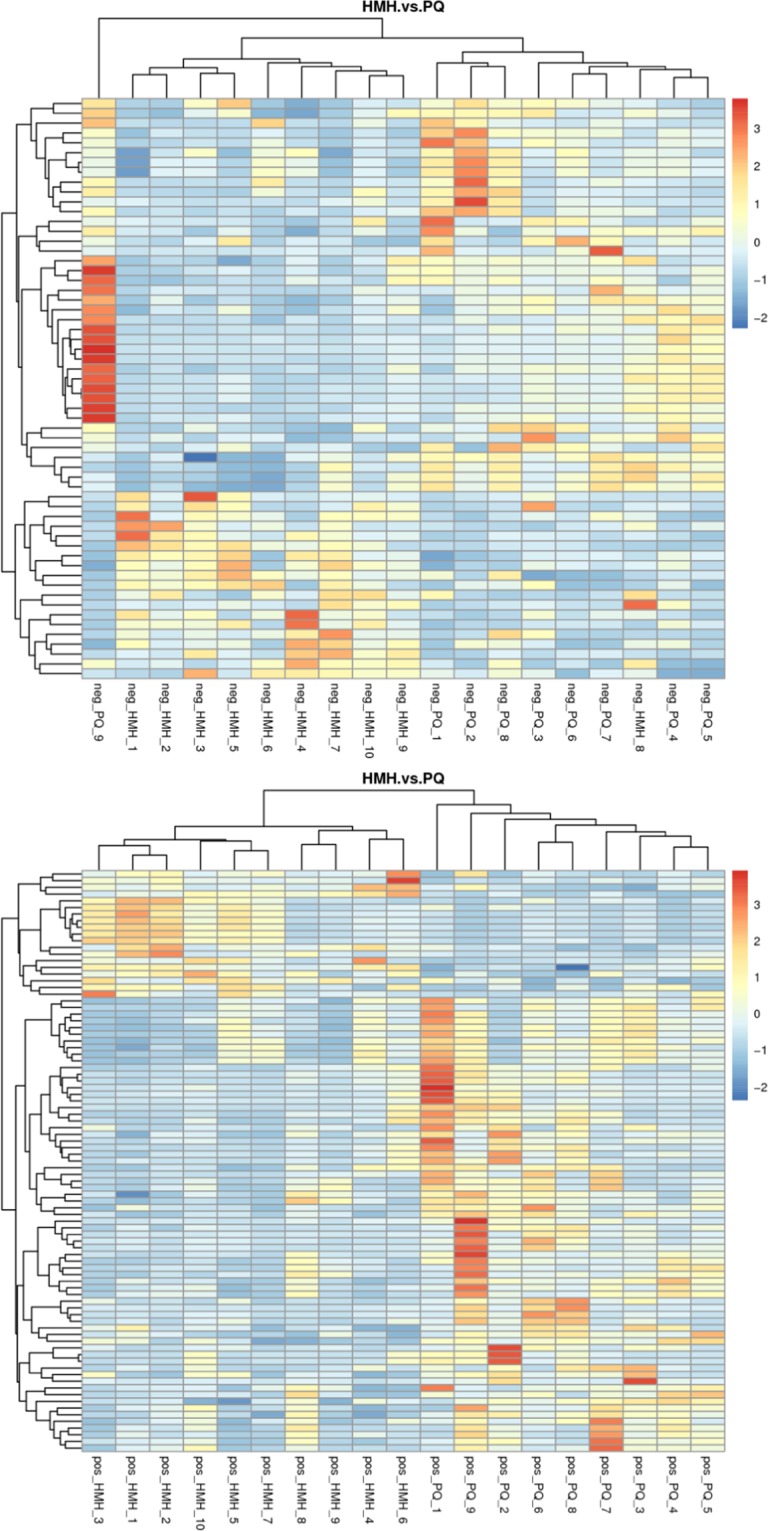
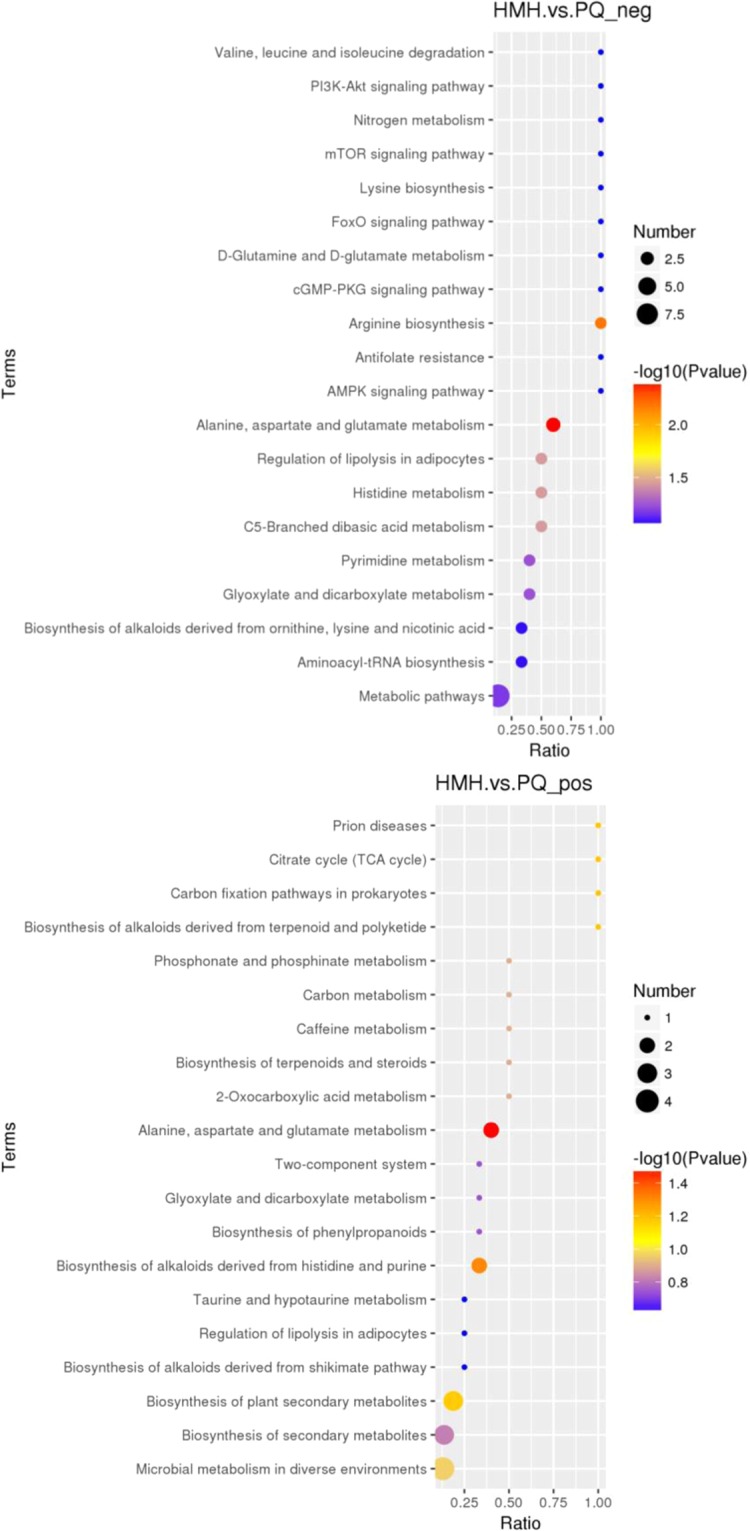
Paraquat (PQ) is a non-selective herbicide and is exceedingly toxic to humans. The mechanism of PQ toxicity is very complex and has not been clearly defined. There is no specific antidote for PQ poisoning. 5-hydroxy-1-methylhydantoin (HMH) is an intrinsic antioxidant and can protect against renal damage caused by PQ. The mechanism of PQ toxicology and the possible effects of HMH on PQ-induced lung injury were determined in this study. It was found that PQ decreased superoxide dismutase (SOD) activity and elevated the level of malondialdehyde (MDA), while HMH elevated SOD activity and decreased the level of MDA. Based on metabolomics, the citrate cycle, glutathione metabolism, taurine and hypotaurine metabolism, regulation of lipolysis in adipocytes, inflammatory mediator regulation of TRP channels, purine and pyrimidine metabolism, aldosterone synthesis and secretion, and phenylalanine metabolism were changed in the PQ group. Compared with the PQ group, the levels of N-acetyl-l-aspartic acid, L-glutamic acid, L-aspartic acid, mesaconic acid, adenosine 5' monophosphate, methylmalonic acid, cytidine, phosphonoacetic acid, hypotaurine, glutathione (reduced) and cysteinylglycine increased, while the levels of corticosterone, xanthine, citric acid, prostaglandin G2, 4-pyridoxic acid and succinyl proline decreased in the HMH group. These metabolites revealed that HMH can alleviate inflammation caused by PQ and elevate the activity of intrinsic antioxidants. In conclusion, our results revealed PQ toxicology and the pharmacology underlying the protective effect of HMH on lung injury due to PQ. Toxicity caused by PQ results in lipid peroxidation and an increase in reactive oxygen species (ROS), nitric oxide (NO), damage to the biliary system, gastrointestinal system and nervous system, in addition to lungs, kidneys, and the liver. HMH is a good antioxidant and protects against lung injury caused by PQ. In summary, HMH efficiently reduced PQ-induced lung injury in mice.
百草枯(PQ)是一种非选择性除草剂,对人类有极高毒性。PQ 毒性的机制非常复杂,尚未明确界定。对于 PQ 中毒,目前尚无特效解毒剂。5-羟甲基-1,2,4-三唑(HMH)是一种内源性抗氧化剂,可预防 PQ 引起的肾损伤。本研究旨在确定 PQ 毒理学机制以及 HMH 对 PQ 诱导的肺损伤的可能影响。结果发现,PQ 降低了超氧化物歧化酶(SOD)活性并升高了丙二醛(MDA)水平,而 HMH 则升高了 SOD 活性并降低了 MDA 水平。基于代谢组学分析,柠檬酸循环、谷胱甘肽代谢、牛磺酸和次牛磺酸代谢、脂肪细胞脂解的调节、TRP 通道的炎症介质调节、嘌呤和嘧啶代谢、醛固酮的合成和分泌以及苯丙氨酸代谢在 PQ 组中发生了改变。与 PQ 组相比,HMH 组 N-乙酰-L-天冬氨酸、L-谷氨酸、L-天门冬氨酸、mesaconic 酸、腺苷 5'一磷酸、甲基丙二酸、胞苷、膦酸乙酸、次牛磺酸、还原型谷胱甘肽和半胱氨酰甘氨酸的水平升高,而皮质酮、黄嘌呤、柠檬酸、前列腺素 G2、4-吡啶酸和琥珀酰脯氨酸的水平降低。这些代谢物表明,HMH 可减轻 PQ 引起的炎症并提高内源性抗氧化剂的活性。总之,本研究结果揭示了 PQ 毒性以及 HMH 对 PQ 引起的肺损伤的保护作用的药理学机制。PQ 毒性会导致脂质过氧化和活性氧(ROS)、一氧化氮(NO)增加,除了肺、肾和肝之外,还会损伤胆道系统、胃肠道系统和神经系统。HMH 是一种良好的抗氧化剂,可预防 PQ 引起的肺损伤。总之,HMH 可有效减轻小鼠 PQ 诱导的肺损伤。