Departments of Otolaryngology and Clinical Biobank, the First Hospital of Hebei Medical University, Shijiazhuang, 050031, Hebei, China.
Department of Respiratory and Critical Care Medicine, Liangxiang Hospital of Beijing Fangshan District, Fangshan, 102401, Beijing, China.
Sci Rep. 2020 Feb 6;10(1):1962. doi: 10.1038/s41598-020-58999-0.
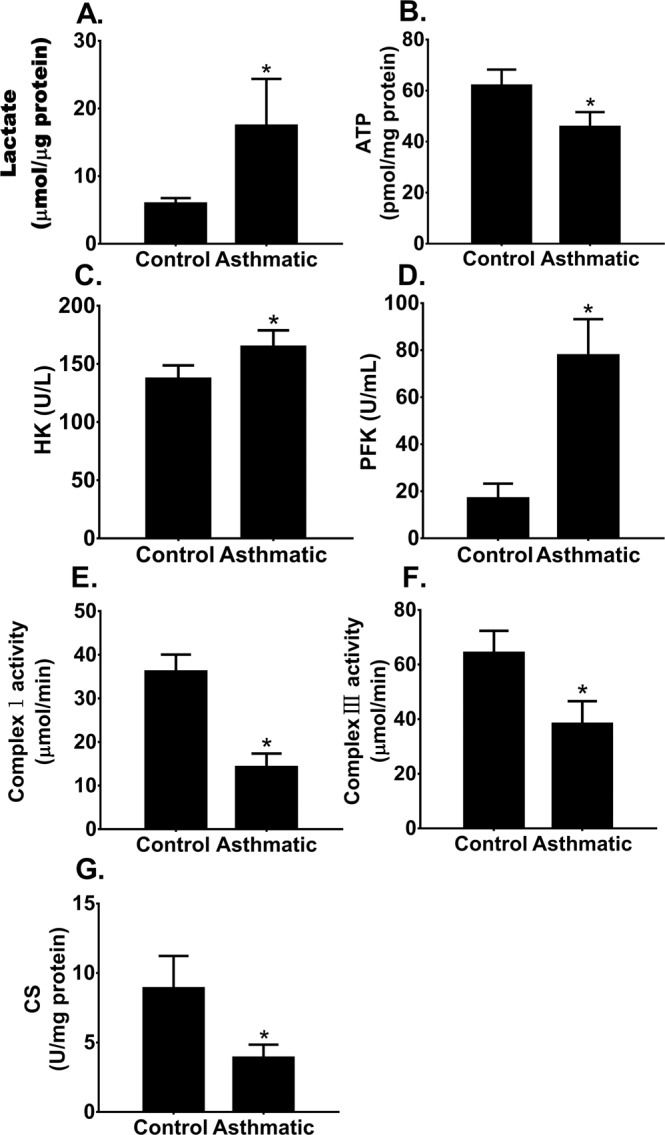
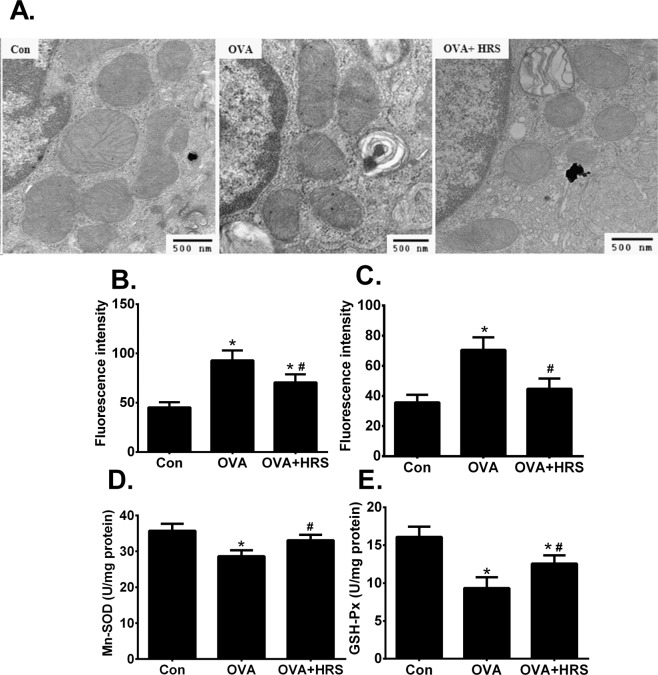
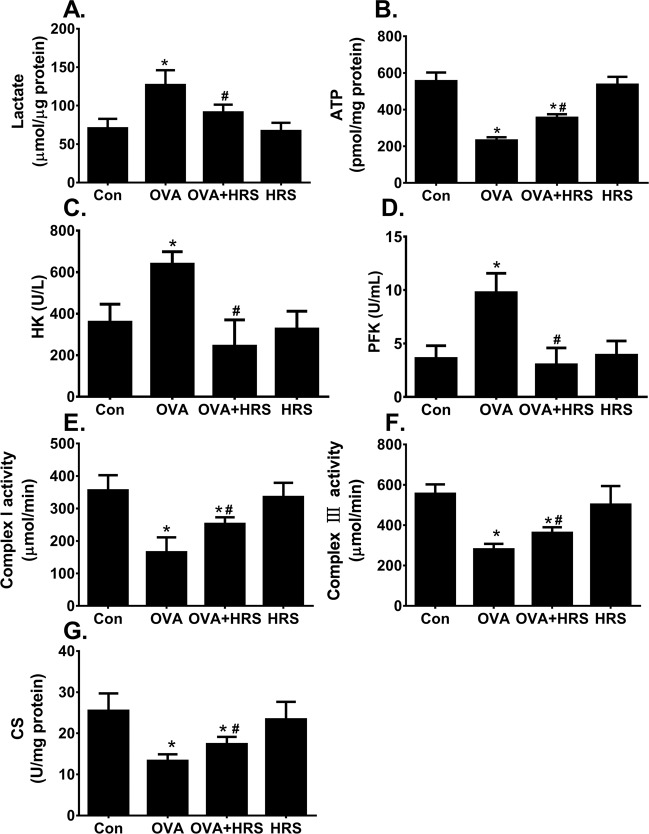
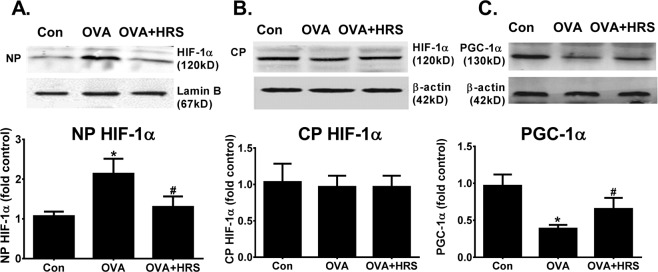
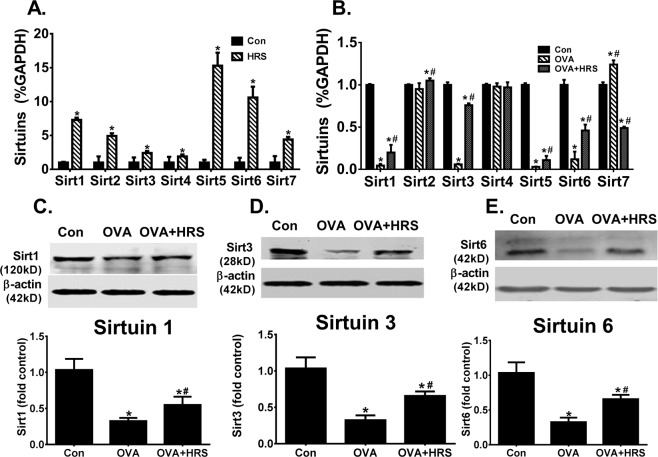
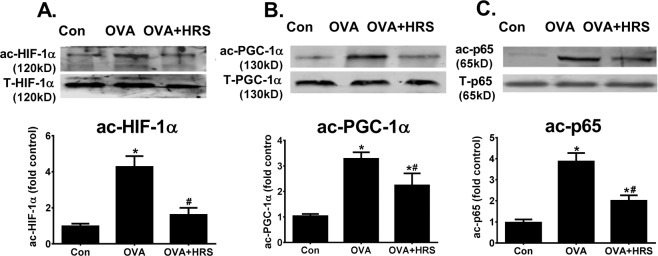
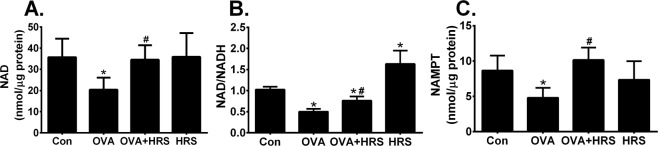
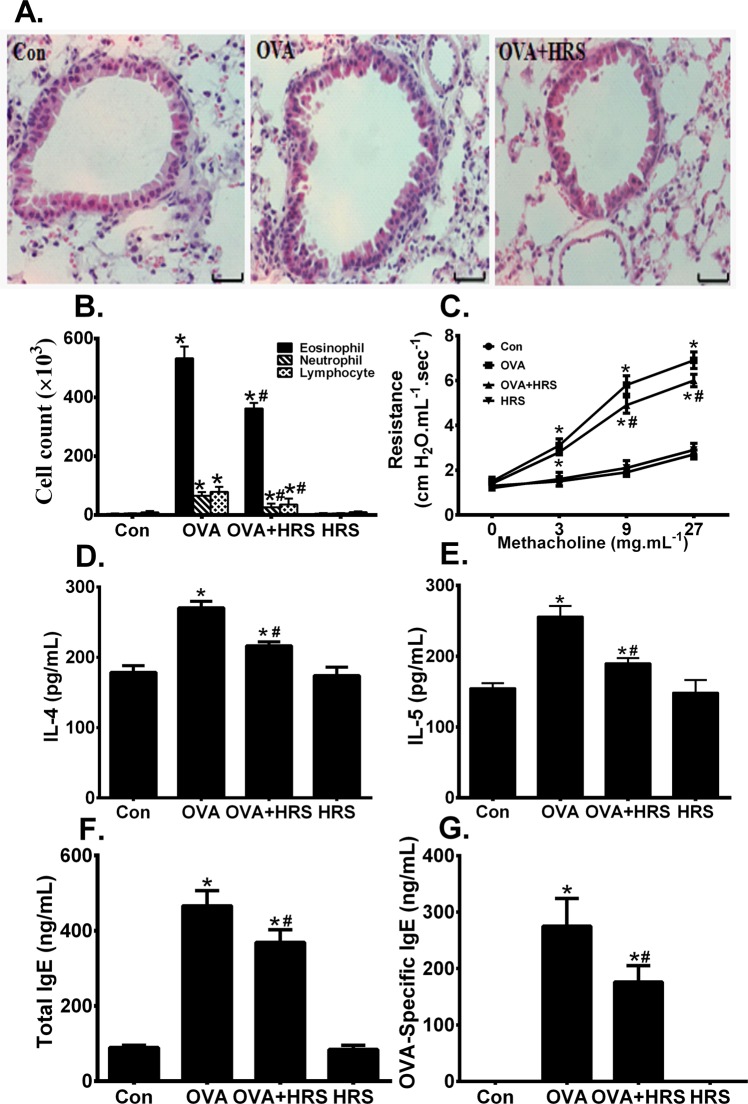
Mechanisms mediating the protective effects of molecular hydrogen (H) are not well understood. This study explored the possibility that H exerts its anti-inflammatory effect by modulating energy metabolic pathway switch. Activities of glycolytic and mitochondrial oxidative phosphorylation systems were assessed in asthmatic patients and in mouse model of allergic airway inflammation. The effects of hydrogen treatment on airway inflammation and on changes in activities of these two pathways were evaluated. Monocytes from asthmatic patients and lungs from ovalbumin-sensitized and challenged mice had increased lactate production and glycolytic enzyme activities (enhanced glycolysis), accompanied by decreased ATP production and mitochondrial respiratory chain complex I and III activities (suppressed mitochondrial oxidative phosphorylation), indicating an energy metabolic pathway switch. Treatment of ovalbumin-sensitized and challenged mice with hydrogen reversed the energy metabolic pathway switch, and mitigated airway inflammation. Hydrogen abrogated ovalbumin sensitization and challenge-induced upregulation of glycolytic enzymes and hypoxia-inducible factor-1α, and downregulation of mitochondrial respiratory chain complexes and peroxisome proliferator activated receptor-γ coactivator-1α. Hydrogen abrogated ovalbumin sensitization and challenge-induced sirtuins 1, 3, 5 and 6 downregulation. Our data demonstrates that allergic airway inflammation is associated with an energy metabolic pathway switch from oxidative phosphorylation to aerobic glycolysis. Hydrogen inhibits airway inflammation by reversing this switch. Hydrogen regulates energy metabolic reprogramming by acting at multiple levels in the energy metabolism regulation pathways.
介导氢气(H)保护作用的机制尚不清楚。本研究探讨了 H 通过调节能量代谢途径转换来发挥其抗炎作用的可能性。评估了哮喘患者和变应原性气道炎症小鼠模型中的糖酵解和线粒体氧化磷酸化系统的活性。评估了氢气处理对气道炎症以及这两种途径活性变化的影响。哮喘患者的单核细胞和卵清蛋白致敏和攻击小鼠的肺部乳酸生成和糖酵解酶活性增加(增强糖酵解),同时伴随着 ATP 生成减少和线粒体呼吸链复合物 I 和 III 活性降低(抑制线粒体氧化磷酸化),表明能量代谢途径转换。用氢气处理卵清蛋白致敏和攻击的小鼠可逆转能量代谢途径转换,并减轻气道炎症。氢气消除了卵清蛋白致敏和挑战诱导的糖酵解酶和低氧诱导因子-1α的上调,以及线粒体呼吸链复合物和过氧化物酶体增殖物激活受体-γ共激活因子-1α的下调。氢气消除了卵清蛋白致敏和挑战诱导的 Sirtuins 1、3、5 和 6 的下调。我们的数据表明,变应原性气道炎症与从氧化磷酸化到有氧糖酵解的能量代谢途径转换有关。氢气通过逆转这种转换来抑制气道炎症。氢气通过在能量代谢调节途径的多个水平上作用来调节能量代谢的重新编程。