Department of Radiology, University of Michigan, Ann Arbor, MI, USA.
Adv Exp Med Biol. 2020;1213:3-21. doi: 10.1007/978-3-030-33128-3_1.
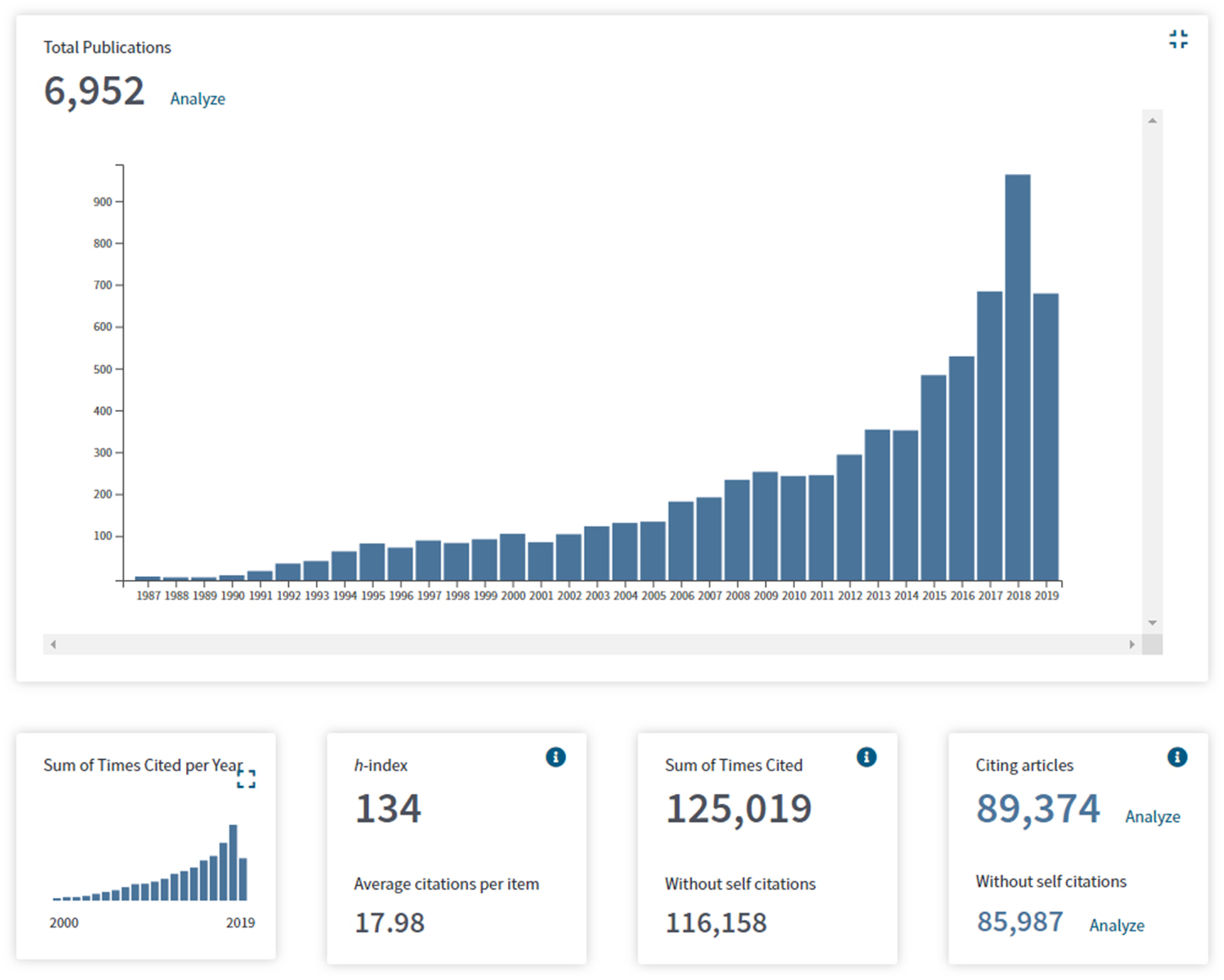
Deep learning is the state-of-the-art machine learning approach. The success of deep learning in many pattern recognition applications has brought excitement and high expectations that deep learning, or artificial intelligence (AI), can bring revolutionary changes in health care. Early studies of deep learning applied to lesion detection or classification have reported superior performance compared to those by conventional techniques or even better than radiologists in some tasks. The potential of applying deep-learning-based medical image analysis to computer-aided diagnosis (CAD), thus providing decision support to clinicians and improving the accuracy and efficiency of various diagnostic and treatment processes, has spurred new research and development efforts in CAD. Despite the optimism in this new era of machine learning, the development and implementation of CAD or AI tools in clinical practice face many challenges. In this chapter, we will discuss some of these issues and efforts needed to develop robust deep-learning-based CAD tools and integrate these tools into the clinical workflow, thereby advancing towards the goal of providing reliable intelligent aids for patient care.
深度学习是一种先进的机器学习方法。深度学习在许多模式识别应用中的成功带来了兴奋和很高的期望,即深度学习或人工智能 (AI) 可以为医疗保健带来革命性的变化。早期的深度学习应用于病变检测或分类的研究报告称,其性能优于传统技术,甚至在某些任务中优于放射科医生。将基于深度学习的医学图像分析应用于计算机辅助诊断 (CAD),从而为临床医生提供决策支持并提高各种诊断和治疗过程的准确性和效率,这激发了 CAD 的新的研究和开发工作。尽管在这个新的机器学习时代充满了乐观情绪,但在临床实践中开发和实施 CAD 或 AI 工具仍面临许多挑战。在本章中,我们将讨论其中的一些问题以及开发基于深度学习的稳健 CAD 工具并将这些工具集成到临床工作流程中所需的努力,从而朝着为患者护理提供可靠智能辅助的目标迈进。