Adams Eri, Miyazaki Takae, Watanabe Shunsuke, Ohkama-Ohtsu Naoko, Seo Mitsunori, Shin Ryoung
RIKEN Center for Sustainable Resource Science, Yokohama, Japan.
Institute of Agriculture, Tokyo University of Agriculture and Technology (TUAT), Fuchu, Japan.
Front Plant Sci. 2020 Jan 21;10:1711. doi: 10.3389/fpls.2019.01711. eCollection 2019.
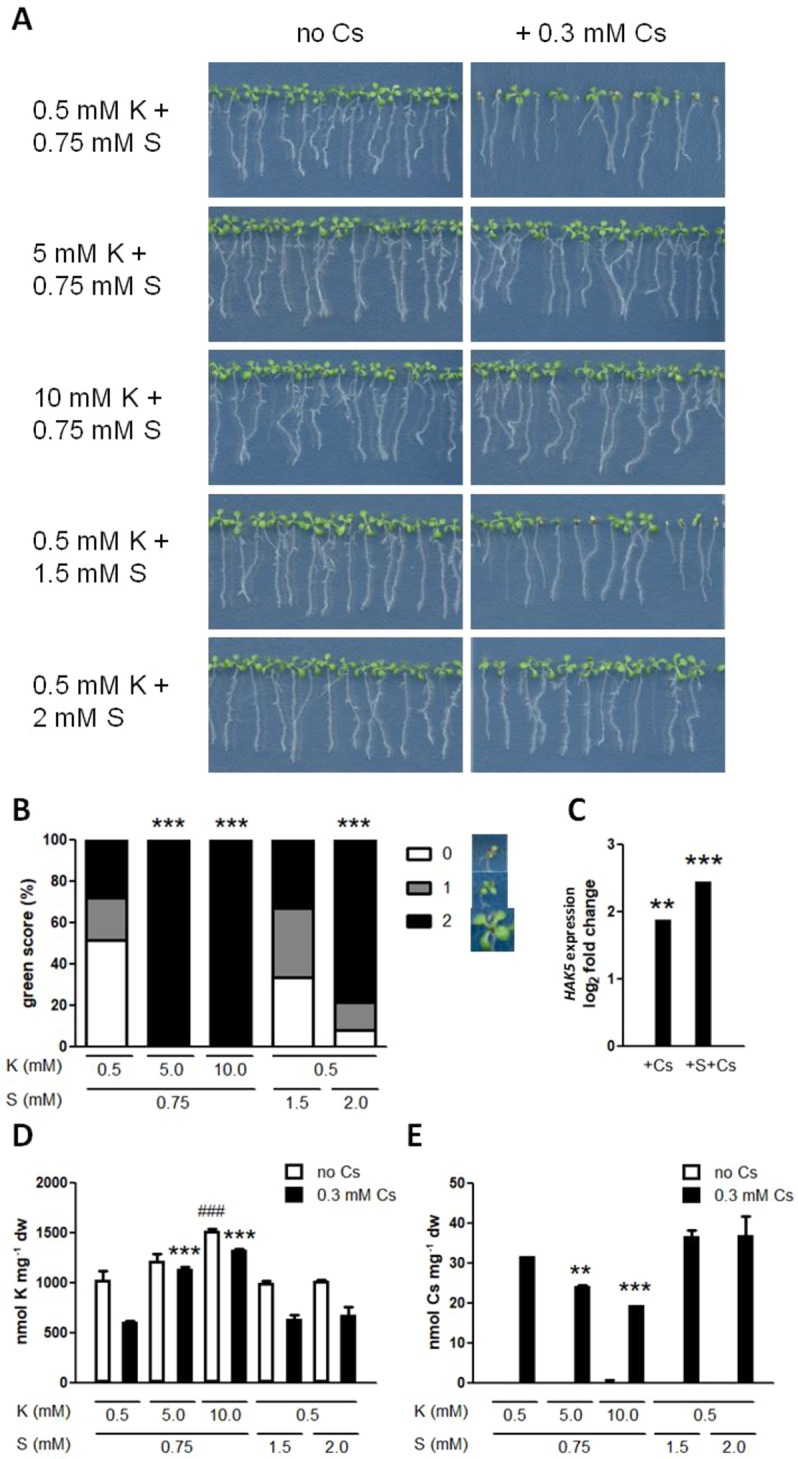
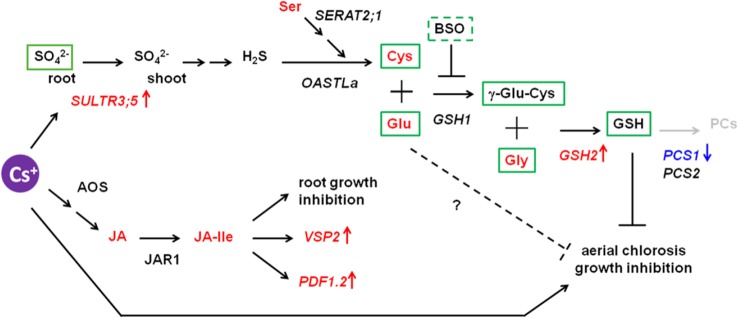
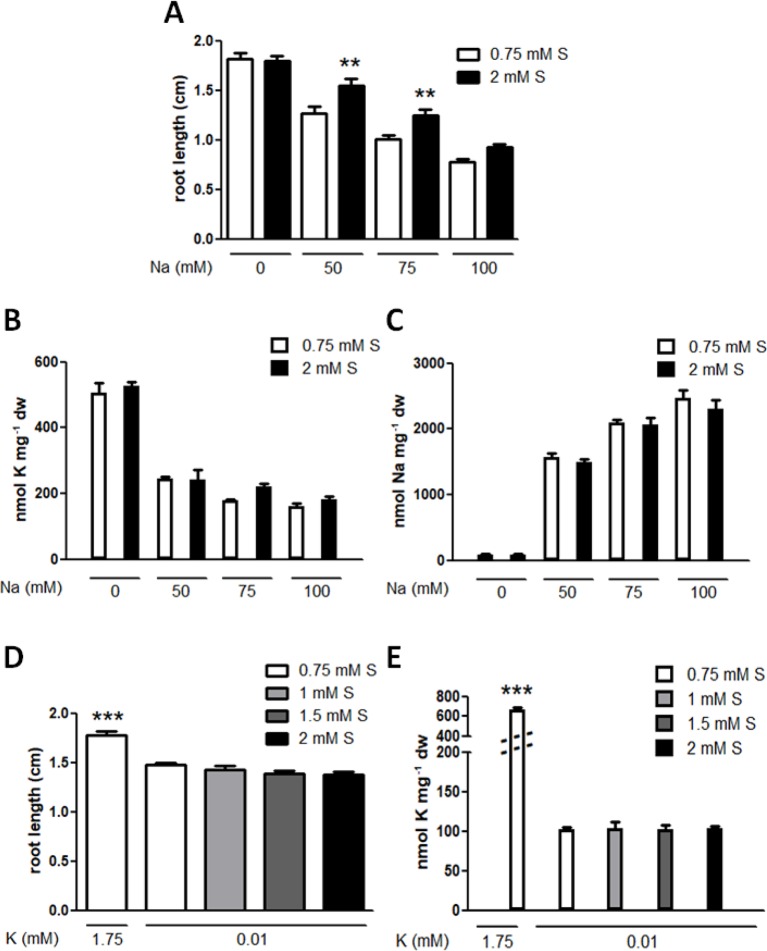
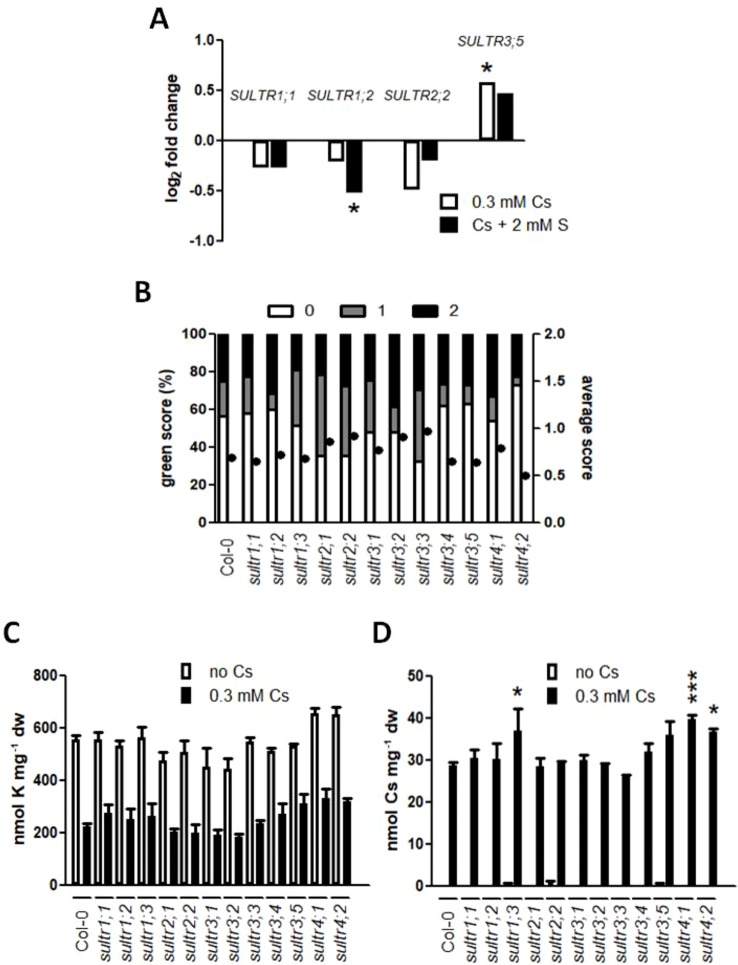
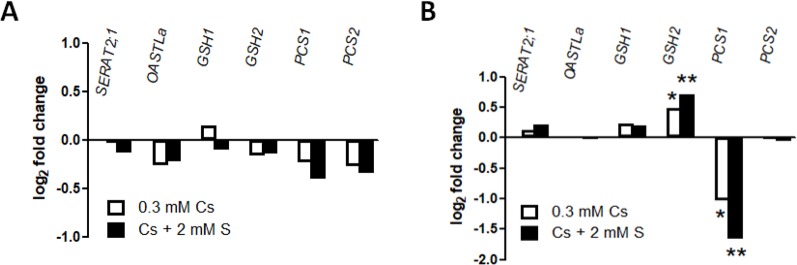
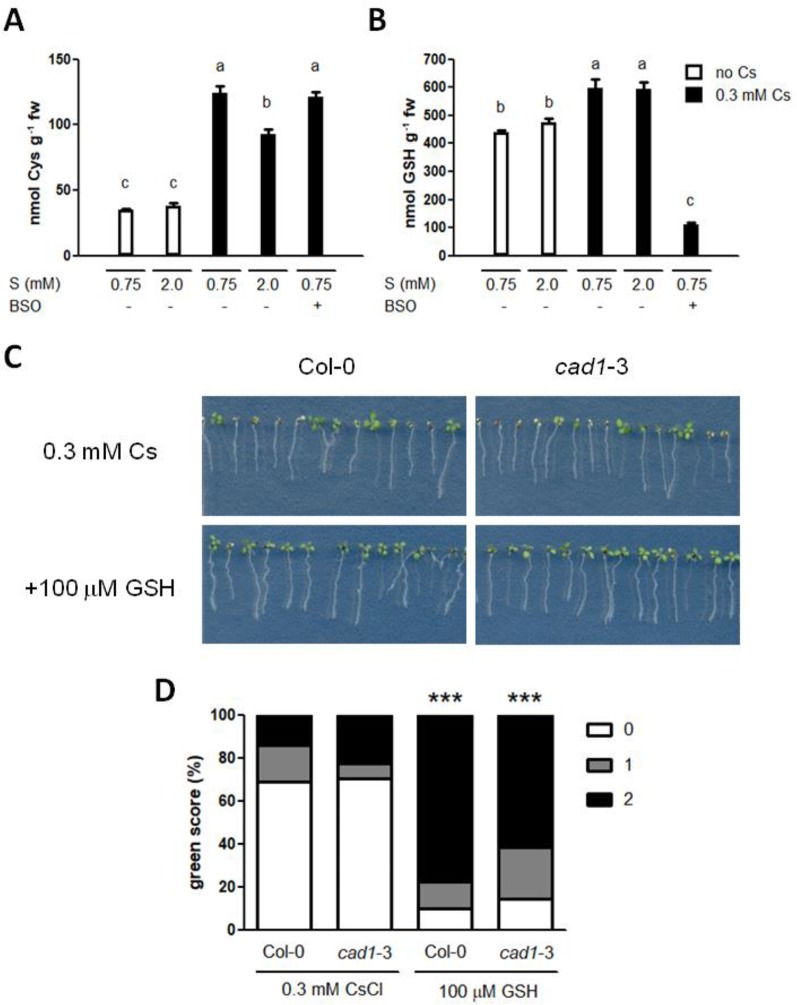
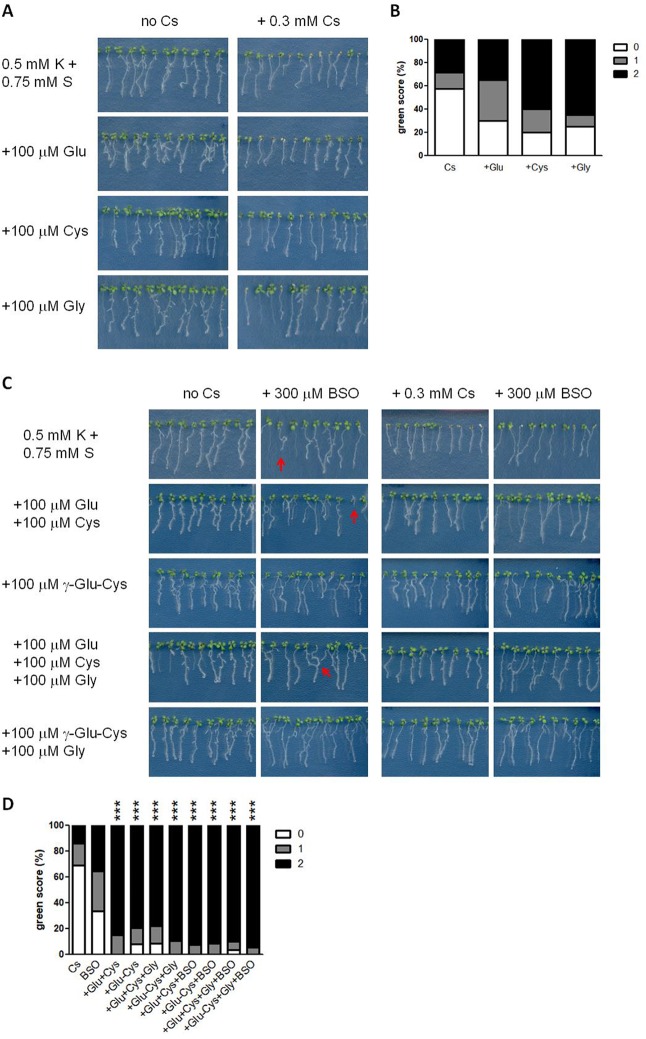
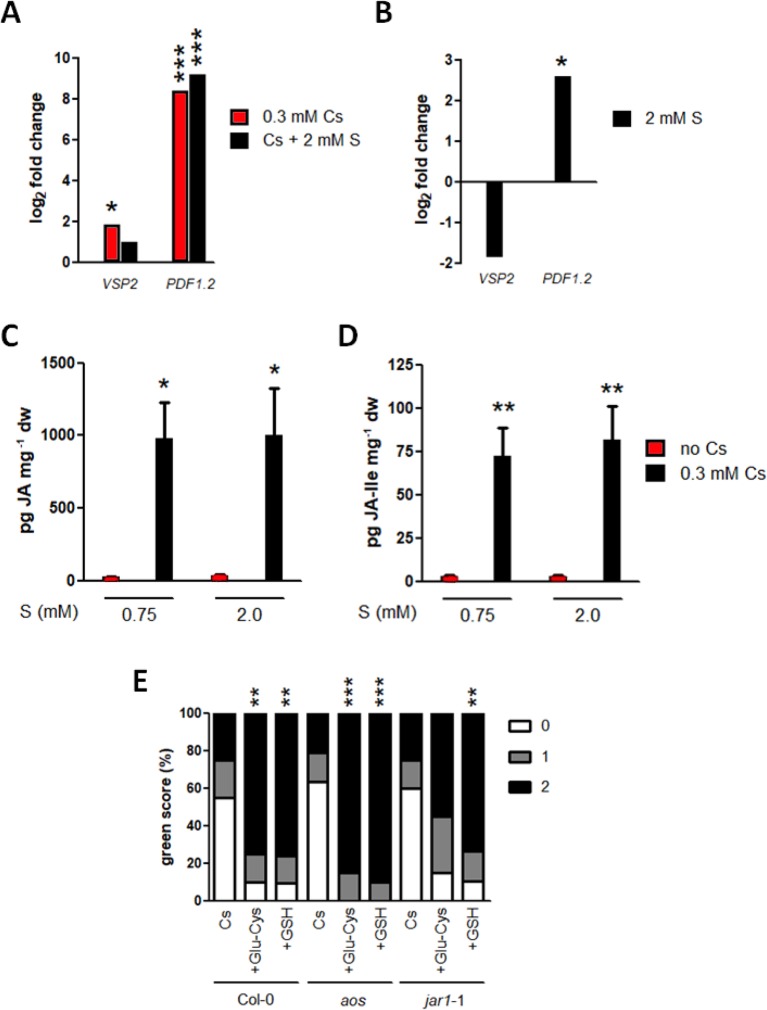
Phytoremediation is optimized when plants grow vigorously while accumulating the contaminant of interest. Here we show that sulphur supply alleviates aerial chlorosis and growth retardation caused by cesium stress without reducing cesium accumulation in . This alleviation was not due to recovery of cesium-induced potassium decrease in plant tissues. Sulphur supply also alleviated sodium stress but not potassium deficiency stress. Cesium-induced root growth inhibition has previously been demonstrated as being mediated through jasmonate biosynthesis and signalling but it was found that sulphur supply did not decrease the levels of jasmonate accumulation or jasmonate-responsive transcripts. Instead, induction of a glutathione synthetase gene and reduction of a phytochelatin synthase gene as well as increased accumulation of glutathione and cysteine were observed in response to cesium. Exogenous application of glutathione or concomitant treatments of its biosynthetic intermediates indeed alleviated cesium stress. Interestingly, concomitant treatments of glutathione biosynthetic intermediates together with a glutathione biosynthesis inhibitor did not cancel the alleviatory effects against cesium suggesting the existence of a glutathione-independent pathway. Taken together, our findings demonstrate that plants exposed to cesium increase glutathione accumulation to alleviate the deleterious effects of cesium and that exogenous application of sulphur-containing compounds promotes this innate process.
当植物在积累目标污染物的同时旺盛生长时,植物修复效果最佳。在此我们表明,硫供应可缓解铯胁迫引起的地上部黄化和生长迟缓,而不会降低植物体内铯的积累。这种缓解并非由于铯诱导的植物组织中钾含量降低的恢复。硫供应也缓解了钠胁迫,但未缓解钾缺乏胁迫。铯诱导的根系生长抑制先前已被证明是通过茉莉酸生物合成和信号传导介导的,但发现硫供应并未降低茉莉酸积累水平或茉莉酸响应转录本水平。相反,响应铯胁迫,观察到谷胱甘肽合成酶基因的诱导和植物螯合肽合成酶基因的减少,以及谷胱甘肽和半胱氨酸积累的增加。外源施用谷胱甘肽或其生物合成中间体的联合处理确实缓解了铯胁迫。有趣地是,谷胱甘肽生物合成中间体与谷胱甘肽生物合成抑制剂的联合处理并未消除对铯的缓解作用,这表明存在一条不依赖谷胱甘肽的途径。综上所述,我们的研究结果表明,暴露于铯的植物会增加谷胱甘肽积累以缓解铯的有害影响,并且外源施用含硫化合物可促进这一固有过程。