Transgenic Section, Laboratory of Neurogenetics, National Institute on Aging, National Institutes of Health, Building 35, Room 1A112, MSC 3707, 35 Convent Drive, Bethesda, MD, 20892-3707, USA.
Clinical Research Center on Neurological Diseases, the First Affiliated Hospital, Dalian Medical University, Dalian, 116011, People's Republic of China.
Mol Neurodegener. 2020 Feb 19;15(1):12. doi: 10.1186/s13024-020-00360-0.
Multiple missense mutations in Leucine-rich repeat kinase 2 (LRRK2) are associated with familial forms of late onset Parkinson's disease (PD), the most common age-related movement disorder. The dysfunction of dopamine transmission contributes to PD-related motor symptoms. Interestingly, LRRK2 is more abundant in the dopaminoceptive striatal spiny projection neurons (SPNs) compared to the dopamine-producing nigrostriatal dopaminergic neurons. Aging is the most important risk factor for PD and other neurodegenerative diseases. However, whether LRRK2 modulates the aging of SPNs remains to be determined.
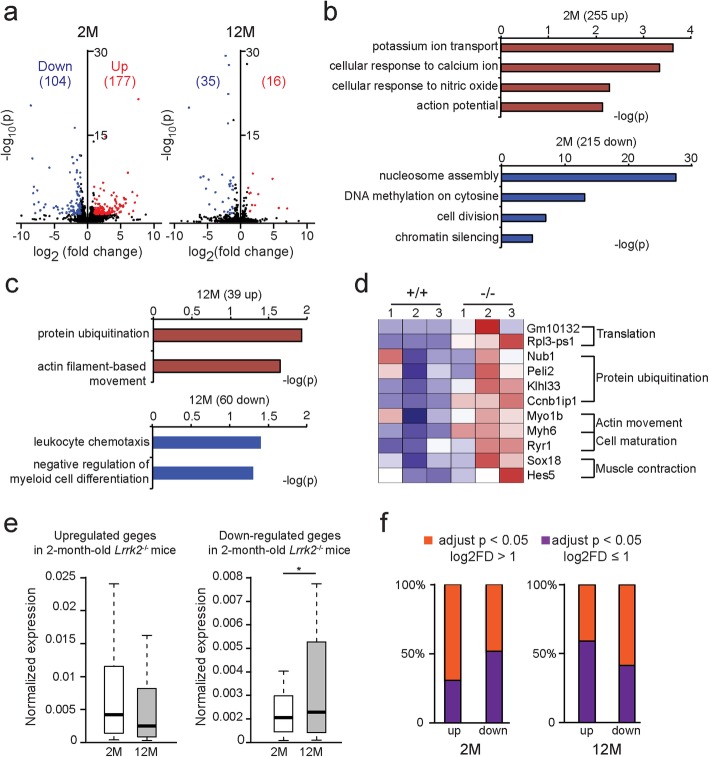
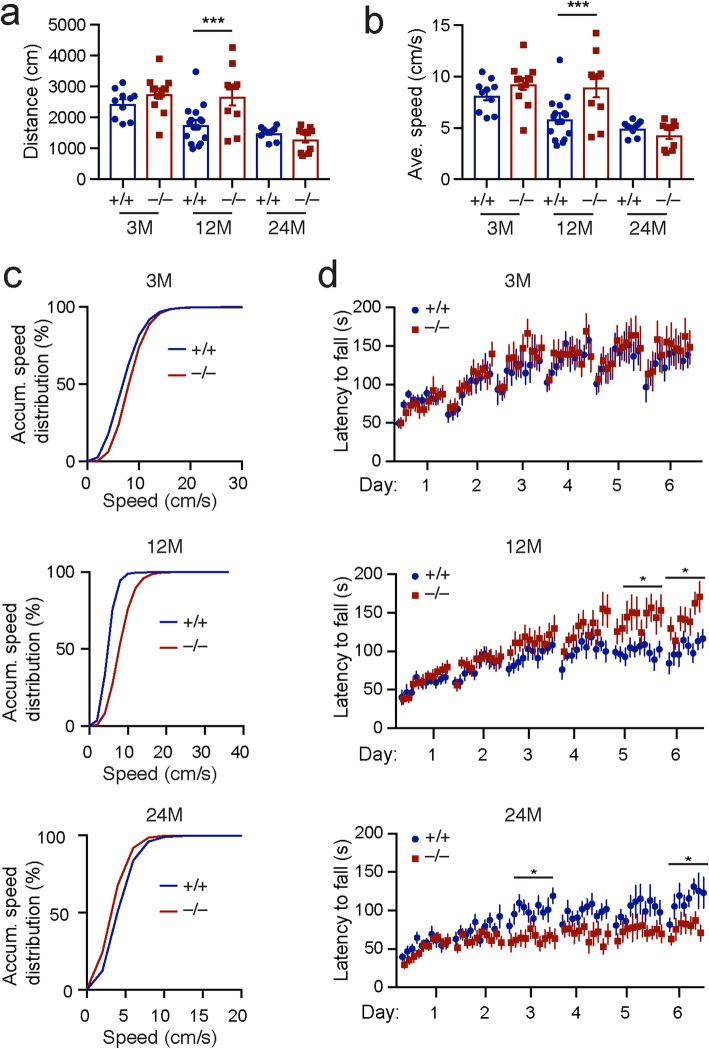
We conducted RNA-sequencing (RNA-seq) analyses of striatal tissues isolated from Lrrk2 knockout (Lrrk2) and control (Lrrk2) mice at 2 and 12 months of age. We examined SPN nuclear DNA damage and epigenetic modifications; SPN nuclear, cell body and dendritic morphology; and the locomotion and motor skill learning of Lrrk2 and Lrrk2 mice from 2 to 24 months of age. Considering the strength of cell cultures for future mechanistic studies, we also performed preliminary studies in primary cultured SPNs derived from the Lrrk2 and Lrrk2 mice as well as the PD-related Lrrk2 G2019S and R1441C mutant mice.
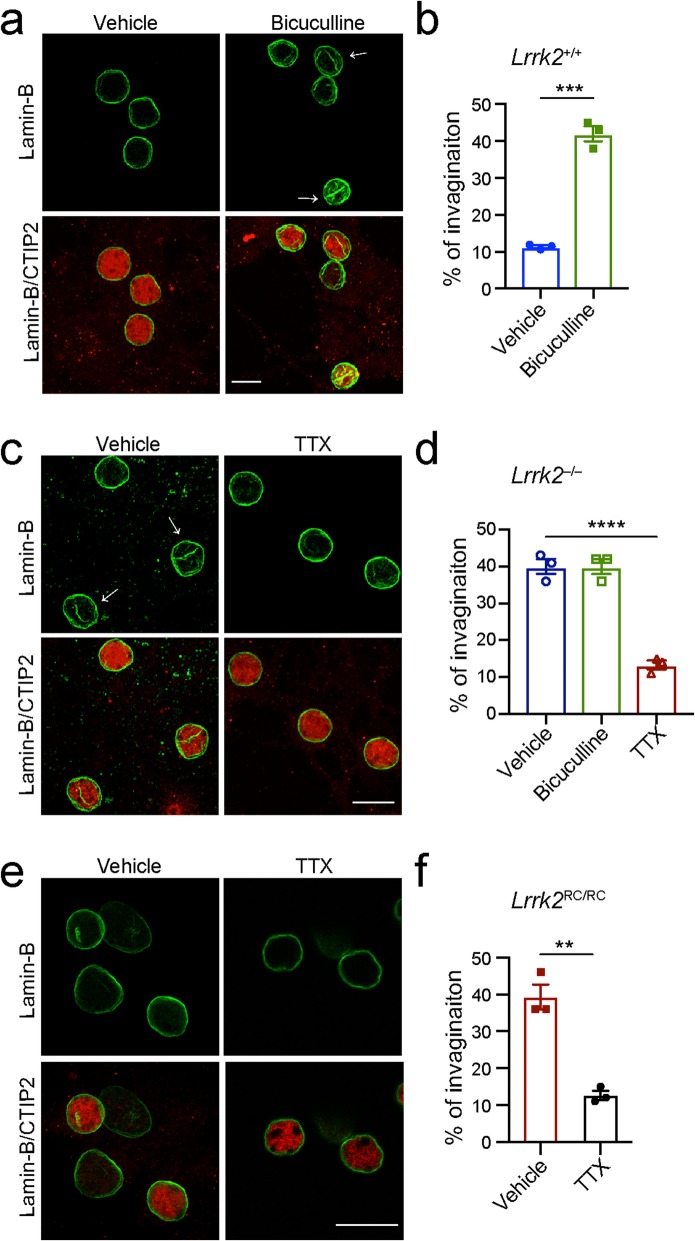
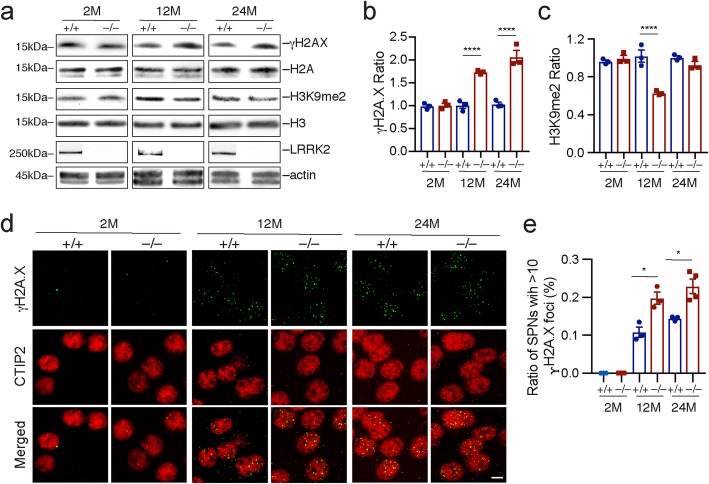
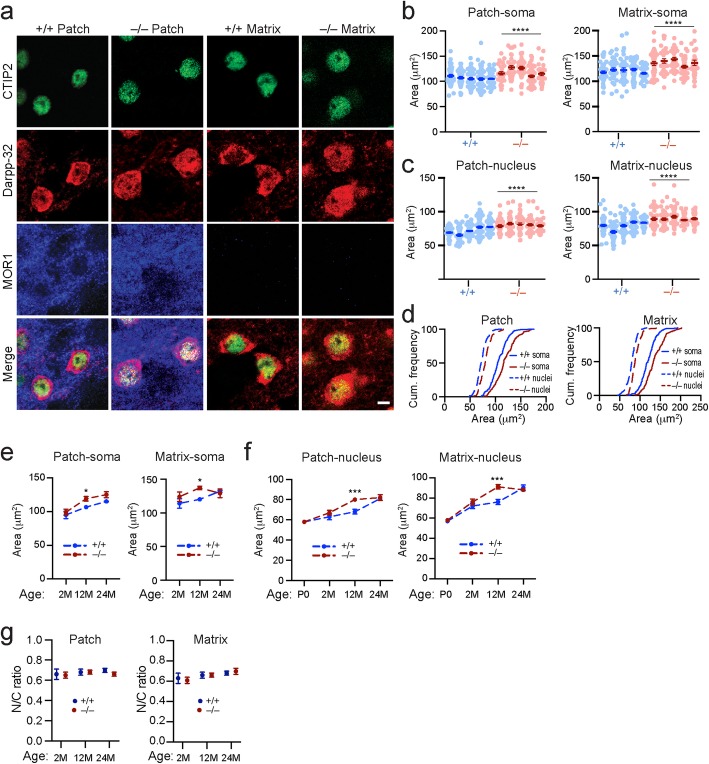
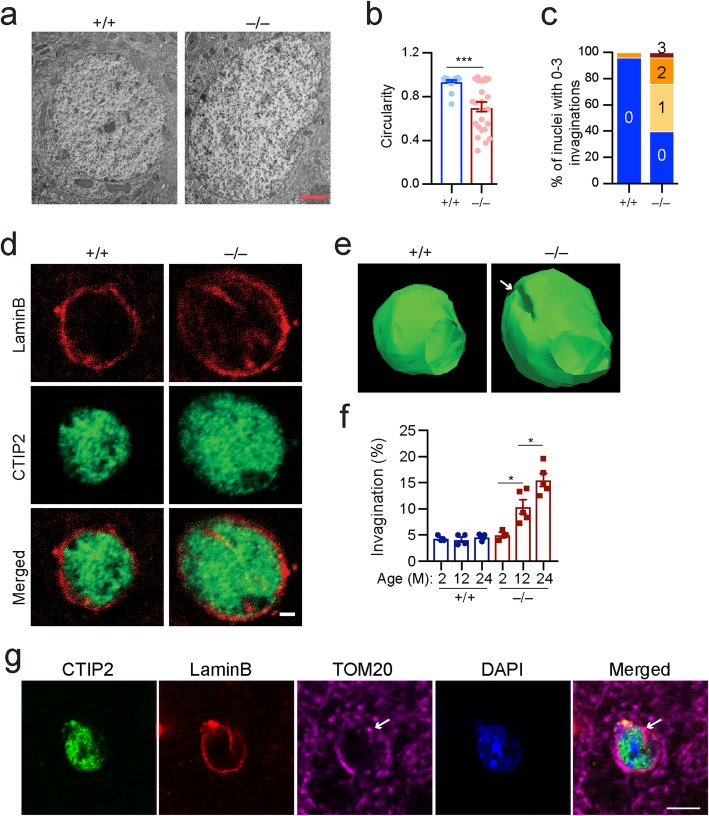
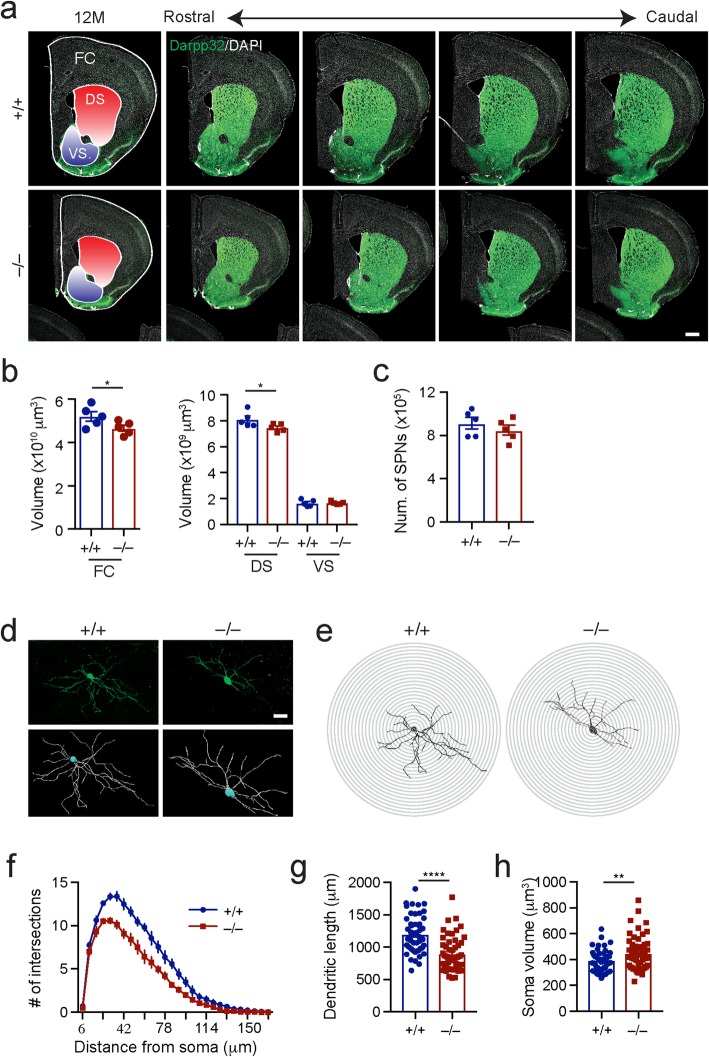
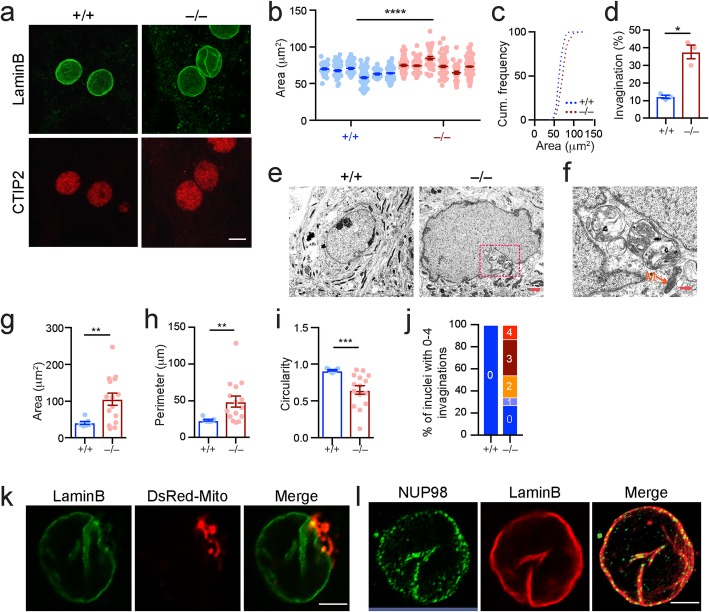
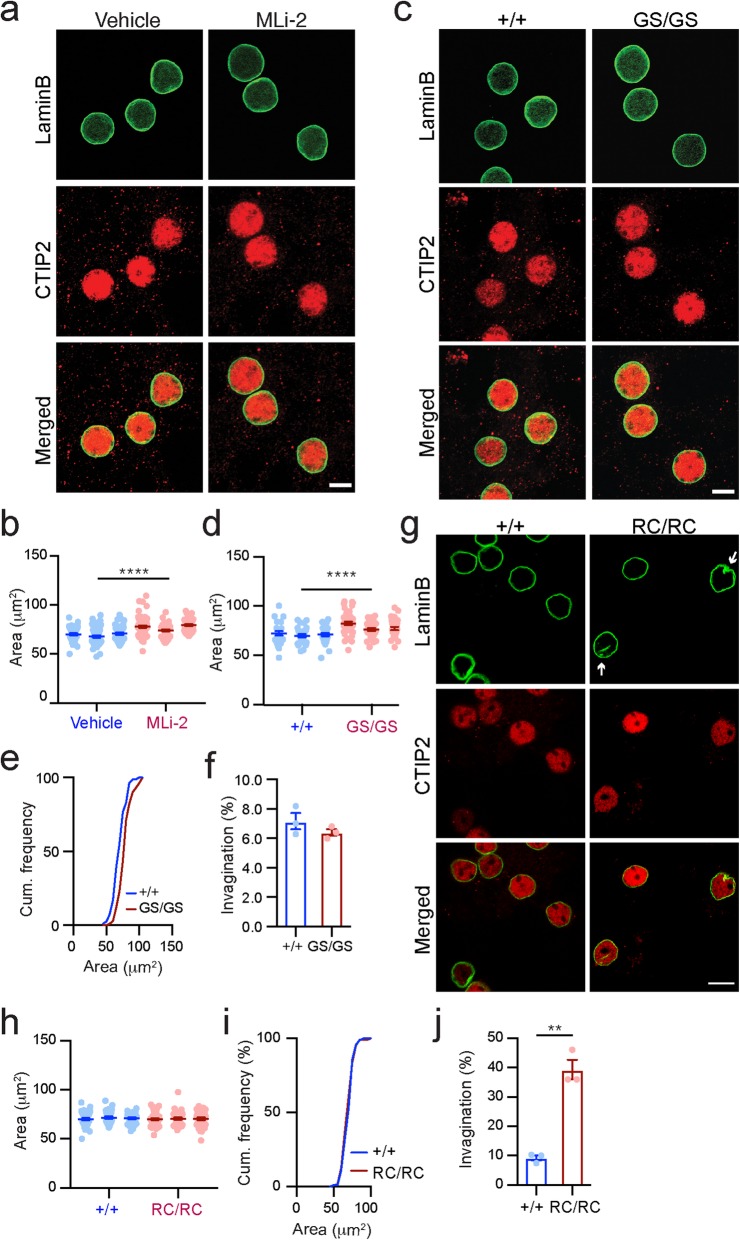
Lrrk2-deficiency accelerated nuclear hypertrophy and induced dendritic atrophy, soma hypertrophy and nuclear invagination in SPNs during aging. Additionally, increased nuclear DNA damage and abnormal histone methylations were also observed in aged Lrrk2 striatal neurons, together with alterations of molecular pathways involved in regulating neuronal excitability, genome stability and protein homeostasis. Furthermore, both the PD-related Lrrk2 G2019S mutant and LRRK2 kinase inhibitors caused nuclear hypertrophy, while the Lrrk2 R1441C mutant and γ-Aminobutyric acid type A receptor (GABA-AR) inhibitors promoted nuclear invagination in the cultured SPNs. On the other hand, inhibition of neuron excitability prevented the formation of nuclear invagination in the cultured Lrrk2 and R1441C SPNs.
Our findings support an important physiological function of LRRK2 in maintaining nuclear structure integrity and genomic stability during the normal aging process, suggesting that PD-related LRRK2 mutations may cause the deterioration of neuronal structures through accelerating the aging process.
富含亮氨酸重复激酶 2(LRRK2)的多个错义突变与家族性迟发性帕金森病(PD)有关,PD 是最常见的与年龄相关的运动障碍。多巴胺传递功能障碍导致 PD 相关的运动症状。有趣的是,LRRK2 在多巴胺能纹状体棘突投射神经元(SPN)中的含量高于产生多巴胺的黑质纹状体多巴胺能神经元。衰老 是 PD 和其他神经退行性疾病的最重要的危险因素。然而,LRRK2 是否调节 SPN 的衰老仍有待确定。
我们对来自 2 个月和 12 个月龄 Lrrk2 敲除(Lrrk2)和对照(Lrrk2)小鼠的纹状体组织进行了 RNA 测序(RNA-seq)分析。我们检查了 SPN 核 DNA 损伤和表观遗传修饰;SPN 核、胞体和树突形态;以及 2 至 24 个月龄 Lrrk2 和 Lrrk2 小鼠的运动和运动技能学习。考虑到未来机制研究中细胞培养的强度,我们还在源自 Lrrk2 和 Lrrk2 小鼠以及与 PD 相关的 Lrrk2 G2019S 和 R1441C 突变小鼠的原代培养 SPN 中进行了初步研究。
Lrrk2 缺失加速了 SPN 衰老过程中的核肥大,并诱导了树突萎缩、体肥大和核内陷。此外,在衰老的 Lrrk2 纹状体神经元中还观察到核 DNA 损伤增加和异常组蛋白甲基化,以及参与调节神经元兴奋性、基因组稳定性和蛋白质稳态的分子通路的改变。此外,与 PD 相关的 Lrrk2 G2019S 突变体和 LRRK2 激酶抑制剂均导致核肥大,而 Lrrk2 R1441C 突变体和γ-氨基丁酸 A 型受体(GABA-AR)抑制剂则促进了培养的 SPN 核内陷。另一方面,抑制神经元兴奋性可防止培养的 Lrrk2 和 R1441C SPN 中核内陷的形成。
我们的研究结果支持 LRRK2 在正常衰老过程中维持核结构完整性和基因组稳定性的重要生理功能,表明与 PD 相关的 LRRK2 突变可能通过加速衰老过程导致神经元结构恶化。