Faculty of Information Technology and Communication Sciences, Tampere University, P.O. Box 692, 33101, Tampere, Finland.
Brain Topogr. 2020 Mar;33(2):161-175. doi: 10.1007/s10548-020-00755-8. Epub 2020 Feb 19.
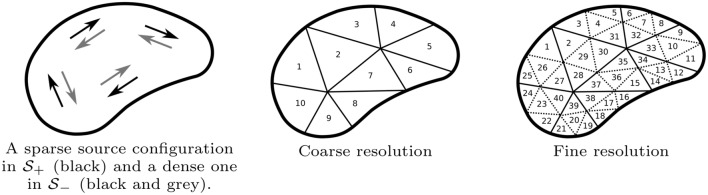
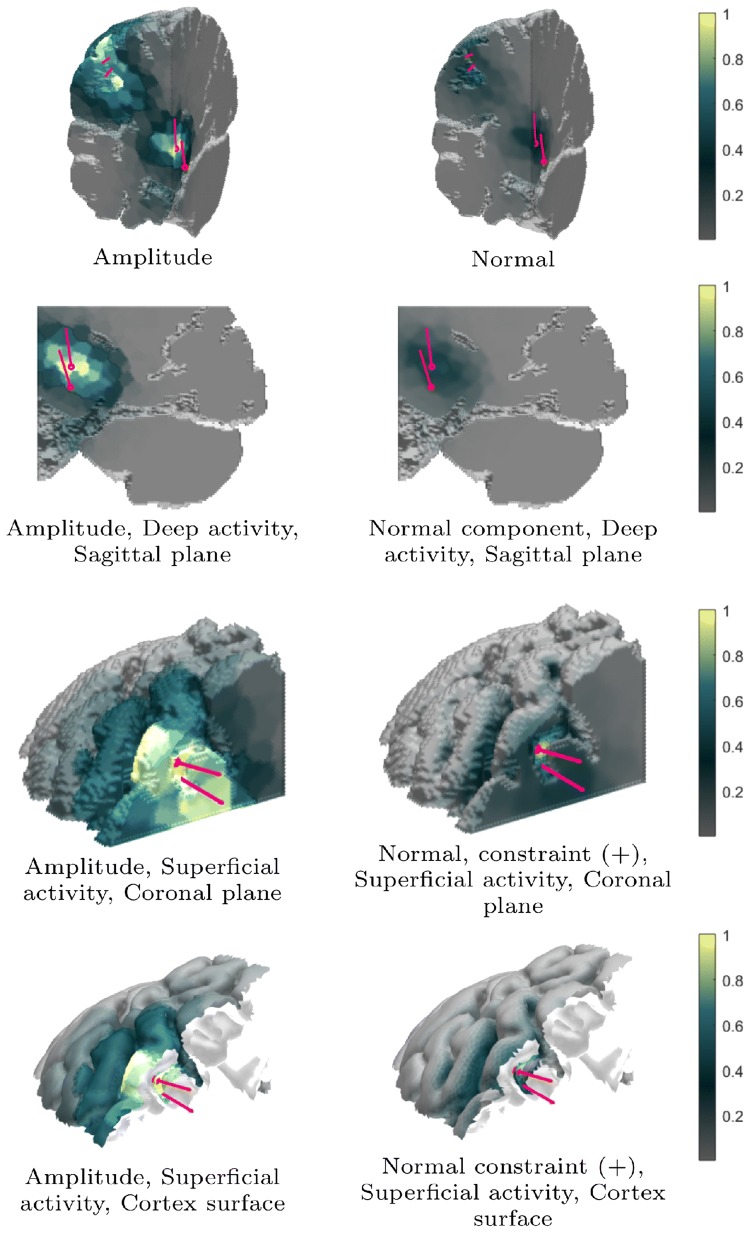
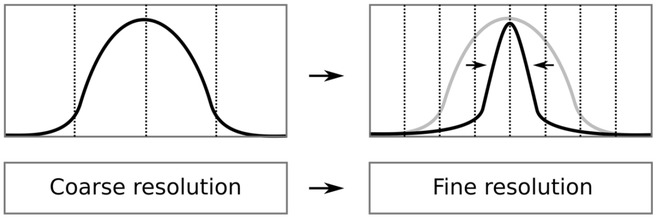
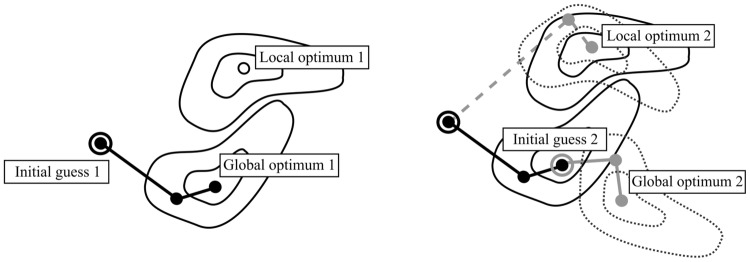
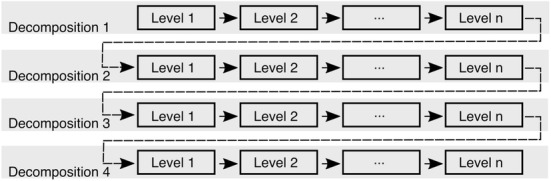
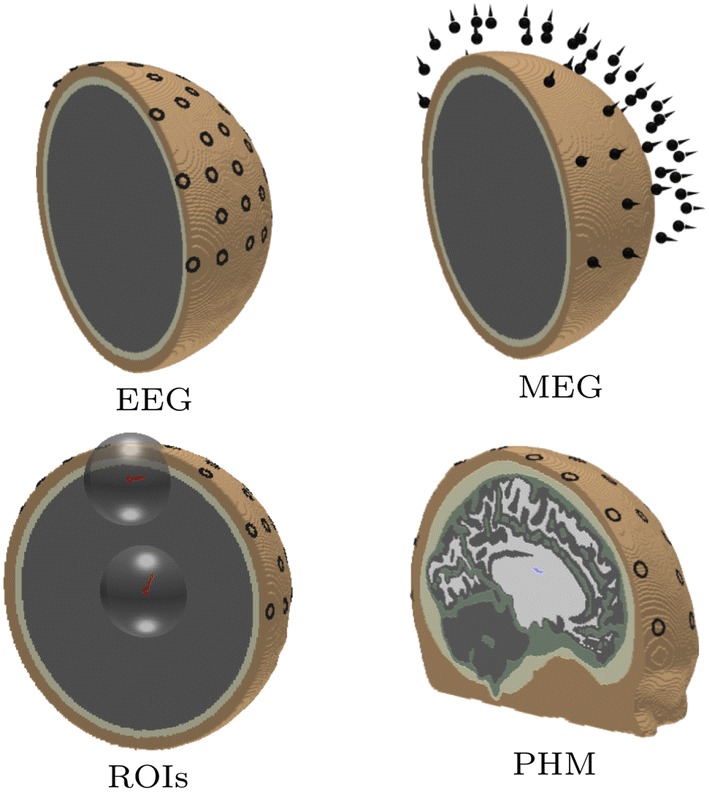
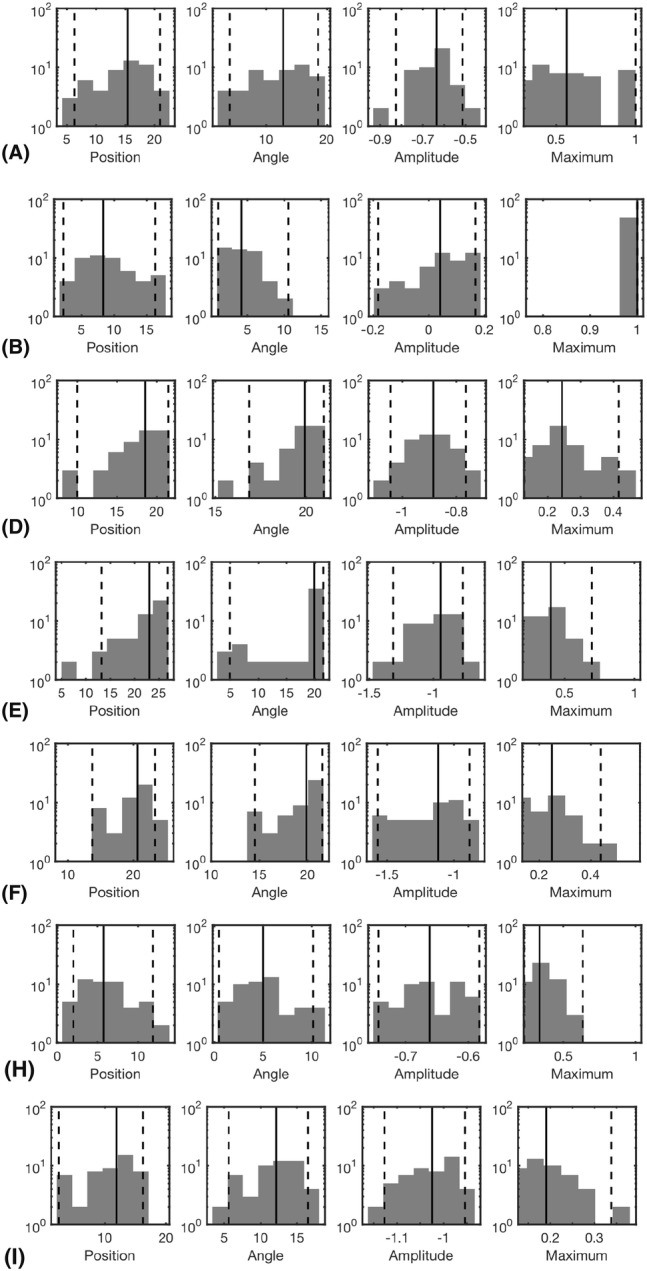
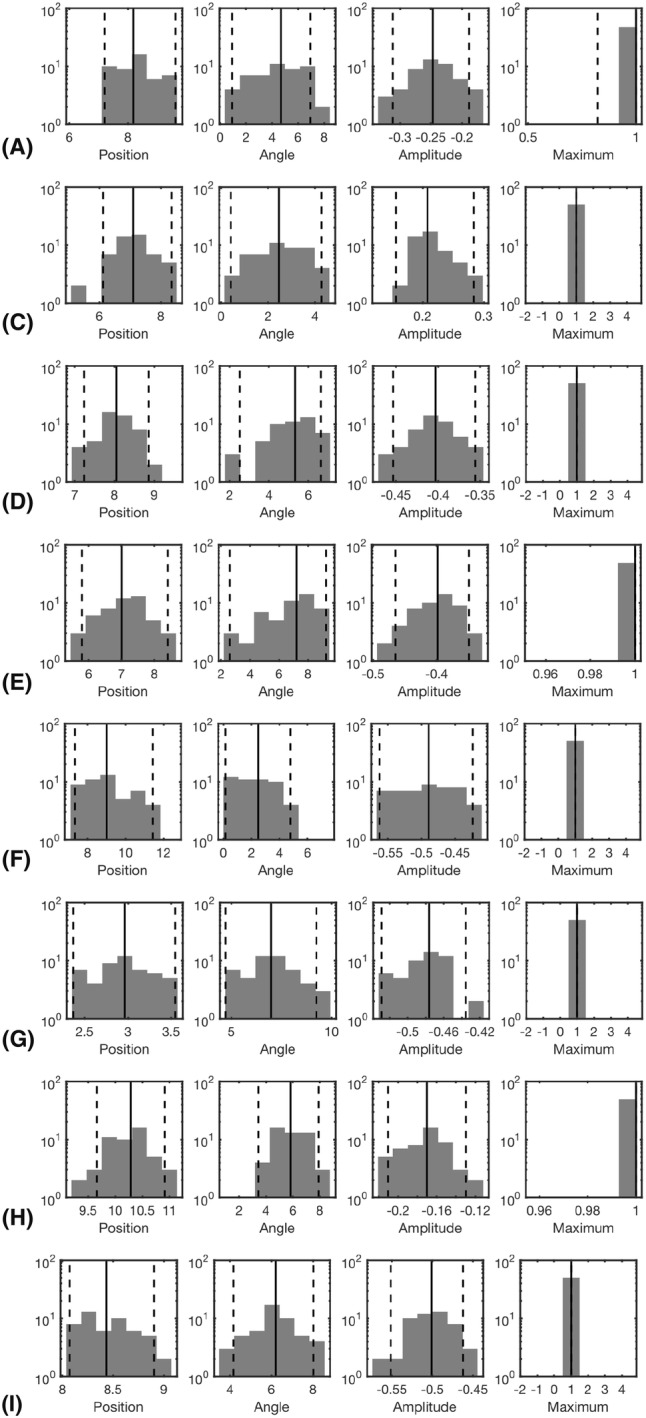
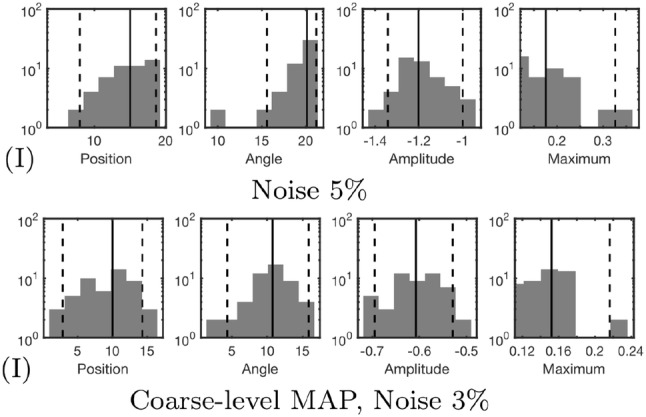
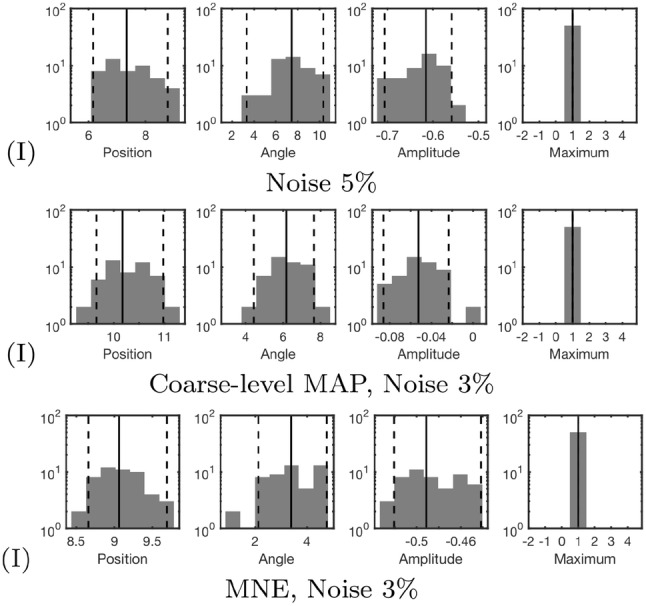
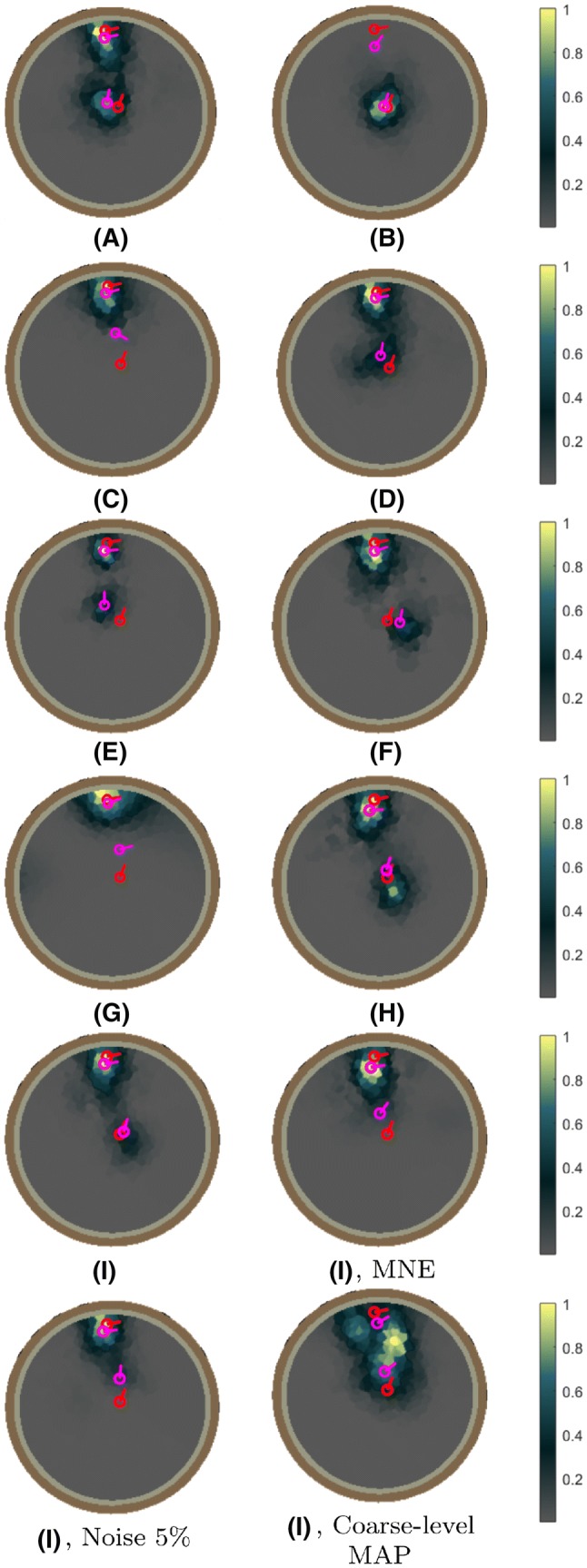
We focus on electro-/magnetoencephalography imaging of the neural activity and, in particular, finding a robust estimate for the primary current distribution via the hierarchical Bayesian model (HBM). Our aim is to develop a reasonably fast maximum a posteriori (MAP) estimation technique which would be applicable for both superficial and deep areas without specific a priori knowledge of the number or location of the activity. To enable source distinguishability for any depth, we introduce a randomized multiresolution scanning (RAMUS) approach in which the MAP estimate of the brain activity is varied during the reconstruction process. RAMUS aims to provide a robust and accurate imaging outcome for the whole brain, while maintaining the computational cost on an appropriate level. The inverse gamma (IG) distribution is applied as the primary hyperprior in order to achieve an optimal performance for the deep part of the brain. In this proof-of-the-concept study, we consider the detection of simultaneous thalamic and somatosensory activity via numerically simulated data modeling the 14-20 ms post-stimulus somatosensory evoked potential and field response to electrical wrist stimulation. Both a spherical and realistic model are utilized to analyze the source reconstruction discrepancies. In the numerically examined case, RAMUS was observed to enhance the visibility of deep components and also marginalizing the random effects of the discretization and optimization without a remarkable computation cost. A robust and accurate MAP estimate for the primary current density was obtained in both superficial and deep parts of the brain.
我们专注于神经活动的电/磁脑成像,特别是通过分层贝叶斯模型 (HBM) 找到稳健的主要电流分布估计。我们的目标是开发一种合理快速的最大后验 (MAP) 估计技术,该技术可适用于浅层和深层区域,而无需对活动的数量或位置有特定的先验知识。为了实现任何深度的源可区分性,我们引入了随机多分辨率扫描 (RAMUS) 方法,在重建过程中,大脑活动的 MAP 估计会发生变化。RAMUS 的目标是为整个大脑提供稳健准确的成像结果,同时将计算成本保持在适当水平。逆伽马 (IG) 分布被用作主要超先验分布,以实现大脑深部部分的最佳性能。在这项概念验证研究中,我们考虑通过数值模拟数据来检测同时的丘脑和体感活动,该数据模拟了电刺激手腕后 14-20 毫秒的体感诱发电位和场响应。我们使用球形和现实模型来分析源重建差异。在数值检查的情况下,RAMUS 被观察到增强了深部成分的可见性,并且在不显著增加计算成本的情况下,边缘化了离散化和优化的随机效应。在大脑的浅层和深层部分都获得了主要电流密度的稳健准确的 MAP 估计。