Ghodake Gajanan, Kim Min, Sung Jung-Suk, Shinde Surendra, Yang Jiwook, Hwang Kyojung, Kim Dae-Young
Department of Biological and Environmental Science, Dongguk University-Seoul, Biomedical Campus, 32 Dongguk-ro, Ilsandong-gu, Goyang-si 10326, Gyeonggi-do, Korea.
Department of Life Science, Dongguk University-Seoul, Biomedical Campus, 32 Dongguk-ro, Ilsandong-gu, Goyang-si 10326, Gyeonggi-do, Korea.
Nanomaterials (Basel). 2020 Feb 19;10(2):360. doi: 10.3390/nano10020360.
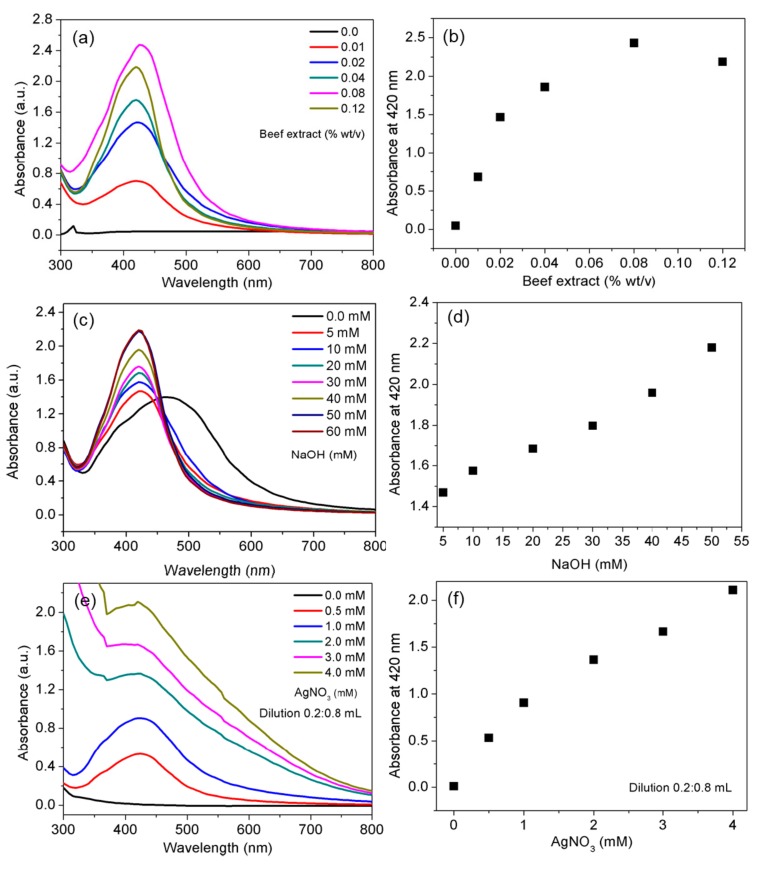
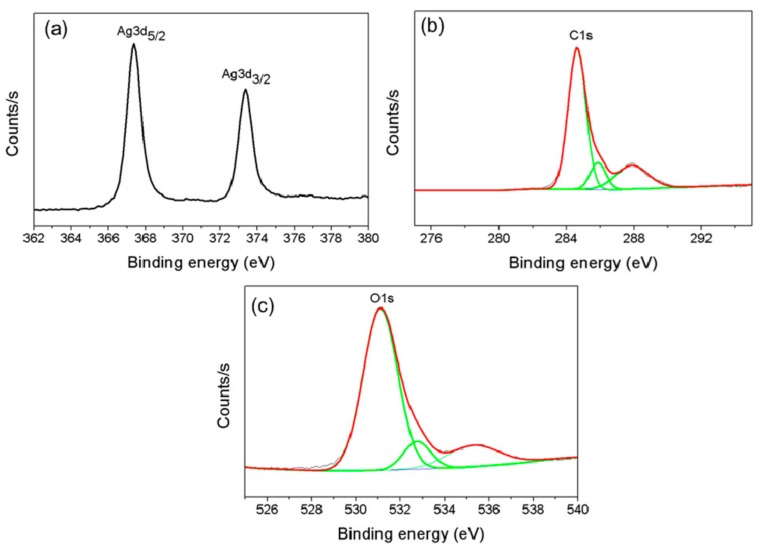
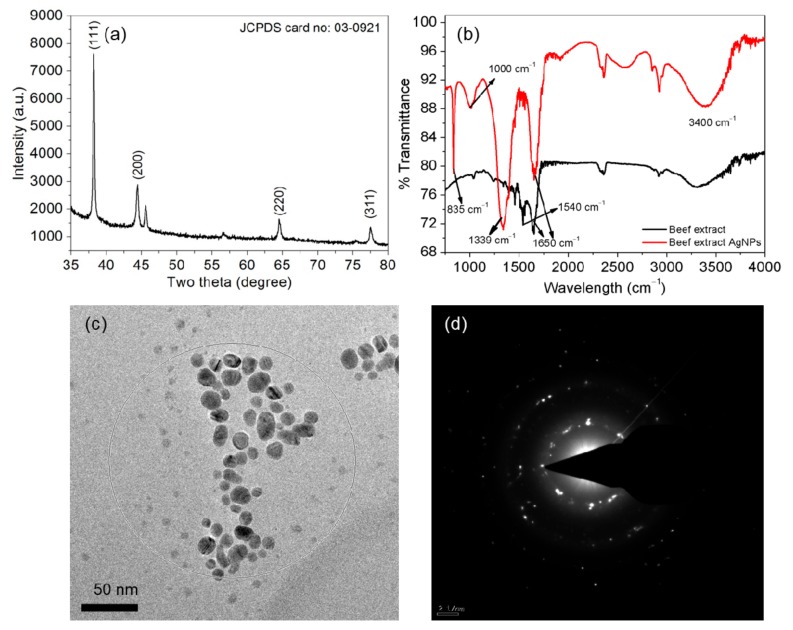
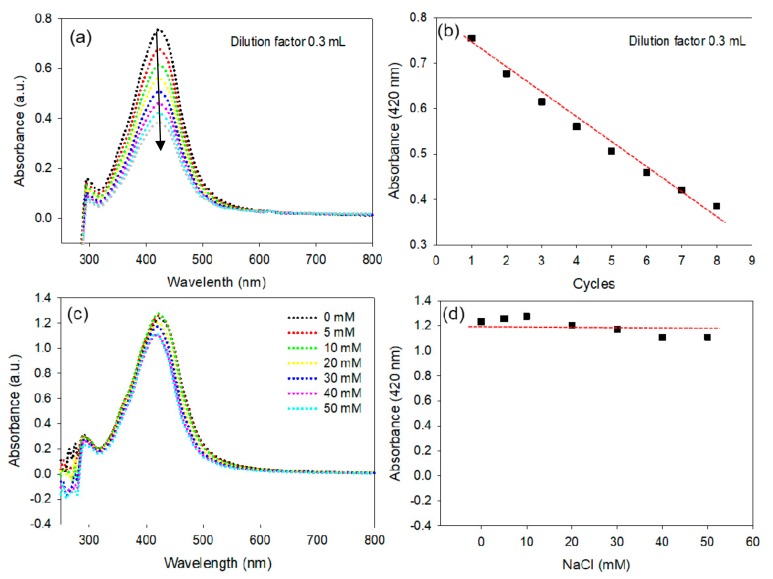
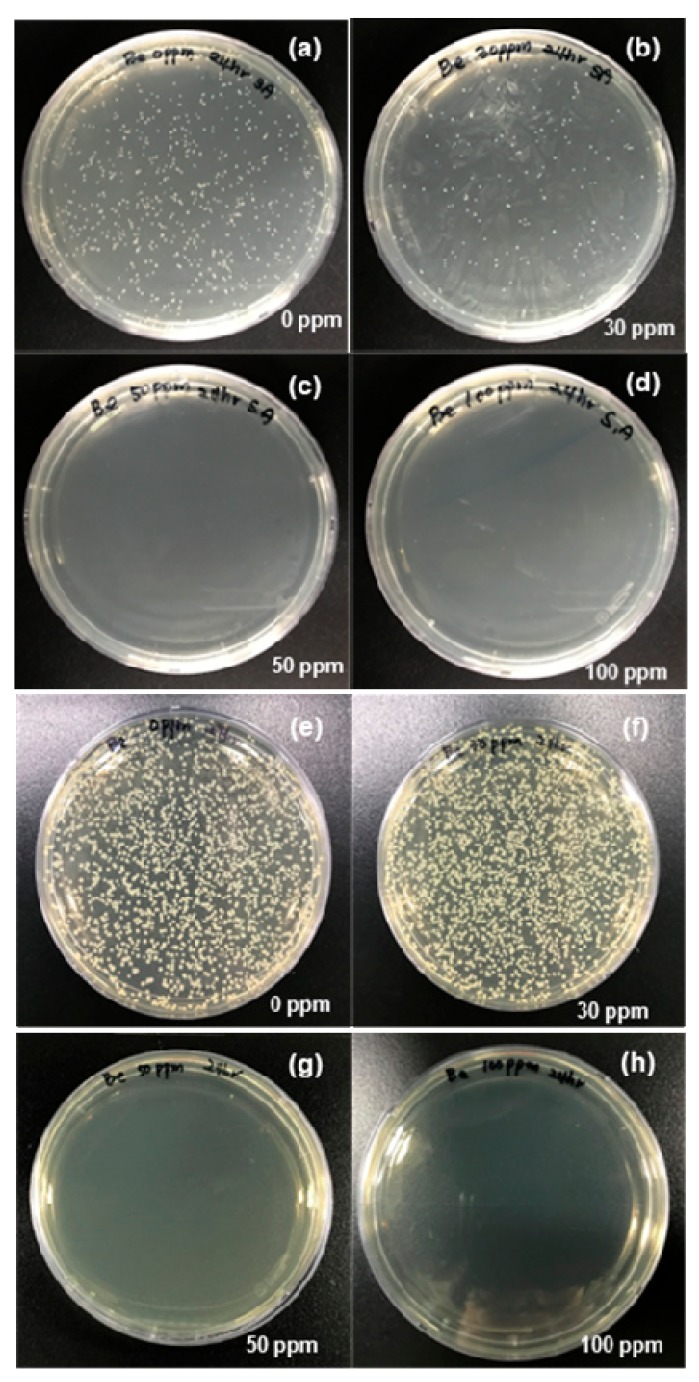
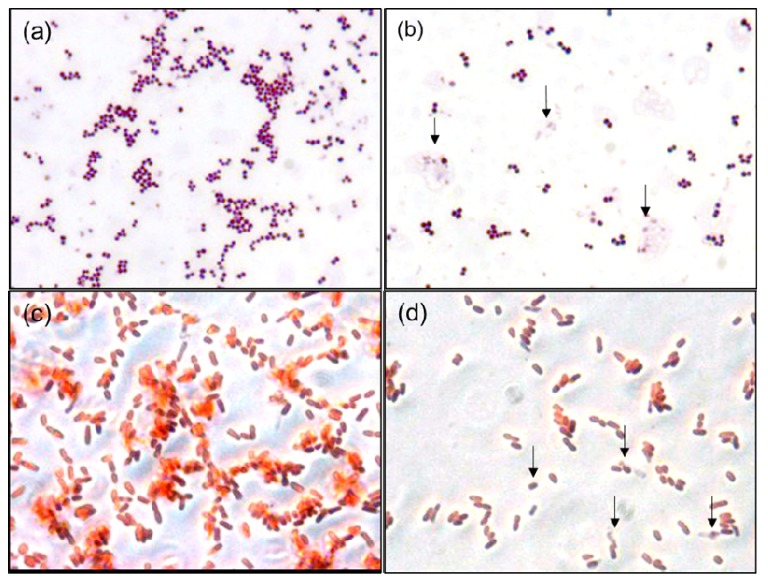
Herein, we report the use of a cell-free extract for the extracellular synthesis of silver nanoparticles (AgNPs) and their potential to address the growing threat of multidrug-resistant (MDR) pathogenic bacteria. The reproducibility of AgNP synthesis was good and AgNP formation kinetics were monitored as a function of various reaction factors via ultraviolet-visible absorption spectroscopy. This green method was dependent on the alkaline pH of the reaction mixture. With the addition of dilute sodium hydroxide, well-dispersed AgNPs could be produced in large quantities via the classical nucleation and growth route. The new biosynthetic route enabled the production of AgNPs within a narrow size range of 4 to 17 nm. The AgNPs were characterized using various techniques and their antibacterial activity against MDR pathogenic bacteria was evaluated. Field-emission scanning electron microscopic imaging revealed prominent morphological changes in Staphylococcus cells due to mechanical damage, which led to cell death. Escherichia cells showed signs of contraction and intracellular fluid discharge as a consequence of disrupted cell membrane function. This new biologically-assisted extracellular strategy is potentially useful for the decontamination of surfaces and is expected to contribute to the development of new products containing AgNPs.
在此,我们报告了使用无细胞提取物进行银纳米颗粒(AgNPs)的细胞外合成及其应对多重耐药(MDR)病原菌日益增长威胁的潜力。AgNP合成的重现性良好,并通过紫外可见吸收光谱法监测AgNP形成动力学作为各种反应因素的函数。这种绿色方法依赖于反应混合物的碱性pH值。加入稀氢氧化钠后,可通过经典的成核和生长途径大量生产分散良好的AgNPs。这种新的生物合成途径能够在4至17nm的窄尺寸范围内生产AgNPs。使用各种技术对AgNPs进行了表征,并评估了它们对MDR病原菌的抗菌活性。场发射扫描电子显微镜成像显示,由于机械损伤,葡萄球菌细胞出现明显的形态变化,导致细胞死亡。大肠杆菌细胞由于细胞膜功能破坏而出现收缩和细胞内液排出的迹象。这种新的生物辅助细胞外策略可能对表面去污有用,并有望为含AgNPs新产品的开发做出贡献。