Galetović Alexandra, Seura Francisca, Gallardo Valeska, Graves Rocío, Cortés Juan, Valdivia Carolina, Núñez Javier, Tapia Claudia, Neira Iván, Sanzana Sigrid, Gómez-Silva Benito
Departamento Biomédico, Laboratorio de Bioquímica, Facultad de Ciencias de la Salud and Centre for Biotechnology and Bioengineering (CeBiB), Universidad de Antofagasta, Avenida Angamos N° 601, Antofagasta 1270300, Chile.
Departamento de Ciencias de los Alimentos y Nutrición, Universidad de Antofagasta, Avenida Angamos N° 601, Antofagasta 1270300, Chile.
Foods. 2020 Feb 24;9(2):244. doi: 10.3390/foods9020244.
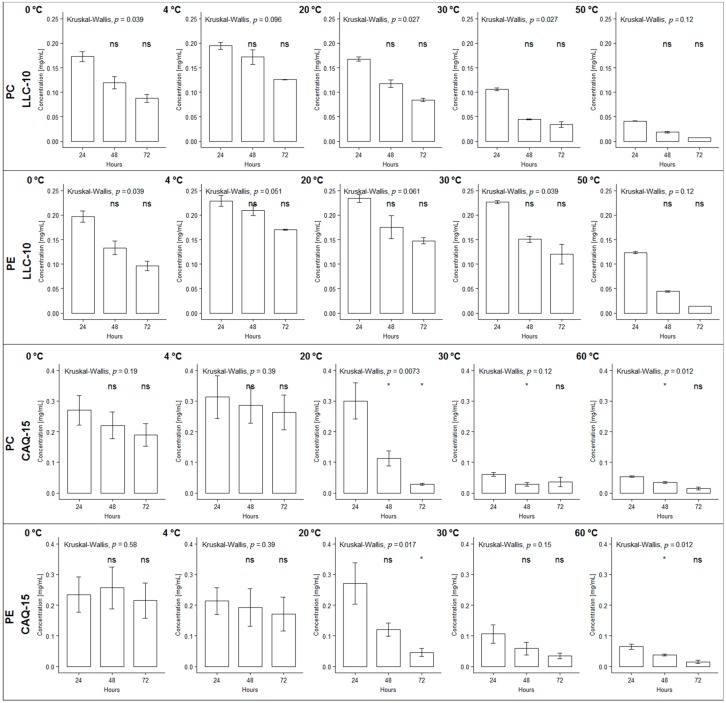
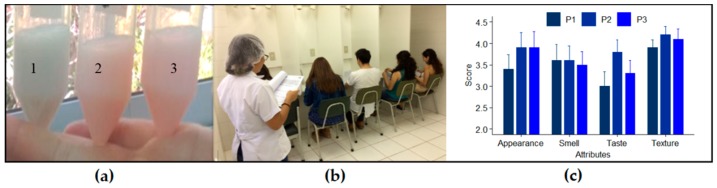
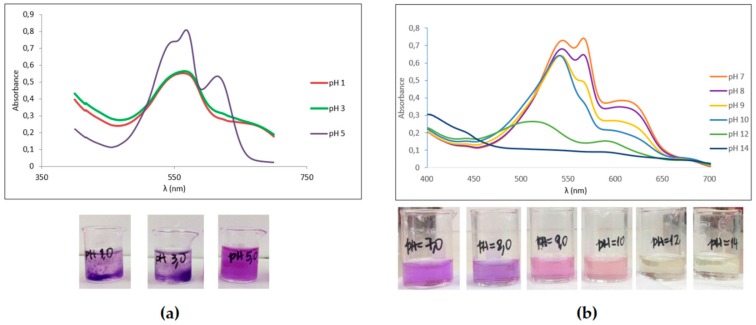
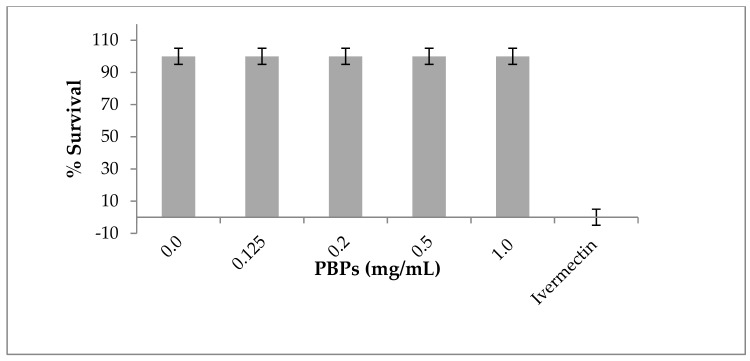
The interest of the food industry in replacing artificial dyes with natural pigments has grown recently. Cyanobacterial phycobiliproteins (PBPs), phycoerythrin (PE) and phycocyanin (PC), are colored water-soluble proteins that are used as natural pigments. Additionally, red PE and blue PC have antioxidant capabilities. We have formulated a new food prototype based on PBP-fortified skim milk. PBPs from Andean cyanobacteria were purified by ammonium sulfate precipitation, ion-exchange chromatography, and freeze-drying. The stability of PE and PC was evaluated by changes in their absorption spectra at various pH (1-14) and temperature (0-80 °C) values. Purified PBPs showed chemical stability under pH values of 5 to 8 and at temperatures between 0 and 50 °C. The antioxidant property of PBP was confirmed by ABTS (2,2'-Azino-bis (3-ethylbenzothiazoline-6-sulfonic acid) diammonium salt radical ion scavenging, and FRAP (Ferric Antioxidant Power) assays. The absence of PBP toxicity against was confirmed up to 1 mg PBP/mL. Skim milk fortified with PE obtained a higher score after sensory tests. Thus, a functional food based on skim milk-containing cyanobacterial PBPs can be considered an innovative beverage for the food industry. PBPs were stable at an ultra-high temperature (138 °C and 4 s). PBP stability improvements by changes at its primary structure and the incorporation of freeze-dried PBPs into sachets should be considered as alternatives for their future commercialization.
食品行业最近对用天然色素替代人工合成色素的兴趣日益浓厚。蓝藻藻胆蛋白(PBPs)、藻红蛋白(PE)和藻蓝蛋白(PC)是用作天然色素的水溶性有色蛋白质。此外,红色的PE和蓝色的PC具有抗氧化能力。我们已经研发出一种基于添加了PBP的脱脂牛奶的新型食品原型。通过硫酸铵沉淀、离子交换色谱法和冷冻干燥法从安第斯蓝藻中纯化出PBPs。通过在不同pH值(1 - 14)和温度(0 - 80°C)下其吸收光谱的变化来评估PE和PC的稳定性。纯化后的PBPs在pH值为5至8以及温度在0至50°C之间时表现出化学稳定性。通过ABTS(2,2'-联氮-双-(3-乙基苯并噻唑啉-6-磺酸)二铵盐自由基离子清除法)和FRAP(铁离子还原抗氧化能力)测定法证实了PBP的抗氧化性能。在高达1mg PBP/mL的浓度下,证实了PBP对[此处原文缺失具体对象]没有毒性。经过感官测试,添加了PE的脱脂牛奶获得了更高的评分。因此,基于含有蓝藻PBPs的脱脂牛奶的功能性食品可被视为食品行业的一种创新型饮品。PBPs在超高温(138°C和4秒)下是稳定的。通过改变其一级结构以及将冷冻干燥的PBPs装入小袋中来提高PBP稳定性的方法应被视为其未来商业化的替代方案。