Neyaz Leena, Rajagopal Nisha, Wells Harrington, Fakhr Mohamed K
Department of Biological Science, The University of Tulsa, Tulsa, OK, United States.
Front Microbiol. 2020 Feb 19;11:223. doi: 10.3389/fmicb.2020.00223. eCollection 2020.
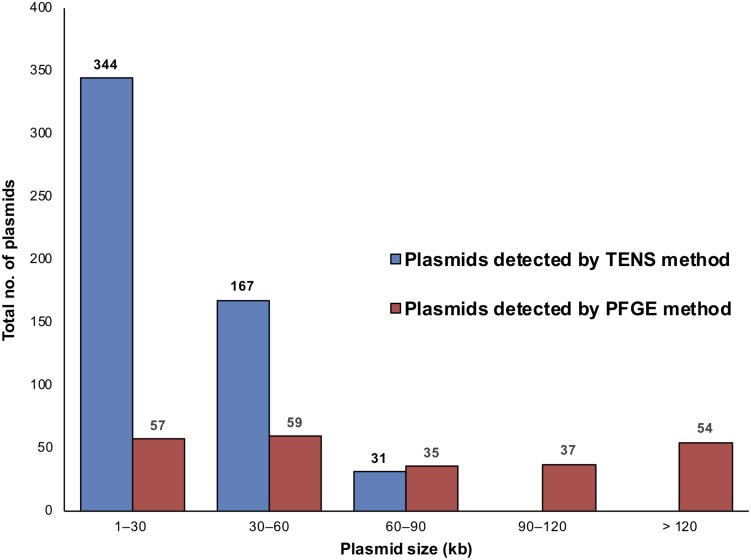
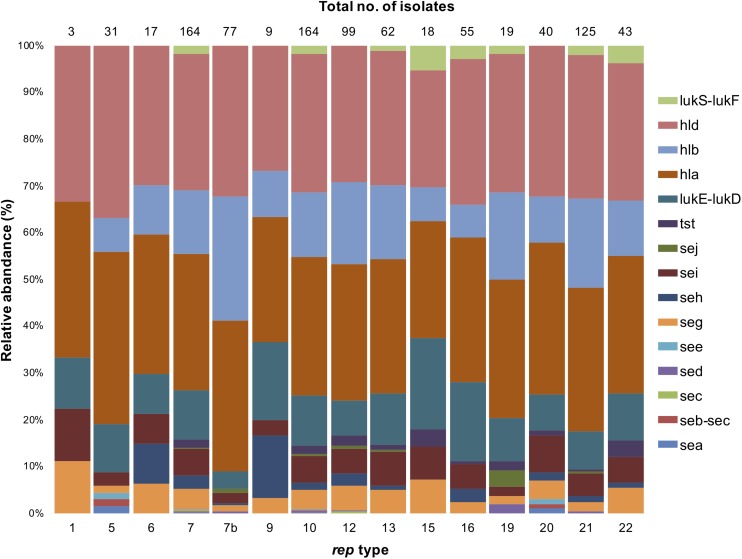
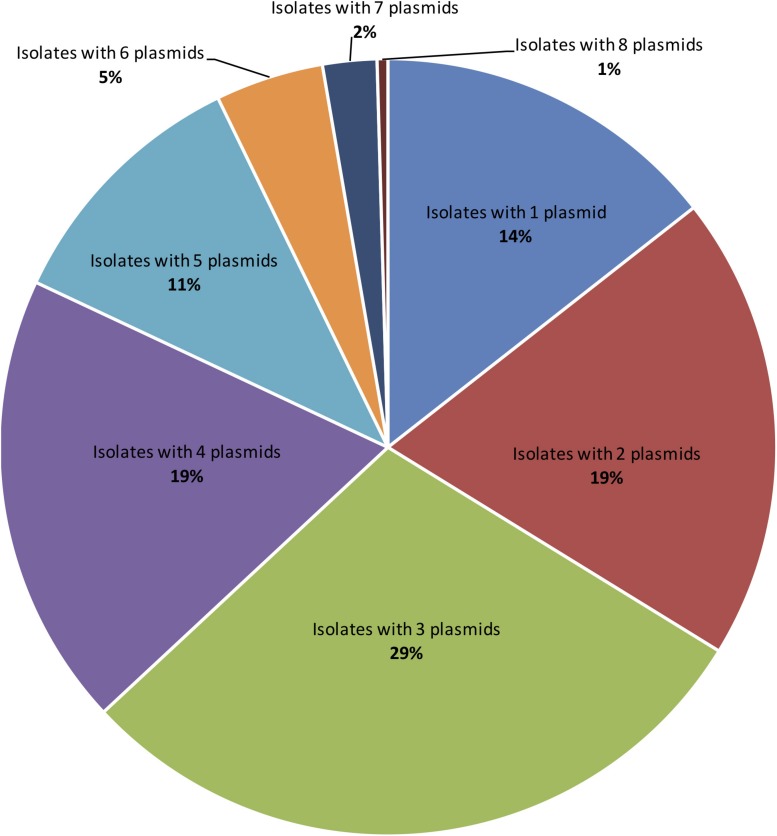
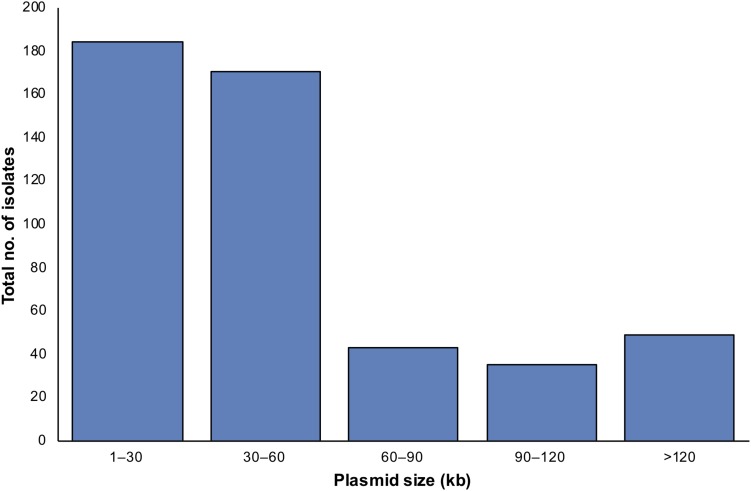
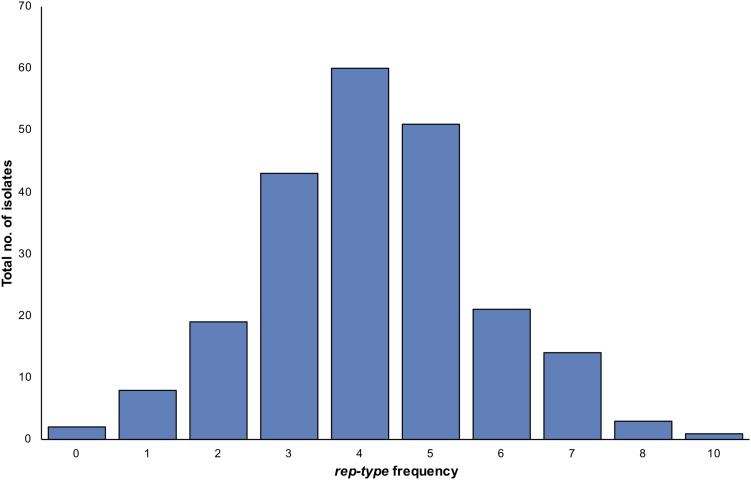
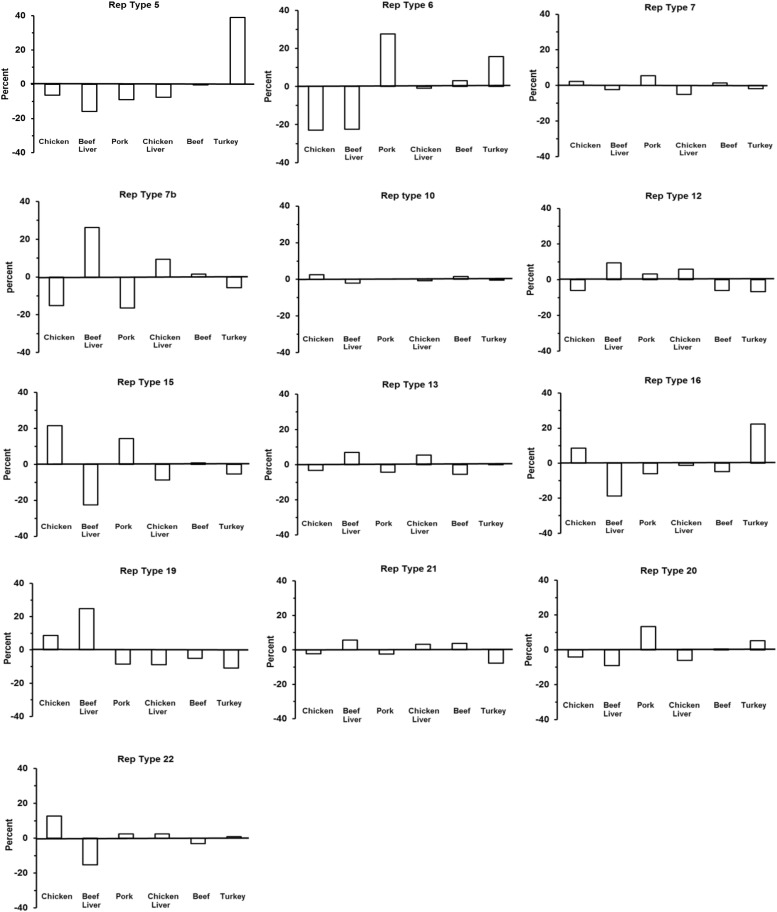
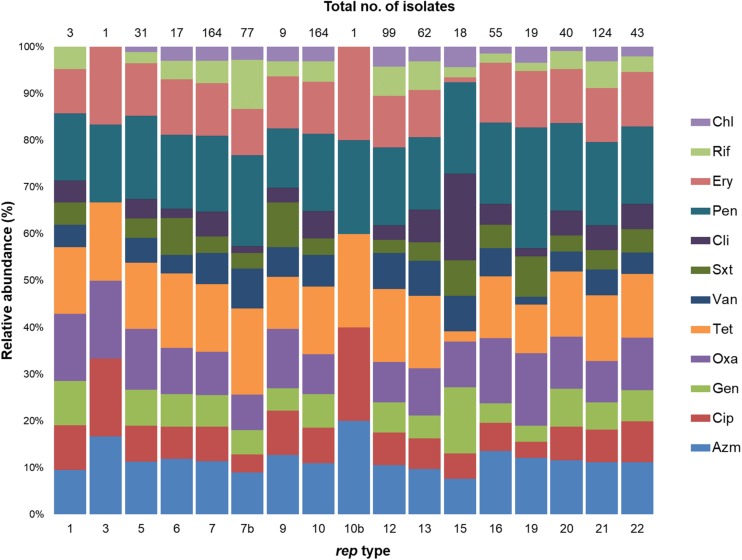
is considered one of the most important foodborne bacterial pathogens causing food poisoning and related illnesses. strains harbor plasmids encoding genes for virulence and antimicrobial resistance, but few studies have investigated plasmids, especially megaplasmids, in isolates from retail meats. Furthermore, knowledge about the distribution of genes encoding replication () initiation proteins in food isolates is lacking. In this study, the prevalence of plasmids in strains isolated from retail meats purchased in Oklahoma was investigated; furthermore, we evaluated associations between families, selected virulence and antimicrobial resistance genes, and food source origin. Two hundred and twenty-two isolates from chicken ( = 55), beef liver ( = 43), pork ( = 42), chicken liver ( = 29), beef ( = 24), turkey ( = 22), and chicken gizzards ( = 7) were subjected to plasmid screening with alkaline lysis and PFGE to detect small-to-medium sized and large plasmids, respectively. The isolates contained variable sizes of plasmids, and PFGE was superior to alkaline lysis in detecting large megaplasmids. A total of 26 families were identified by PCR, and the most dominant families were and in 164 isolates (89%), in 124 isolates (56%), and in 99 isolates (45%). Relationships between selected genes, antimicrobial resistance and virulence genes, and meat sources were detected. In conclusion, strains isolated from retail meats harbor plasmids with various sizes and there is an association between genes on these plasmids and the meat source or the antimicrobial resistance of the strains harboring them.
被认为是引起食物中毒及相关疾病的最重要的食源性病原体之一。菌株携带编码毒力和抗微生物耐药性基因的质粒,但很少有研究调查零售肉类分离株中的质粒,尤其是大质粒。此外,关于食品分离株中编码复制(rep)起始蛋白的基因分布的知识也很缺乏。在本研究中,调查了从俄克拉荷马州购买的零售肉类中分离的菌株中质粒的流行情况;此外,我们评估了rep家族、选定的毒力和抗微生物耐药性基因与食物来源之间的关联。对来自鸡肉(n = 55)、牛肝(n = 43)、猪肉(n = 42)、鸡肝(n = 29)、牛肉(n = 24)、火鸡(n = 22)和鸡胗(n = 7)的222株分离株分别采用碱性裂解和脉冲场凝胶电泳(PFGE)进行质粒筛选,以检测中小型和大型质粒。这些分离株含有大小各异的质粒,PFGE在检测大型大质粒方面优于碱性裂解。通过聚合酶链反应(PCR)共鉴定出26个rep家族,最主要的rep家族在164株分离株(89%)中为IncF和IncI,在124株分离株(56%)中为IncA/C,在99株分离株(45%)中为IncN。检测了选定的rep基因、抗微生物耐药性和毒力基因与肉类来源之间的关系。总之,从零售肉类中分离的菌株携带各种大小的质粒,这些质粒上的rep基因与肉类来源或携带它们的菌株的抗微生物耐药性之间存在关联。