Laboratoire de Neurosciences Cognitives et Computationnelles, Institut National de la Sante et de la Recherche Medicale, Paris, France.
Departement d'Etudes Cognitives, Ecole Normale Superieure, Paris, France.
Elife. 2020 Mar 9;9:e50469. doi: 10.7554/eLife.50469.
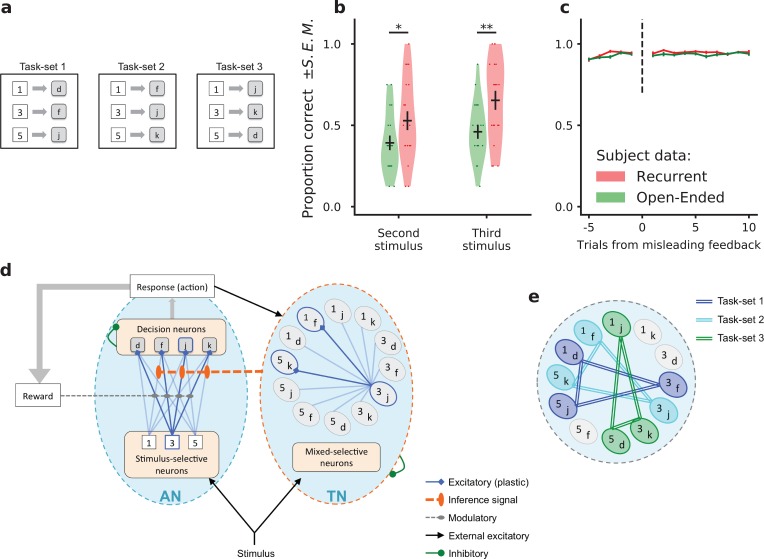
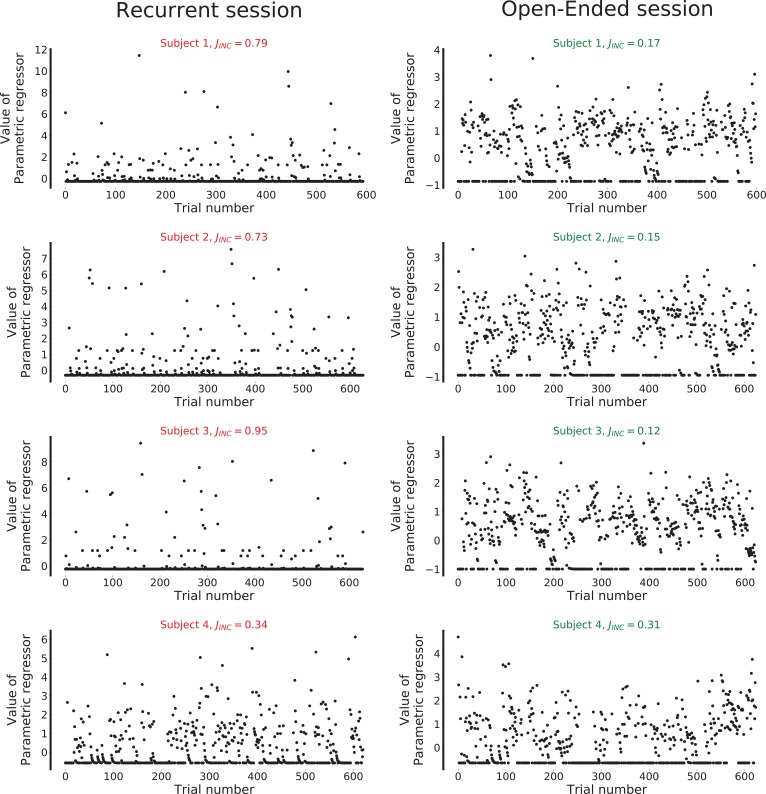
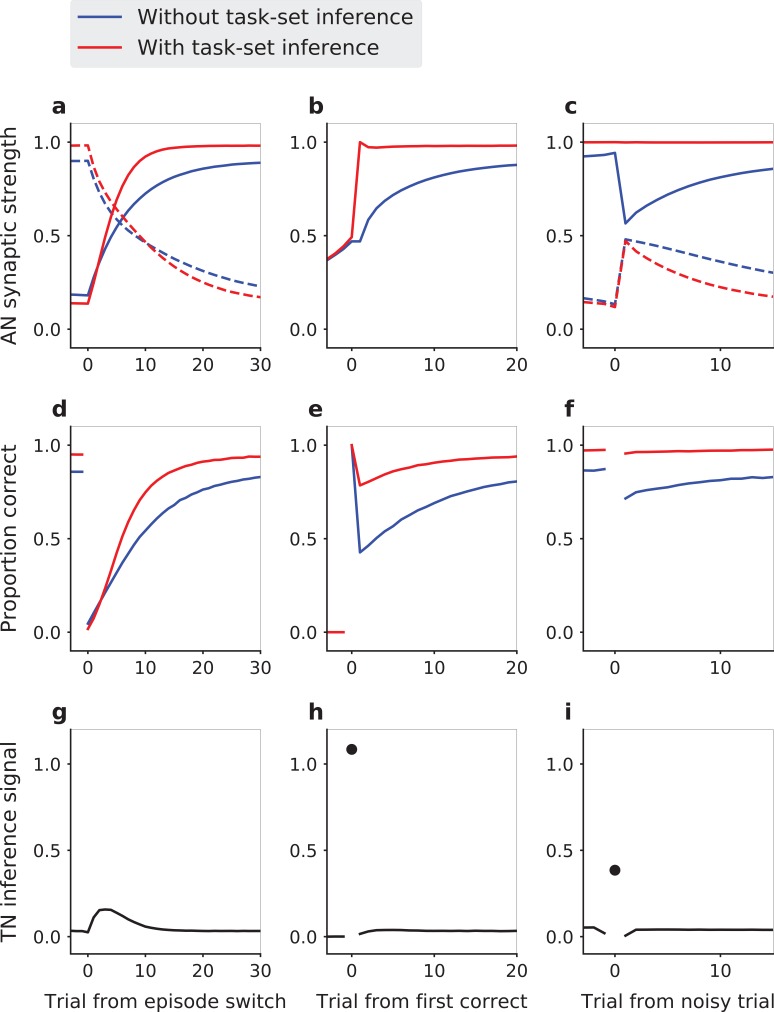
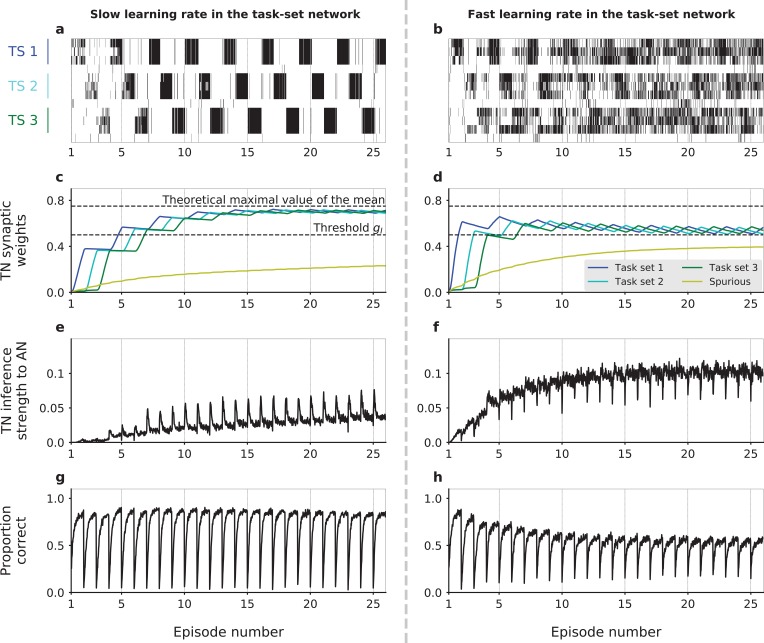
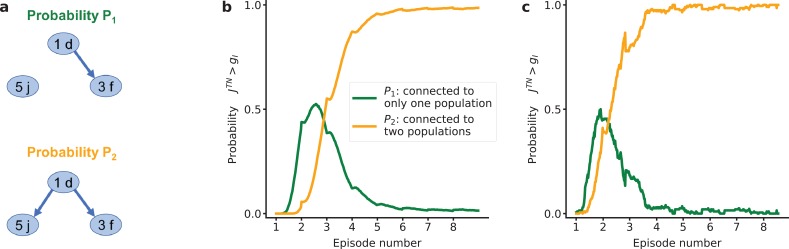
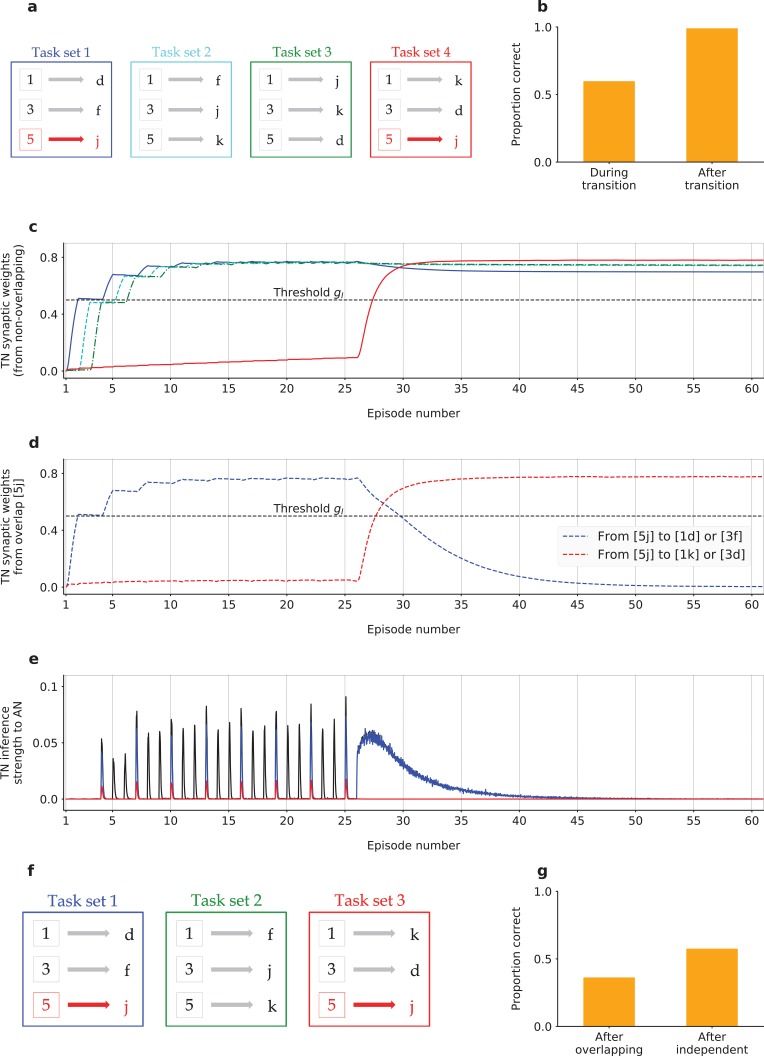
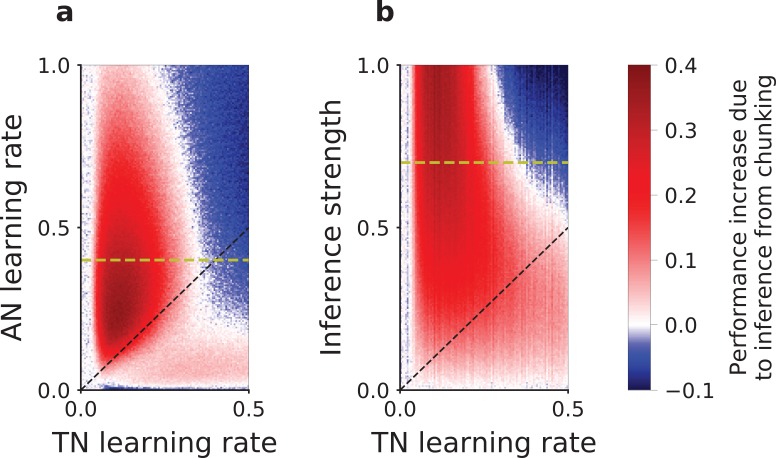
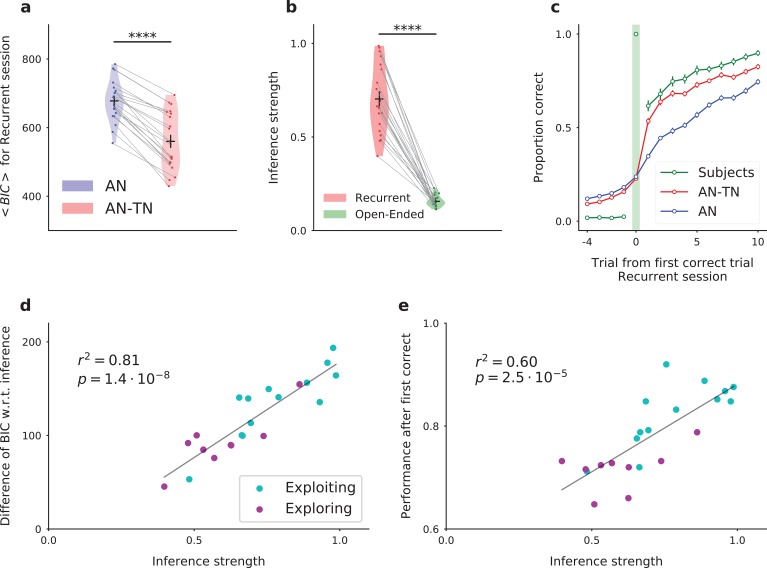
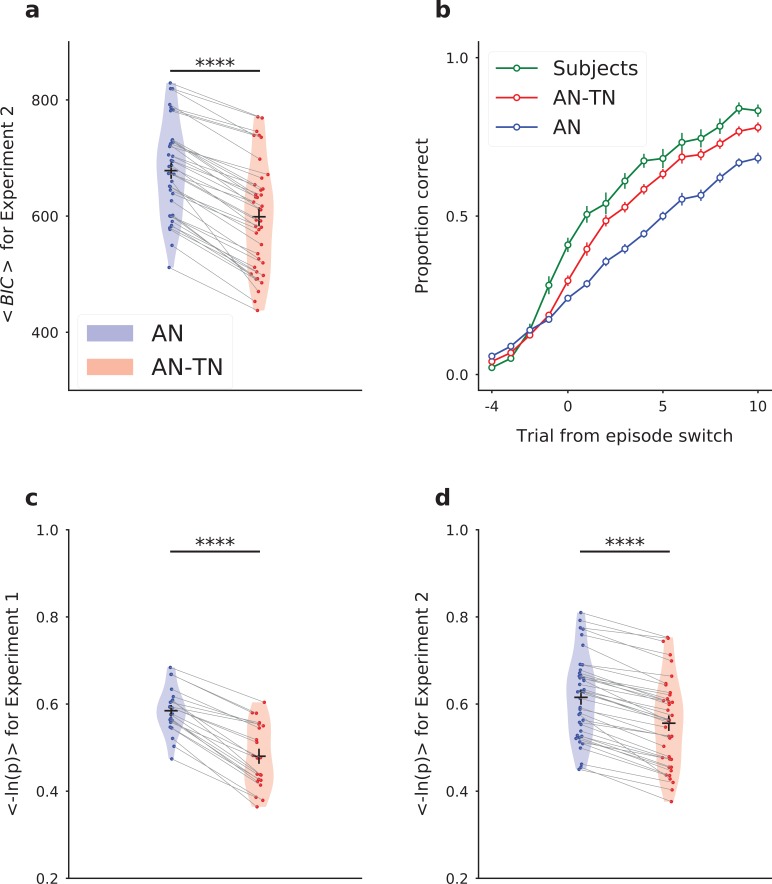
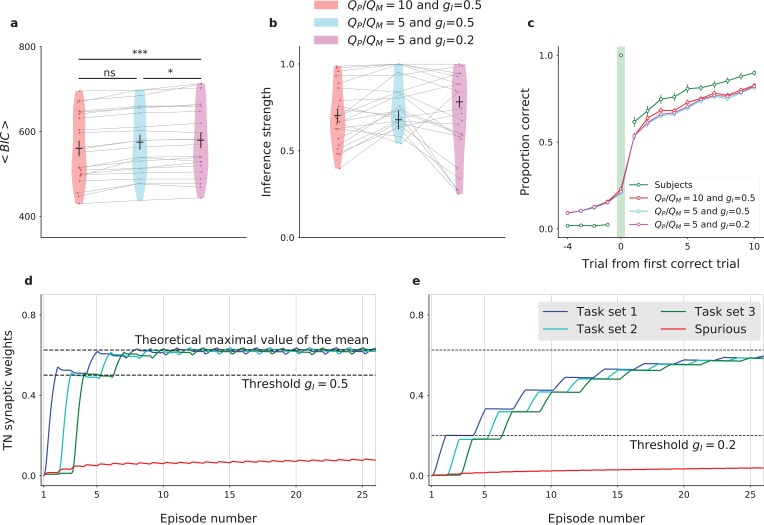
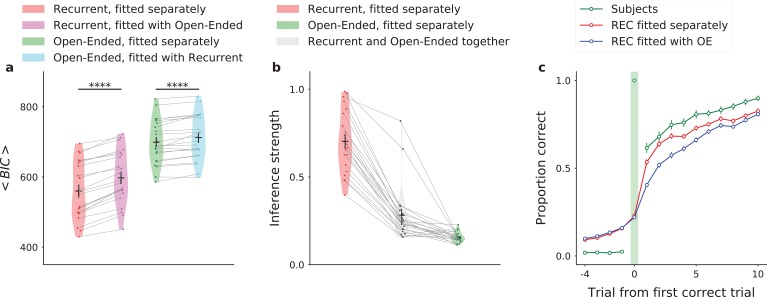
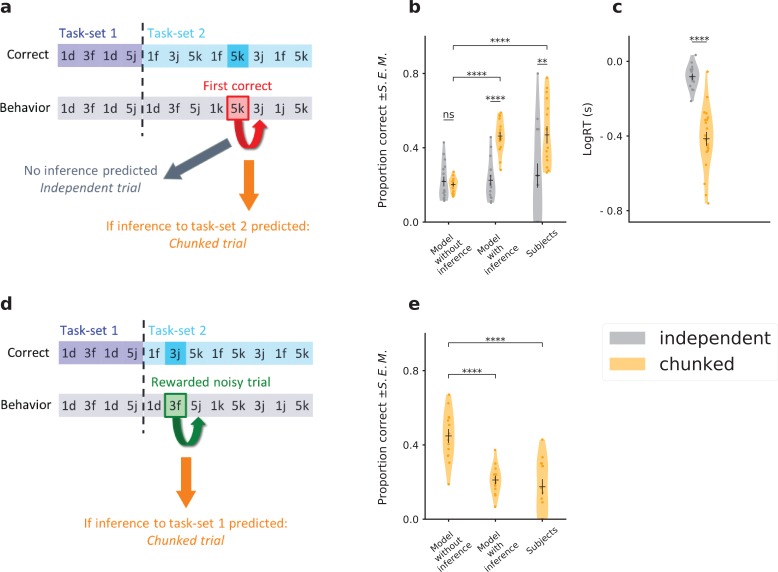
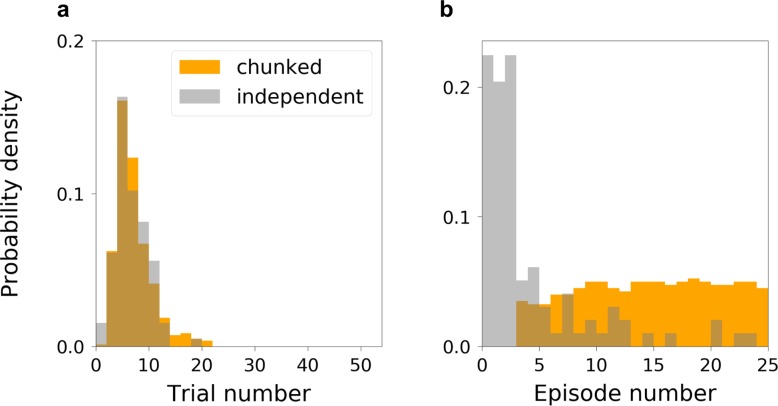
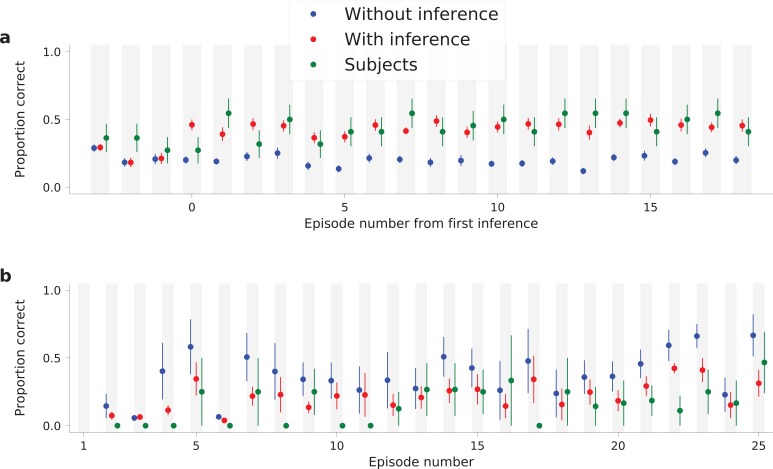
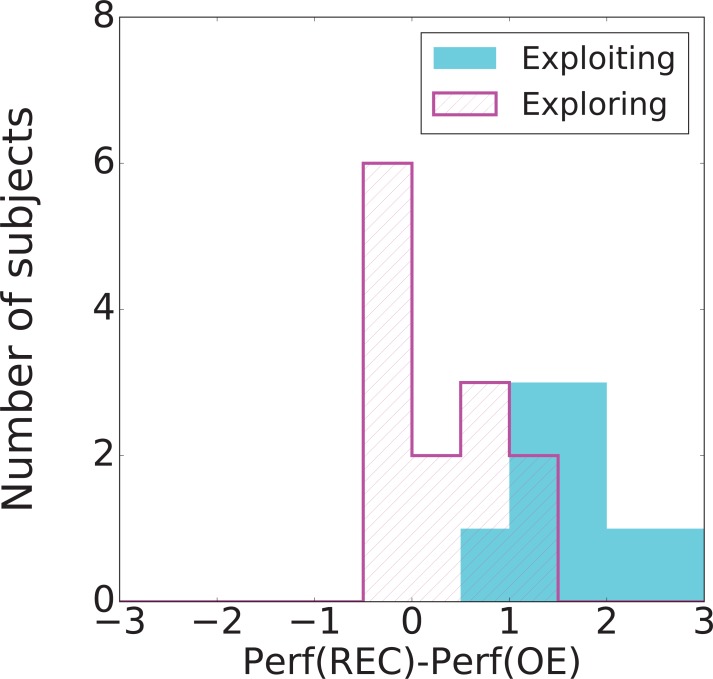
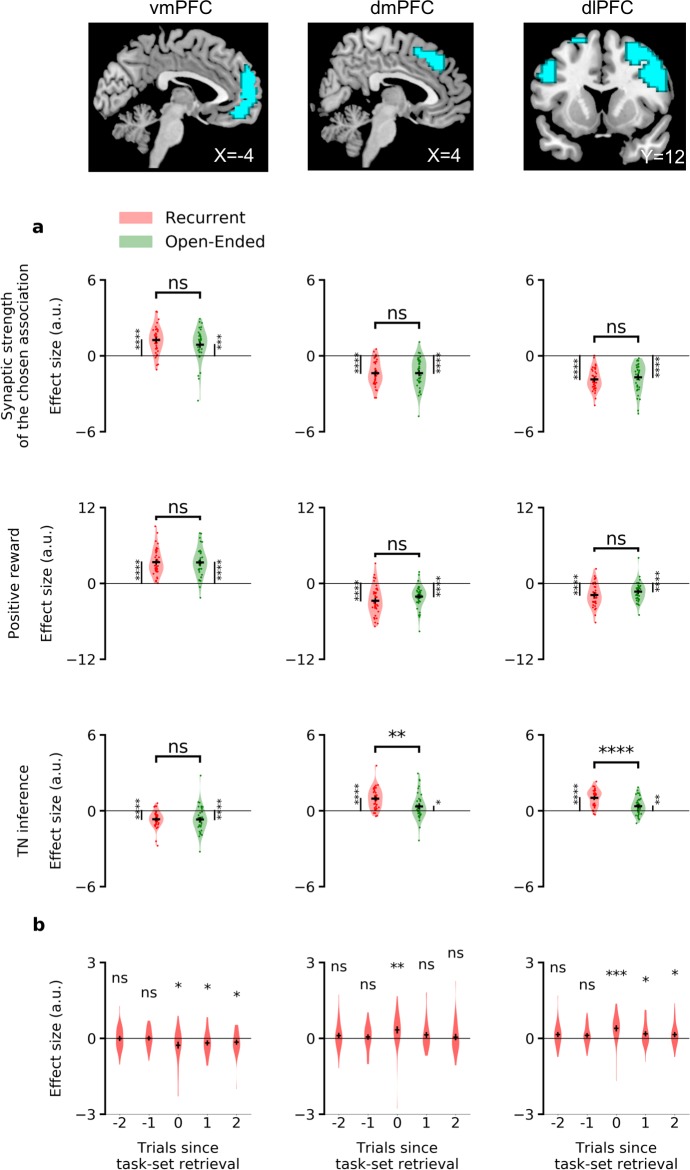
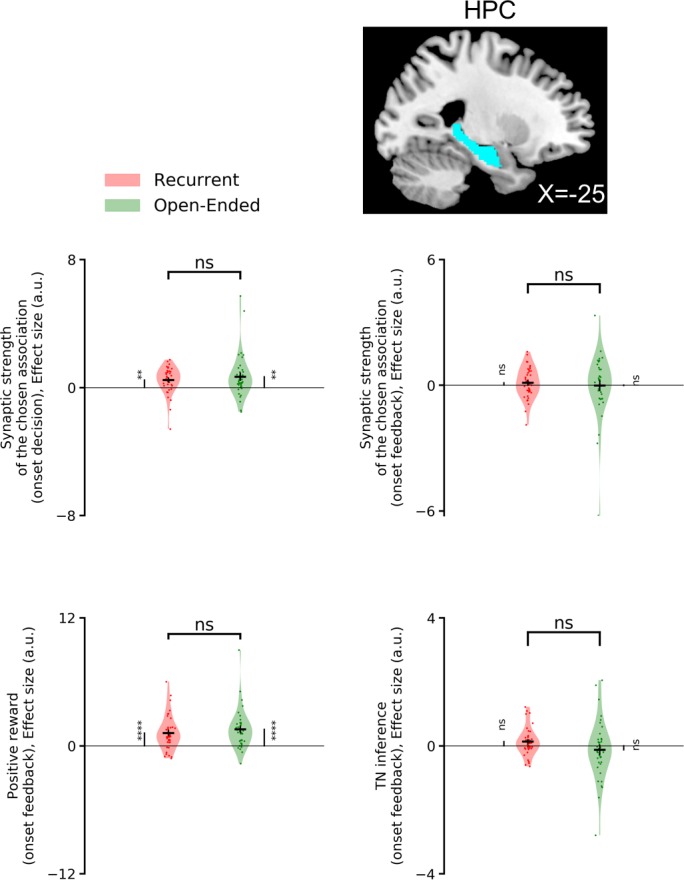
Depending on environmental demands, humans can learn and exploit multiple concurrent sets of stimulus-response associations. Mechanisms underlying the learning of such task-sets remain unknown. Here we investigate the hypothesis that task-set learning relies on unsupervised chunking of stimulus-response associations that occur in temporal proximity. We examine behavioral and neural data from a task-set learning experiment using a network model. We first show that task-set learning can be achieved provided the timescale of chunking is slower than the timescale of stimulus-response learning. Fitting the model to behavioral data on a subject-by-subject basis confirmed this expectation and led to specific predictions linking chunking and task-set retrieval that were borne out by behavioral performance and reaction times. Comparing the model activity with BOLD signal allowed us to identify neural correlates of task-set retrieval in a functional network involving ventral and dorsal prefrontal cortex, with the dorsal system preferentially engaged when retrievals are used to improve performance.
根据环境需求,人类可以学习和利用多组同时存在的刺激-反应关联。支持这种任务集学习的机制尚不清楚。在这里,我们研究了一个假设,即任务集学习依赖于在时间上接近的刺激-反应关联的无监督分块。我们使用网络模型检查了使用任务集学习实验的行为和神经数据。我们首先表明,只要分块的时间尺度慢于刺激-反应学习的时间尺度,就可以实现任务集学习。逐个受试者拟合模型证实了这一预期,并得出了将分块与任务集检索联系起来的具体预测,这些预测通过行为表现和反应时间得到了验证。将模型活动与 BOLD 信号进行比较,使我们能够在涉及腹侧和背侧前额叶皮层的功能网络中识别任务集检索的神经相关物,当检索用于提高性能时,背侧系统优先参与。