Department of Immunology and Microbiology, University of Colorado School of Medicine, Aurora, USA.
Department of Immunology and Microbiology, University of Colorado School of Medicine, Aurora, USA; Department of Veterans Affairs, Eastern Colorado Health Care System, Denver, USA.
Curr Opin Microbiol. 2020 Feb;53:51-60. doi: 10.1016/j.mib.2020.02.005. Epub 2020 Mar 12.
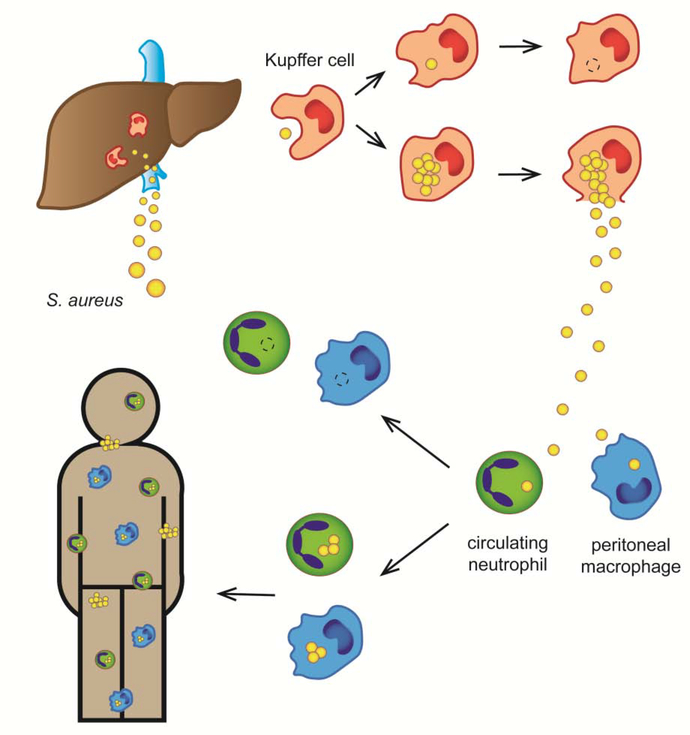
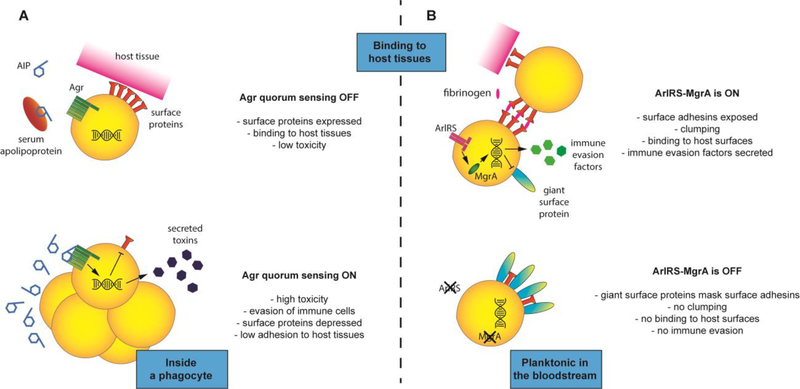
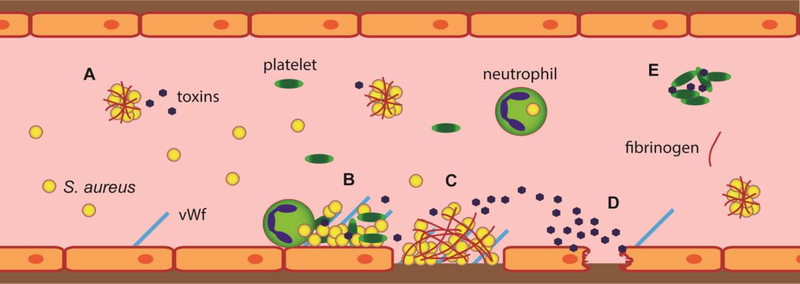
Staphylococcus aureus is an opportunistic pathogen that normally colonizes the human anterior nares. At the same time, this pathogen is one of the leading causes of life-threatening bloodstream infections, such as sepsis and endocarditis. In this review we will present the current understanding of the pathogenesis of these invasive infections, focusing on the mechanisms of S. aureus clearance from the bloodstream by the immune system, and how this pathogen hijacks the host defense and coagulation systems and further interacts with the blood vessel endothelium. Additionally, we will delve into the regulatory mechanisms S. aureus employs during an invasive infection. These new insights into host-pathogen interactions show promising avenues for the development of novel therapies for treating bloodstream infections.
金黄色葡萄球菌是一种机会致病菌,通常定植于人体鼻腔前部。与此同时,这种病原体也是引起危及生命的血流感染(如败血症和心内膜炎)的主要原因之一。在本综述中,我们将介绍目前对这些侵袭性感染发病机制的理解,重点关注免疫系统从血液中清除金黄色葡萄球菌的机制,以及该病原体如何劫持宿主防御和凝血系统,并进一步与血管内皮相互作用。此外,我们还将深入探讨金黄色葡萄球菌在侵袭性感染期间采用的调控机制。这些对宿主-病原体相互作用的新见解为开发治疗血流感染的新型疗法提供了有前景的途径。