LadHyX and Department of Mechanics, Ecole Polytechnique, CNRS-UMR 7646, 91128 Palaiseau, France.
Physical Microfluidics and Bioengineering, Department of Genomes and Genetics, Institut Pasteur, 75015 Paris, France.
Sci Adv. 2020 Mar 4;6(10):eaaw7853. doi: 10.1126/sciadv.aaw7853. eCollection 2020 Mar.
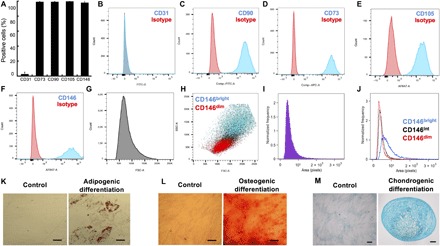
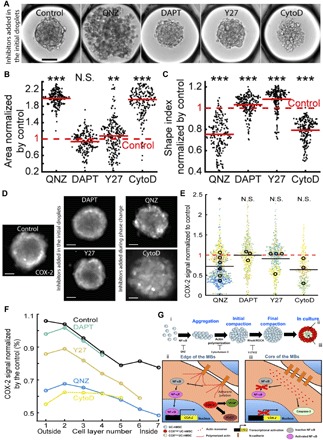
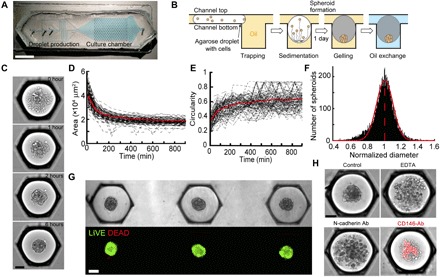
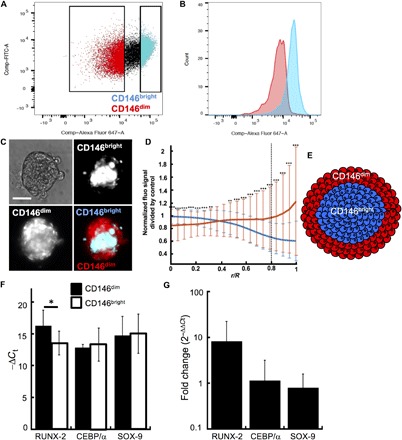
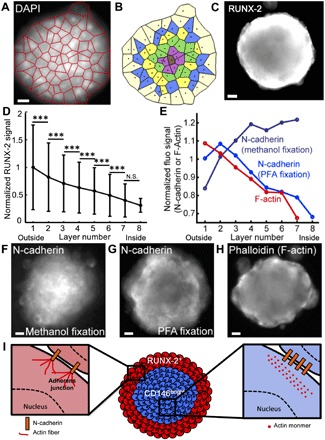
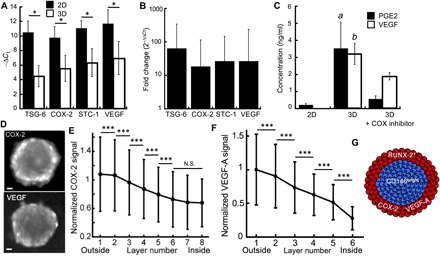
Organoids that recapitulate the functional hallmarks of anatomic structures comprise cell populations able to self-organize cohesively in 3D. However, the rules underlying organoid formation in vitro remain poorly understood because a correlative analysis of individual cell fate and spatial organization has been challenging. Here, we use a novel microfluidics platform to investigate the mechanisms determining the formation of organoids by human mesenchymal stromal cells that recapitulate the early steps of condensation initiating bone repair in vivo. We find that heterogeneous mesenchymal stromal cells self-organize in 3D in a developmentally hierarchical manner. We demonstrate a link between structural organization and local regulation of specific molecular signaling pathways such as NF-κB and actin polymerization, which modulate osteo-endocrine functions. This study emphasizes the importance of resolving spatial heterogeneities within cellular aggregates to link organization and functional properties, enabling a better understanding of the mechanisms controlling organoid formation, relevant to organogenesis and tissue repair.
类器官能够重现解剖结构的功能特征,由能够在 3D 中自组织凝聚的细胞群体组成。然而,由于对单个细胞命运和空间组织的相关分析具有挑战性,因此体外类器官形成的规则仍知之甚少。在这里,我们使用一种新颖的微流控平台来研究由人基质干细胞形成类器官的机制,这些细胞重现了体内启动骨修复的早期凝聚步骤。我们发现,异质的间充质基质细胞以发育层次的方式在 3D 中自组织。我们证明了结构组织与特定分子信号通路(如 NF-κB 和肌动蛋白聚合)的局部调节之间存在联系,这些通路调节骨内分泌功能。这项研究强调了在连接组织和功能特性时解决细胞聚集体内空间异质性的重要性,使我们能够更好地理解控制类器官形成的机制,这与器官发生和组织修复有关。