Department of Gastro-Intestinal Health, Nestlé Institute of Health Sciences, Nestlé Research, Société des Produits Nestlé SA, Lausanne, Switzerland
Department of Gastro-Intestinal Health, Nestlé Institute of Health Sciences, Nestlé Research, Société des Produits Nestlé SA, Lausanne, Switzerland.
mBio. 2020 Mar 17;11(2):e03196-19. doi: 10.1128/mBio.03196-19.
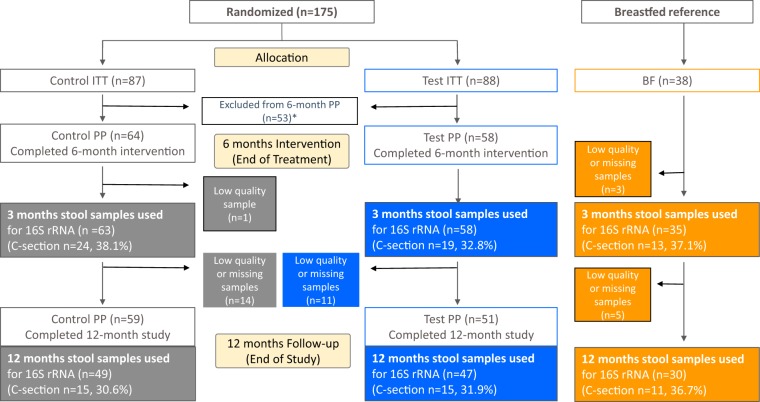
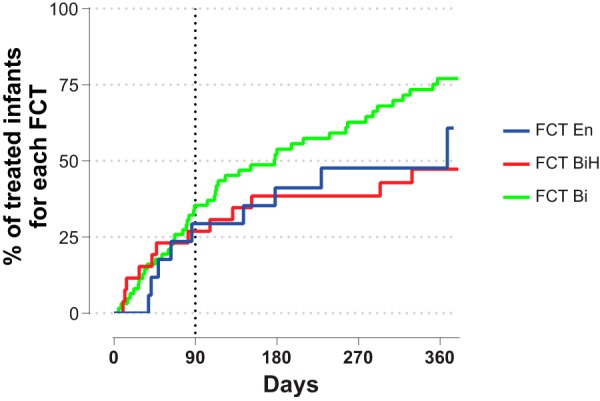
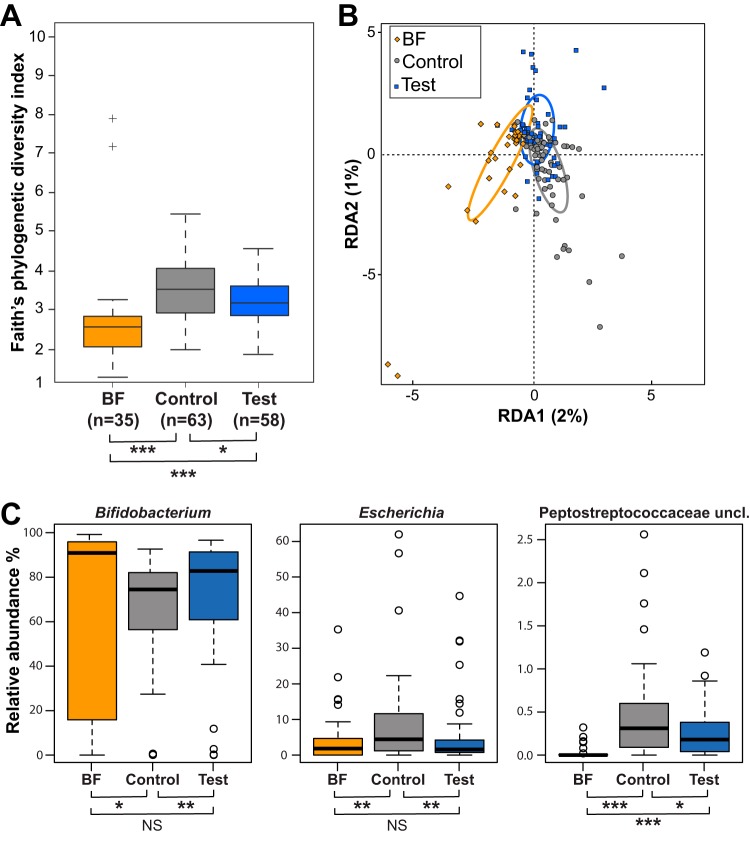
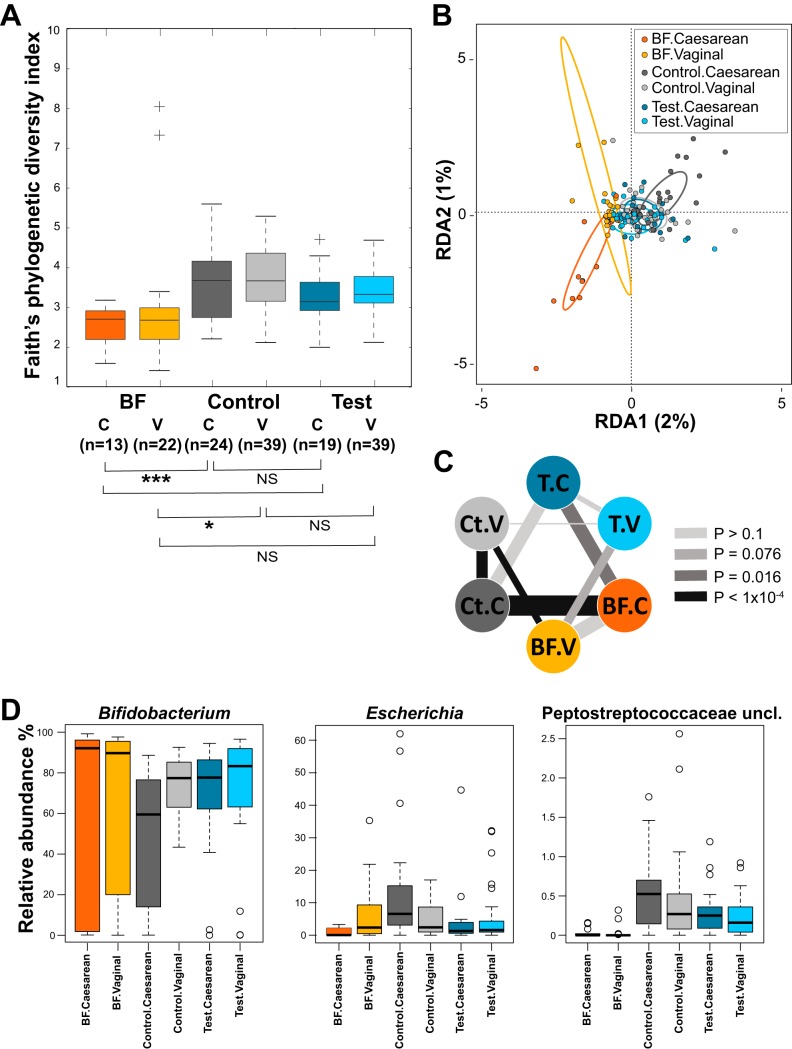
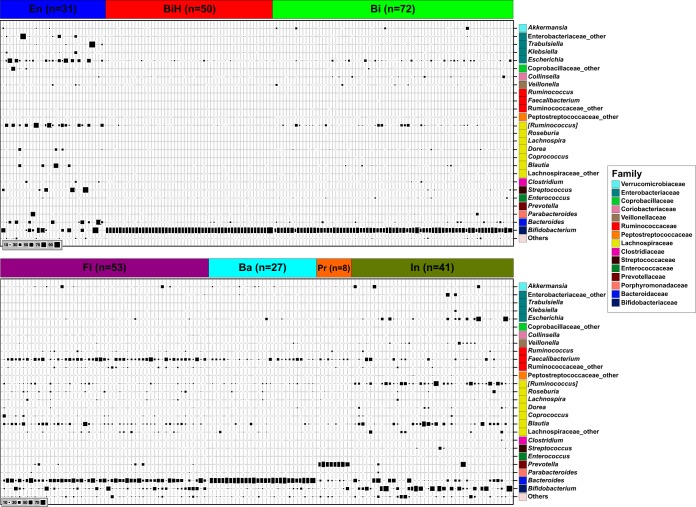
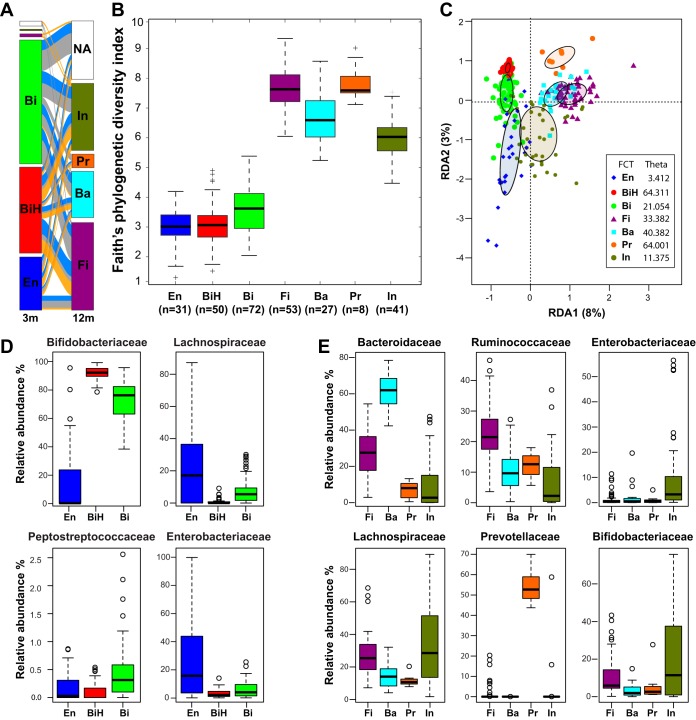
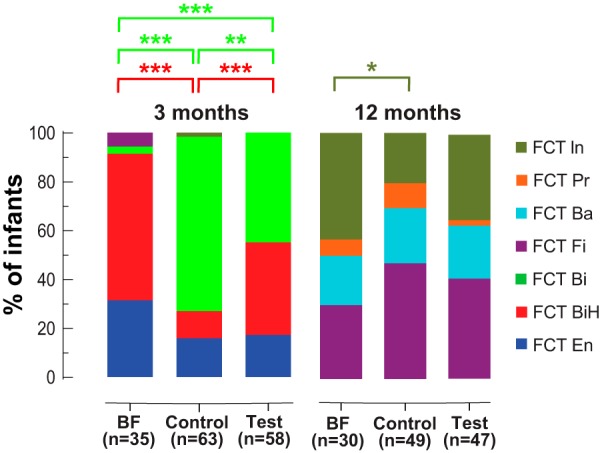
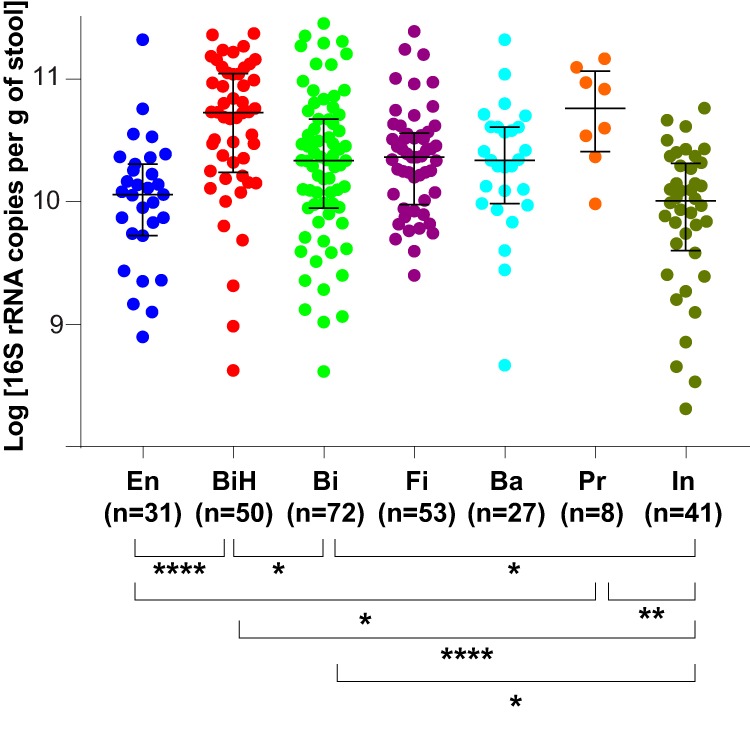
Human milk oligosaccharides (HMOs) may provide health benefits to infants partly by shaping the development of the early-life intestinal microbiota. In a randomized double-blinded controlled multicentric clinical trial, healthy term infants received either infant formula (control) or the same formula with two HMOs (2'-fucosyllactose and lacto-N-tetraose; test) from enrollment (0 to 14 days) to 6 months. Then, all infants received the same follow-up formula without HMOs until 12 months of age. Breastfed infants (BF) served as a reference group. Stool microbiota at 3 and 12 months, analyzed by 16S rRNA gene sequencing, clustered into seven fecal community types (FCTs) with marked differences in total microbial abundances. Three of the four 12-month FCTs were likely precursors of the adult enterotypes. At 3 months, microbiota composition in the test group (= 58) appeared closer to that of BF (= 35) than control (= 63) by microbiota alpha (within group) and beta (between groups) diversity analyses and distribution of FCTs. While bifidobacteriaceae dominated two FCTs, its abundance was significantly higher in one (FCT BiH for at high abundance) than in the other (FCT Bi for ). HMO supplementation increased the number of infants with FCT BiH (predominant in BF) at the expense of FCT Bi (predominant in control). We explored the association of the FCTs with reported morbidities and medication use up to 12 months. Formula-fed infants with FCT BiH at 3 months were significantly less likely to require antibiotics during the first year than those with FCT Bi. Previously reported lower rates of infection-related medication use with HMOs may therefore be linked to gut microbiota community types. (This study has been registered at ClinicalTrials.gov under registration number NCT01715246.) Human milk is the sole and recommended nutrition for the newborn infant and contains one of the largest constituents of diverse oligosaccharides, dubbed human milk oligosaccharides (HMOs). Preclinical and clinical association studies indicate that HMOs have multiple physiological functions largely mediated through the establishment of the gut microbiome. Until recently, HMOs were not available to investigate their role in randomized controlled intervention trials. To our knowledge, this is the first report on the effects of 2 HMOs on establishing microbiota in newborn infants. We provide a detailed description of the microbiota changes observed upon feeding a formula with 2 HMOs in comparison to breastfed reference infants' microbiota. Then, we associate the microbiota to long-term health as assessed by prescribed antibiotic use.
人乳寡糖(HMOs)可能通过塑造生命早期肠道微生物群的发育,为婴儿提供健康益处。在一项随机、双盲、对照的多中心临床试验中,健康的足月婴儿从入组(0 至 14 天)到 6 个月时接受婴儿配方奶粉(对照)或含有两种 HMO(2'-岩藻糖基乳糖和乳-N-四糖;试验)的相同配方奶粉。然后,所有婴儿在 12 个月龄前都接受相同的不含 HMO 的后续配方奶粉。母乳喂养的婴儿(BF)作为参考组。通过 16S rRNA 基因测序分析 3 个月和 12 个月时的粪便微生物群,聚类为 7 种粪便社区类型(FCT),其总微生物丰度存在明显差异。四个 12 月龄 FCT 中的三个可能是成人肠型的前体。在 3 个月时,通过微生物组 α(组内)和 β(组间)多样性分析以及 FCT 分布,试验组(=58)的微生物组组成似乎比对照组(=63)更接近 BF(=35)。双歧杆菌科在两个 FCT 中占主导地位,但其丰度在一个(高丰度的 FCT BiH)明显高于另一个(FCT Bi)。HMO 补充剂增加了 FCT BiH(在 BF 中占优势)婴儿的数量,而减少了 FCT Bi(在对照中占优势)婴儿的数量。我们探讨了 12 个月时 FCT 与报告的发病和药物使用之间的关联。在 3 个月时有 FCT BiH 的配方喂养婴儿在第一年中需要抗生素的可能性显著低于有 FCT Bi 的婴儿。因此,先前报道的 HMO 与感染相关药物使用率较低可能与肠道微生物群的群落类型有关。(本研究已在 ClinicalTrials.gov 注册,注册号为 NCT01715246。)人乳是新生儿唯一和推荐的营养来源,含有最大的多样化寡糖成分之一,称为人乳寡糖(HMOs)。临床前和临床关联研究表明,HMOs 具有多种生理功能,主要通过建立肠道微生物组来介导。直到最近,HMOs 才可用于研究它们在随机对照干预试验中的作用。据我们所知,这是第一项关于 2 种 HMO 对新生婴儿建立微生物组的影响的报告。我们提供了详细描述,比较了母乳喂养参考婴儿的微生物组,描述了喂养含有 2 种 HMO 的配方奶粉后观察到的微生物组变化。然后,我们将微生物组与通过规定抗生素使用评估的长期健康相关联。