Cancer Biology and Inflammatory Disorder Division, CSIR-Indian Institute of Chemical Biology, Kolkata, India.
Front Immunol. 2020 Feb 28;11:332. doi: 10.3389/fimmu.2020.00332. eCollection 2020.
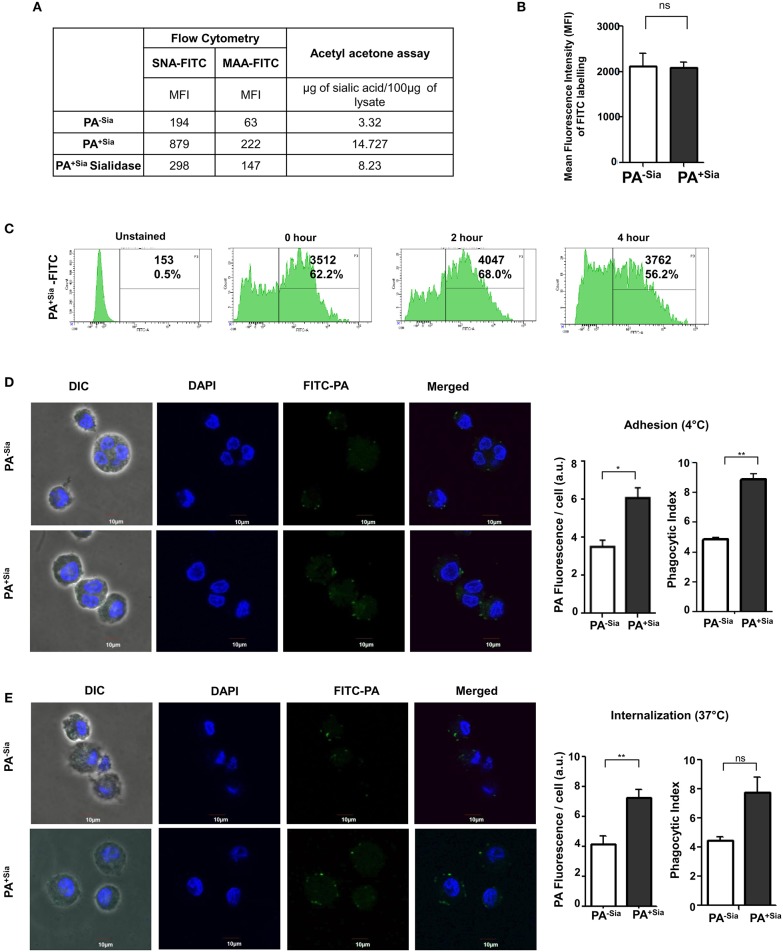
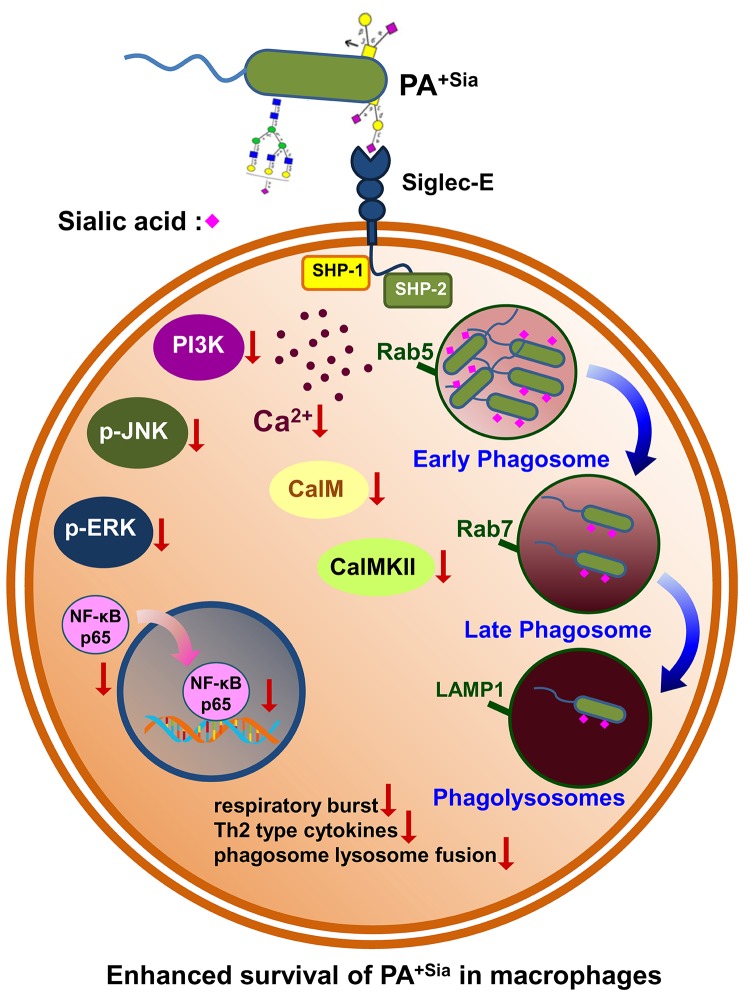
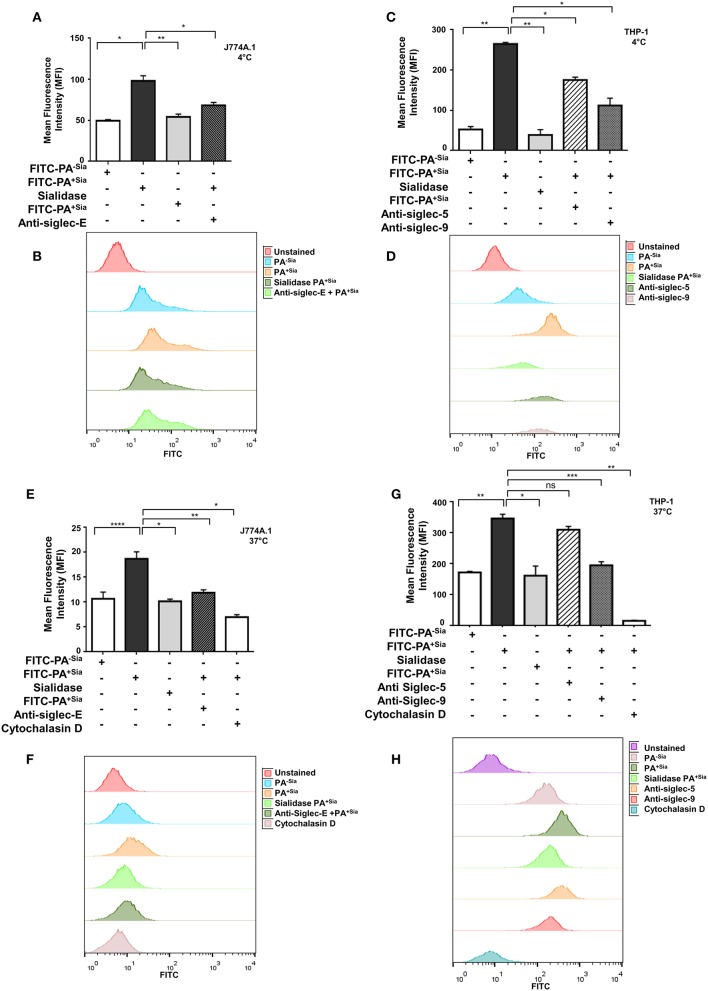
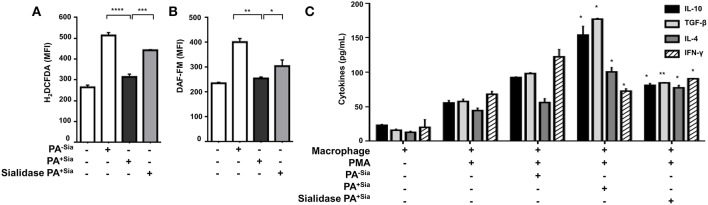
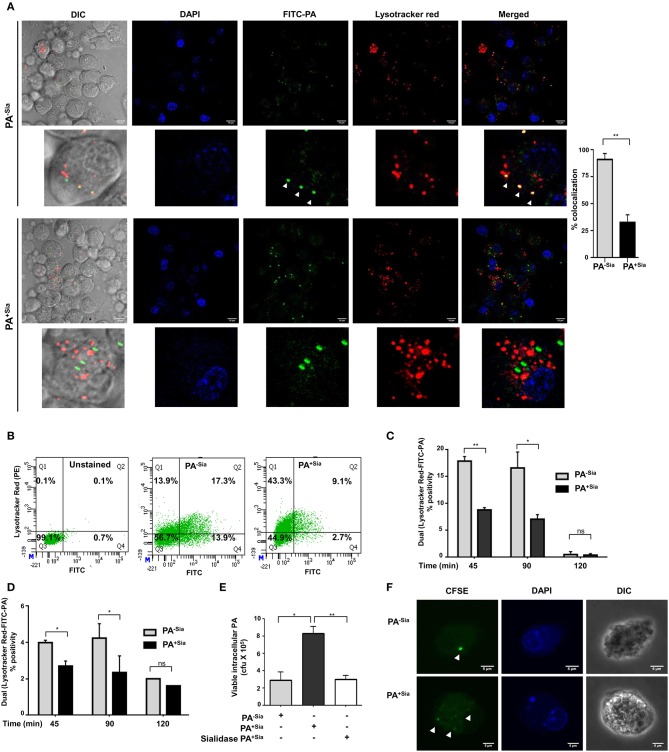
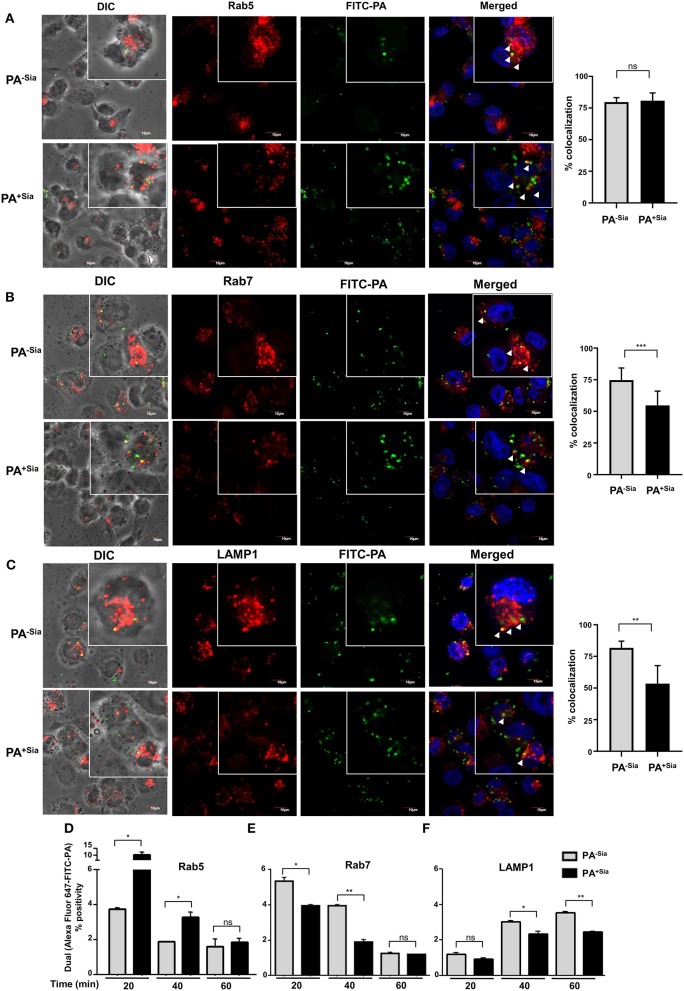
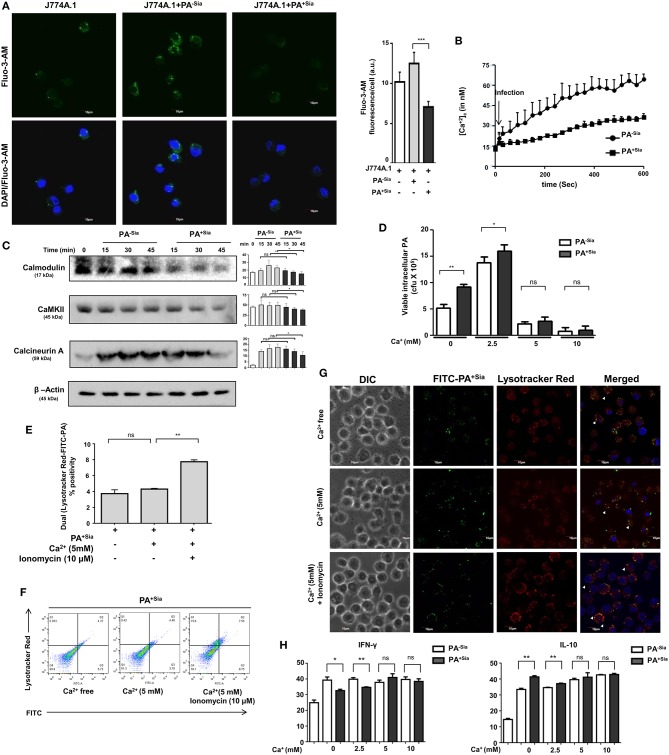
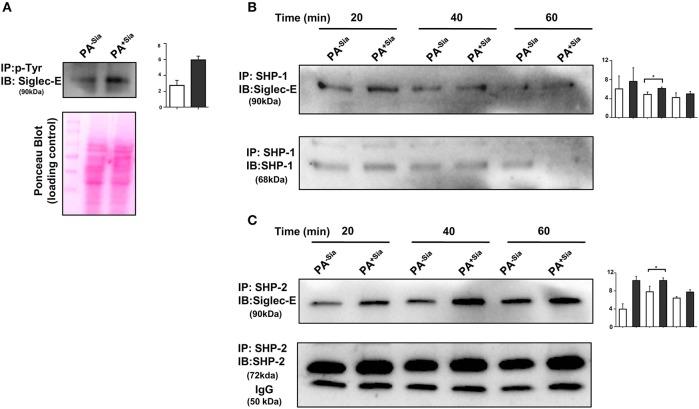
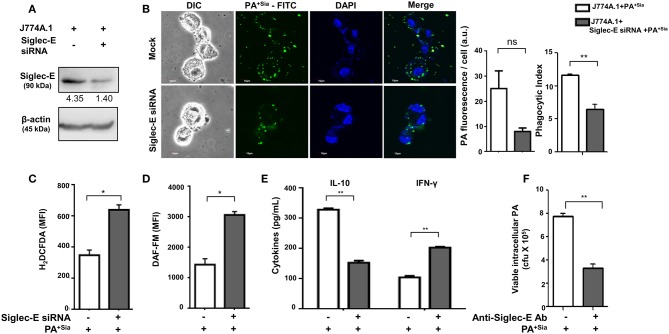
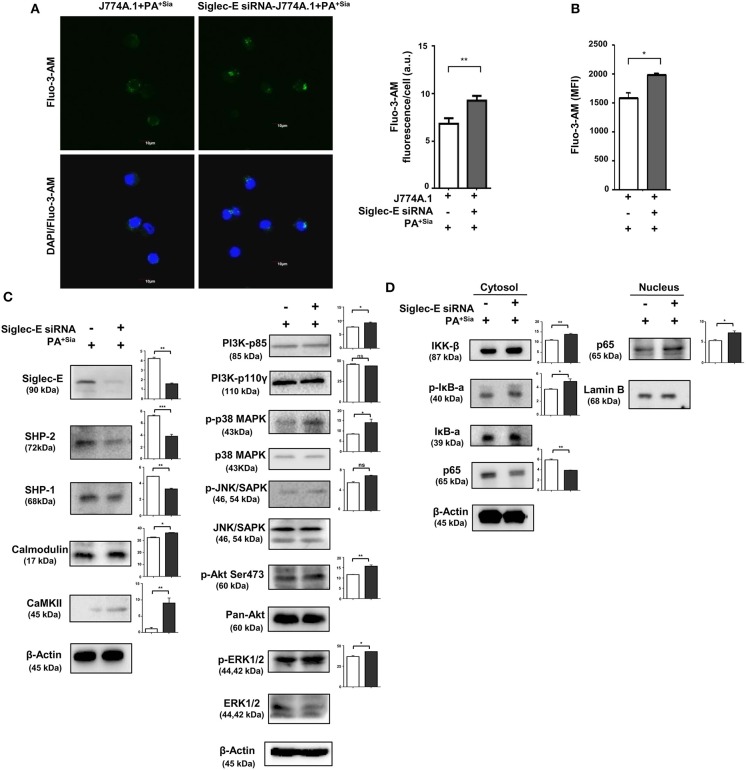
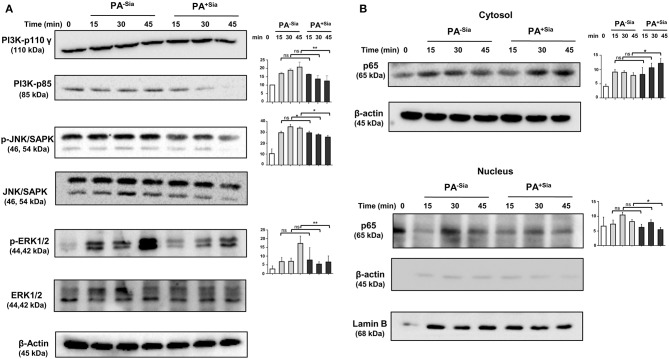
(PA) is commonly associated with nosocomial and chronic infections of lungs. We have earlier demonstrated that an acidic sugar, sialic acid, is present in PA which is recognized and bound by sialic acid binding immunoglobulin type lectins (siglecs) expressed on neutrophils. Here, we have tried to gain a detailed insight into the immunosuppressive role of sialic acid-siglec interactions in macrophage-mediated clearance of sialylated PA (PA). We have demonstrated that PA shows enhanced binding (~1.5-fold) to macrophages due to additional interactions between sialic acids and siglec-E and exhibited more phagocytosis. However, internalization of PA is associated with a reduction in respiratory burst and increase in anti-inflammatory cytokines secretion which is reversed upon desialylation of the bacteria. Phagocytosis of PA is also associated with reduced intracellular calcium ion concentrations and altered calcium-dependent signaling which negatively affects phagosome maturation. Consequently, although more PA was localized in early phagosomes (Rab5 compartment), only fewer bacteria reach into the late phagosomal compartment (Rab7). Possibly, this leads to reduced phagosome lysosome fusion where reduced numbers of PA are trafficked into lysosomes, compared to PA. Thus, internalized PA remain viable and replicates intracellularly in macrophages. We have also demonstrated that such siglec-E-sialic acid interaction recruited SHP-1/SHP-2 phosphatases which modulate MAPK and NF-κB signaling pathways. Disrupting sialic acid-siglec-E interaction by silencing siglec-E in macrophages results in improved bactericidal response against PA characterized by robust respiratory burst, enhanced intracellular calcium levels and nuclear translocation of p65 component of NF-κB complex leading to increased pro-inflammatory cytokine secretion. Taken together, we have identified that sialic acid-siglec-E interactions is another pathway utilized by PA in order to suppress macrophage antimicrobial responses and inhibit phagosome maturation, thereby persisting as an intracellular pathogen in macrophages.
(PA)通常与医院获得性和慢性肺部感染有关。我们之前已经证明,一种酸性糖,唾液酸,存在于 PA 中,它被中性粒细胞表达的唾液酸结合免疫球蛋白型凝集素(siglecs)识别和结合。在这里,我们试图更详细地了解唾液酸-siglec 相互作用在巨噬细胞介导的唾液酸化 PA(PA)清除中的免疫抑制作用。我们已经证明,由于唾液酸和 siglec-E 之间的额外相互作用,PA 与巨噬细胞的结合增强(~1.5 倍),并表现出更多的吞噬作用。然而,PA 的内化与呼吸爆发减少和抗炎细胞因子分泌增加有关,这些反应在细菌去唾液酸化后逆转。PA 的吞噬作用也与细胞内钙离子浓度降低和钙依赖性信号转导改变有关,这会对吞噬体成熟产生负面影响。因此,尽管更多的 PA 定位于早期吞噬体(Rab5 隔室),但只有更少的细菌进入晚期吞噬体隔室(Rab7)。可能这导致吞噬体溶酶体融合减少,与 PA 相比,进入溶酶体的 PA 数量减少。因此,内化的 PA 在巨噬细胞中仍然存活并在细胞内复制。我们还证明,这种 siglec-E-唾液酸相互作用募集了 SHP-1/SHP-2 磷酸酶,它们调节 MAPK 和 NF-κB 信号通路。通过在巨噬细胞中沉默 siglec-E 来破坏唾液酸-siglec-E 相互作用,导致对 PA 的杀菌反应得到改善,其特征是呼吸爆发增强、细胞内钙离子水平升高以及 NF-κB 复合物的 p65 成分核易位,导致促炎细胞因子分泌增加。总之,我们已经确定,唾液酸-siglec-E 相互作用是 PA 用来抑制巨噬细胞抗菌反应并抑制吞噬体成熟的另一种途径,从而在巨噬细胞中作为胞内病原体持续存在。