Department of Environmental and Occupational Health, University of Pittsburgh, Pittsburgh, USA.
Department of Internal Medicine, Hanyang University, Seoul, Republic of Korea.
Exp Mol Med. 2020 Mar;52(3):329-337. doi: 10.1038/s12276-020-0394-0. Epub 2020 Mar 17.
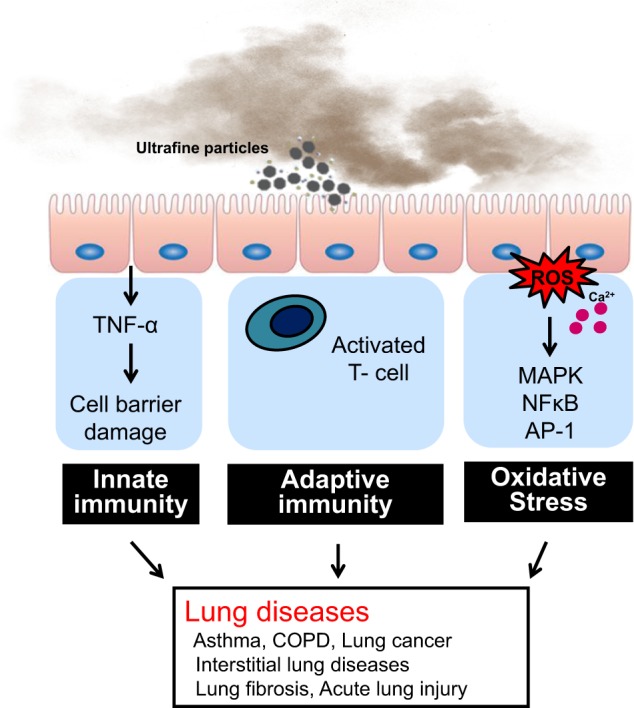
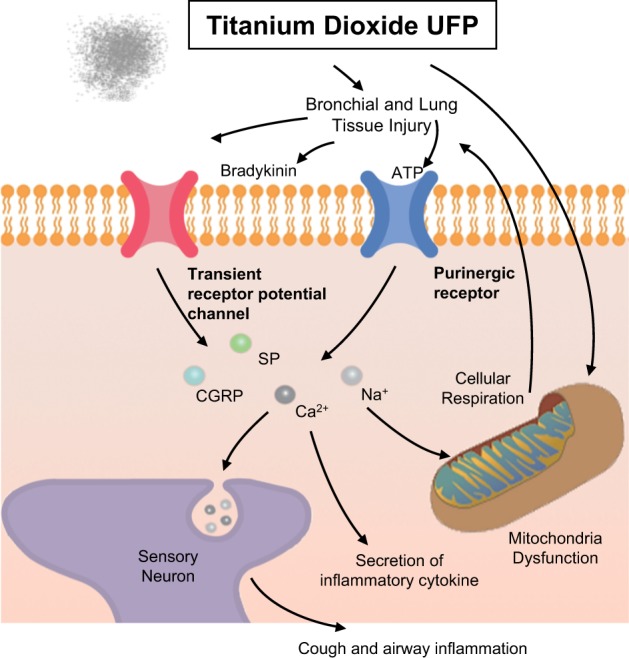
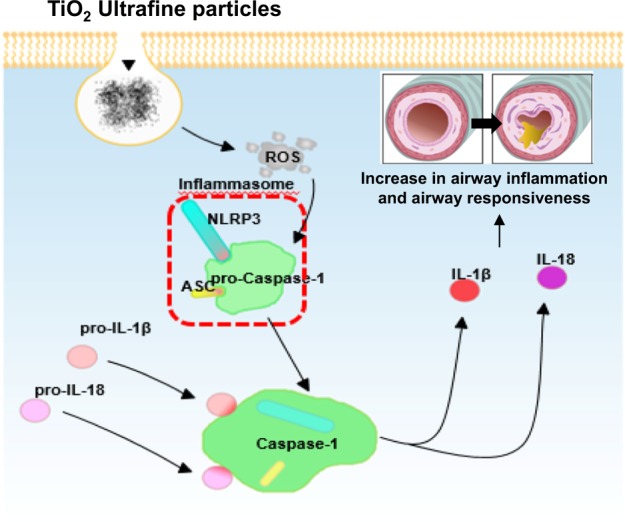
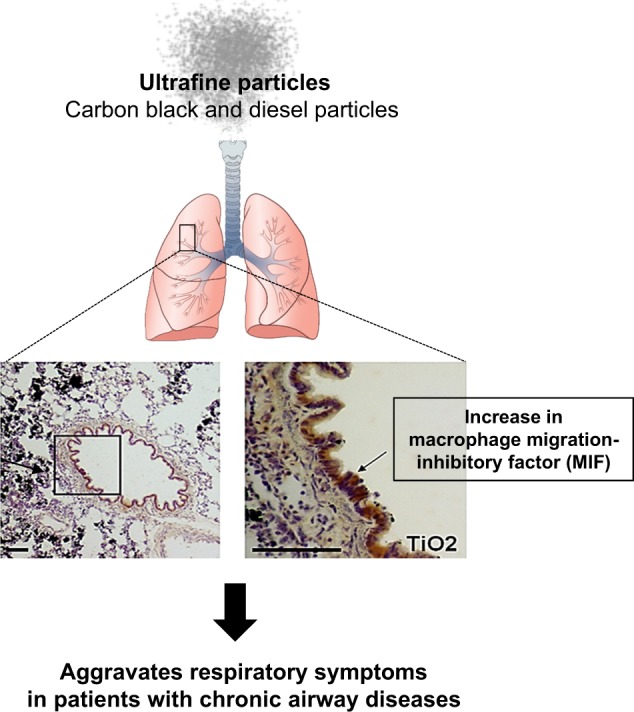
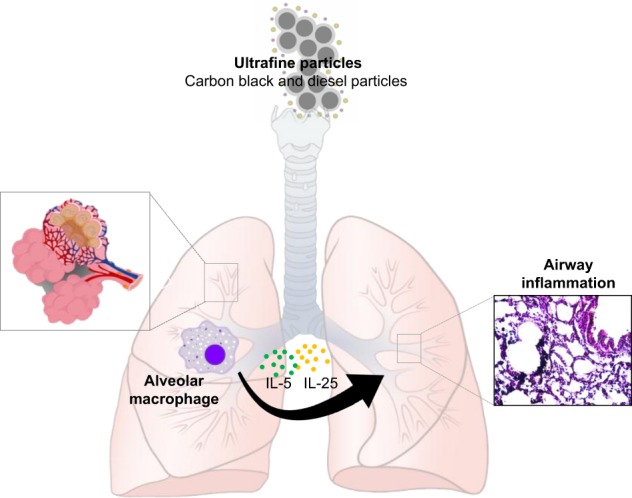
Particulate matter (PM) is the principal component of air pollution. PM includes a range of particle sizes, such as coarse, fine, and ultrafine particles. Particles that are <100 nm in diameter are defined as ultrafine particles (UFPs). UFPs are found to a large extent in urban air as both singlet and aggregated particles. UFPs are classified into two major categories based on their source. Typically, UFPs are incidentally generated in the environment, often as byproducts of fossil fuel combustion, condensation of semivolatile substances or industrial emissions, whereas nanoparticles are manufactured through controlled engineering processes. The primary exposure mechanism of PM is inhalation. Inhalation of PM exacerbates respiratory symptoms in patients with chronic airway diseases, but the mechanisms underlying this response remain unclear. This review offers insights into the mechanisms by which particles, including UFPs, influence airway inflammation and discusses several mechanisms that may explain the relationship between particulate air pollutants and human health, particularly respiratory health. Understanding the mechanisms of PM-mediated lung injury will enhance efforts to protect at-risk individuals from the harmful health effects of air pollutants.
颗粒物(PM)是空气污染的主要成分。PM 包括一系列粒径,如粗颗粒物、细颗粒物和超细颗粒物。直径小于 100nm 的颗粒物被定义为超细颗粒物(UFPs)。UFPs 在城市空气中大量存在,既可以作为单颗粒存在,也可以作为聚集颗粒存在。UFPs 主要根据其来源分为两类。通常,UFPs 是在环境中偶然产生的,通常是化石燃料燃烧、半挥发性物质冷凝或工业排放的副产品,而纳米颗粒是通过受控的工程过程制造的。PM 的主要暴露机制是吸入。PM 的吸入会加重慢性气道疾病患者的呼吸道症状,但这种反应的机制尚不清楚。本综述提供了对颗粒(包括 UFPs)影响气道炎症的机制的深入了解,并讨论了几种可能解释颗粒物空气污染物与人类健康(特别是呼吸道健康)之间关系的机制。了解 PM 介导的肺损伤机制将有助于努力保护高危人群免受空气污染物的有害健康影响。