Division of Breast and Thyroid Surgical Oncology, Department of Surgery, St. Vincent's Hospital, College of Medicine, The Catholic University of Korea, 93 Jungbu-daero, Paldal-gu, Seoul, Suwon, 16247, Republic of Korea.
World J Surg Oncol. 2020 Mar 24;18(1):60. doi: 10.1186/s12957-020-01835-6.
Several studies have reported the use of acellular dermal matrix in breast reconstruction. However, the primary role of acellular dermal matrix in these studies was to support the implant; there are no reports on the use of acellular dermal matrix exclusively as volume replacement. Thus, we aimed to evaluate the safety and effectiveness of filling of the defect with acellular dermal matrix in oncoplastic breast-conserving surgery.
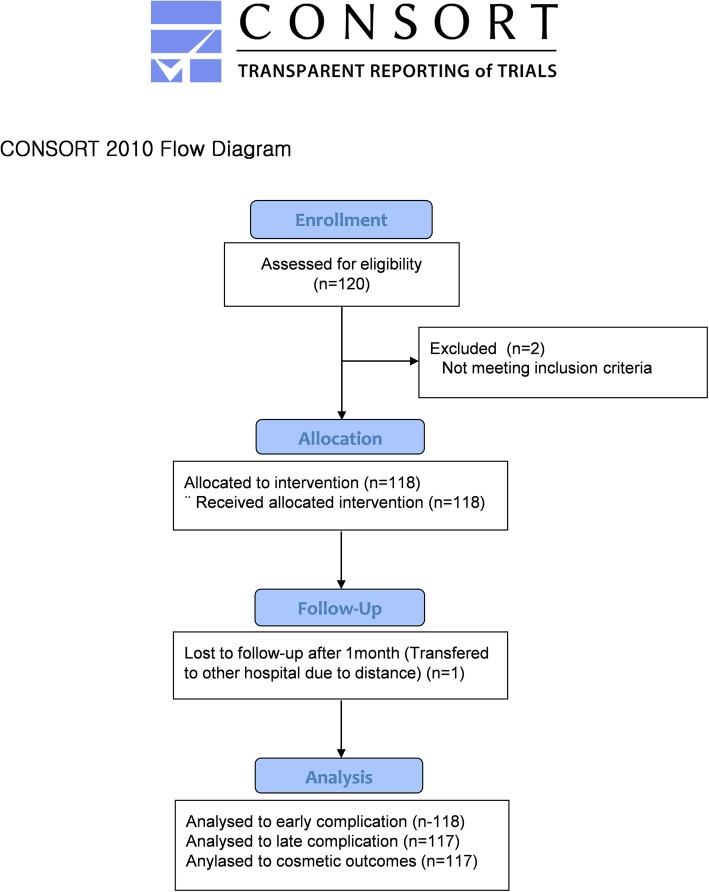
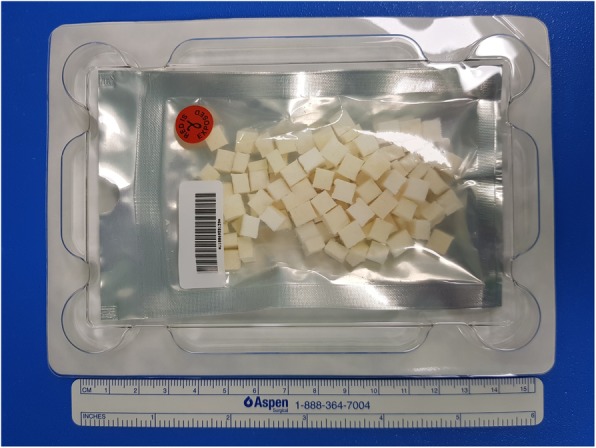
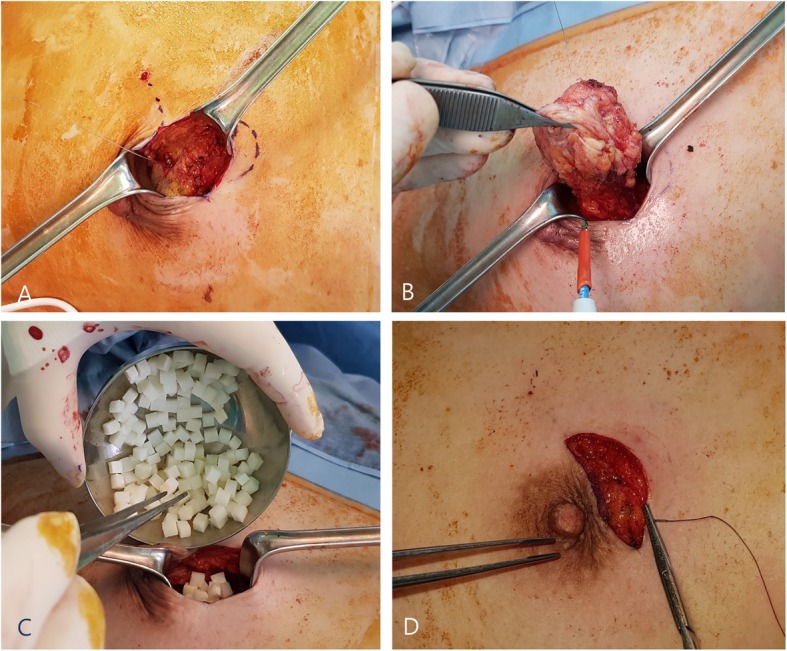
We prospectively recruited 120 adult breast cancer patients who were scheduled to undergo oncoplastic breast-conserving surgery with acellular dermal matrix filling from 2017 to 2018. Intraoperatively, diced human acellular dermal matrix measuring 3-5 mm was used on each side to fill in the excisional defect immediately. After 6 months, satisfaction of the patients and surgeons with overall and cosmetic outcomes was evaluated with a survey using a 10-point scale. Postoperative complications were assessed at 2 weeks and 6 months postoperatively.
Of the 117 patients who were evaluated for their satisfaction, 94.0% were strongly satisfied with the cosmetic outcomes and 90.4% were strongly satisfied overall. Patient overall satisfaction scores were higher than surgeon satisfaction scores (p < 0.001). Of the 117 patients who underwent evaluation of complications 6 months postoperatively, six (5.1%) had hematoma and seven (6.0%) had seroma. The overall reoperation rate due to complications was 8.5%. Only two patients needed acellular dermal matrix removal due to hematoma and inflammation.
Oncoplastic breast-conserving surgery with acellular dermal matrix filling of defects can be performed safely with high cosmetic satisfaction.
ICTRP, KCT0003886; retrospectively registered May 3, 2019, http://apps.who.int/trialsearch/Trial2.aspx?TrialID=KCT0003886.
多项研究报告了脱细胞真皮基质在乳房重建中的应用。然而,在这些研究中,脱细胞真皮基质的主要作用是支撑植入物;没有关于单纯使用脱细胞真皮基质作为容积替代物的报道。因此,我们旨在评估在保乳整形手术中使用脱细胞真皮基质填充缺损的安全性和有效性。
我们前瞻性招募了 2017 年至 2018 年期间接受保乳整形手术并使用脱细胞真皮基质填充的 120 例成年乳腺癌患者。术中,每侧使用 3-5mm 的人脱细胞真皮基质丁状块立即填充切除缺损。6 个月后,采用 10 分制的问卷调查评估患者和外科医生对整体和美容效果的满意度。术后 2 周和 6 个月评估术后并发症。
在对满意度进行评估的 117 例患者中,94.0%的患者对美容效果非常满意,90.4%的患者对整体效果非常满意。患者整体满意度评分高于外科医生满意度评分(p<0.001)。在对 117 例术后 6 个月接受并发症评估的患者中,6 例(5.1%)有血肿,7 例(6.0%)有血清肿。因并发症需要再次手术的总发生率为 8.5%。只有 2 例患者因血肿和炎症需要去除脱细胞真皮基质。
使用脱细胞真皮基质填充缺损的保乳整形手术可以安全进行,且美容满意度高。
ICTRP,KCT0003886;2019 年 5 月 3 日回顾性注册,http://apps.who.int/trialsearch/Trial2.aspx?TrialID=KCT0003886。