Sachs Laura, Denker Christian, Greinacher Andreas, Palankar Raghavendra
Institute of Immunology and Transfusion Medicine University Medicine Greifswald Greifswald Germany.
Department of Physics University of Greifswald Greifswald Germany.
Res Pract Thromb Haemost. 2020 Feb 17;4(3):386-401. doi: 10.1002/rth2.12313. eCollection 2020 Mar.
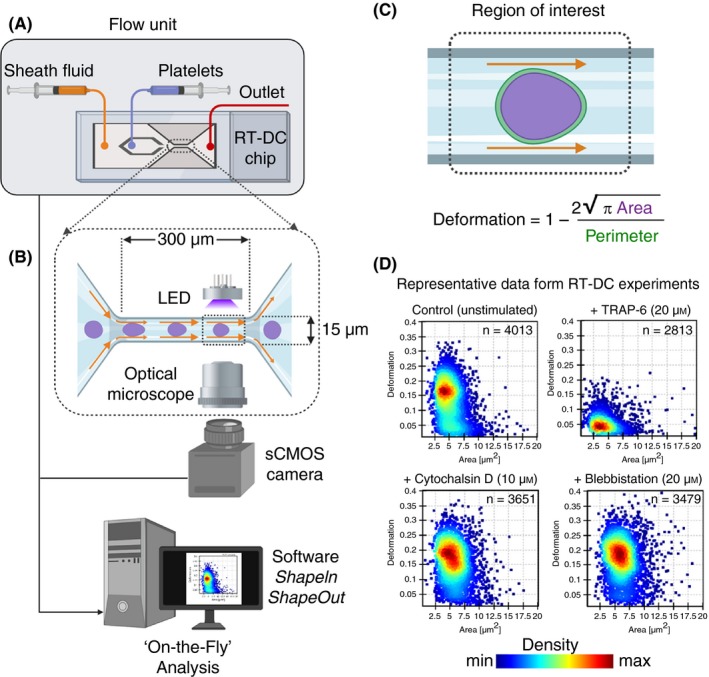
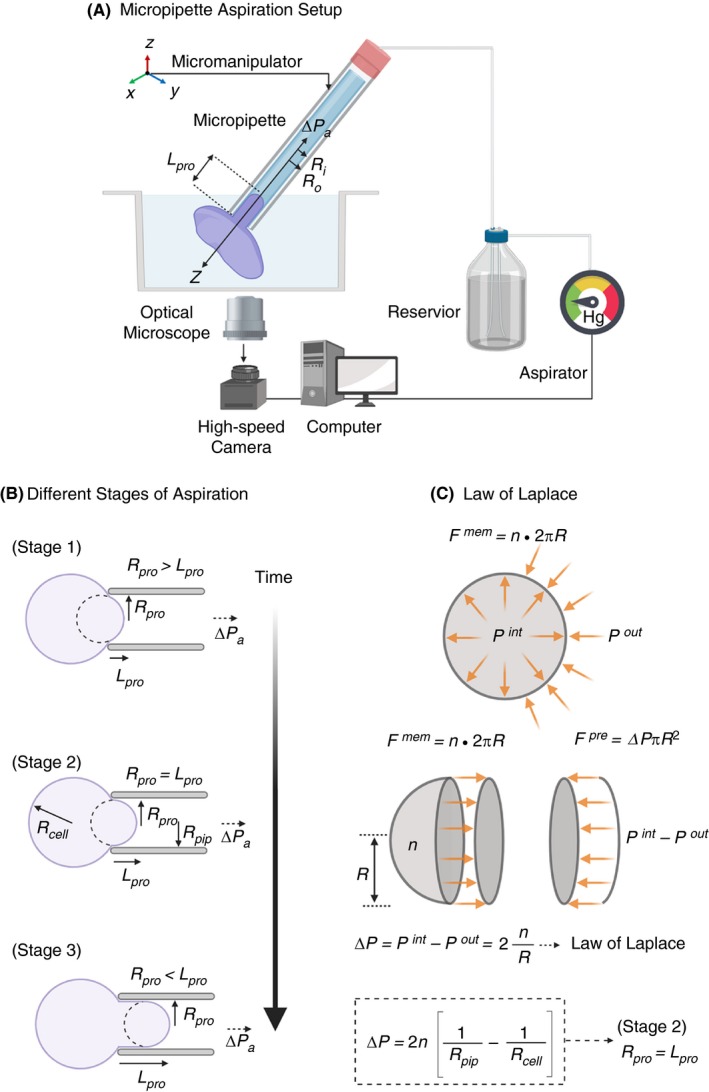
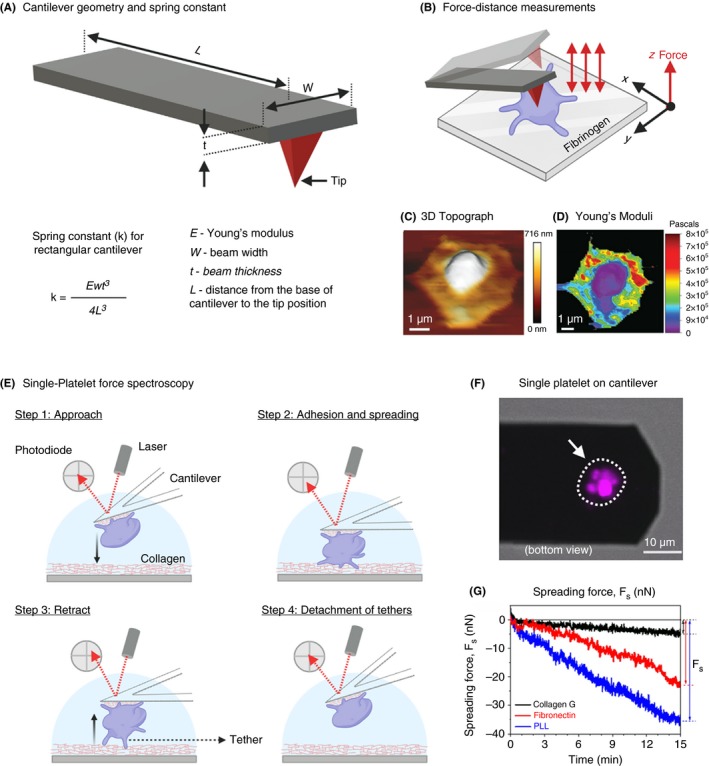
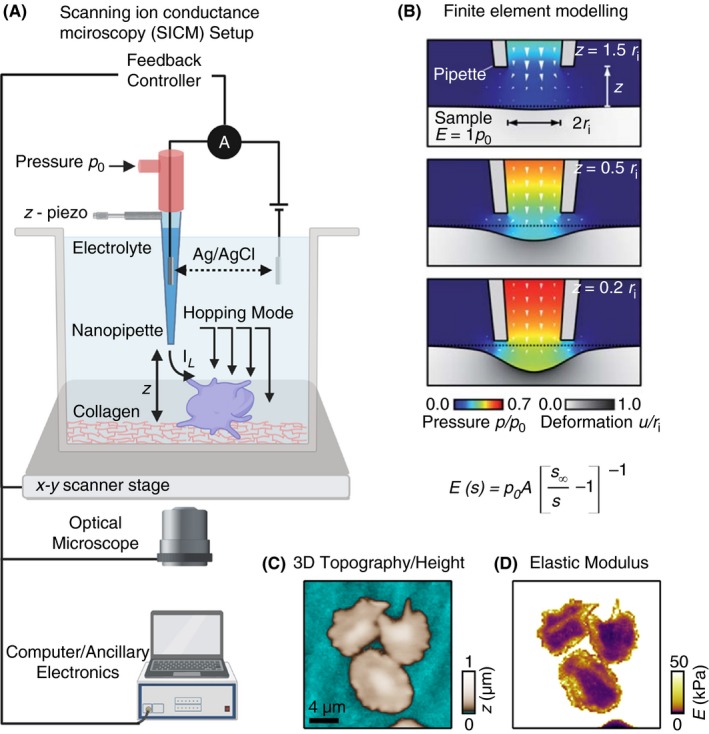
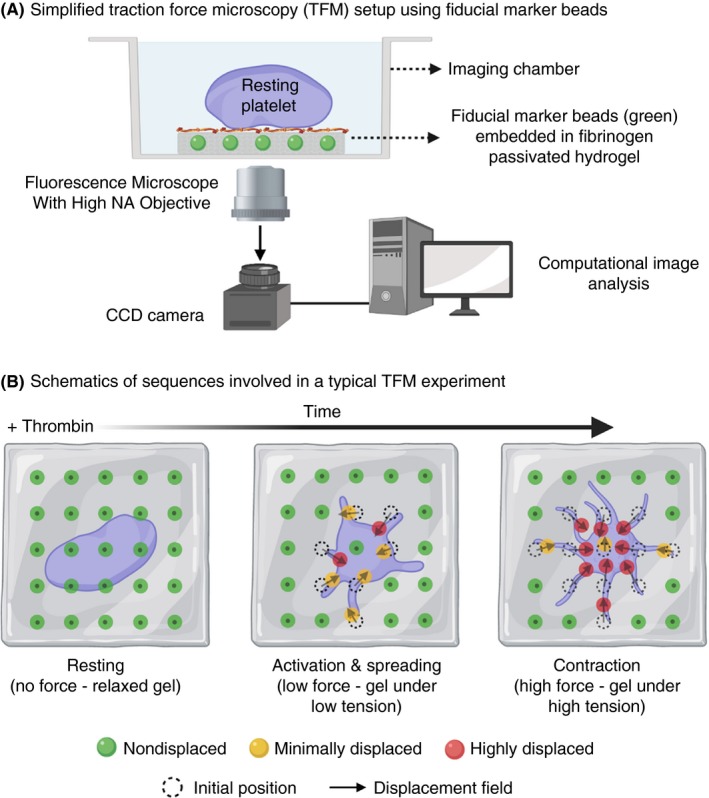
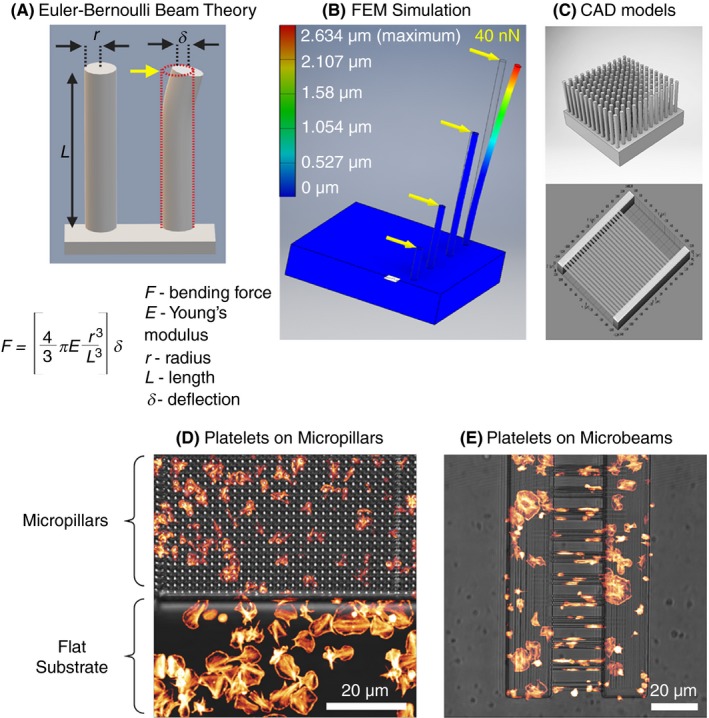
Platelets are the key cellular components of blood primarily contributing to formation of stable hemostatic plugs at the site of vascular injury, thus preventing excessive blood loss. On the other hand, excessive platelet activation can contribute to thrombosis. Platelets respond to many stimuli that can be of biochemical, cellular, or physical origin. This drives platelet activation kinetics and plays a vital role in physiological and pathological situations. Currently used bulk assays are inadequate for comprehensive biomechanical assessment of single platelets. Individual platelets interact and respond differentially while modulating their biomechanical behavior depending on dynamic changes that occur in surrounding microenvironments. Quantitative description of such a phenomenon at single-platelet regime and up to nanometer resolution requires methodological approaches that can manipulate individual platelets at submicron scales. This review focusses on principles, specific examples, and limitations of several relevant biophysical methods applied to single-platelet analysis such as micropipette aspiration, atomic force microscopy, scanning ion conductance microscopy and traction force microscopy. Additionally, we are introducing a promising single-cell approach, real-time deformability cytometry, as an emerging biophysical method for high-throughput biomechanical characterization of single platelets. This review serves as an introductory guide for clinician scientists and beginners interested in exploring one or more of the above-mentioned biophysical methods to address outstanding questions in single-platelet biomechanics.
血小板是血液中的关键细胞成分,主要有助于在血管损伤部位形成稳定的止血栓,从而防止过度失血。另一方面,血小板过度激活会导致血栓形成。血小板对许多生化、细胞或物理来源的刺激作出反应。这驱动了血小板的激活动力学,并在生理和病理情况下发挥至关重要的作用。目前使用的批量检测方法不足以对单个血小板进行全面的生物力学评估。单个血小板在根据周围微环境中发生的动态变化调节其生物力学行为时,会有不同的相互作用和反应。在单血小板状态下对这种现象进行定量描述并达到纳米分辨率,需要能够在亚微米尺度上操纵单个血小板的方法。本综述重点介绍了几种应用于单血小板分析的相关生物物理方法的原理、具体实例和局限性,如微量吸管抽吸法、原子力显微镜、扫描离子电导显微镜和牵引力显微镜。此外,我们还介绍了一种有前景的单细胞方法——实时变形性细胞术,作为一种用于对单个血小板进行高通量生物力学表征的新兴生物物理方法。本综述为临床科学家和对探索上述一种或多种生物物理方法以解决单血小板生物力学中未解决问题感兴趣的初学者提供入门指南。