Department of Chemistry and Molecular Biology, University of Gothenburg, Gothenburg, Sweden.
Department of Biological and Environmental Science, Nanoscience Center, University of Jyvaskyla, Jyvaskyla, Finland.
Elife. 2020 Mar 31;9:e53514. doi: 10.7554/eLife.53514.
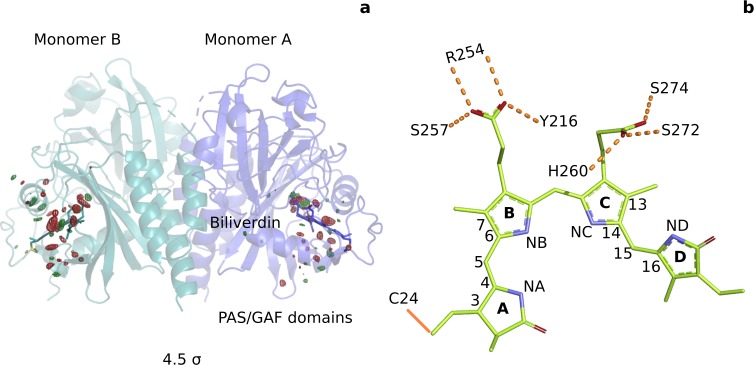
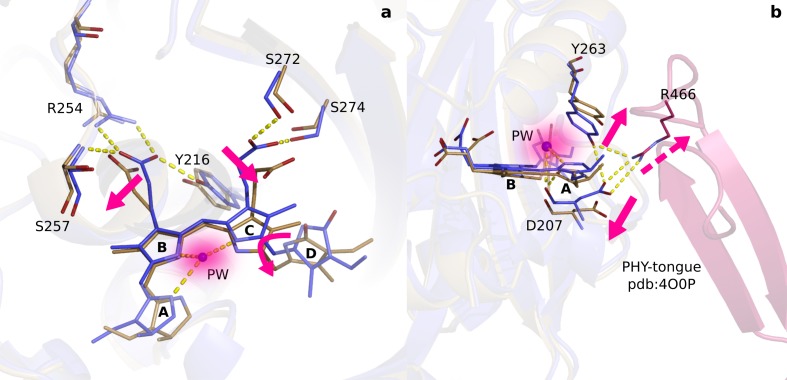
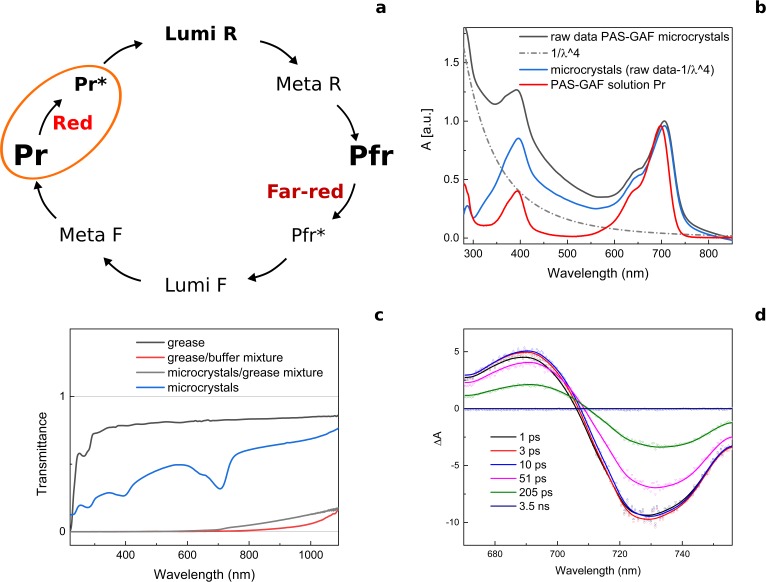
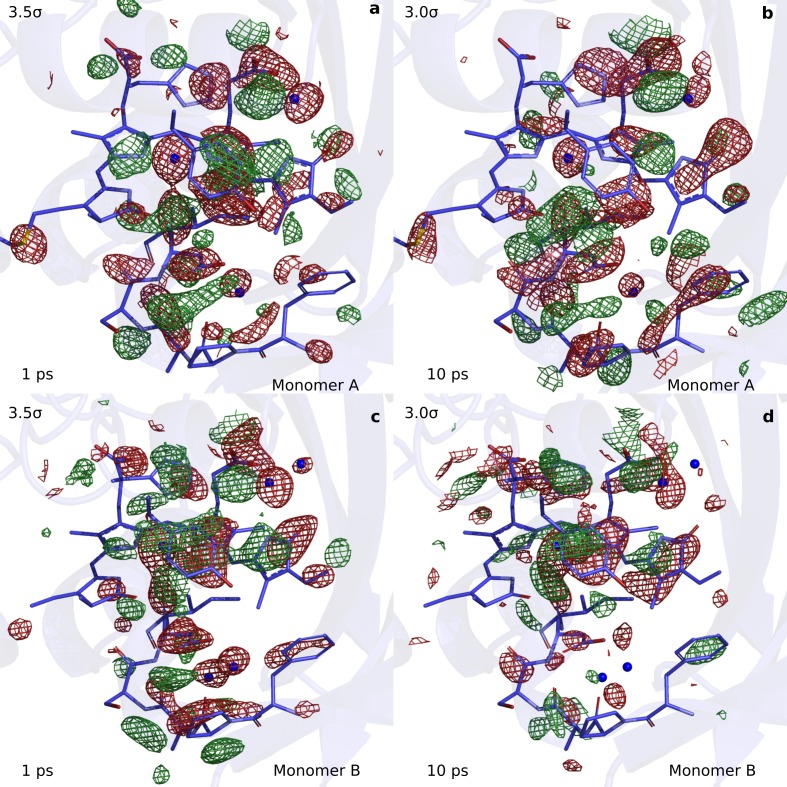
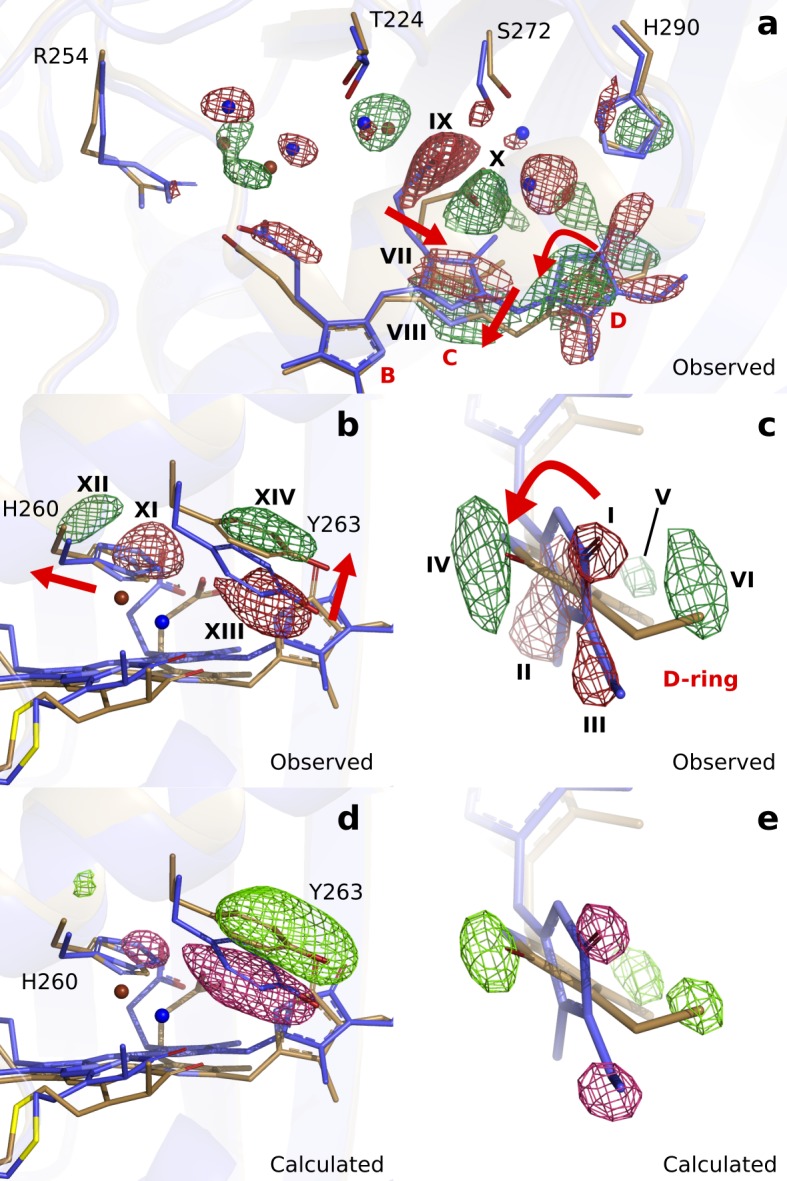
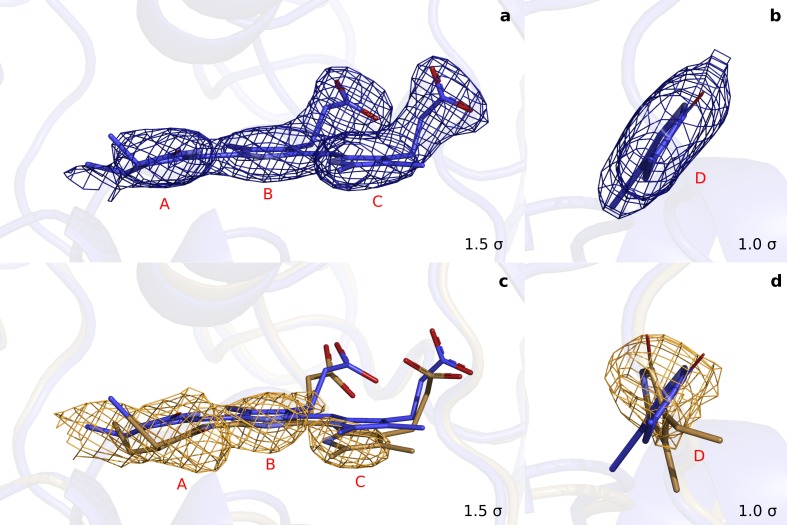
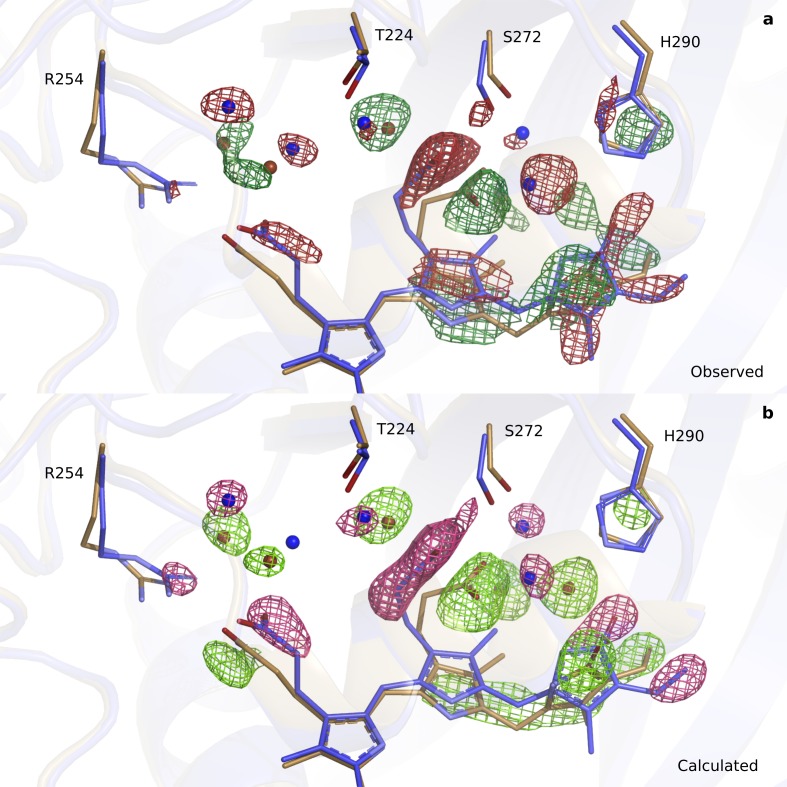
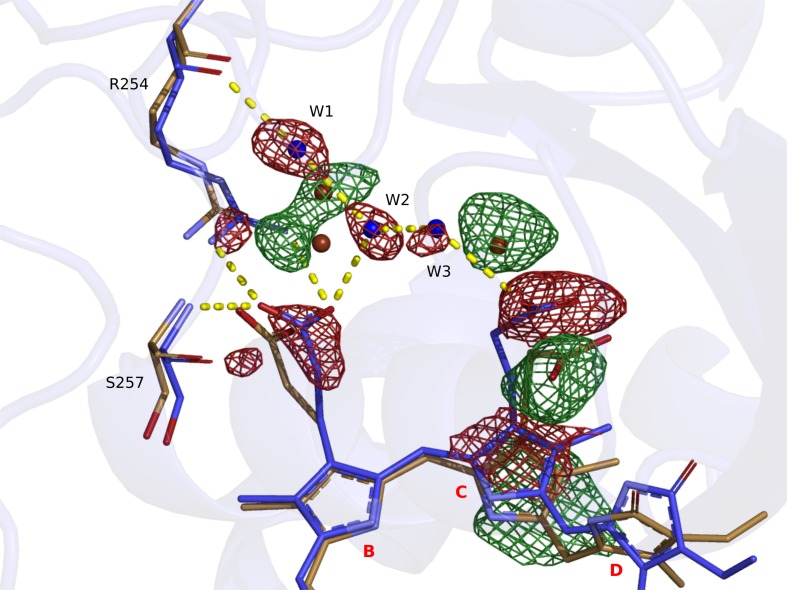
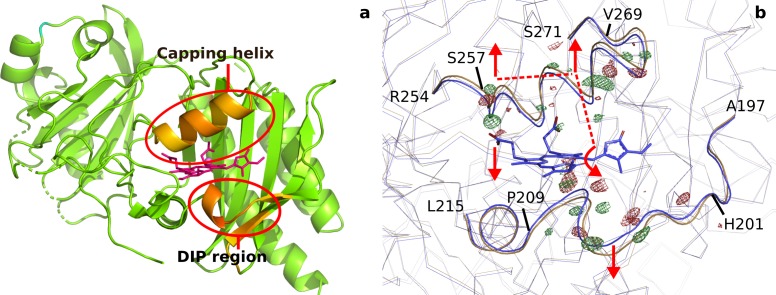
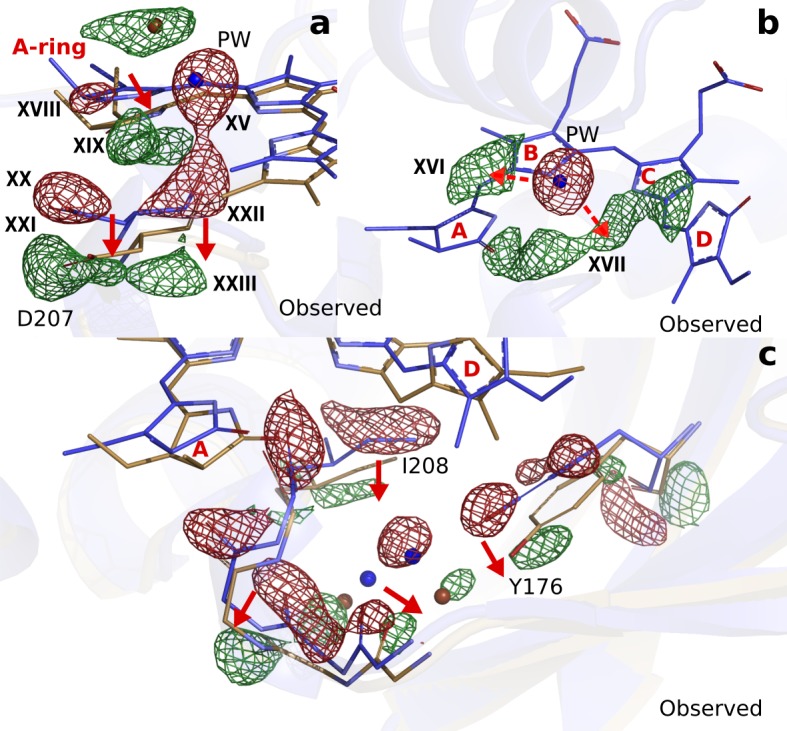
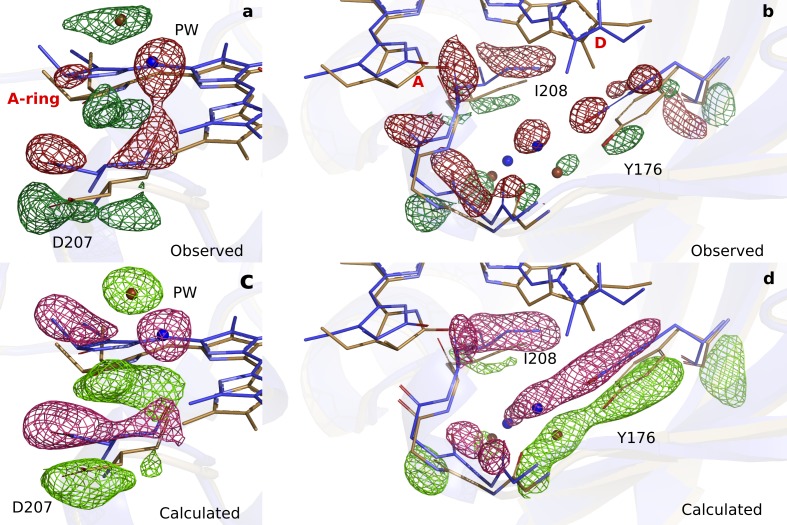
Phytochrome proteins control the growth, reproduction, and photosynthesis of plants, fungi, and bacteria. Light is detected by a bilin cofactor, but it remains elusive how this leads to activation of the protein through structural changes. We present serial femtosecond X-ray crystallographic data of the chromophore-binding domains of a bacterial phytochrome at delay times of 1 ps and 10 ps after photoexcitation. The data reveal a twist of the D-ring, which leads to partial detachment of the chromophore from the protein. Unexpectedly, the conserved so-called pyrrole water is photodissociated from the chromophore, concomitant with movement of the A-ring and a key signaling aspartate. The changes are wired together by ultrafast backbone and water movements around the chromophore, channeling them into signal transduction towards the output domains. We suggest that the observed collective changes are important for the phytochrome photoresponse, explaining the earliest steps of how plants, fungi and bacteria sense red light.
光敏色素蛋白控制着植物、真菌和细菌的生长、繁殖和光合作用。光由双吡咯辅因子检测,但目前仍不清楚这如何通过结构变化导致蛋白激活。我们呈现了细菌光敏色素的发色团结合域在光激发后 1 ps 和 10 ps 的连续飞秒 X 射线晶体学数据。数据显示 D 环的扭曲,导致发色团部分从蛋白上脱离。出乎意料的是,保守的所谓吡咯水从发色团上光解,伴随着 A 环和关键信号天冬氨酸的移动。这些变化通过发色团周围超快的骨架和水的运动紧密相连,将它们引导到信号转导到输出域。我们认为观察到的集体变化对视黄醛光反应很重要,解释了植物、真菌和细菌如何感知红光的最早步骤。