Zhu Zhendong, Li Rongnan, Feng Chengwen, Liu Ruifang, Zheng Yi, Hoque S A Masudul, Wu De, Lu Hongzhao, Zhang Tao, Zeng Wenxian
Key Laboratory of Animal Genetics, Breeding and Reproduction of Shaanxi Province, College of Animal Science and Technology, Northwest A&F University, Xianyang 712100, China.
Department of Animal Breeding and Genetics, Bangabandhu Sheikh Mujibur Rahman Agricultural University, Gazipur 1706, Bangladesh.
Animals (Basel). 2020 Mar 31;10(4):591. doi: 10.3390/ani10040591.
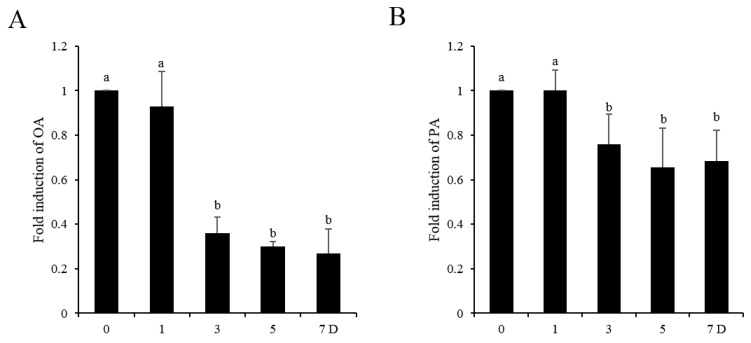
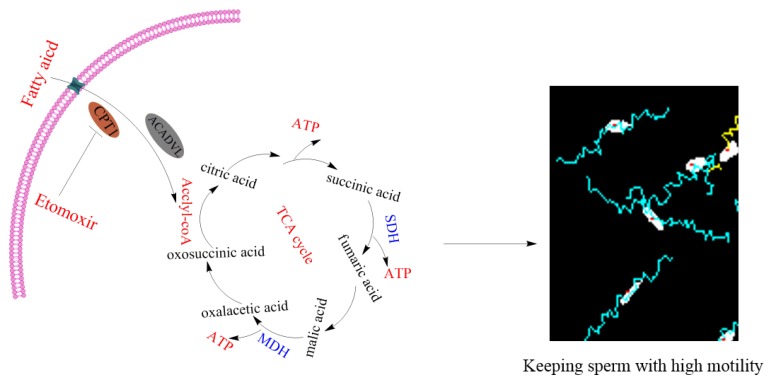
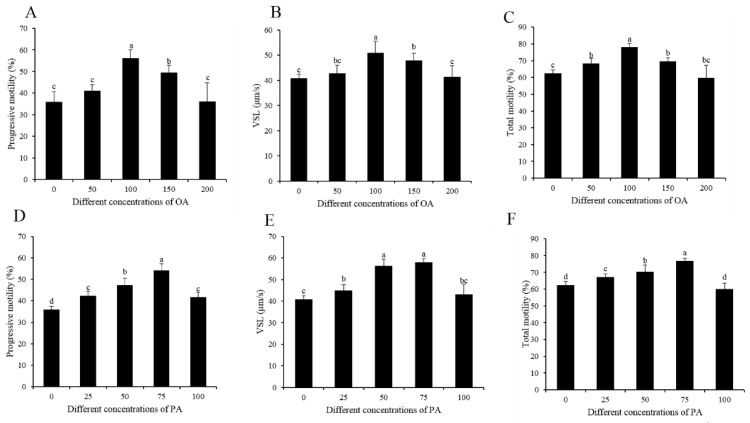
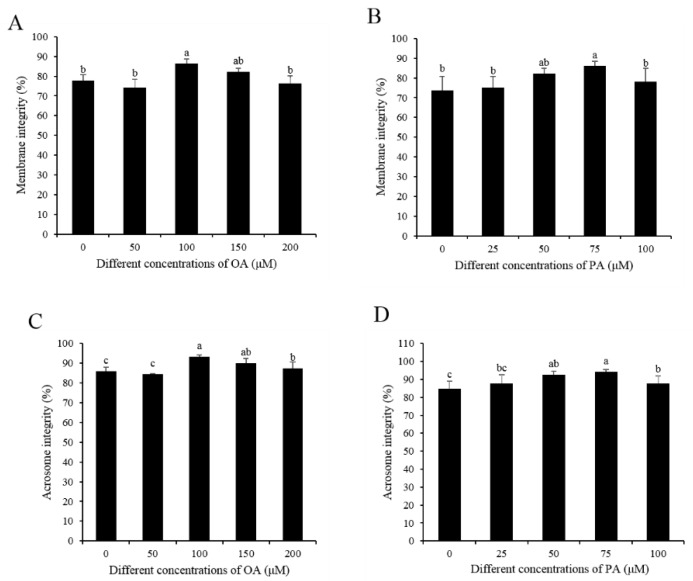
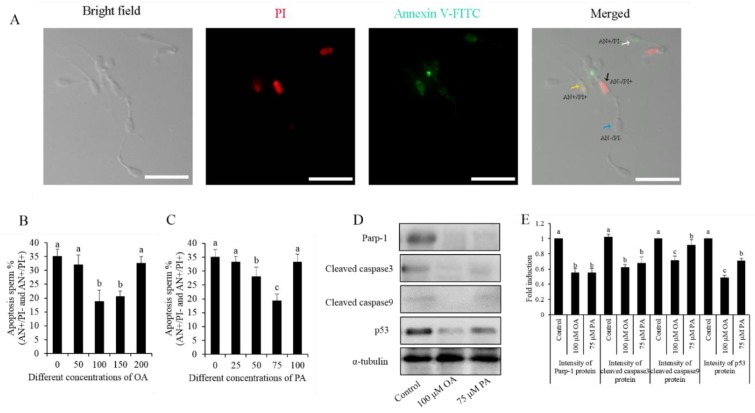
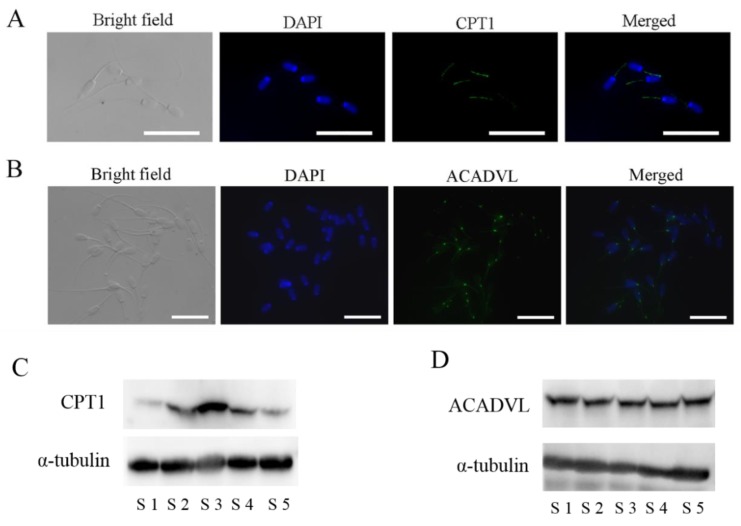
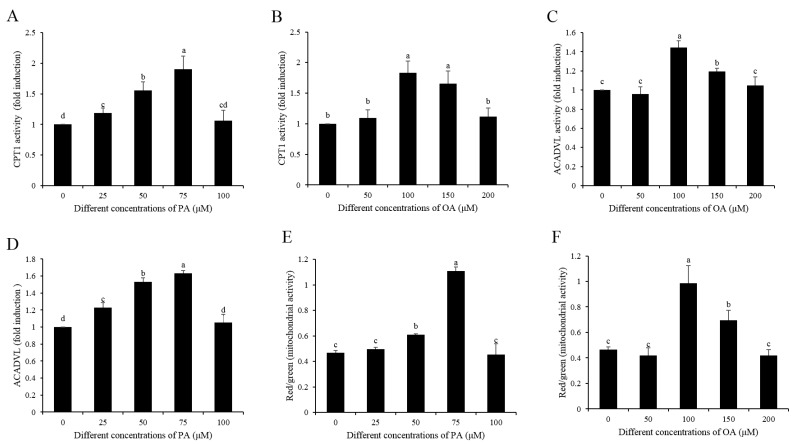
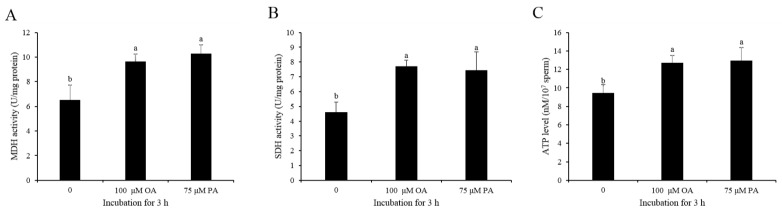
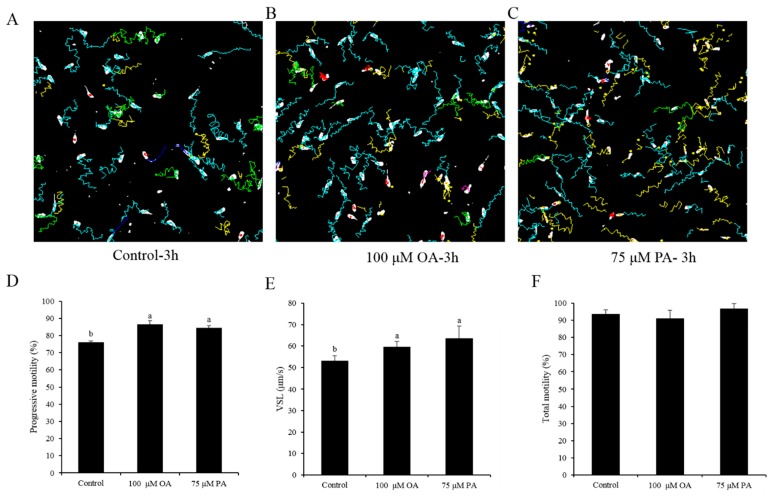
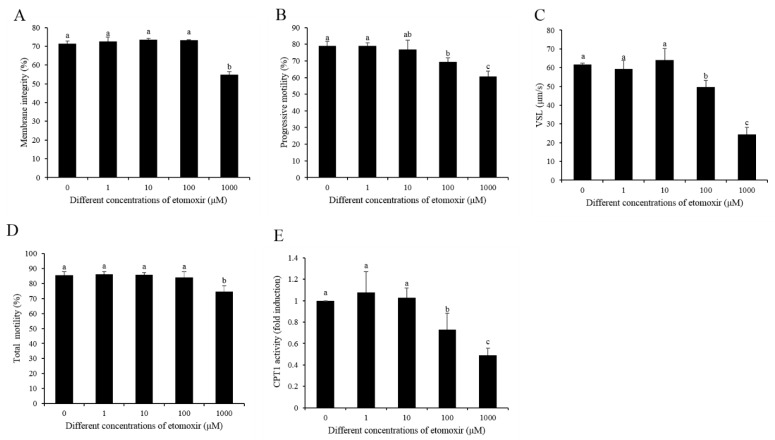
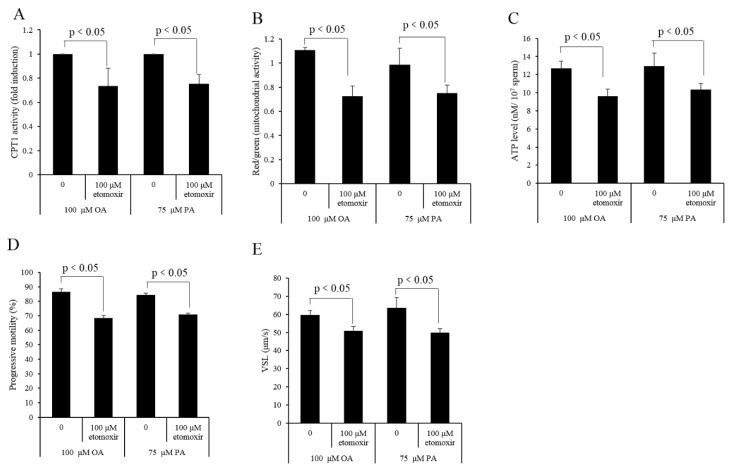
It takes several hours for mammalian sperm to migrate from the ejaculation or insemination site to the fertilization site in the female reproductive tract in which glucose, amino acids, and fatty acids are regarded as the primary substrates for ATP generation. The present study was designed to investigate whether oleic acid and palmitic acid were beneficial to boar sperm in vitro; and if yes, to elucidate the mechanism that regulates sperm motility. Therefore, the levels of oleic acid and palmitic acid, motility, membrane integrity, acrosome integrity, and apoptosis of sperm were evaluated. Moreover, the enzymes involved in mitochondrial β-oxidation (CPT1: carnitine palmitoyltransferase 1; ACADVL: long-chain acyl-coenzyme A dehydrogenase) were detected with immunofluorescence and Western blotting. Consequently, the ATP content and the activities of CPT1, ACADVL, malate dehydrogenase (MDH), and succinate dehydrogenase (SDH) were also measured. We observed that CPT1 and ACADVL were expressed in boar sperm and localized in the midpiece. The levels of oleic acid and palmitic acid were decreased during storage at 17 °C. The addition of oleic acid and palmitic acid significantly increased sperm motility, progressive motility, straight-line velocity (VSL), membrane integrity, and acrosome integrity with a simultaneous decrease in sperm apoptosis after seven days during storage. When sperm were incubated with oleic acid and palmitic acid at 37 °C for 3 h, the activities of CPT1 and ACADVL, the ATP level, the mitochondrial membrane potential, the activities of MDH and SDH, as well as sperm motility patterns were significantly increased compared to the control (p﹤0.05). Moreover, the addition of etomoxir to the diluted medium in the presence of either oleic acid or palmitic acid and the positive effects of oleic acid and palmitic acid were counteracted. Together, these data suggest that boar sperm might utilize oleic acid and palmitic acid as energy substrates for ATP production via β-oxidation. The addition of these acids could improve sperm quality.
哺乳动物的精子需要数小时才能从射精或授精部位迁移到雌性生殖道中的受精部位,在该生殖道中,葡萄糖、氨基酸和脂肪酸被视为产生ATP的主要底物。本研究旨在调查油酸和棕榈酸在体外是否对公猪精子有益;如果有益,则阐明调节精子活力的机制。因此,评估了油酸和棕榈酸的水平、精子活力、膜完整性、顶体完整性和凋亡情况。此外,通过免疫荧光和蛋白质印迹法检测了参与线粒体β-氧化的酶(CPT1:肉碱棕榈酰转移酶1;ACADVL:长链酰基辅酶A脱氢酶)。因此,还测量了ATP含量以及CPT1、ACADVL、苹果酸脱氢酶(MDH)和琥珀酸脱氢酶(SDH)的活性。我们观察到CPT1和ACADVL在公猪精子中表达并定位于中段。在17℃储存期间,油酸和棕榈酸的水平降低。添加油酸和棕榈酸可显著提高精子活力、前向运动能力、直线速度(VSL)、膜完整性和顶体完整性,同时在储存7天后精子凋亡减少。当精子在37℃与油酸和棕榈酸孵育3小时时,与对照组相比,CPT1和ACADVL的活性、ATP水平、线粒体膜电位、MDH和SDH的活性以及精子运动模式均显著增加(p﹤0.05)。此外,在存在油酸或棕榈酸的情况下,向稀释培养基中添加依托莫昔芬可抵消油酸和棕榈酸的积极作用。总之,这些数据表明公猪精子可能通过β-氧化利用油酸和棕榈酸作为产生ATP的能量底物。添加这些酸可以提高精子质量。