Besser Gerold, Oswald Michaela M, Liu David T, Renner Bertold, Mueller Christian A
Department of Otorhinolaryngology and Head and Neck Surgery, Medical University of Vienna, Währinger Gürtel 18-20, 1090, Vienna, Austria.
Institute of Experimental and Clinical Pharmacology and Toxicology, Friedrich-Alexander Universität Erlangen-Nürnberg, Erlangen, Germany.
Eur Arch Otorhinolaryngol. 2020 Jul;277(7):1987-1994. doi: 10.1007/s00405-020-05950-8. Epub 2020 Apr 4.
Olfactory training is recommended in olfactory dysfunction (OD) showing promising results. OD patients frequently ask for training modifications in the hope of a better outcome. Also, a lack of knowledge of the flavor system is evident. This investigation sought to implement flavor education (FE) and encourage patients to experience flavors in terms of a flavor training (FT).
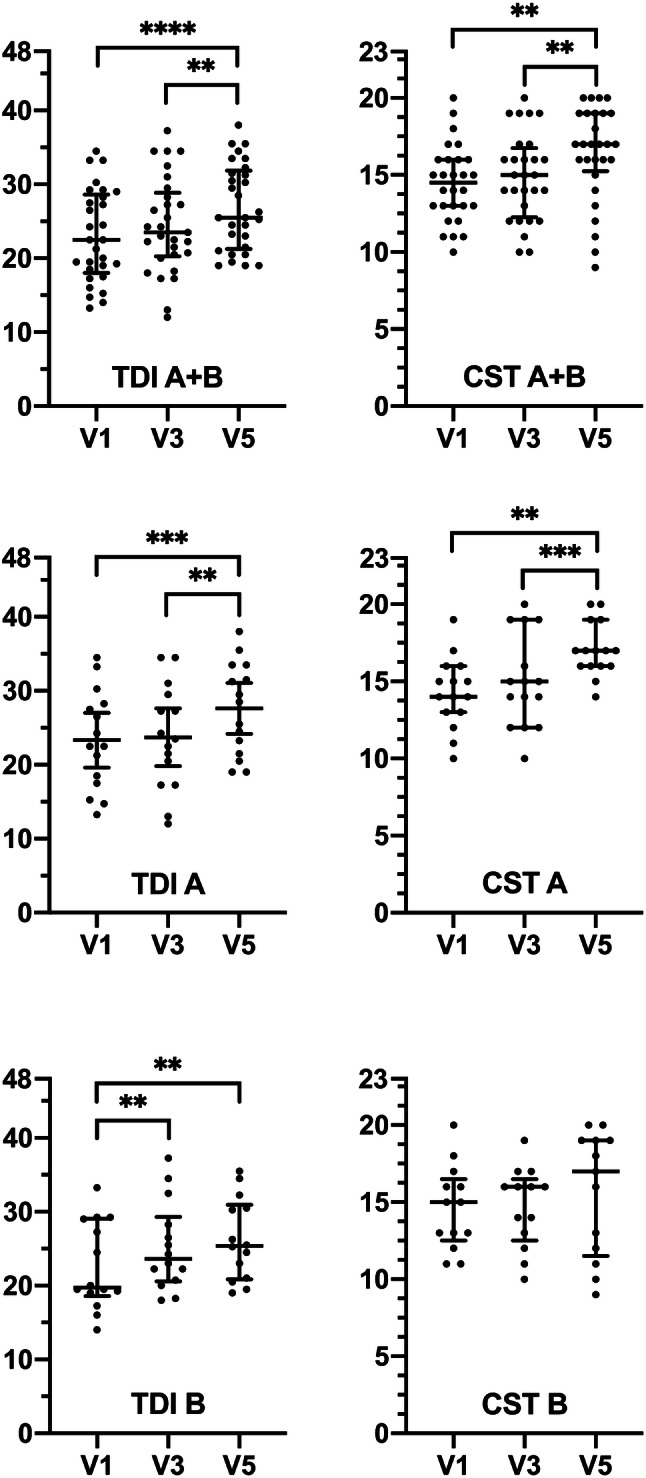
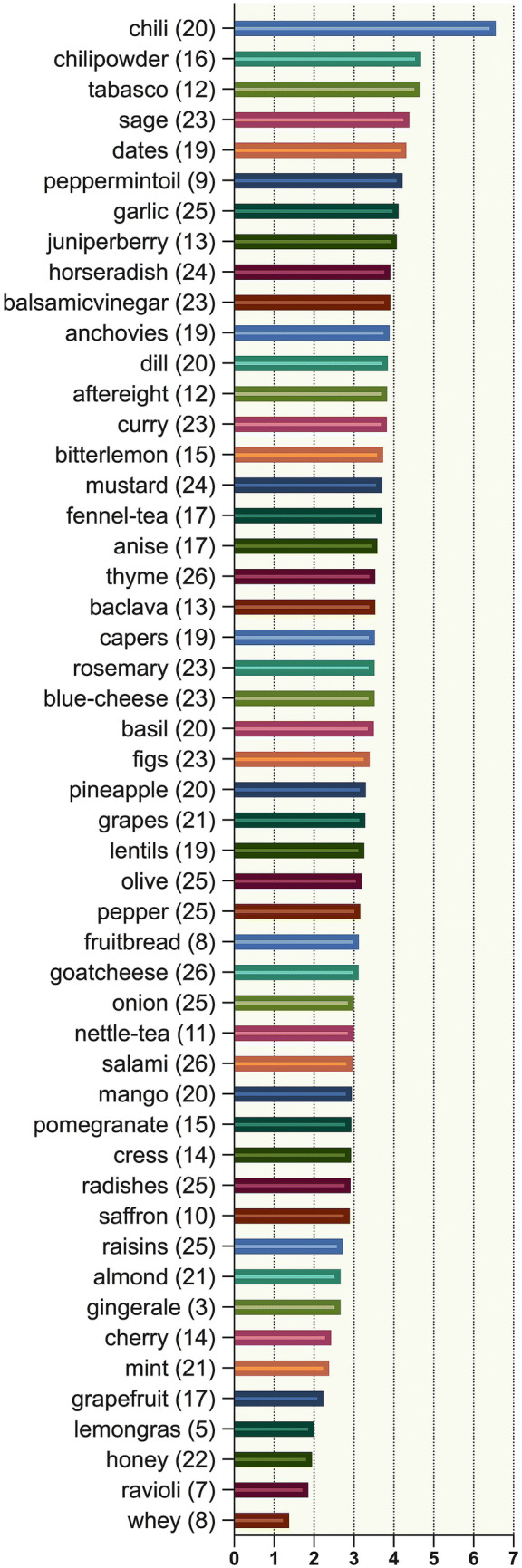
In included patients (n = 30), OD was either of postinfectious (86.7%) or posttraumatic (13.3%) cause. Chemosensory abilities were tested orthonasally (using Sniffin Sticks = TDI) and retronasally (using the Candy Smell Test = CST). Key points of flavor perception were demonstrated in an educative session. Subjects were instructed to consciously experience flavors out of a list of 50. Effects of FT were explored in two groups (group A and B), with group B starting FT 17 weeks later.
FE was appreciated and drop-out rate stayed very low (one participant). Compliance was high and 30.4 ± 12.9 flavors were tried. Overall TDI scores improved in 10 patients (6 group A, 4 group B) in a clinically significant way (> 5.5). For group A (starting FT earlier) rm-ANOVA showed a significant effect of session (timepoint) on CST (p < 0.01).
Flavor education is demonstrated as feasible and appreciated in a clinical setting. FT seems to be a welcomed second-line therapy in patients with olfactory dysfunction. This study shows beneficial trends of FT; however, further studies with larger sample sizes and standardized training protocols are needed.
嗅觉训练被推荐用于嗅觉功能障碍(OD),已显示出有前景的结果。OD患者经常要求对训练进行调整,以期获得更好的结果。此外,对味觉系统缺乏了解的情况也很明显。本研究旨在实施味觉教育(FE),并鼓励患者通过味觉训练(FT)来体验味道。
纳入的患者(n = 30)中,OD的病因要么是感染后(86.7%),要么是创伤后(13.3%)。通过鼻腔前部(使用嗅棒=嗅觉辨别力测试)和鼻腔后部(使用糖果嗅觉测试=CST)测试化学感觉能力。在一次教育课程中展示了味觉感知的关键点。指导受试者有意识地体验50种味道清单中的味道。在两组(A组和B组)中探索FT的效果,B组在17周后开始FT。
FE受到欢迎,脱落率非常低(一名参与者)。依从性很高,尝试了30.4±12.9种味道。10名患者(A组6名,B组4名)的总体嗅觉辨别力测试分数有临床显著改善(>5.5)。对于A组(更早开始FT),重复测量方差分析显示训练阶段(时间点)对CST有显著影响(p<0.01)。
味觉教育在临床环境中被证明是可行的且受到欢迎。FT似乎是嗅觉功能障碍患者受欢迎的二线治疗方法。本研究显示了FT的有益趋势;然而,需要进一步开展更大样本量和标准化训练方案的研究。