Janelia Research Campus, Howard Hughes Medical Institute, Ashburn, United States.
Elife. 2020 Apr 7;9:e53518. doi: 10.7554/eLife.53518.
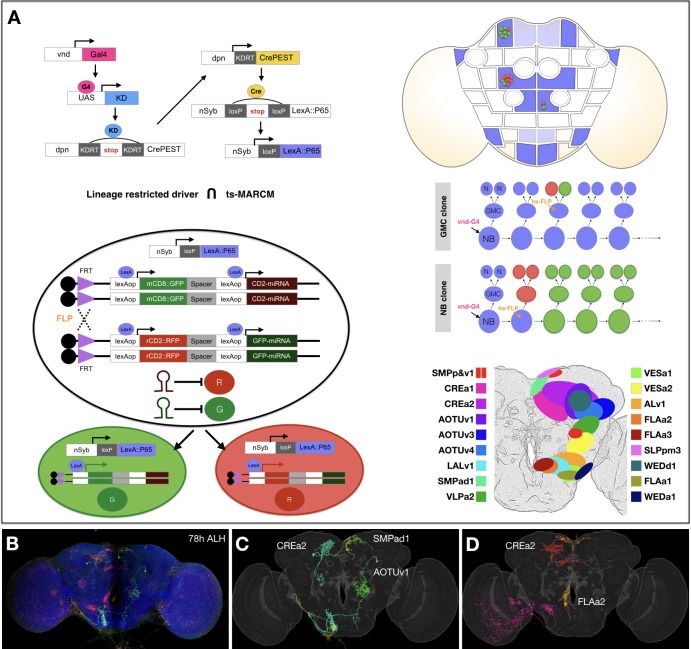
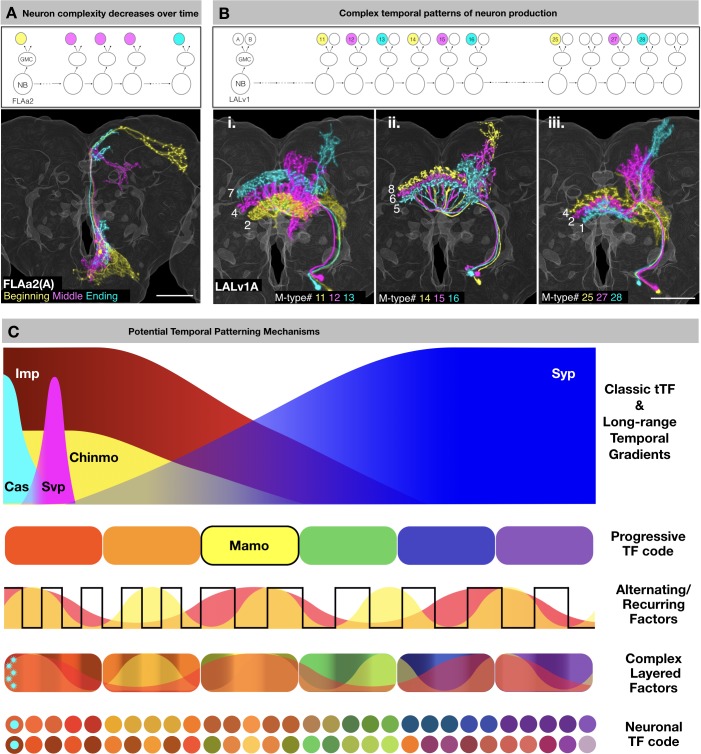
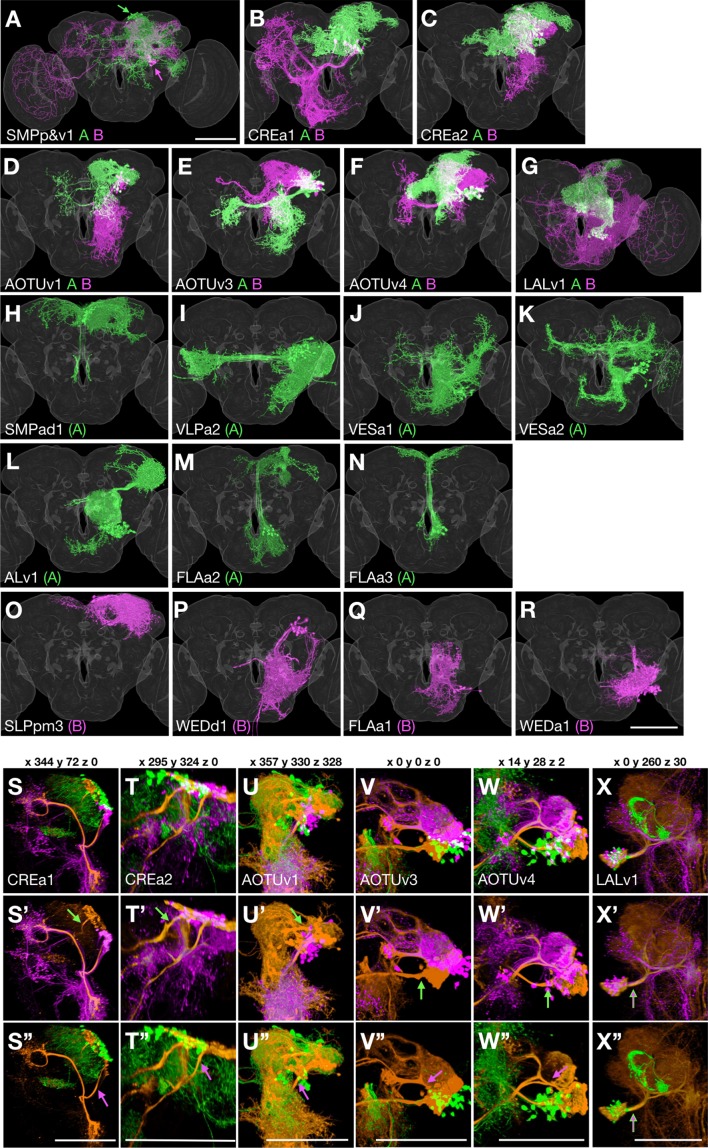
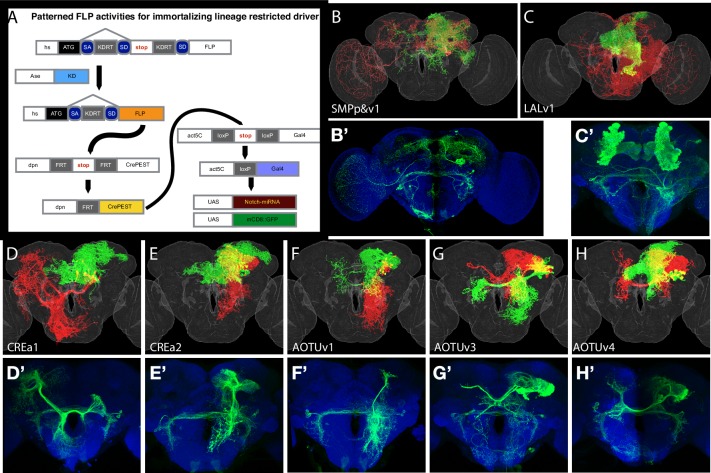
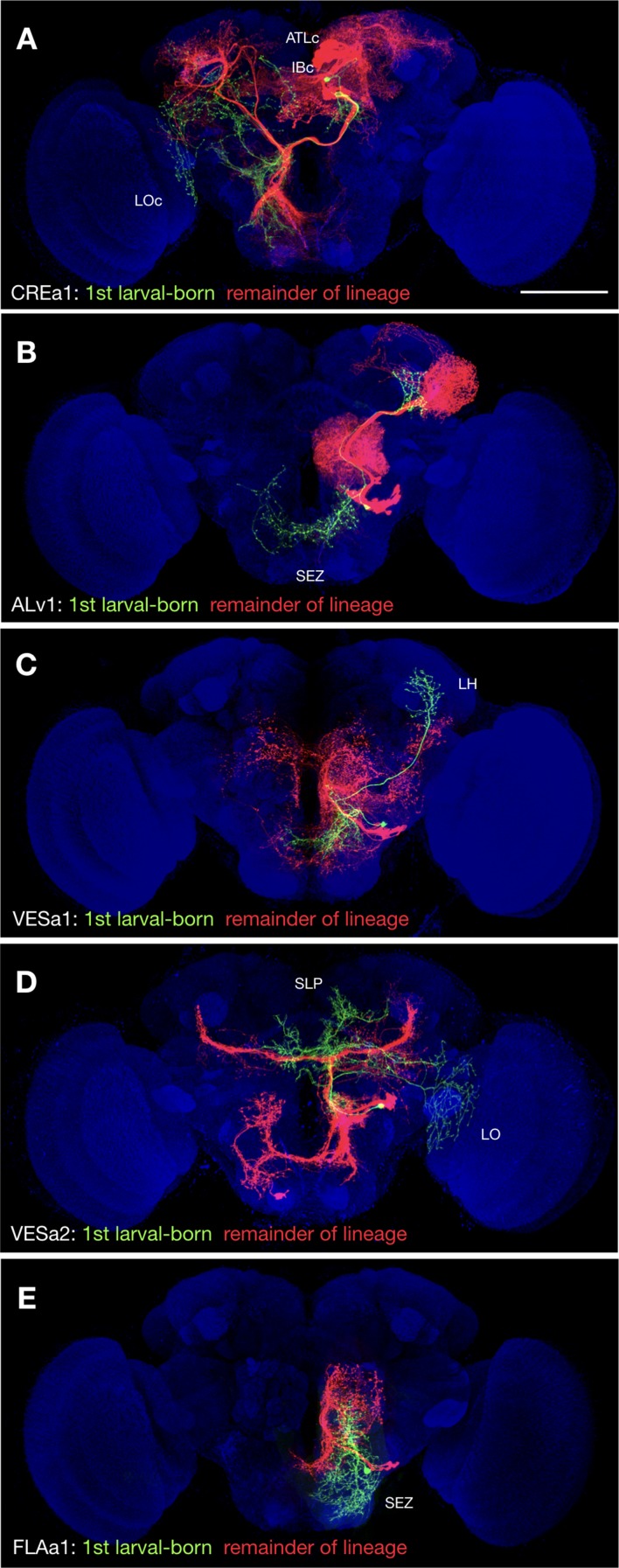
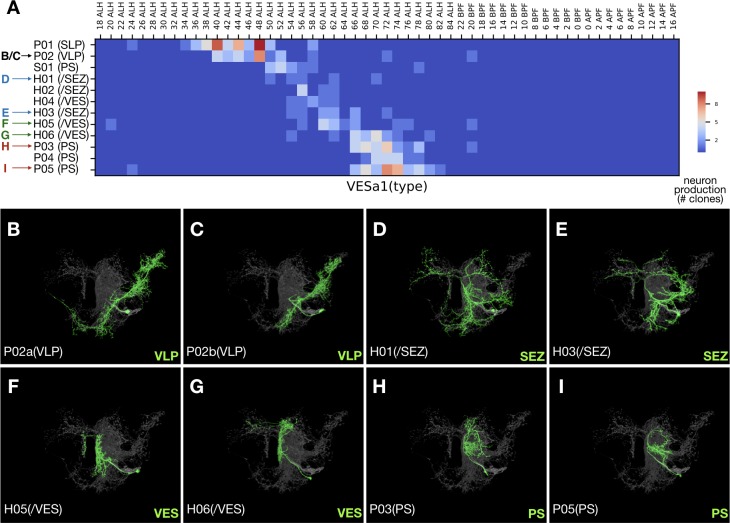
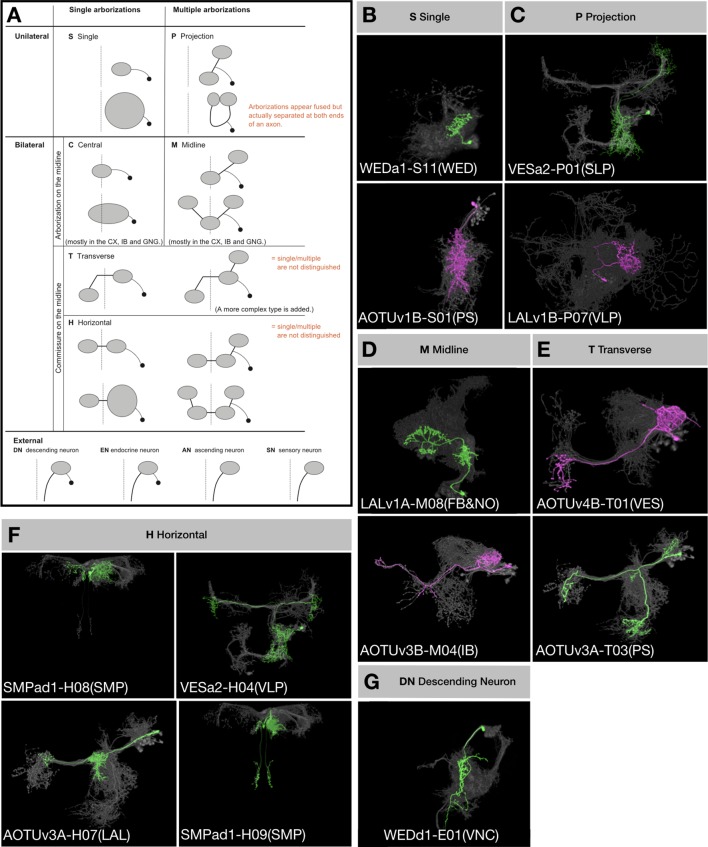
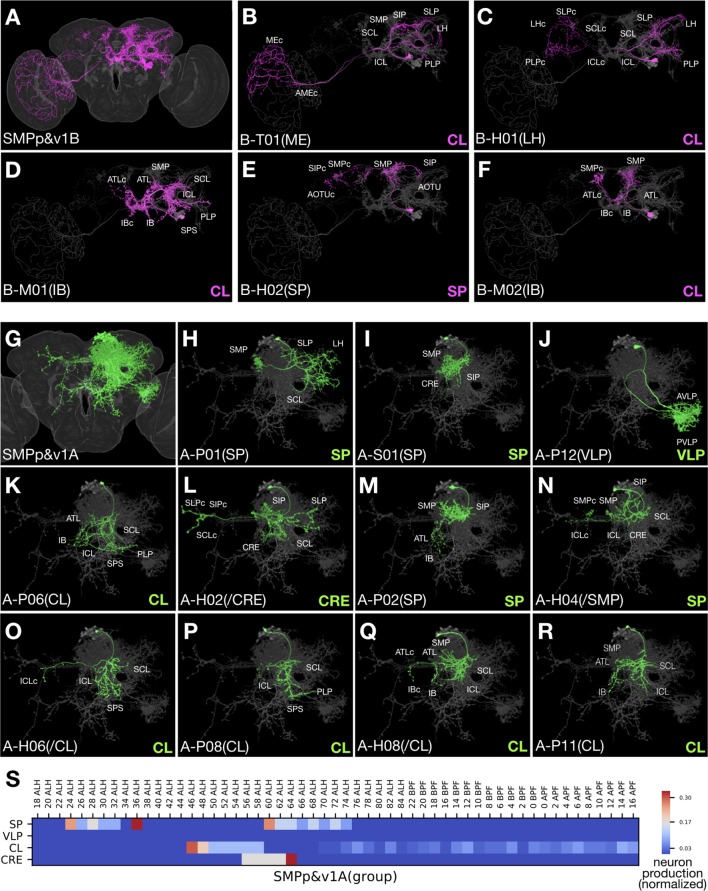
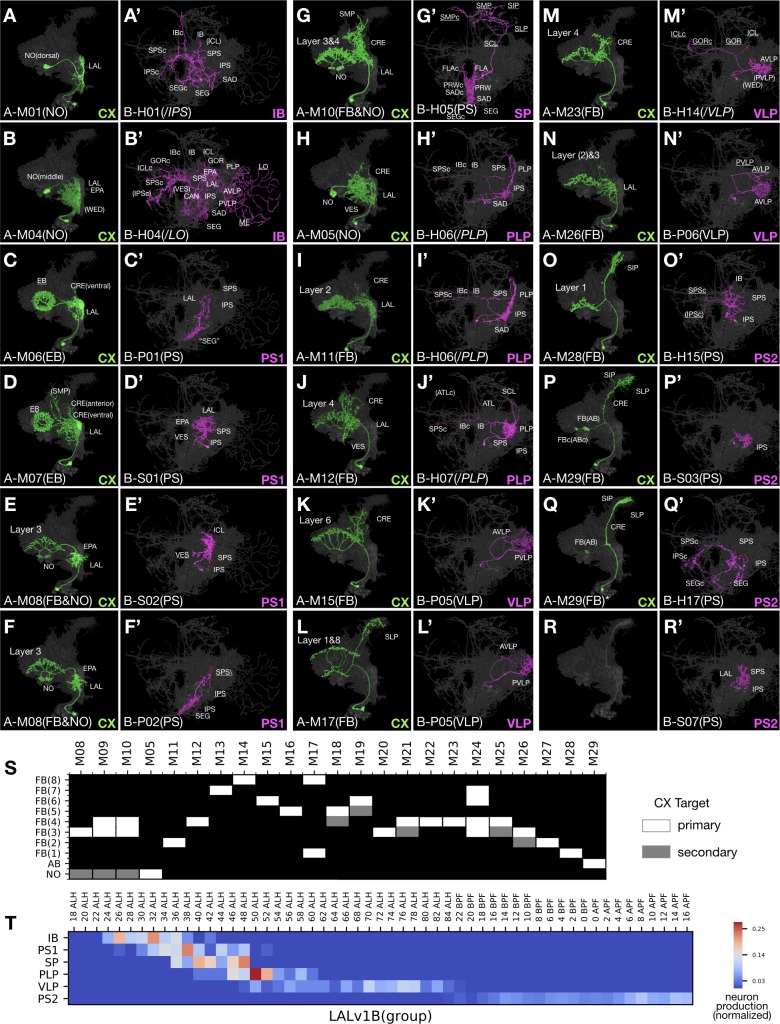
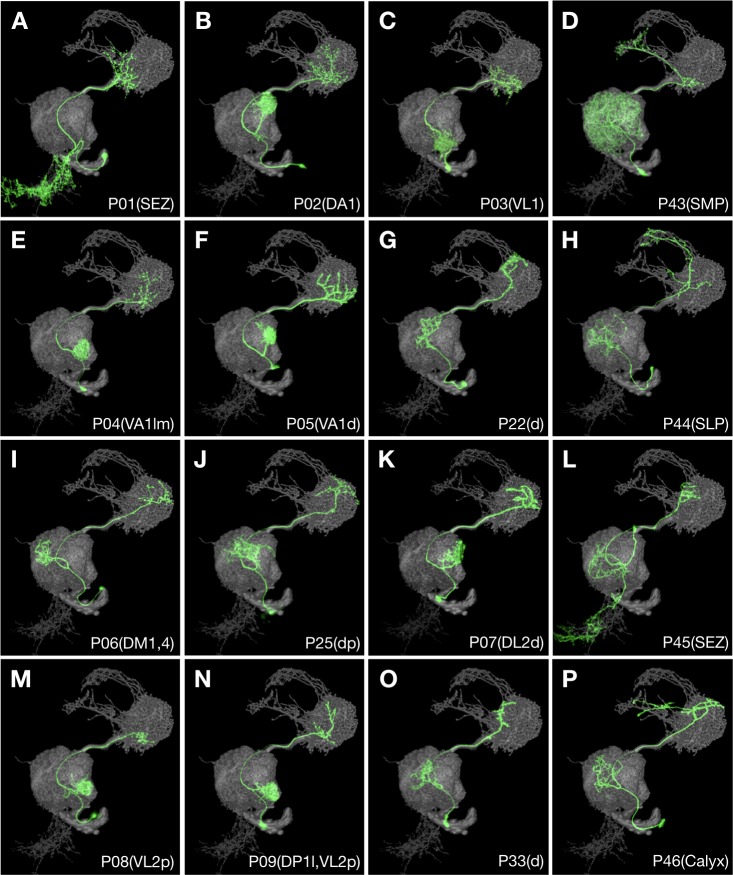
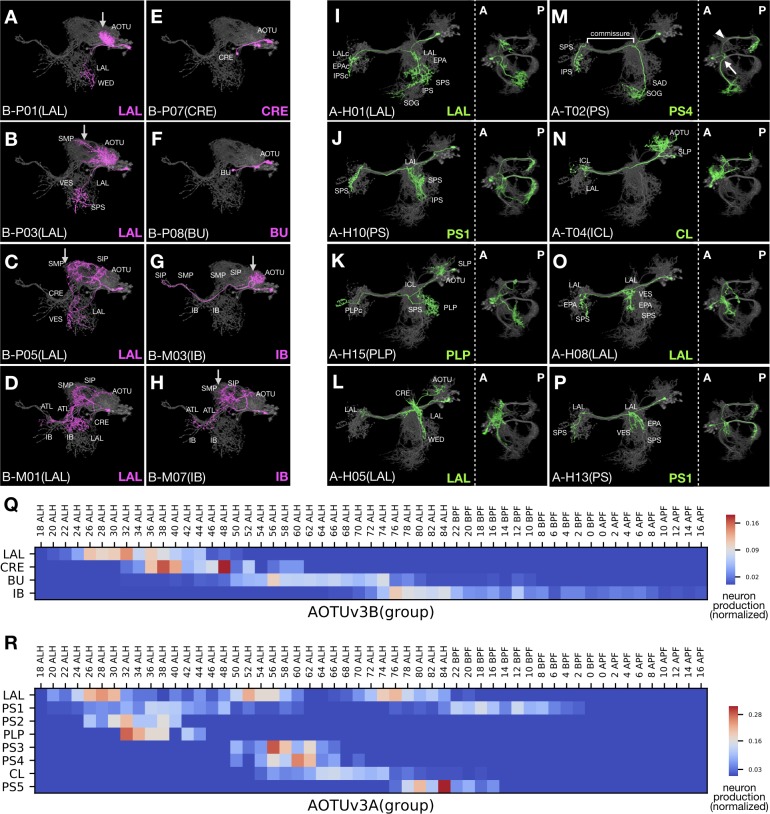
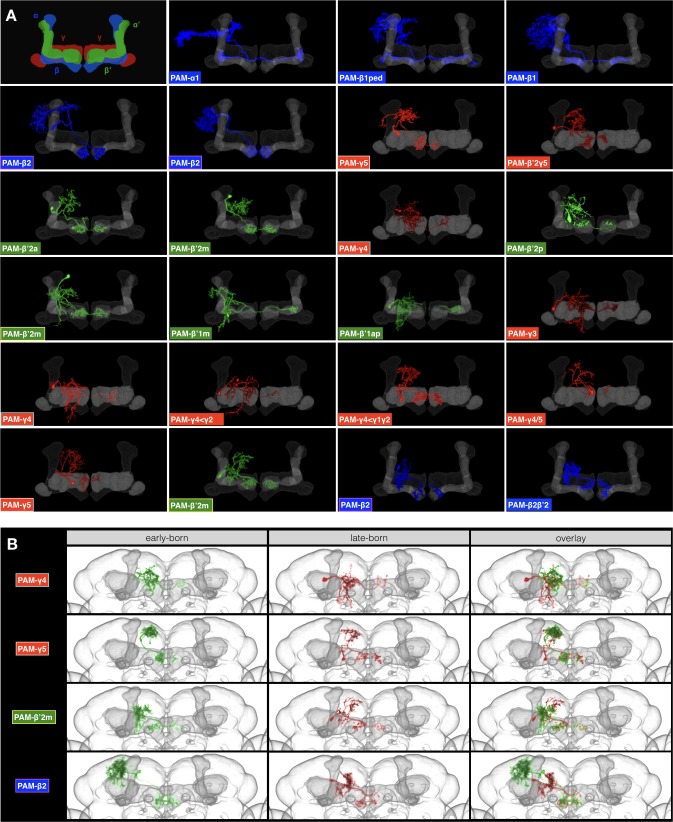
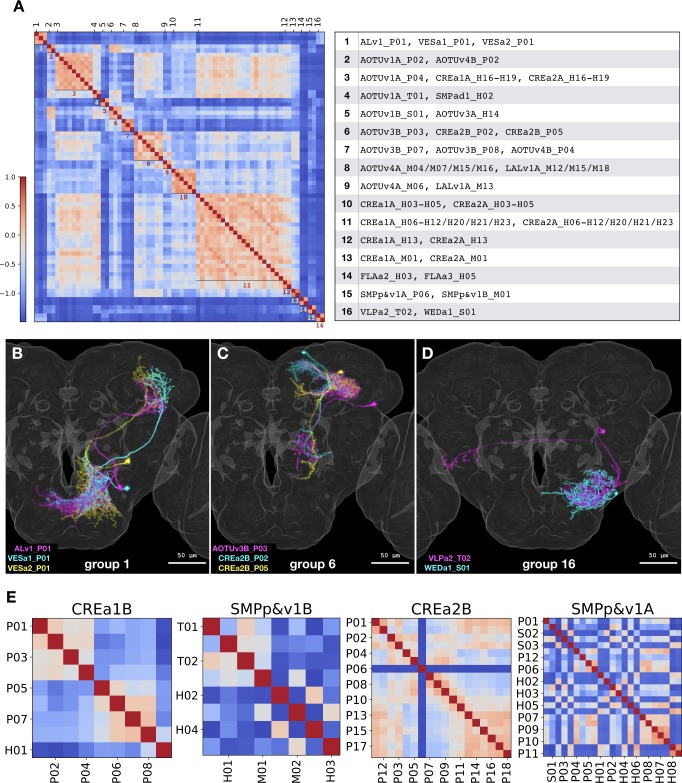
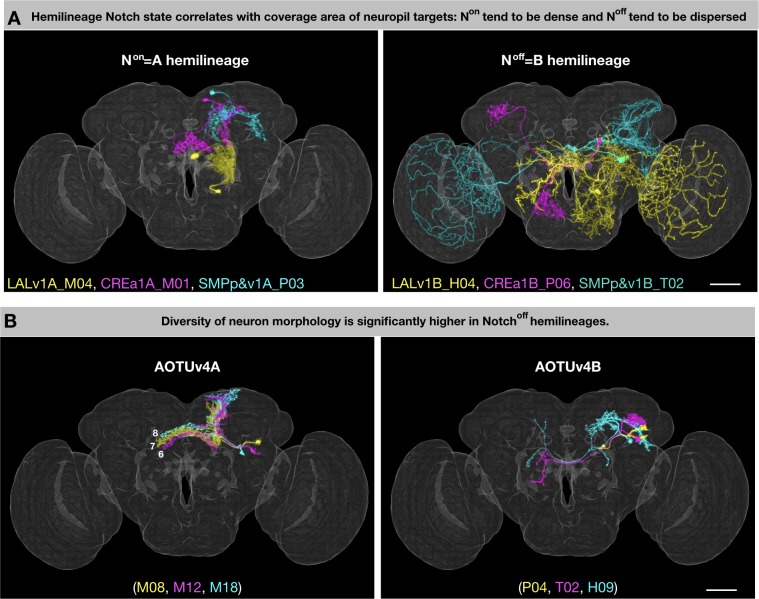
Wiring a complex brain requires many neurons with intricate cell specificity, generated by a limited number of neural stem cells. central brain lineages are a predetermined series of neurons, born in a specific order. To understand how lineage identity translates to neuron morphology, we mapped 18 central brain lineages. While we found large aggregate differences between lineages, we also discovered shared patterns of morphological diversification. Lineage identity plus Notch-mediated sister fate govern primary neuron trajectories, whereas temporal fate diversifies terminal elaborations. Further, morphological neuron types may arise repeatedly, interspersed with other types. Despite the complexity, related lineages produce similar neuron types in comparable temporal patterns. Different stem cells even yield two identical series of dopaminergic neuron types, but with unrelated sister neurons. Together, these phenomena suggest that straightforward rules drive incredible neuronal complexity, and that large changes in morphology can result from relatively simple fating mechanisms.
连接复杂的大脑需要许多具有复杂细胞特异性的神经元,这些神经元由有限数量的神经干细胞产生。中枢神经系统谱系是一系列预先确定的神经元,以特定的顺序产生。为了了解谱系身份如何转化为神经元形态,我们绘制了 18 个中枢神经系统谱系。虽然我们发现谱系之间存在很大的总体差异,但我们也发现了形态多样化的共享模式。谱系身份加上 Notch 介导的姐妹命运决定主要神经元轨迹,而时间命运则使末端复杂化。此外,形态神经元类型可能会重复出现,与其他类型交错。尽管复杂,但相关谱系以类似的时间模式产生相似的神经元类型。不同的干细胞甚至产生两种相同的多巴胺能神经元类型系列,但姐妹神经元却不相关。总的来说,这些现象表明简单的规则驱动着令人难以置信的神经元复杂性,并且形态的巨大变化可以来自相对简单的命运形成机制。