Narechania Shraddha, Renapurkar Rahul, Heresi Gustavo A
Respiratory Institute, Cleveland Clinic, Cleveland, OH, USA.
Department of Diagnostic Radiology, Cleveland Clinic, Cleveland, OH, USA.
Pulm Circ. 2020 Mar 26;10(1):2045894019882620. doi: 10.1177/2045894019882620. eCollection 2020 Jan-Mar.
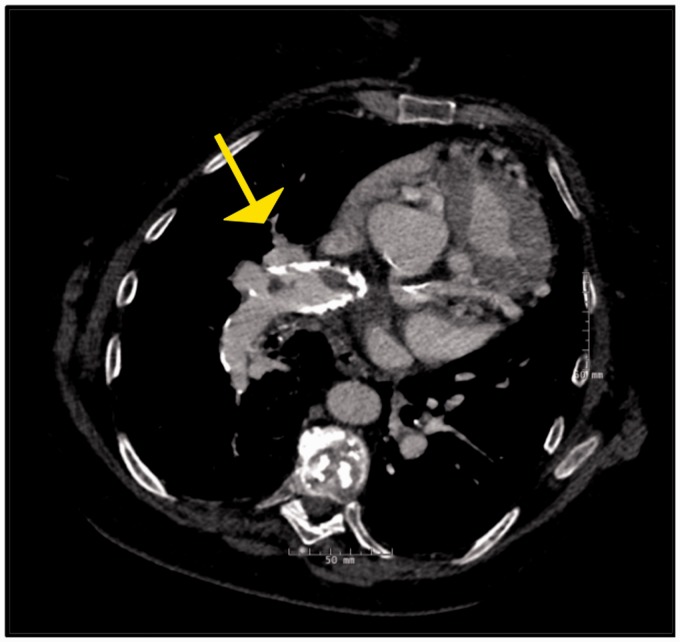
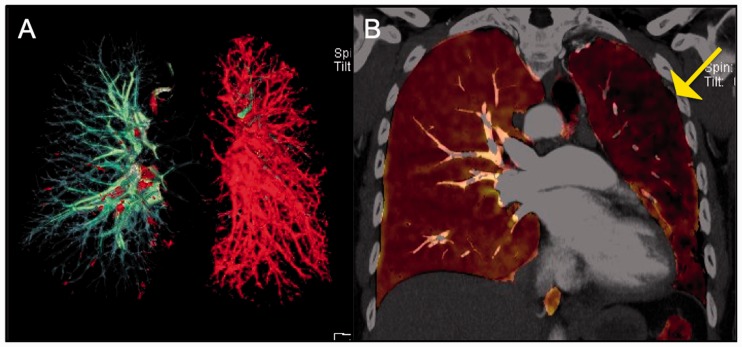
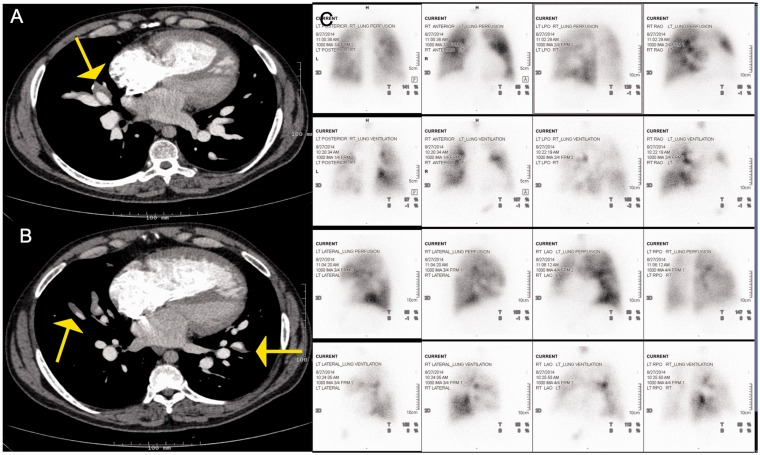
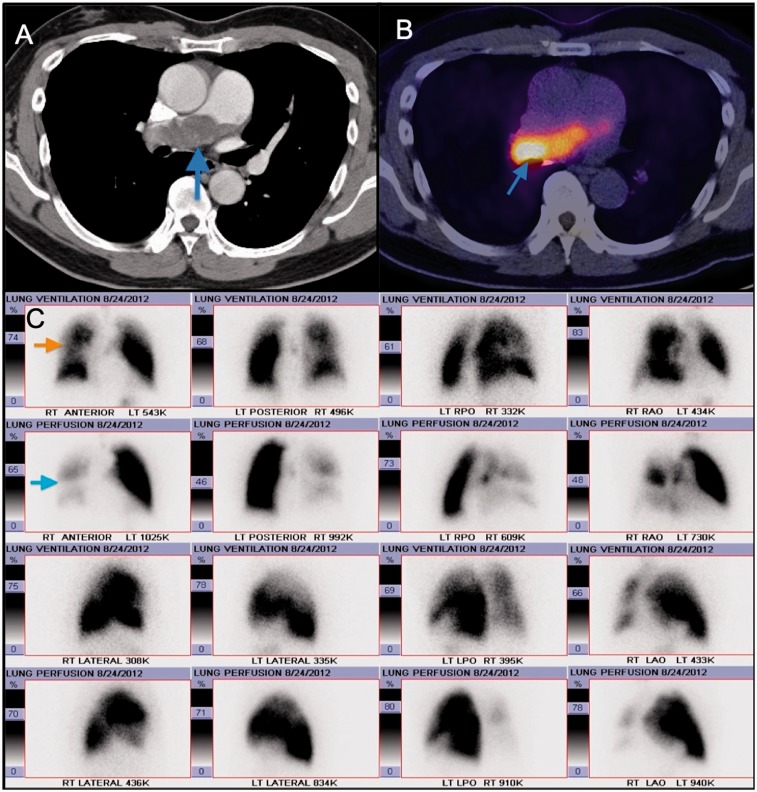
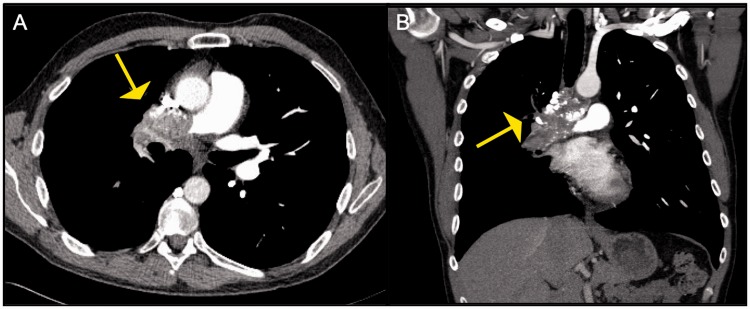
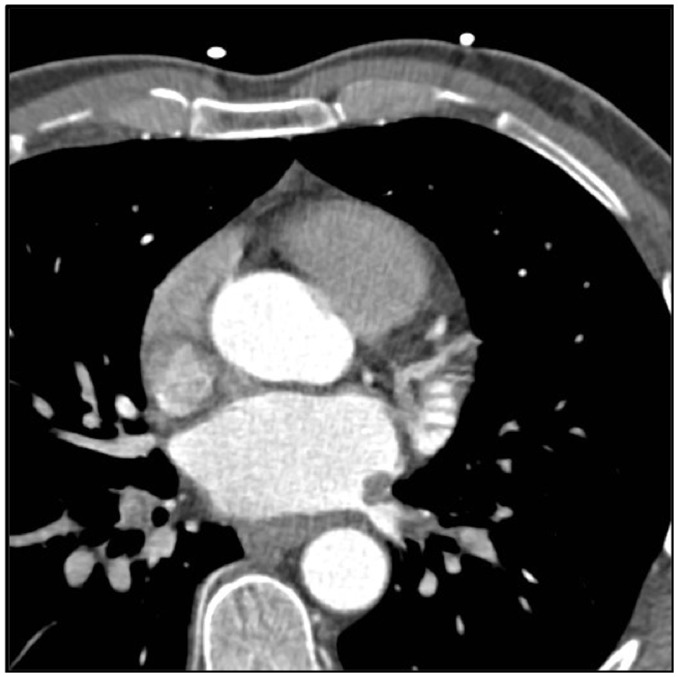
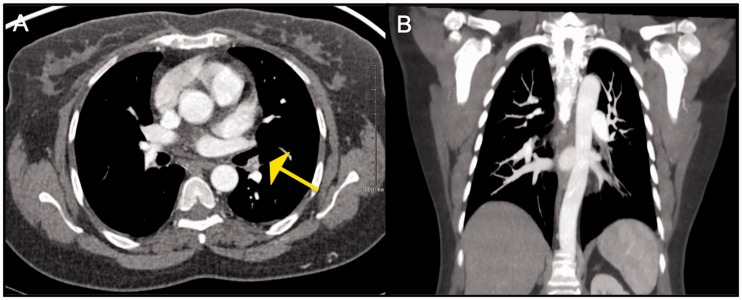
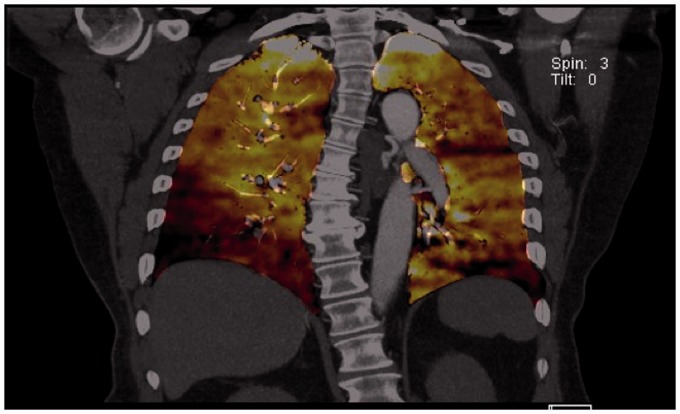
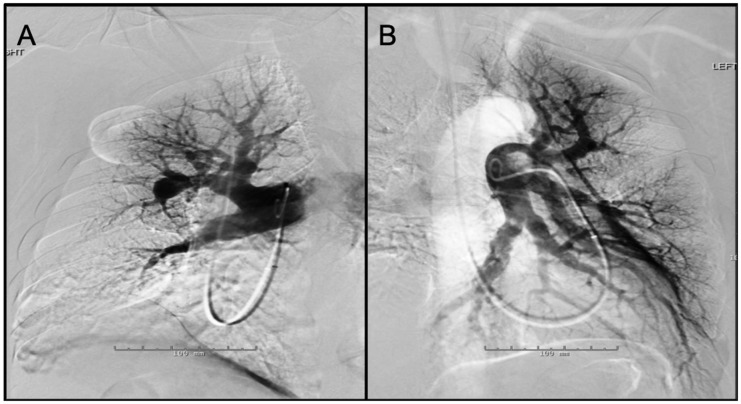
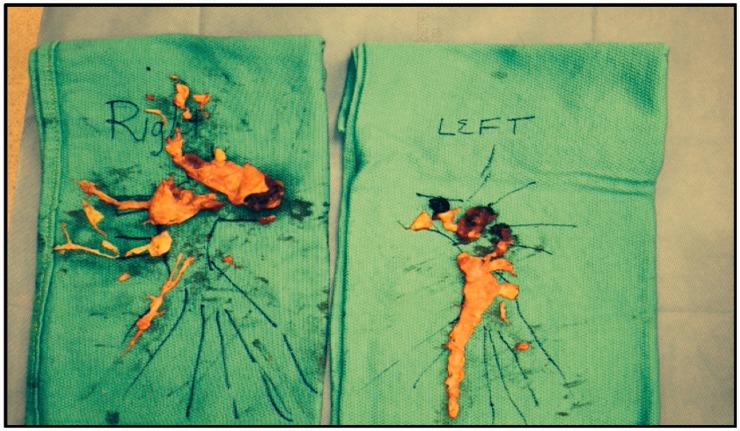
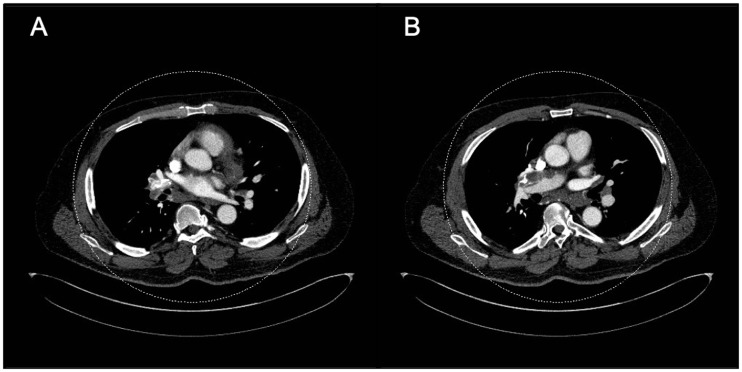
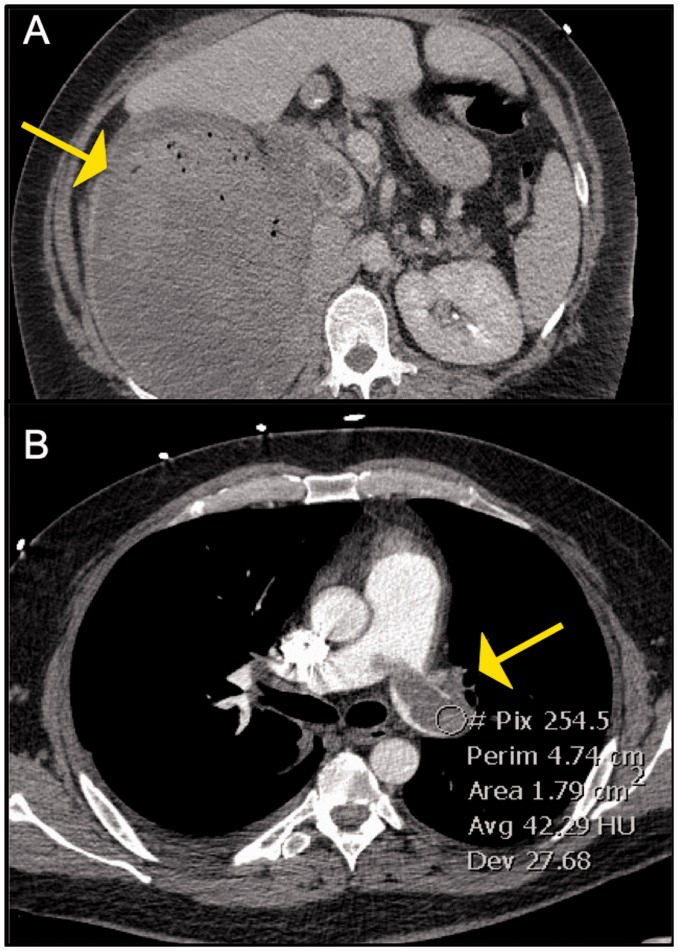
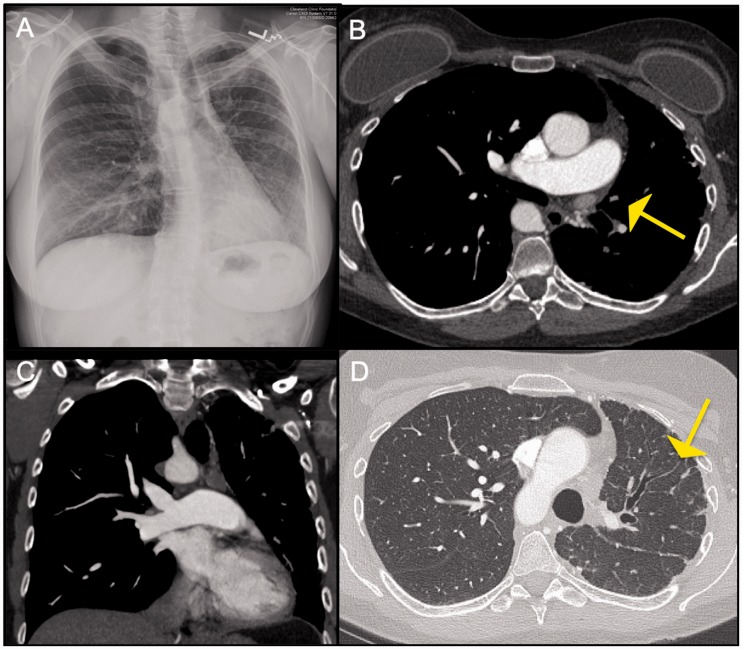
Chronic thromboembolic pulmonary hypertension (CTEPH) is caused by mechanical obstruction of large pulmonary arteries secondary to one or more episodes of pulmonary embolism. Ventilation perfusion scan is the recommended initial screening test for this condition and typically shows multiple large mismatched perfusion defects. However, not all patients with an abnormal ventilation perfusion scan have CTEPH since there are other conditions that be associated with a positive ventilation perfusion scan. These conditions include in situ thrombosis, pulmonary artery sarcoma, fibrosing mediastinitis, pulmonary vasculitis and sarcoidosis, among others. Although these conditions cannot be distinguished from CTEPH using a ventilation perfusion scan, they have certain characteristic radiological features that can be demonstrated on other imaging techniques such as computed tomography scan and can help in differentiation of these conditions. In this review, we have summarized some key clinical and radiological features that can help differentiate CTEPH from the CTEPH mimics.
慢性血栓栓塞性肺动脉高压(CTEPH)是由一次或多次肺栓塞继发的大型肺动脉机械性阻塞所致。通气灌注扫描是针对这种情况推荐的初始筛查试验,通常显示多个大型不匹配的灌注缺损。然而,并非所有通气灌注扫描异常的患者都患有CTEPH,因为还有其他情况可能与通气灌注扫描阳性相关。这些情况包括原位血栓形成、肺动脉肉瘤、纤维性纵隔炎、肺血管炎和结节病等。虽然使用通气灌注扫描无法将这些情况与CTEPH区分开来,但它们具有某些特征性的放射学特征,可在计算机断层扫描等其他成像技术上显示,有助于区分这些情况。在本综述中,我们总结了一些关键的临床和放射学特征,有助于区分CTEPH与CTEPH模仿疾病。