Yang Fan Nils, Stanford Macdonell, Jiang Xiong
Department of Neuroscience, Georgetown University Medical Center, Washington, DC, United States.
School of Medicine, Georgetown University Medical Center, Washington, DC, United States.
Front Aging Neurosci. 2020 Mar 31;12:57. doi: 10.3389/fnagi.2020.00057. eCollection 2020.
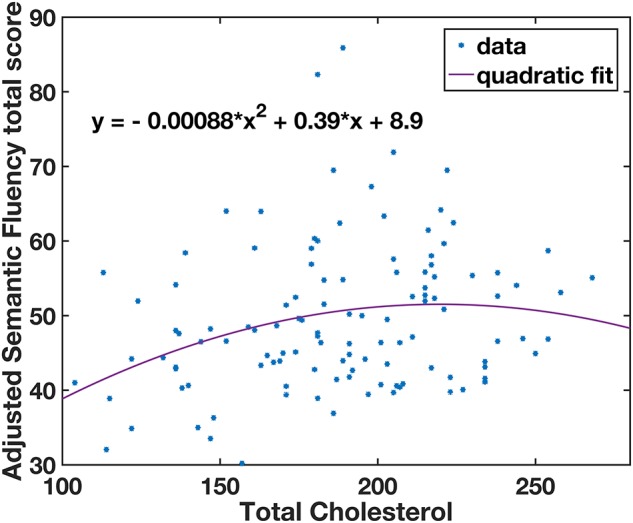
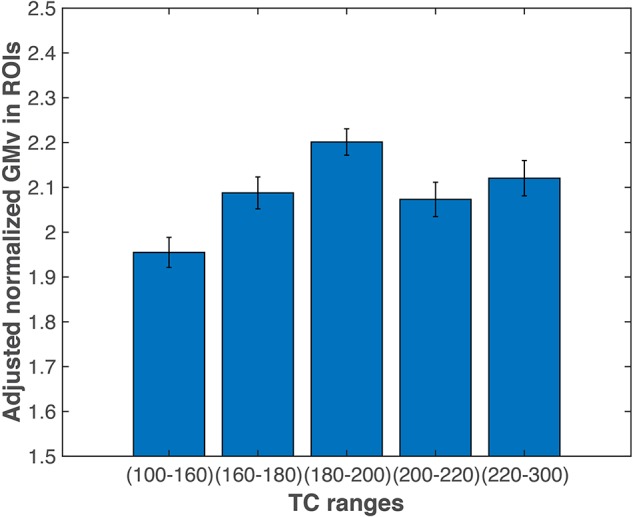
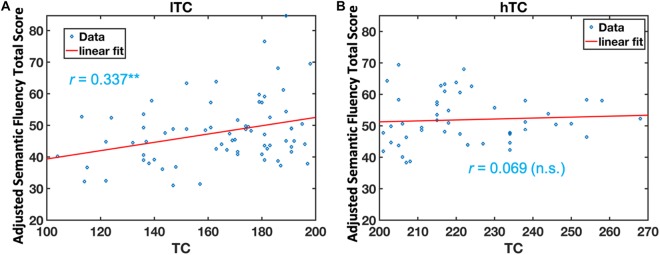
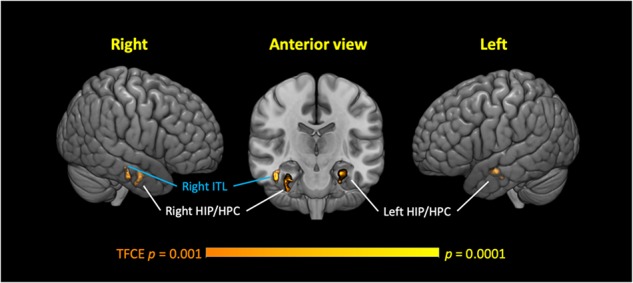
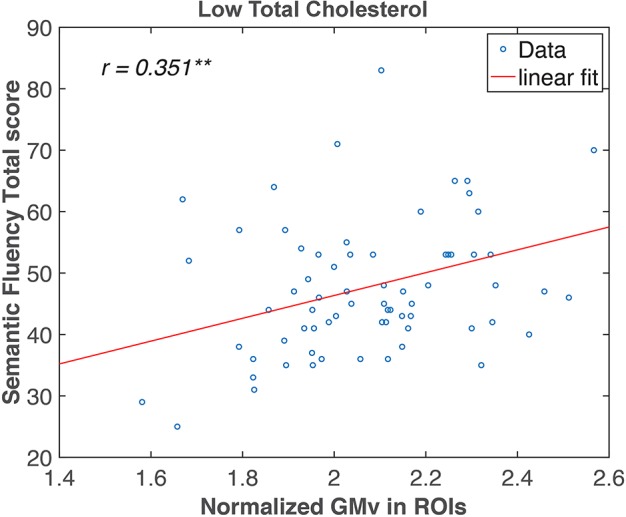
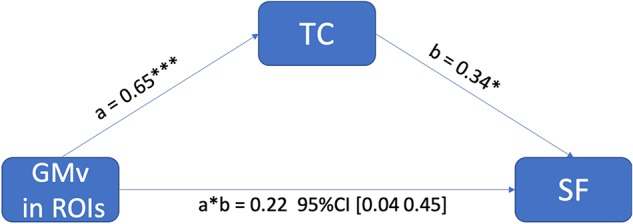
Hyperlipidemia has been proposed as a risk factor of dementia and cognitive decline. However, the findings of the relationship between cholesterol level and cognitive/brain function have been inconsistent. Here, using a well-controlled sample from the Parkinson's Progression Markers Initiative (PPMI), we investigated the probable non-linear relationship between plasma total cholesterol (TC) level, gray matter volume (GMv), and cognitive performance in 117 non-demented subjects (mean age, 61.5 ± 8.9 years), including 67 Parkinson's disease (PD) patients and 50 demographically matched controls. A quadratic relationship between semantic fluency (SF) performance and TC levels was identified. Within the subjects with a desirable TC level (TC < 200 mg/dl), low TC (lTC) levels were associated with reduced SF performance, as well as reduced GMv in three medial temporal regions [including bilateral anterior hippocampus (HIP)]. In contrast, no significant relationship between TC and cognition performance/GMv was found in individuals with a high cholesterol level (i.e., TC ≥ 200 mg/dl). Further region of interest (ROI)-based analysis showed that individuals with TC levels ranging from 100 to 160 mg/dl had the lowest GMv in the medial temporal regions. These findings suggest that low-normal TC level may be associated with reduced cognitive function and brain atrophy in regions implicated in neurodegenerative diseases, adding to a growing body of literature supporting a probable non-linear relationship between cholesterol level and brain health. However, this finding needs to be verified with other large public cohort data that do not include PD patients.
高脂血症已被提出是痴呆和认知衰退的一个风险因素。然而,胆固醇水平与认知/脑功能之间关系的研究结果并不一致。在此,我们使用来自帕金森病进展标志物倡议(PPMI)的一个严格对照样本,调查了117名非痴呆受试者(平均年龄61.5±8.9岁)血浆总胆固醇(TC)水平、灰质体积(GMv)与认知表现之间可能的非线性关系,其中包括67名帕金森病(PD)患者和50名人口统计学匹配的对照。我们确定了语义流畅性(SF)表现与TC水平之间的二次关系。在TC水平理想(TC<200mg/dl)的受试者中,低TC(lTC)水平与SF表现降低以及三个内侧颞叶区域[包括双侧前海马体(HIP)]的GMv减少有关。相比之下,在高胆固醇水平(即TC≥200mg/dl)的个体中,未发现TC与认知表现/GMv之间存在显著关系。基于感兴趣区域(ROI)的进一步分析表明,TC水平在100至160mg/dl之间的个体在内侧颞叶区域的GMv最低。这些发现表明,正常低水平的TC可能与神经退行性疾病相关区域的认知功能降低和脑萎缩有关,这进一步增加了支持胆固醇水平与脑健康之间可能存在非线性关系的文献数量。然而,这一发现需要用不包括PD患者的其他大型公共队列数据进行验证。